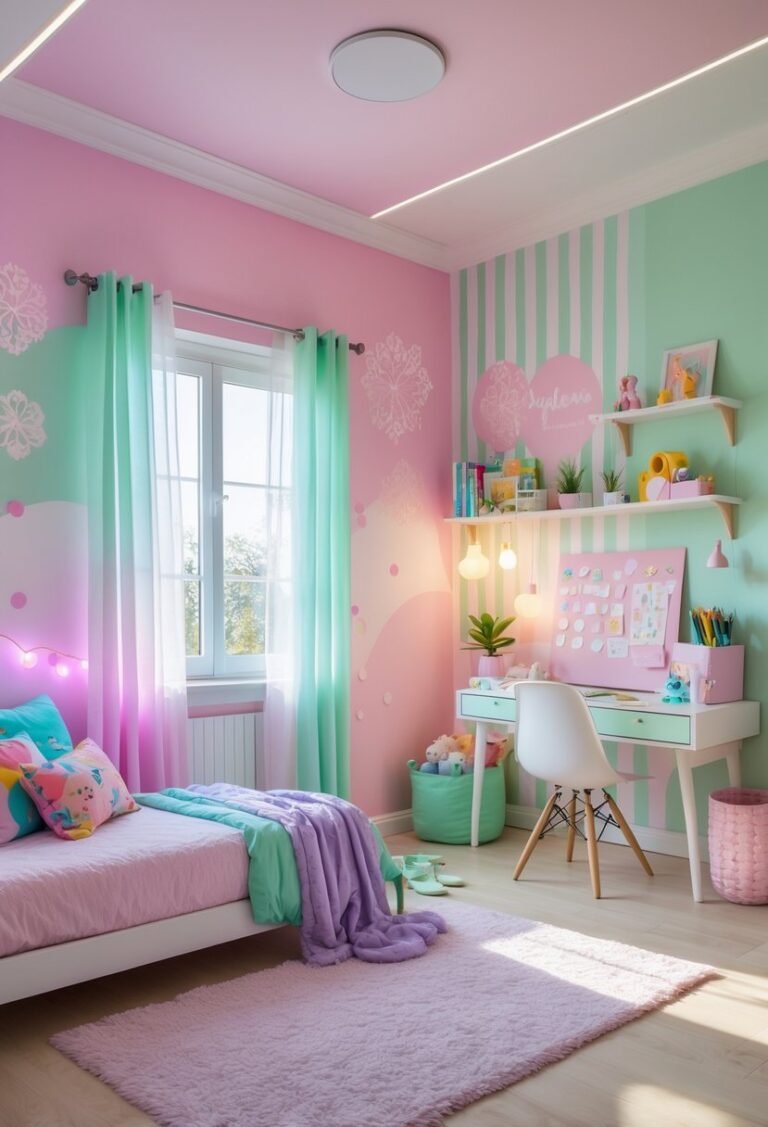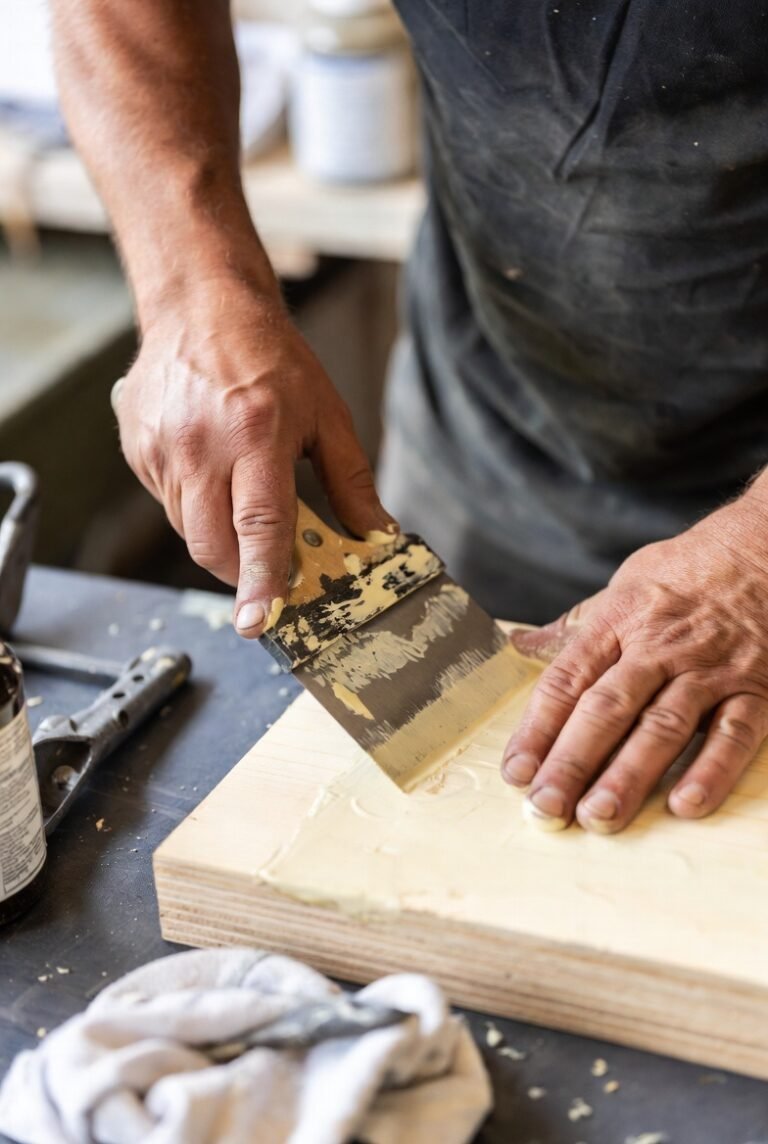
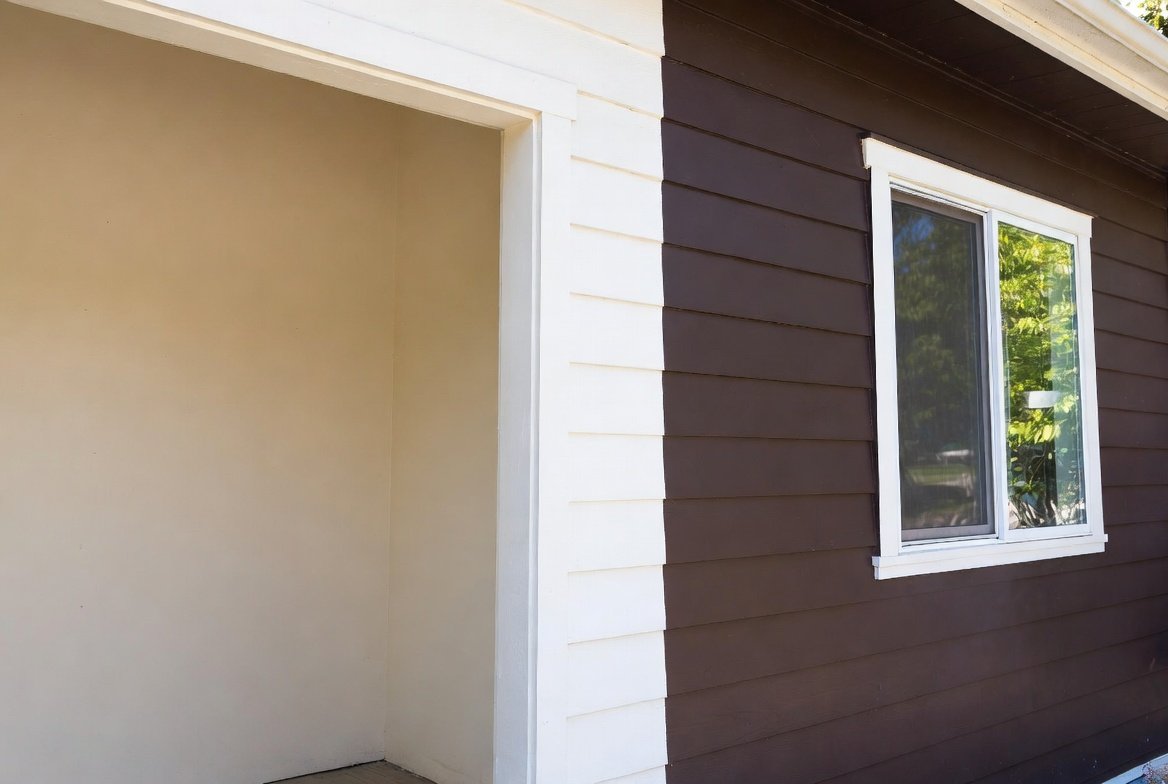
Interior vs Exterior Paint: Understanding Key Differences and Uses
Choosing between interior and exterior paint is crucial for any painting project because each type is formulated for very different environments. Interior paint is designed to handle everyday wear like scrubbing and stains, while exterior paint is built to withstand harsh weather, UV exposure, moisture, and temperature changes. Using the wrong paint type can result in peeling, fading, or health risks.
Exterior paint contains additives that provide flexibility and resistance to moisture, making it durable against rain, sun, and varying temperatures. Interior paint, on the other hand, focuses on smooth finishes, easier cleanup, and low odor, with fewer volatile organic compounds (VOCs) since it’s meant for enclosed spaces.
Understanding these differences helps homeowners avoid costly mistakes and choose the right product for their specific needs. Knowing when and where to use each paint type ensures a longer-lasting, healthier finish in any space.
Fundamental Differences Between Interior and Exterior Paint
Interior and exterior paints are formulated with distinctly different ingredients to perform under specific conditions. This affects their durability, finish options, chemical composition, and suitability for various surfaces. Understanding these differences helps ensure the right choice and long-lasting results.
Purpose and Application Environments
Interior paint is designed primarily for indoor use, where it must resist stains, scuffs, and frequent cleaning. It typically contains rigid resins that create a hard, scrubbable surface and additives that minimize odor and VOC emissions, making it safer in enclosed spaces. Finishes range from matte to high gloss, tailored to different rooms and usage needs, such as kitchens or living rooms.
Exterior paint faces much harsher conditions, including UV rays, rain, temperature swings, and humidity. It uses flexible resins that expand and contract with the surface to prevent cracking or peeling. Additives include UV blockers, mildewcides, and waterproofing agents. The finish options are usually limited to more durable flat or satin sheens designed for weather resistance.
Can You Substitute One for the Other?
Using interior paint outdoors often leads to premature failure. It cannot withstand moisture or sunlight and will likely peel, crack, or fade within months. Conversely, exterior paint used indoors emits stronger odors due to higher VOC levels and takes longer to dry, which can cause indoor air quality issues in poorly ventilated spaces.
While some products labeled for both interior and exterior use exist, they are generally recommended only for small areas like trim or doors. For walls, ceilings, and large surfaces, using the correct paint type for the environment is critical to maintain appearance and longevity.
Common Misconceptions
A frequent misconception is that paint is interchangeable if colors match. This ignores critical formulation differences related to resins and additives that impact performance.
Another misunderstanding concerns cost. Exterior paint usually costs more because it contains specialized ingredients for durability and weather protection. Interior paint, though often cheaper, can include premium features like low VOCs and scrubbable finishes.
Many shoppers get confused in the paint aisle, assuming all latex paints are similar. Labels specifying “Interior” or “Exterior” indicate key differences that should guide the purchase to prevent costly repairs and repainting.
Core Ingredients and Their Roles
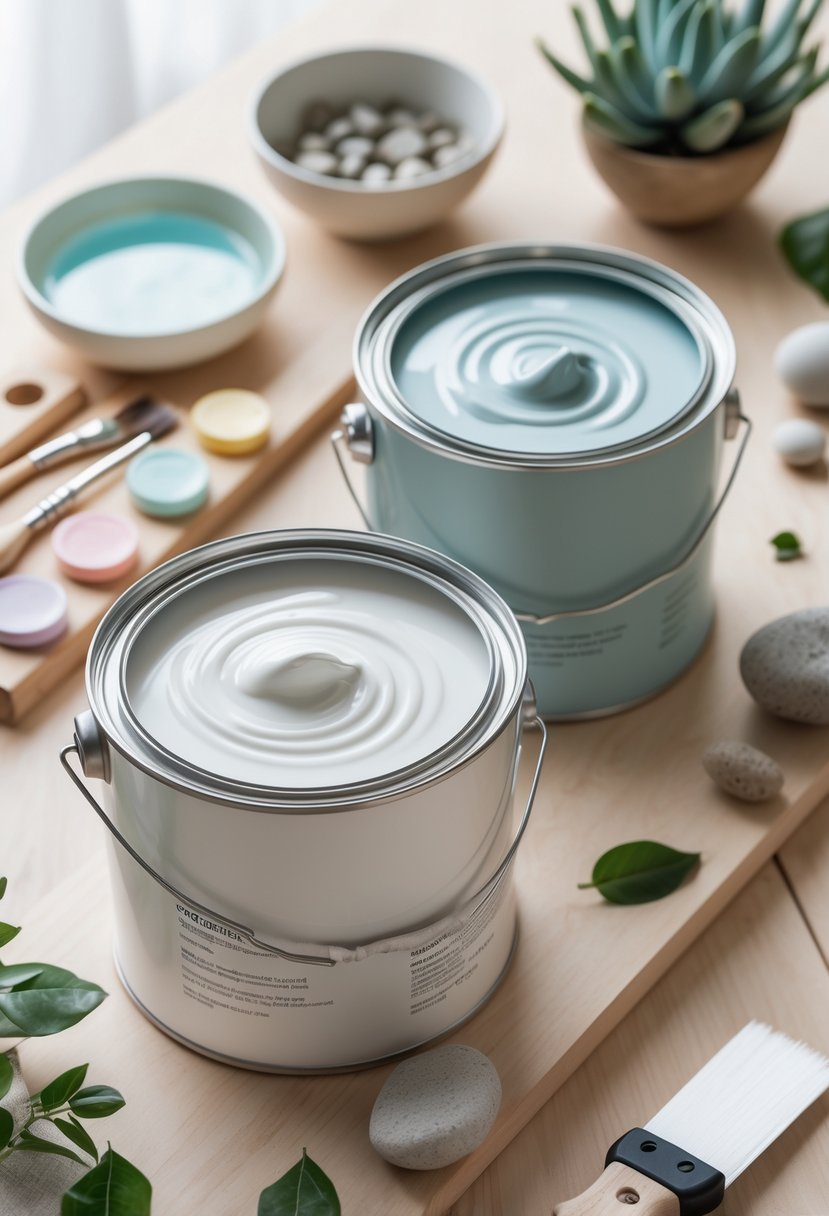
Paint consists of four fundamental components, each serving a distinct purpose in ensuring the product performs well in its intended environment. The balance and type of these ingredients shape the paint’s durability, appearance, and suitability for either interior or exterior use.
Pigments and Their Importance
Pigments give paint its color and opacity. They are finely ground solids derived from natural minerals, plant materials, or synthetic sources. Their quality affects coverage and vibrancy, determining how well paint conceals the underlying surface.
In both interior and exterior paints, pigments must provide consistent, lasting color. Exterior pigments often need to resist fading caused by ultraviolet (UV) exposure from sunlight. This resistance is critical because sunlight is much harsher outdoors.
Furthermore, pigments affect the paint’s ability to cover imperfections. Higher pigment concentration generally means better hiding power, which is especially important in exterior paints to protect surfaces from exposure and discoloration.
Binders and Resins: Rigid vs Flexible
Binders, also known as resins, hold pigment particles together and help the paint adhere to surfaces. Their flexibility or rigidity corresponds directly to the paint’s durability and intended location of use.
Exterior paints use flexible resins that allow the paint to expand and contract with temperature changes. This prevents cracking and peeling due to weather fluctuations. Flexible binders enhance resistance to moisture and UV damage.
Interior paints typically rely on rigid resins. These create a harder, more durable surface that resists impacts like scuffs and scratches common indoors. Rigid resins also support easy cleaning without degrading the paint finish.
This difference in binder flexibility is a key factor why interior paint applied outdoors fails prematurely, and exterior paint used indoors can result in poor finish quality.
Solvents in Paint Formulations
Solvents dissolve the solid components in paint, creating a liquid that can be spread evenly. Once applied, solvents evaporate, allowing the paint to dry and form a solid film.
Water is the primary solvent in most modern latex and acrylic paints used for both interiors and exteriors due to its lower toxicity and faster drying times. In older formulations or some specialty exterior paints, solvents like turpentine or mineral spirits are used.
The choice of solvent impacts odor, drying time, and environmental effects. Exterior paints often have higher volatile organic compounds (VOCs) in solvents to ensure stronger adhesion and resistance to outdoor conditions but may be regulated due to health concerns.
Additives and Enhanced Performance
Additives improve various aspects of paint performance beyond color and adhesion. Exterior paints include fungicides and mildewcides to prevent mold growth in damp, shaded environments.
Other additives enhance fade resistance, helping pigments maintain color intensity under harsh sunlight. Thickeners control viscosity, allowing paint to adhere better on rough exterior surfaces.
Interior paints tend to have additives that improve scrub resistance and reduce scuff marks. They usually contain lower levels of VOCs and rarely include fungicides because indoor environments are less prone to mildew.
Together, these additives tailor the paint’s behavior to meet specific environmental challenges, making products safe and effective for their intended use.
Performance Features and Durability Factors
Paint performs differently depending on its intended environment. Key factors include how well it resists washing and stains indoors, its ability to withstand outdoor weather conditions, and the finish options that affect both appearance and functionality.
Washability and Stain Resistance
Interior paint is engineered for easy cleaning and durability against stains. It often includes tougher resins that allow for scrubbing without damaging the finish, making it suitable for high-traffic areas like kitchens and hallways. The level of washability depends on the finish: semi-gloss and satin finishes offer better resistance to dirt and stains than matte paints.
Stain resistance is critical indoors, especially in homes with children or pets. Many interior paints incorporate components that repel common household stains and facilitate their removal. However, over time, repeated cleaning may dull the paint, so formulations balance durability with aesthetic longevity.
Exterior paints generally have less emphasis on washability but must still resist dirt accumulation and environmental pollutants. Their thick, resilient coatings can be hosed down to remove surface grime without damage.
Weather Resistance and Mold Protection
Exterior paints are designed to endure harsh climates. They contain additives that protect against UV radiation, preventing fading and cracking. These paints also resist moisture penetration and thermal expansion, which preserves adhesion to surfaces like wood, brick, and stucco.
A key feature in exterior formulations is the inclusion of fungicides and mildewcides. These chemicals inhibit mold, mildew, and algae growth on surfaces exposed to humidity and rain. Mold resistance extends both the paint’s lifespan and the integrity of the substrate, reducing maintenance needs over time.
Interior paints generally do not include strong mold inhibitors but can contain mild fungicides for areas with moderate humidity, such as bathrooms. However, their primary mold protection comes from proper ventilation and moisture control rather than paint formulation alone.
Finish Options and Aesthetics
Interior paint offers a broad spectrum of finishes tailored to room function and style preferences. Options range from flat and matte to eggshell, satin, semi-gloss, and high-gloss. Matte finishes hide surface imperfections but are less durable for cleaning. Semi-gloss and satin finishes balance appearance with resistance to scuffing and moisture, making them popular choices in living spaces.
Exterior paint typically comes in flat, satin, and semi-gloss varieties. While durability remains the focus, finishes also contribute to curb appeal. Flat exterior paint minimizes surface blemishes on rough textures, while satin and semi-gloss finishes highlight architectural details. The choice of finish can impact the paint’s ability to repel water and resist dirt accumulation.
Both interior and exterior paints rely on finish properties not only for look but also for practical performance aspects like durability and ease of maintenance.
Health, Safety, and Environmental Considerations
Choosing the correct paint involves understanding its impact on indoor air quality, potential health risks, and environmental safety. Different formulations influence how paints release chemicals and affect people’s well-being during and after application.
Volatile Organic Compounds (VOCs)
VOCs are chemicals that evaporate into the air as paint dries and can affect health. Interior paints typically contain low or zero VOC levels to reduce harmful emissions indoors. This minimizes risks like headaches, respiratory irritation, and long-term exposure to toxins.
Exterior paints, in contrast, often have higher VOC content. They require stronger binders and additives to withstand weather, which leads to increased off-gassing. Using exterior paint indoors can significantly raise VOC concentrations in living spaces.
Many manufacturers now offer environmentally friendly interior paints with very low VOCs, aligning with health guidelines and certifications. Selecting these products helps maintain better air quality and protects occupants’ health during painting and afterward.
Odor, Emissions, and Air Quality
Interior paints are formulated to produce minimal odor and reduced emissions, making them safer for enclosed environments. Their composition supports better indoor air quality by limiting irritants, which is particularly important in homes with children, elderly, or those with respiratory conditions.
Exterior paints are tougher, designed for outdoor durability, but often emit strong odors and harmful chemicals unsuitable for confined spaces. Using them inside can lead to poor ventilation issues and increased exposure to harmful fumes.
Ventilation during and after painting indoors is crucial. Using low-VOC or zero-VOC interior paints reduces the need for extensive air exchanges, but proper airflow remains important to prevent lingering odors and improve air quality.
Safe Usage Recommendations
Avoid using exterior paint indoors to reduce exposure to high VOC levels and chemical off-gassing. Interior paints should be chosen based on certifications for low or zero VOCs.
Ensure adequate ventilation when painting inside, regardless of paint type, by opening windows and using fans.
Dispose of leftover paint and containers following local regulations to prevent environmental contamination.
For exterior applications, select paints resistant to mildew and weathering, and follow guidelines to protect both health and environment.
Using the right paint type in the right location supports durability while minimizing health risks and environmental impacts.
Types of Paints and Leading Brands
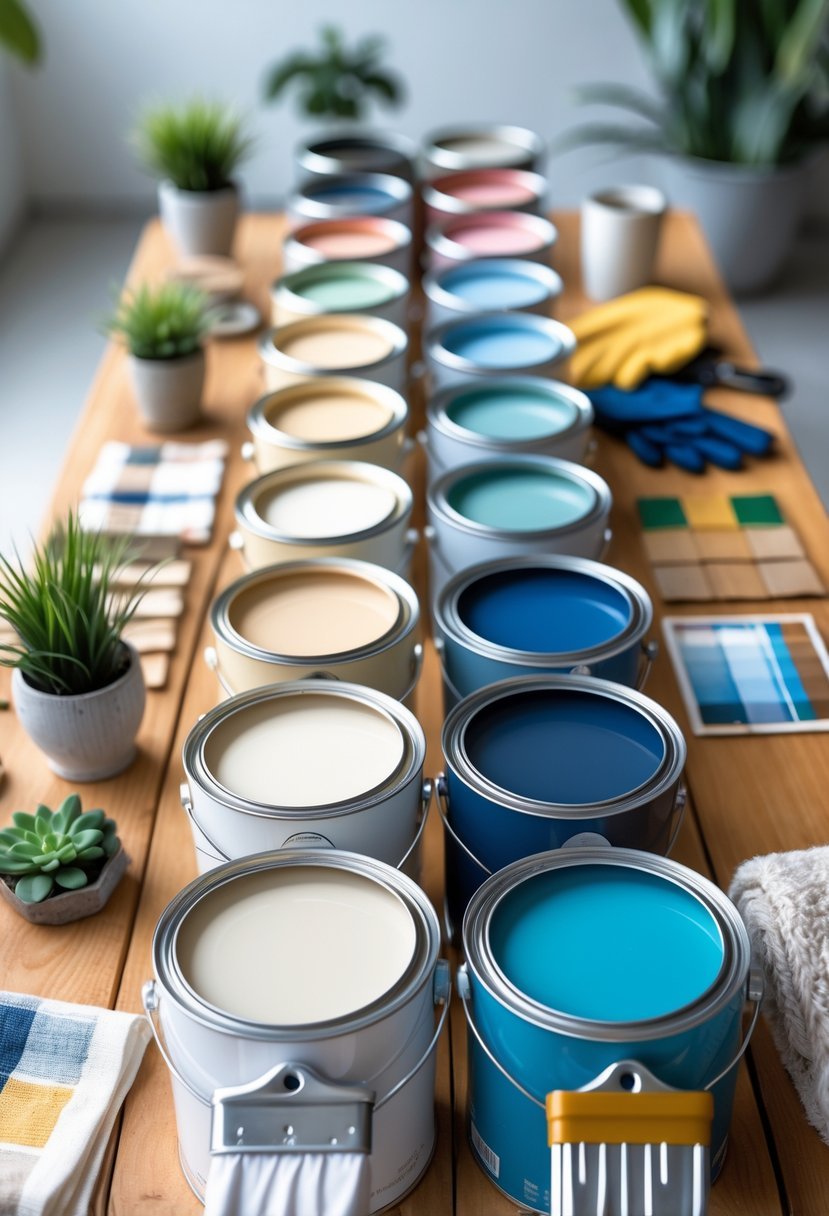
Different paint types have distinct chemical compositions, drying times, and durability that affect where and how they should be used. Selecting the right paint and trusted brand is essential to ensure longevity and the desired finish for any interior or exterior project.
Oil-Based vs Water-Based Paints
Oil-based paints are known for their strong adhesion, durability, and smooth finish. They are typically preferred for exterior surfaces because they resist cracking and peeling under harsh weather conditions. However, oil-based paints have longer drying times and emit higher levels of volatile organic compounds (VOCs), which can impact indoor air quality.
Water-based paints, often referred to as latex paints, dry faster and have lower VOC levels, making them suitable for most interior applications. They are easier to clean up with soap and water. While water-based paints offer great flexibility and resistance to fading indoors, they may require more frequent maintenance for some exterior surfaces. Acrylic variants of water-based paints provide enhanced durability for exteriors as well.
Notable Brands: Sherwin-Williams and Benjamin Moore
Sherwin-Williams and Benjamin Moore are two of the most reputable paint brands widely used by professionals and homeowners alike. Sherwin-Williams offers a broad portfolio of paints designed for specific applications, including exterior latex paints with advanced UV protection and interior options with low VOC content.
Benjamin Moore is highly regarded for its premium interior paints that combine rich pigmentation with excellent washability and stain resistance. Their exterior paints, such as the Aura line, provide outstanding weather resistance and color retention.
Both brands prioritize innovative formulations, offering products that address different surface materials while balancing durability, coverage, and environmental standards.
Choosing Quality for Your Project
Choosing quality paint depends on the intended surface, environmental exposure, and maintenance expectations. For high-traffic interior areas, durable, washable paints with harder resins are best. For exteriors, paints with flexible binders and added mildew resistance provide longer-lasting protection.
Investing in established brands ensures consistent color matching, superior coverage, and technical support. Additionally, primers suited to specific substrates improve adhesion and uniformity.
Cost and environmental regulations may influence the choice between oil-based and water-based options, but prioritizing paint formulated to withstand the intended conditions leads to better results and fewer repainting cycles.