How to Take Spray Paint Off a Car: Safe and Effective Removal
Spray paint on a car can be troubling, but it can be removed effectively without damaging the original paint if the right methods are used. The safest approach is to start with gentle cleaning and solvents, gradually moving to more aggressive techniques only if necessary. Using products like isopropyl alcohol, non-acetone nail polish remover, or clay bars, combined with careful application, can typically remove spray paint while preserving the car’s clear coat.
It’s important to avoid harsh scrubbing or overly aggressive chemicals initially, as these can harm the vehicle’s finish. Pressure washers and polishing compounds can be used for tough cases but should be handled with care to prevent clear coat damage. Testing any solvent on a hidden area first helps prevent unexpected discoloration or surface issues.
This guide offers clear steps and options, balancing efficiency with the need to protect the car’s paintwork. Understanding the tools and processes involved can help anyone tackle spray paint removal confidently and safely.
Understanding Spray Paint on Cars
Spray paint interacts with car surfaces in ways that influence the choice of removal methods. Its composition and the way it bonds with the clear coat or paint layers determine how challenging it is to remove without causing damage. Additionally, certain risks come with lingering spray paint residue if left untreated.
How Spray Paint Adheres to Car Surfaces
Spray paint consists of pigments suspended in solvents that evaporate once applied, leaving a solid, durable film. When sprayed on a car, this film bonds primarily to the clear coat—the protective layer over the car’s original paint. The adhesion strength depends on factors like the vehicle’s surface texture and the type of spray paint used.
This bond can range from a superficial layer on top of the clear coat to deeper penetration that affects the paint underneath. A stronger bond means more aggressive removal techniques may be required, increasing the risk of damage to the original finish. Understanding this adhesion is critical for selecting safe and effective removal methods.
Types of Spray Paint and Their Impact
Spray paints vary widely in formula, with common types including enamel, acrylic, and lacquer-based paints. Enamel spray paint creates a hard, glossy finish that adheres strongly to surfaces and may be more difficult to remove. Acrylic paints dry faster, often resulting in a thinner film that can be gently lifted.
Lacquer sprays typically dry quickly but can be more brittle, sometimes crackling or flaking when exposed to weaker solvents. Each paint type reacts differently to removal agents. For instance, chemical removers that work on acrylic paint might damage enamel finishes. Identifying the spray paint type helps determine the least aggressive but effective removal approach.
Potential Risks of Spray Paint Residue
Left on a car, spray paint residue can cause several issues beyond cosmetic damage. It may dull or scratch the clear coat, compromising the protective barrier against UV rays and environmental contaminants. Over time, untreated spray paint can lead to corrosion, especially if moisture gets trapped beneath.
Residue can also alter surface texture, creating bumps and rough patches that affect the vehicle’s aesthetic and complicate cleaning efforts. Additionally, improper or delayed removal can increase the risk of peeling, flaking, or more extensive paint damage. Prompt and informed action reduces these risks and protects the vehicle’s finish.
Preparation and Safety Precautions
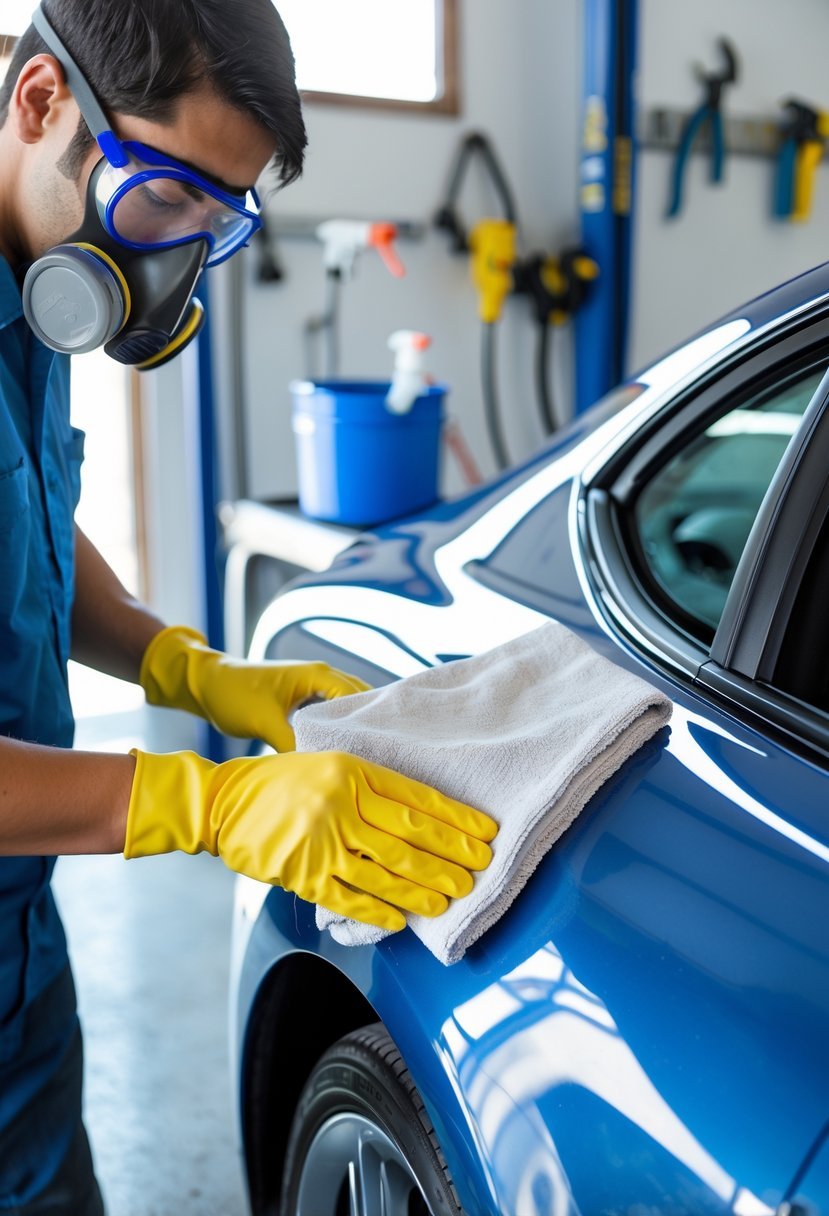
Proper preparation ensures an efficient and safe spray paint removal process. Gathering the right tools and materials, wearing appropriate protective gear, and testing removal methods on a small area help prevent damage to the original car paint and ensure the task proceeds smoothly.
Essential Tools and Materials
Removing spray paint requires specific tools to protect the car’s finish and make the process effective. Key supplies include:
- Chemical removers like acetone or mineral spirits for tougher paint.
- Mild cleaners such as dish soap mixed with warm water for initial washing.
- Baking soda paste made by mixing baking soda and water as a gentle abrasive.
- Clay bar kits with lubricant to remove light surface contaminants.
- Soft microfiber cloths and old rags for application and cleanup.
Having these on hand before beginning allows for a structured approach. Proper cleaning tools prevent scratches while chemical agents handle stubborn paint. Preparing all materials upfront supports detailed, careful work during car detailing and spray paint removal.
Safety Gear and Work Environment
Protection is essential when working with chemical solvents and abrasive materials. At a minimum, one should use:
- Chemical-resistant gloves to protect skin from irritants.
- Safety goggles to avoid eye exposure to splashes or dust.
- A respirator or mask especially if working with solvents indoors.
- Long-sleeve clothing to reduce skin contact.
Choosing a well-ventilated work area is critical. Outdoors or in a garage with open doors and windows ensures proper airflow, reducing the risks from harmful vapors. Additionally, using fans can help circulate air if ventilation is limited. Adequate lighting is necessary to spot areas needing attention without missing subtle damage.
Testing Removal Methods on Car Paint
Before applying any removal product extensively, it is important to test it on an inconspicuous spot. This step confirms the method will not harm the clear coat or underlying paint. The process should involve:
- Selecting a small hidden area like inside a door frame.
- Applying the chosen remover or cleaning paste gently.
- Waiting a few minutes to observe any changes or damage.
- Inspecting for discoloration, dullness, or texture alteration.
Testing prevents widespread damage and informs whether a gentler or more aggressive approach is necessary. This practice helps preserve the vehicle’s original finish during spray paint removal and guides safe, effective detailing efforts.
Effective Methods to Remove Spray Paint
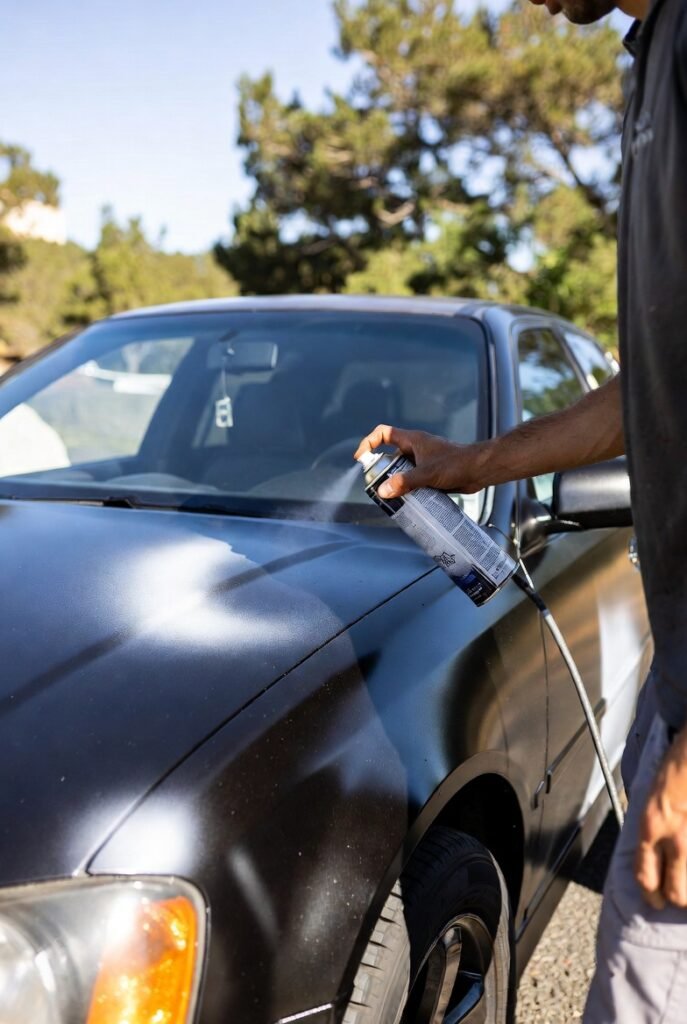
Removing spray paint from a car requires careful selection of techniques that protect the original finish. Some methods focus on gentle abrasion, while others use chemical solutions formulated to dissolve unwanted paint without causing damage.
Using Rubbing Compound
Rubbing compound works by lightly abrading the surface, effectively removing spray paint along with a thin layer of the clear coat. It is best suited for thicker or more stubborn paint layers but requires caution to avoid excessive wear on the car’s finish.
To use, apply a small amount of rubbing compound to a clean, soft cloth and rub the affected area in circular motions. The process may take several passes to remove the spray paint fully. It is important to avoid heavy pressure which can damage the clear coat or underlying paint.
After the spray paint is removed, washing the area and applying a polish or wax helps restore shine and protects the exposed paint. This method is effective but may not be suitable for very delicate paint finishes or light overspray.
Clay Bar Application
A clay bar is a gentle, effective tool for lifting surface contaminants including spray paint from a car’s clear coat. It works best on fresh or light spray paint without aggressive scrubbing.
Before using, lubricate the surface with a dedicated clay lubricant or a quick detailer spray to prevent scratching. Glide the clay bar over the spray paint area with even pressure and smooth strokes. The clay bar picks up paint particles and other bonded contaminants steadily.
The clay bar method preserves the original paint, avoiding abrasion, making it safe for most finishes. After treatment, wiping the surface clean and applying a protective wax or sealant is recommended to maintain the car’s gloss.
WD-40 and Commercial Spray Paint Removers
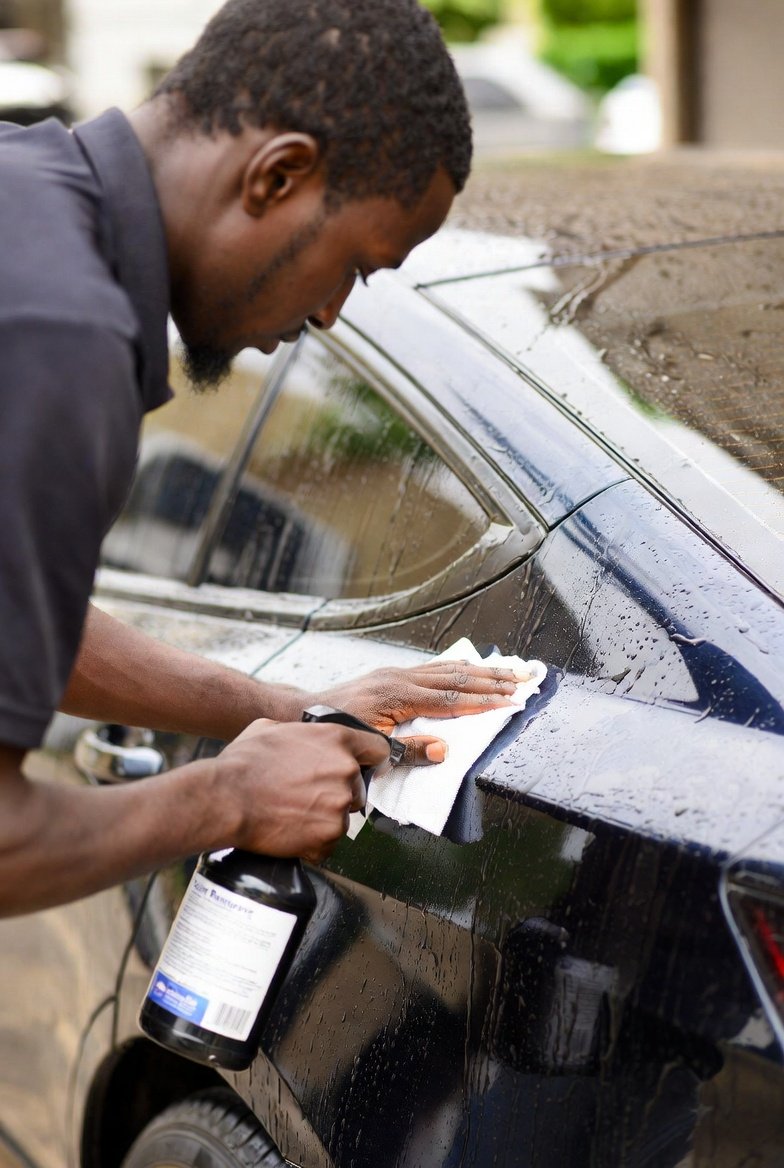
WD-40 is a common household solvent that softens spray paint, making it easier to wipe away. It leaves an oily residue that requires thorough cleaning afterward. Spray WD-40 directly on the affected area and allow it to sit for 1–2 minutes before gently rubbing with a microfiber cloth.
Commercial spray paint removers or automotive-specific tar and bug removers are designed to dissolve paint without harming the vehicle’s finish. These products should be applied according to the manufacturer’s instructions, usually sprayed on and wiped off after a short dwell time.
Both WD-40 and commercial removers are useful for larger spray paint sections or when the paint is not deeply bonded. However, testing on a hidden spot first is critical to avoid any finish damage.
Isopropyl Alcohol and Acetone
Isopropyl alcohol (IPA) diluted with water can break down spray paint bonds while being mild enough to protect the car’s clear coat. A 1:1 IPA-to-water mixture is applied using a microfiber cloth, gently rubbed on the affected area to lift the spray paint.
Acetone is stronger and more effective on stubborn paint but carries a higher risk of damaging the original finish. It should be tested on a concealed area before use. If safe, apply acetone briefly (10–15 seconds), then wipe off immediately to minimize contact time.
Both solvents require care and prompt cleaning of the car’s surface afterward. Using IPA or acetone is recommended for small, recent spray paint marks rather than widespread coverage due to their potency.
Finishing Touches and Detailing Steps
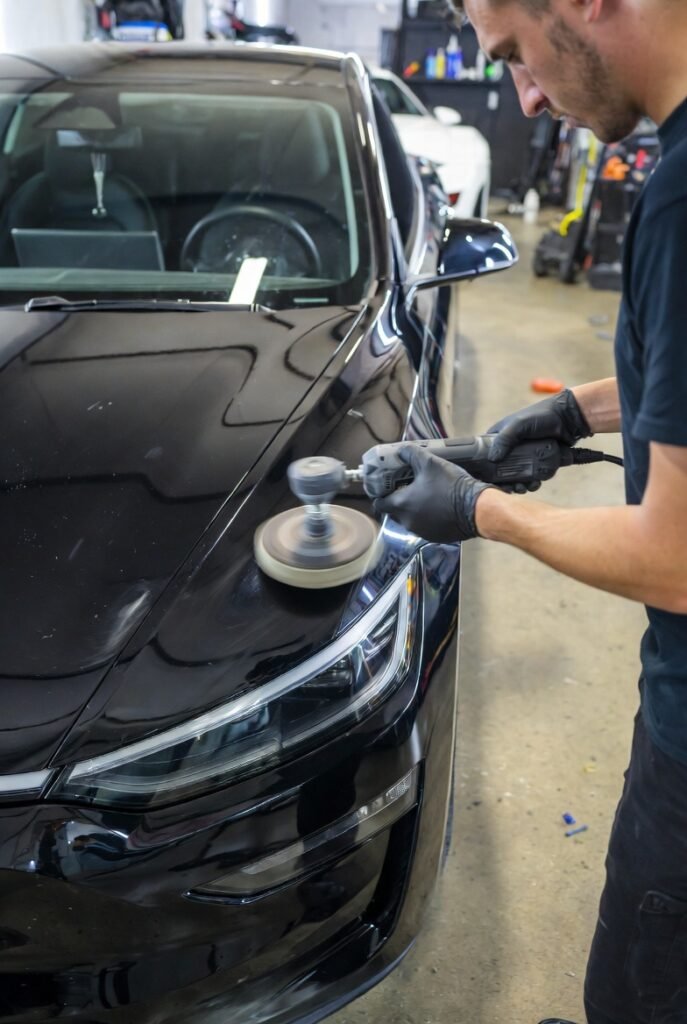
After removing spray paint, attention to detail is critical to fully restore the car’s appearance. Proper cleaning, polishing, and inspection ensure no damage or residue remains, preserving the vehicle’s finish and shine.
Polishing and Restoring Shine
Polishing immediately after paint removal helps restore the car’s clear coat and overall gloss. A high-quality car polish or rubbing compound designed for automotive finishes can be applied with a soft foam applicator or a dual-action polisher.
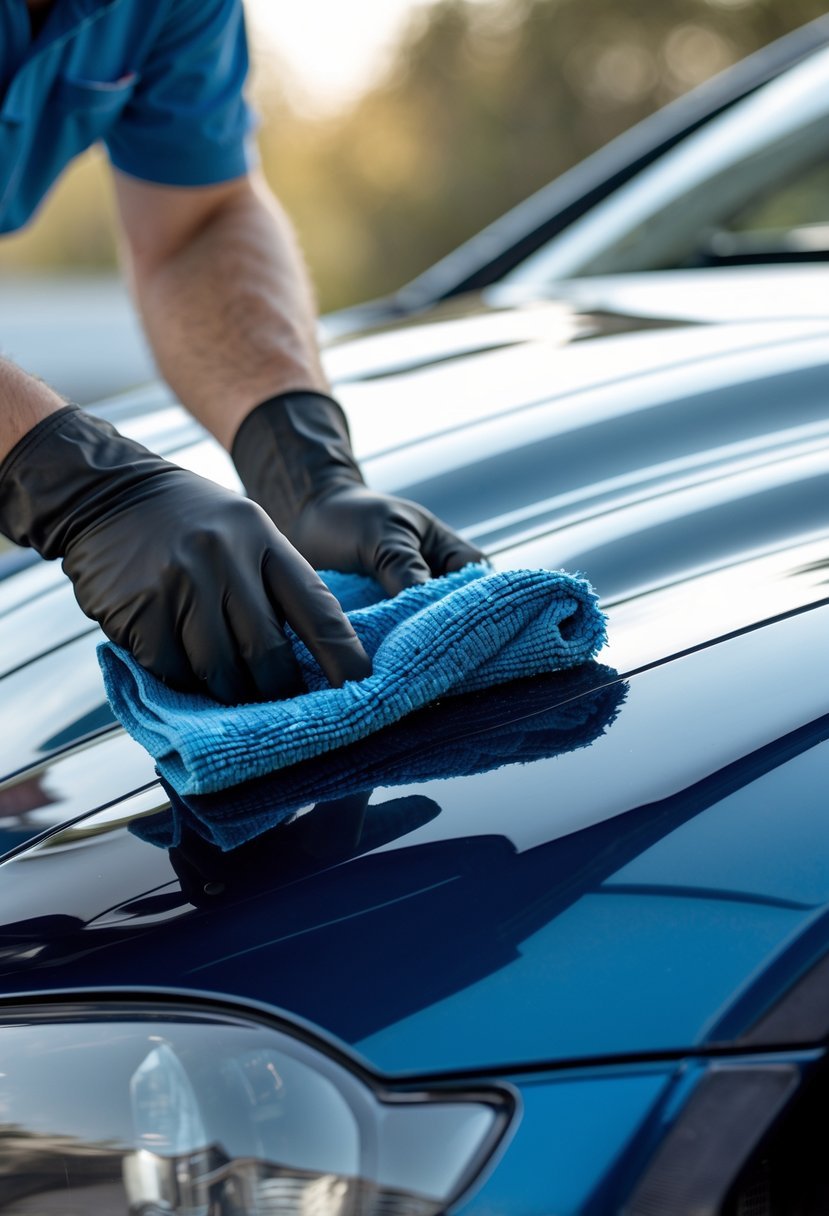
Use small, circular motions with moderate pressure to evenly distribute the product. This step smooths out minor scratches or dull spots caused by the removal process. After polishing, buff the surface with a clean microfiber cloth to bring out a deep shine.
Applying a layer of wax, preferably carnauba wax, protects the paint and enhances the finish further. It seals the clear coat and creates a barrier against dirt and UV damage.
Cleaning Residues
Residual chemicals or clay particles from paint removal methods must be thoroughly cleaned. A gentle, soap-based automotive shampoo with warm water is effective.
Rinse the car well to eliminate all residues. Use microfiber towels to avoid scratching. For stubborn spots, a dedicated panel wipe or isopropyl alcohol on a soft cloth can remove leftover oils or debris.
Proper residue cleanup prevents streaks, water spots, or chemical damage to the clear coat. This ensures the surface remains smooth and ready for waxing or polishing.
Inspecting for Remaining Paint Marks
Once the car is clean and dry, a detailed visual inspection is essential. Examine the surface under good lighting, ideally daylight or a bright LED source.
Look closely for faint overspray, paint specks, or discoloration. Use a magnifying glass if necessary. Any remaining paint can be gently treated again with clay or polishing.
If marks persist in tricky areas like crevices or edges, targeted spot treatments with gentle solvents or detailing clay are recommended. Addressing these early prevents permanent staining or clear coat damage.
This inspection step completes the detailing process and ensures the car appears uniform and well-maintained.
Preventing Future Spray Paint Damage
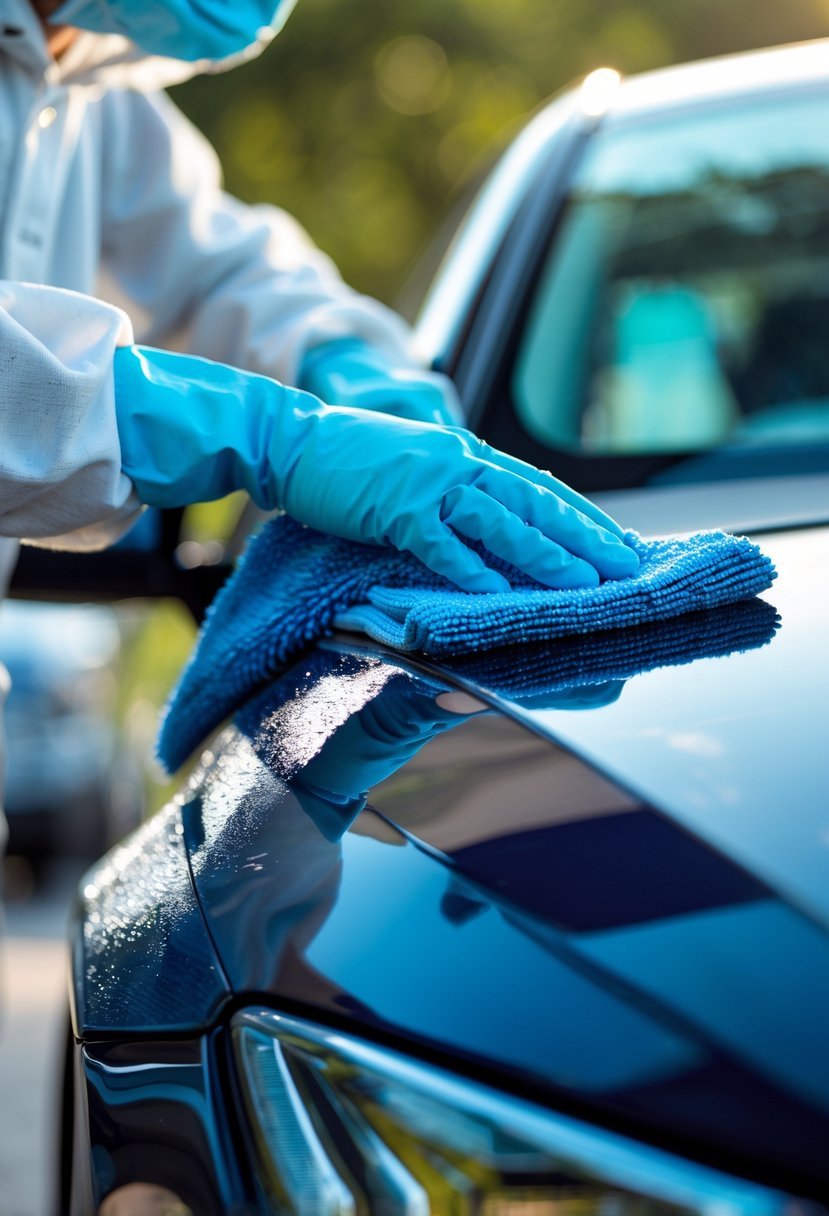
Taking steps to protect a car from spray paint starts with thoughtful parking and protective coverings, combined with durable surface treatments. Regular maintenance supports these efforts by keeping the vehicle’s finish resilient and easier to clean.
Protective Parking and Covering
Parking plays a vital role in reducing the risk of spray paint damage. Choosing well-lit, frequently trafficked areas can deter vandalism by increasing visibility. Whenever possible, parking inside a locked garage offers the best protection.
For outdoor parking, using a high-quality car cover creates a physical barrier against paint splatters. Covers made of thick, water-resistant materials provide defense against moisture and environmental contaminants as well. Secure the cover tightly to prevent wind from exposing the vehicle.
Regularly inspecting the parking area for suspicious activity and avoiding isolated locations decreases the chances of spray paint vandalism. These precautions reduce the likelihood of needing paint removal later.
Applying Ceramic Coating
Ceramic coating forms a protective layer on the car’s paint, making it more resistant to contaminants, including spray paint. The coating bonds chemically with the vehicle’s surface, providing durable defense without altering the appearance.
This treatment creates a hydrophobic effect, causing liquids and paint overspray to bead up and wash away more easily. It also improves scratch resistance and UV protection, preserving the clear coat.
A professional ceramic coating application ensures proper surface preparation and even coverage. Maintenance involves gentle washing and avoiding harsh chemicals, which helps sustain the coating’s benefits over time.
Routine Car Maintenance Tips
Maintaining a car’s finish regularly reduces vulnerability to spray paint and other damage. Frequent washing removes dirt and pollutants that can degrade the paint, especially after exposure to contaminants.
Use pH-neutral car shampoos and soft microfiber cloths to avoid scratching. After washing, applying wax or sealants restores protective layers and adds shine.
Inspections for chips, scratches, or early signs of damage allow for prompt repairs, preventing further deterioration. Professional detailing every few months can reinforce protection and keep the surface smooth, making paint removal less likely to cause harm if needed.
Consistent upkeep supports long-term paint durability and reduces the effort required to manage unwanted spray paint incidents.