How to Get Paint Out of Hair: Complete Step-by-Step Solutions
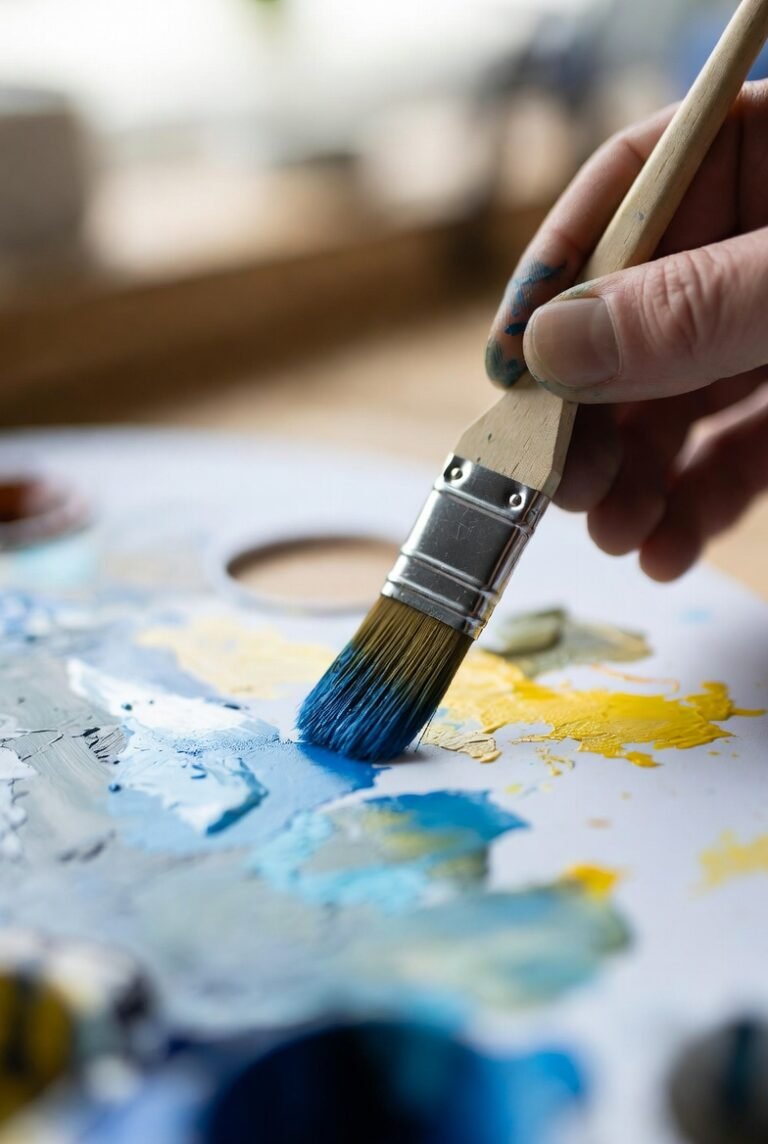
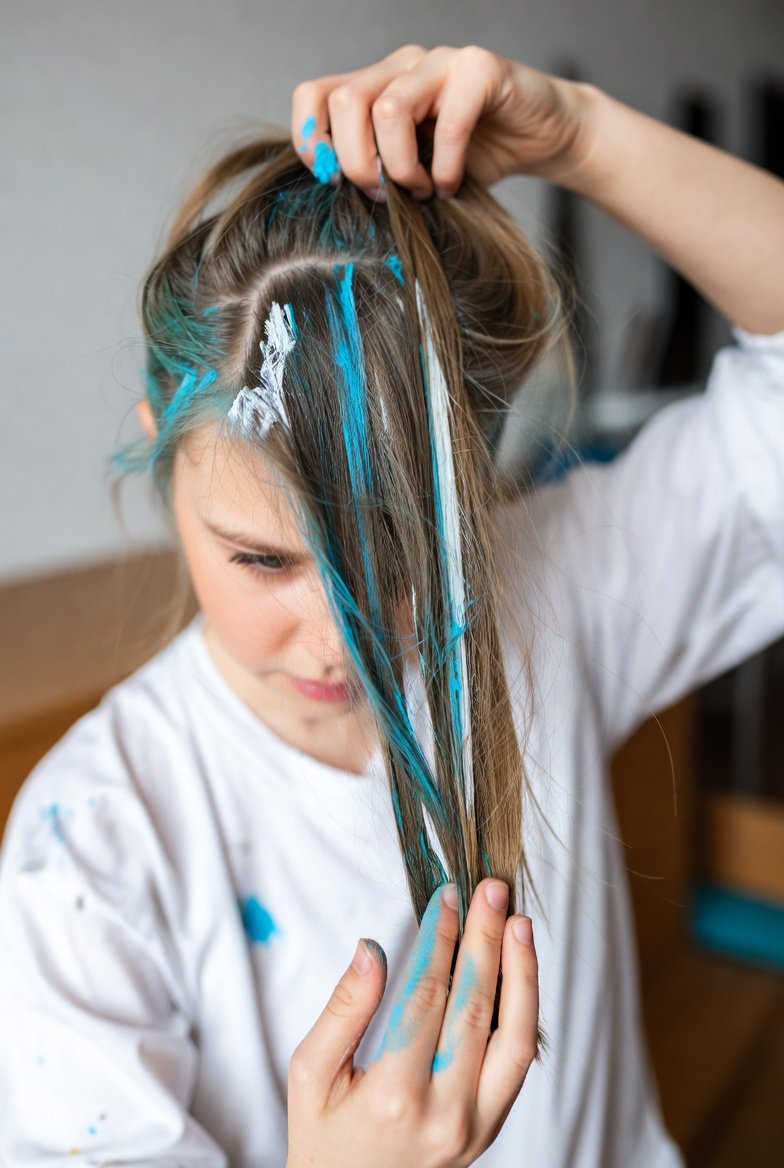
Getting paint in hair is a common mishap during DIY projects or creative activities, but it doesn’t have to lead to drastic measures. The best way to remove paint depends on whether it’s water-based or oil-based, with warm water and conditioner working well for water-based paints, while oil-based paints require oil treatments like baby or mineral oil before washing. Knowing the type of paint and acting quickly improves the chances of effective removal without damaging the hair.
When paint is fresh and wet, gentle blotting to remove excess followed by targeted treatment can prevent it from setting into the hair shaft. For dried paint, softening it with oils or conditioners before combing is key to avoiding breakage. This practical approach reduces frustration and helps maintain hair health even after a messy accident.
Identifying the Type of Paint in Hair
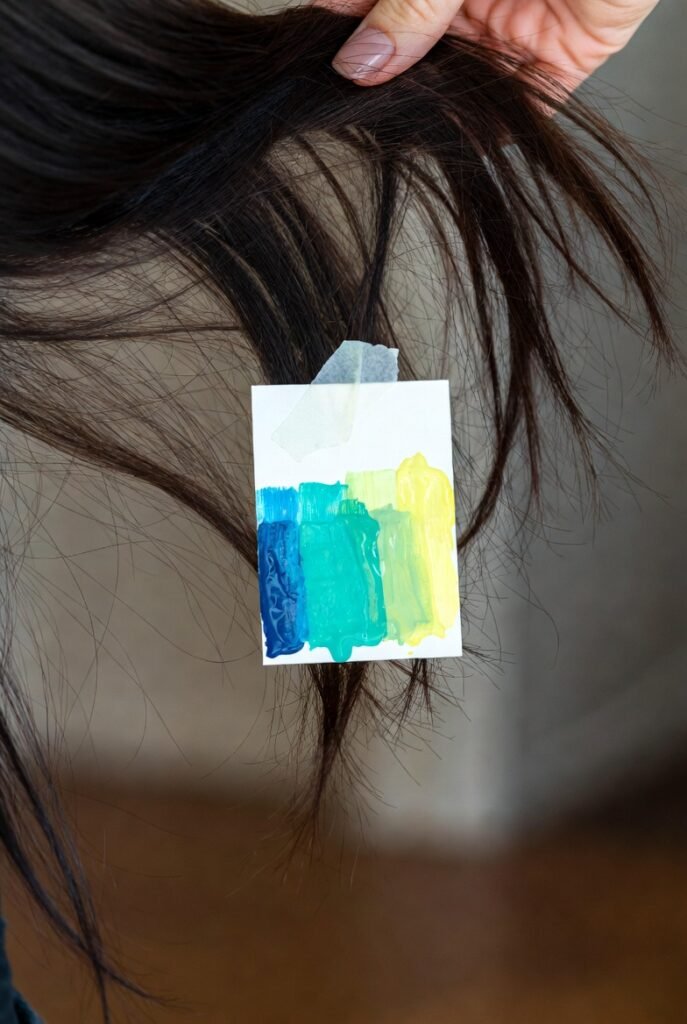
Knowing the kind of paint in hair is essential for selecting the best removal method. Different paints have unique properties that affect how they bind to hair and respond to cleaning agents.
Water-Based Paint vs Oil-Based Paint
Water-based paints, commonly including acrylics and latex, are easier to remove from hair. They dissolve in water or mild detergents, allowing for removal with products like clarifying shampoo or dish soap. These paints dry relatively quickly and can be softened again with warm water before washing.
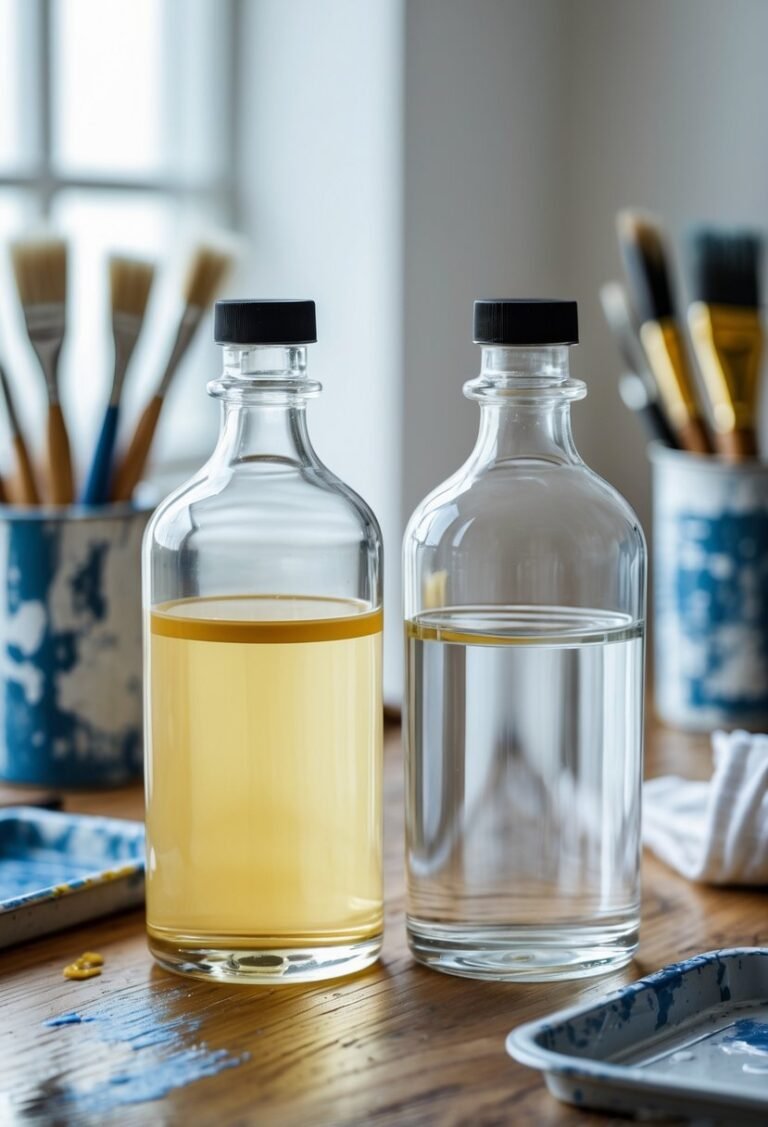
Oil-based paints, on the other hand, are more stubborn and adhere strongly to strands. They require oil-based solvents or treatments such as baby oil, mineral oil, or olive oil to soften and break down the paint. Cleaning oil-based paint involves a longer process to avoid damaging hair, often requiring repeated applications and careful conditioning afterward.
Acrylic Paint Characteristics
Acrylic paint is a type of water-based paint but is notable for its fast drying time and water resistance once dried. It can harden quickly, making removal from hair more challenging if not addressed immediately. When fresh, acrylic paint can be rinsed out with water and shampoo.
Once dried, it forms a plastic-like film that clings to hair strands. Loosening dry acrylic paint usually requires gentle mechanical action combined with clarifying shampoos or home remedies like apple cider vinegar to break down paint particles without harsh chemicals.
Why Paint Type Matters for Removal
The type of paint determines which cleaning agents and techniques are safe and effective. Using harsh solvents on water-based paint can unnecessarily damage hair, while mild shampoos may not remove oil-based paint.
Water-based paints respond well to detergents that break down pigments and resins without harming hair structure. Oil-based paints need oils or solvents to dissolve the paint layers first. Identifying paint type ensures the chosen method effectively softens the paint for removal without causing excessive dryness or breakage.
Immediate Steps to Take When Paint Gets in Hair
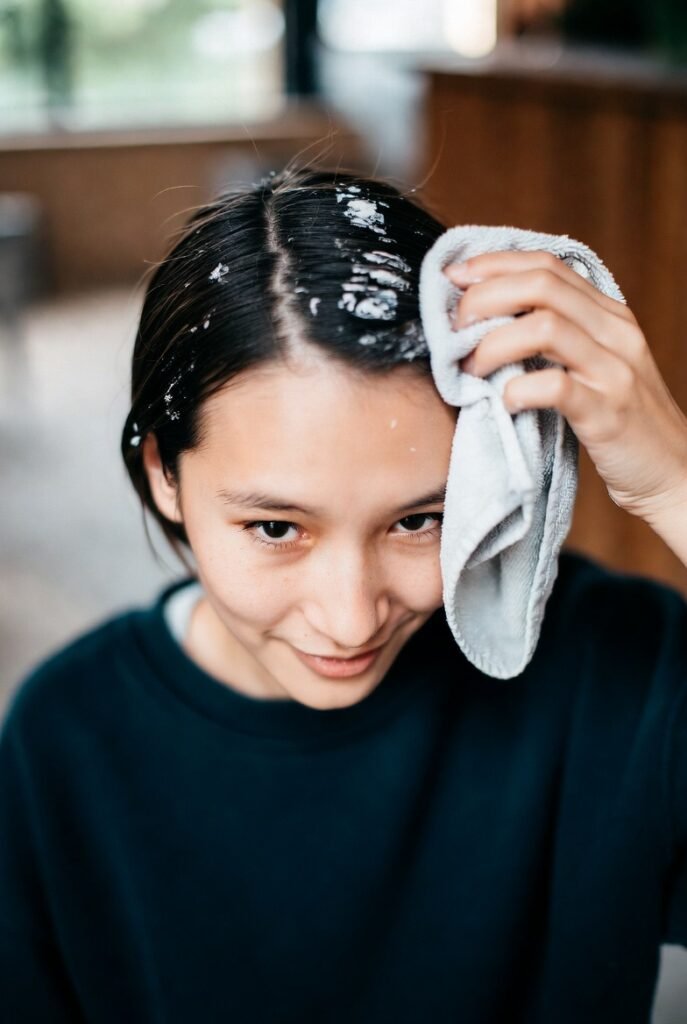
Removing paint from hair safely starts with fast and careful actions. Taking these measures right away increases the chances of eliminating the paint without causing damage to the hair or scalp. The focus should be on preventing the paint from drying, minimizing spread, and protecting hair integrity.
Acting Quickly Before Paint Dries
Time is critical when paint gets in hair. Wet paint is easier to remove than dry because it hasn’t bonded firmly to the hair shaft. Ideally, removal efforts should begin within the first 10–20 minutes.
He or she should avoid waiting, as dried paint becomes brittle and more difficult to remove without harsh treatments. For water-based paints like latex or acrylic, immediate rinsing and conditioning can dissolve the paint effectively. Oil-based paints require oil-based solvents, but acting quickly still improves outcomes.
Prompt action prevents the paint from setting and reduces the risk of hair damage during removal.
Initial Rinsing and Blotting
At first contact, using warm water between 95-105°F to dampen the hair helps soften the paint. Running the affected hair section under water loosens the paint particles without spreading them to unaffected areas.
Instead of rubbing, gently blotting excess paint with a clean cloth or paper towel absorbs surface paint. This blotting should be done carefully, moving from the outside inward to avoid pushing paint deeper into hair strands.
Repeated gentle rinsing combined with controlled blotting limits paint spread and preserves the hair’s texture.
Protecting the Scalp and Hair Structure
After controlling the paint’s spread, maintaining hair and scalp health is essential. Using oils like olive or baby oil can soften the paint without stripping natural oils from the hair. These oils help break down paint formulas gently.
He or she should avoid harsh chemicals such as paint thinners or alcohol-based products that can cause scalp irritation and hair dryness. When combing, a wide-tooth comb reduces mechanical stress, minimizing breakage.
Applying conditioner after paint removal locks in moisture, keeping hair hydrated and resilient.
Effective Methods for Removing Paint from Hair
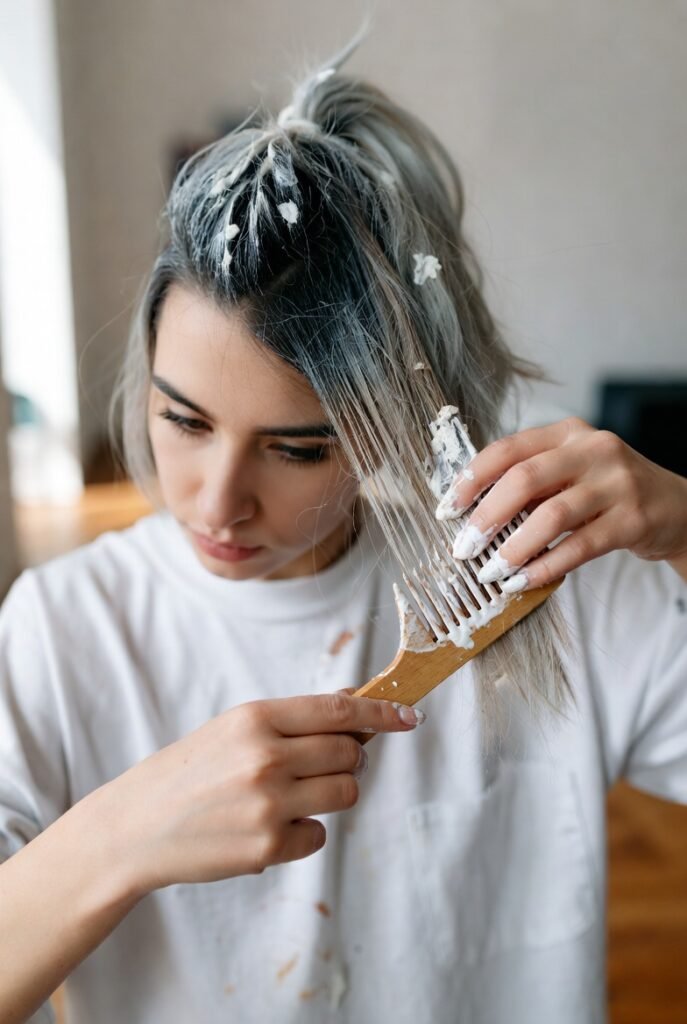
When paint gets on hair, the removal technique depends largely on the paint type. Different substances interact uniquely with hair fibers, so identifying whether the paint is water-based, oil-based, or acrylic guides the safest and most effective approach. Using appropriate treatments early improves the chances of complete removal and minimizes hair damage.
How to Remove Water-Based Paint Safely
Water-based paints like latex and acrylic respond well to immediate treatment with warm water and conditioning products. The first step is to rinse the hair thoroughly with warm water, ideally between 95°F and 105°F, to soften and loosen paint particles without drying out the hair.
Next, applying a generous amount of conditioner helps create a slippery surface that reduces friction during combing. Section the hair and gently comb from the ends upward with a fine-tooth comb to lift paint residues without causing breakage.
Repeating rinsing and conditioning cycles often removes stubborn paint spots. It is important to avoid harsh chemicals during this process to protect natural oils and maintain hair health.
How to Get Oil-Based Paint Out Without Damage
Oil-based paint requires a different approach due to its resistance to water. Oils such as baby oil or mineral oil work effectively by breaking down the paint’s oily binder. The oil should be massaged thoroughly into the affected areas for 20 to 30 minutes.
Following oil application, wrapping the hair with plastic wrap or a shower cap helps retain heat and improves oil penetration. Gently combing the hair in small sections using a fine-tooth comb allows the paint to loosen without excessive tension on the strands.
After combing, washing the hair with a clarifying shampoo removes remaining paint and oil. Multiple washing sessions may be necessary, always followed by conditioning to restore moisture.
Recommended Way to Remove Acrylic Paint
Acrylic paint, being water-based, is generally easier to remove, especially when treated quickly. Starting with a warm water rinse softens the dried paint, while applying conditioner lubricates the hair to reduce combing damage.
The hair should be divided into smaller sections to make combing more manageable. Using a fine-tooth comb, work from the tips up toward the roots in gentle strokes. This technique helps lift paint chips while minimizing tangles.
If paint persists, repeating conditioner application and rinsing is advised. Avoid hot water or aggressive scrubbing, as these can damage the hair cuticle and cause breakage.
Using Household Remedies Like Dish Soap and Olive Oil
Common household items can assist in removing paint, particularly when professional products are unavailable. Olive oil and baby oil safely dissolve paint residues, especially oil-based types, by penetrating and loosening the paint’s grip.
Dish soap, known for cutting grease, can be effective on oil-based paint but should be used cautiously to avoid scalp irritation and hair dryness. Mixing dish soap with warm water and applying it gently helps break down paint oils before rinsing.
Both olive oil and dish soap treatments should be followed by thorough washing with a mild shampoo and conditioning to maintain hair’s moisture balance. These remedies are practical first aids but may require repetition for complete paint removal.
Tools and Techniques for Safe Paint Removal
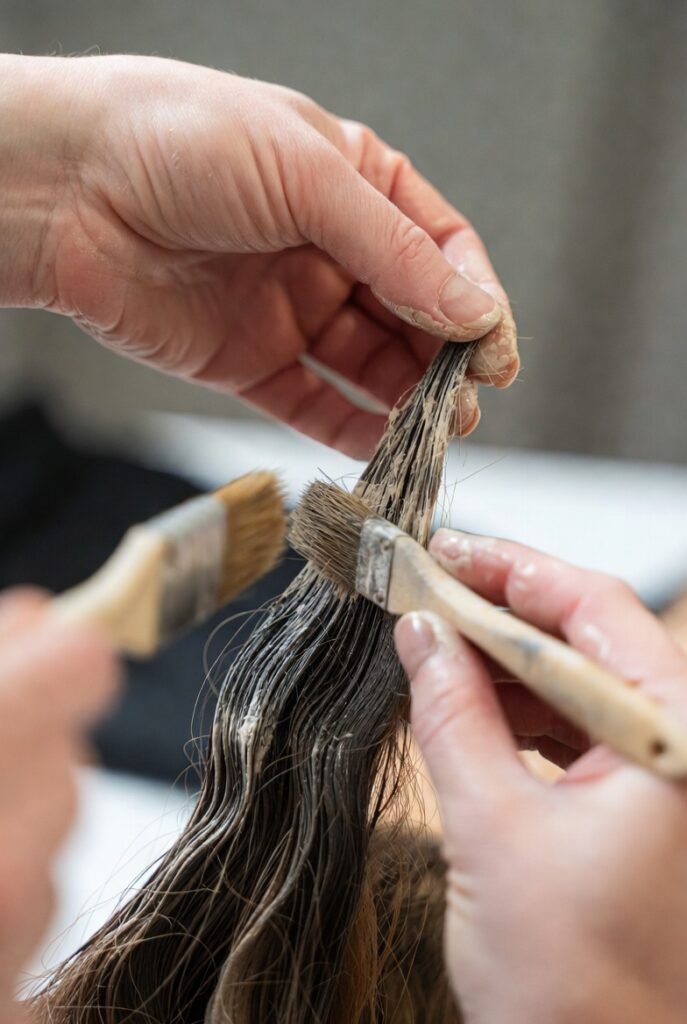
Effective removal of paint from hair involves a combination of careful tools and proven methods that minimize damage. Attention to detail during removal prevents breakage, irritation, and prolonged residue.
Using a Fine-Toothed Comb
A fine-toothed comb is crucial for gently lifting paint fragments from hair strands. Its narrow teeth allow precise work through small sections, breaking up clumps without pulling excessively. Users should start combing at the ends, gradually working upward toward the scalp, which reduces tension and snagging.
To maximize effectiveness, it is recommended to dampen hair with a conditioner or oil beforehand. This adds slip, easing the comb’s movement through the strands and helping soften the paint. Combing should be done slowly and in short strokes, focusing on small areas to avoid spreading paint or causing tangles. Frequent cleaning of the comb during use ensures debris does not build up and reattach.
Manual Removal Methods
Manual methods include using oils such as olive, baby, or mineral oil to soften oil-based paint, and conditioners for water-based paint. These substances penetrate and loosen the paint, making physical removal easier.
Application involves massaging the oil or conditioner thoroughly into affected areas, allowing 20 to 30 minutes for saturation. After soaking, gentle finger manipulation helps break larger paint patches before resorting to combing. For dried or stubborn paint, repeated oil or conditioner treatments combined with mechanical separation often yield the best results.
Users should avoid abrasive tools or forceful rubbing, as these increase the risk of hair shaft damage and scalp irritation.
Avoiding Damage to Hair Strands
Minimizing damage requires slow, careful actions throughout paint removal. Applying generous amounts of moisturizing agents prevents hair from becoming brittle. Sectioning hair and working methodically reduces stress on individual strands.
Harsh chemicals, high-alcohol products, and paint thinners must be avoided because they strip natural oils, dry out hair, and cause chemical burns to the scalp. Wide-tooth combs may be preferred initially for detangling before using the fine-toothed comb.
After paint and residue removal, using clarifying shampoos followed by deep conditioning treatments helps restore hair health and manageability. Consistent gentleness ensures hair remains intact during the entire process.
Precautions: What Not to Use on Hair
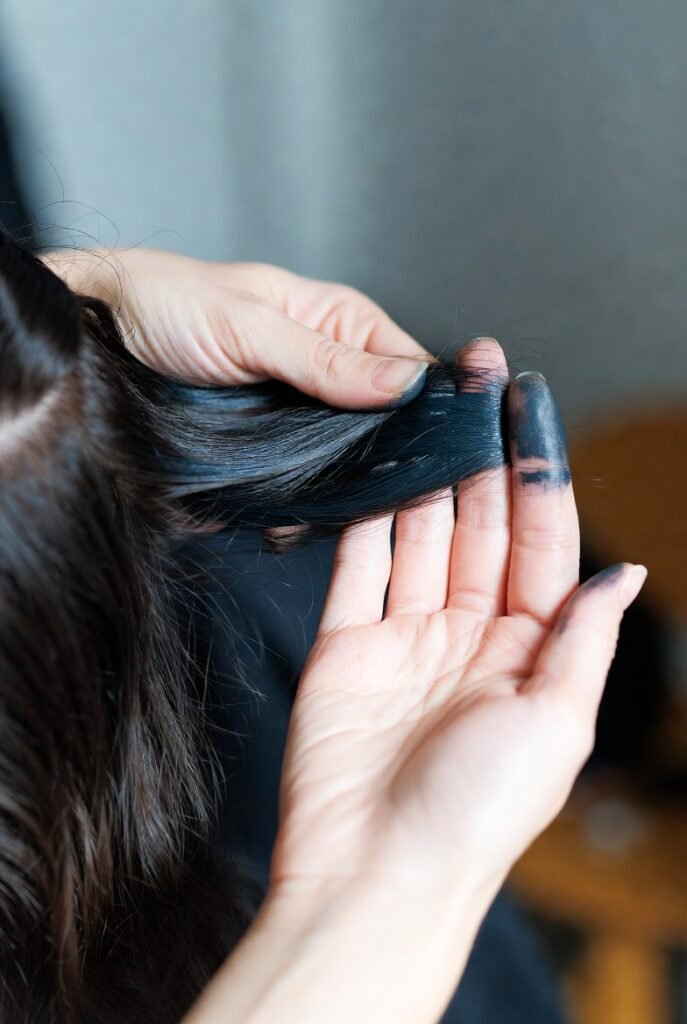
When removing paint from hair, certain substances can cause more harm than good. Avoiding damaging chemicals and harsh household remedies is essential to protect hair integrity and scalp health.
Why to Avoid Paint Thinners and Harsh Chemicals
Paint thinners and similar solvents are designed to break down strong industrial paints, not to be used on skin or hair. These products contain aggressive chemicals that strip natural oils from hair shafts and scalp. This can lead to severe dryness, irritation, and chemical burns.
Using paint thinners can also weaken hair strands, increasing breakage and making hair brittle. The harsh odors and fumes pose additional risks such as respiratory irritation. Because these substances are not formulated for personal care, their use should be strictly avoided on hair.
Risks of Using Industrial Solutions
Industrial paint removal products often contain volatile organic compounds (VOCs) and other toxic agents harmful to both hair and scalp. Application on hair can cause allergic reactions, redness, and possible long-term damage to follicles.
Excessive exposure may lead to scalp inflammation or poisoning if not handled properly. Additionally, industrial cleaners tend to dry hair excessively, causing tangled, lifeless strands that are difficult to manage. Any cleaning solution intended for commercial or home use on surfaces should never be applied to hair.
Side Effects of Common Household Products
While some household items like peanut butter and mayonnaise are suggested for paint removal, they can also present risks. Oils or pastes applied heavily may clog pores on the scalp, potentially causing irritation or acne.
Vinegar, sometimes used for paint softening, can disrupt the scalp’s pH balance if overused, resulting in dryness or itchiness. Excessive scrubbing with abrasive tools or using high-alcohol products damages the hair cuticle and leads to split ends.
Gentle, moisturizing alternatives are safer choices. It is crucial to avoid harsh products that cause more harm than benefit.
Restoring Hair Health After Paint Removal
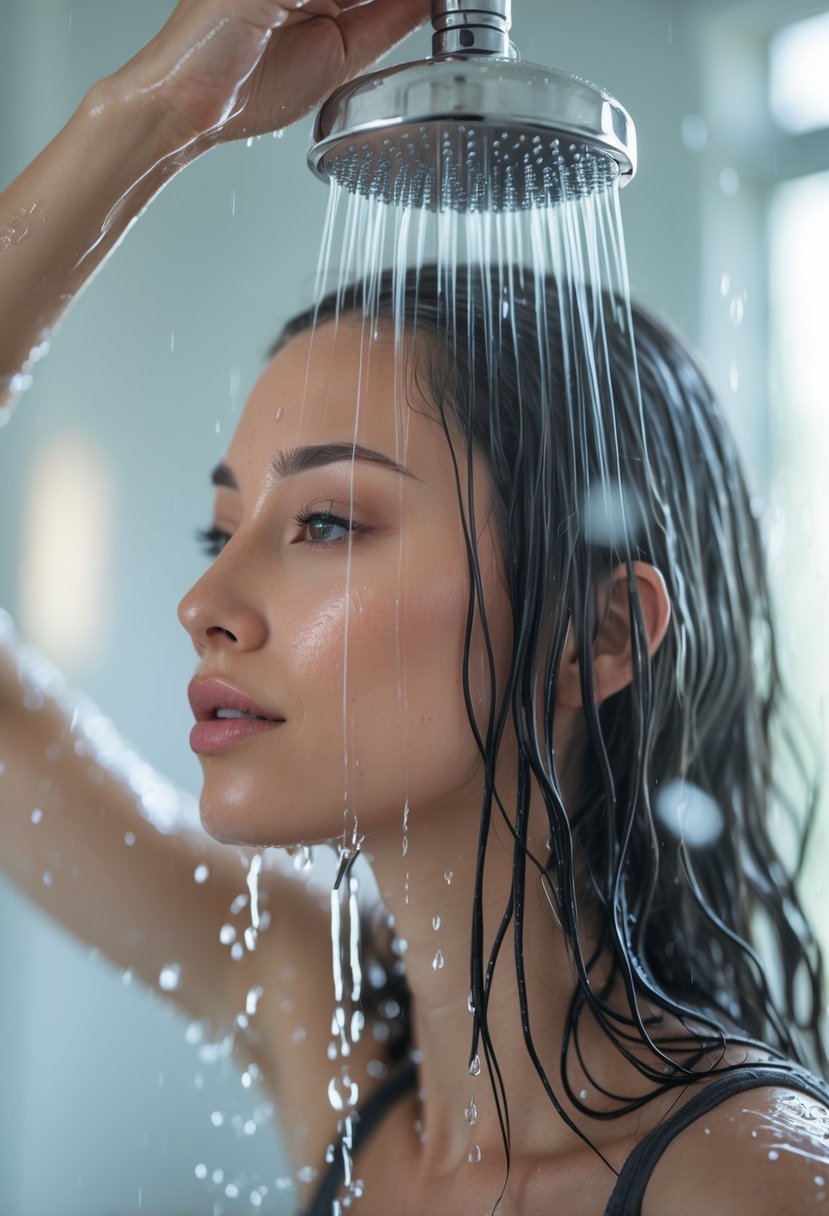
Removing paint from hair can leave it dry, brittle, and prone to breakage. Proper care is essential to restore moisture, repair damage, and maintain scalp health after the cleaning process. The following steps address key areas to help hair recover effectively.
Deep Conditioning and Hydration
After paint removal, hair often loses natural oils and moisture. Applying a deep conditioning treatment helps to replenish hydration that shampooing and oil-based removers may strip away. Products rich in proteins, ceramides, and fatty acids strengthen the hair cuticle and prevent further deterioration.
For best results, use a deep conditioner or hair mask at least twice a week. Leave it on for 15–30 minutes, ideally under a warm towel or shower cap, to enhance absorption. Hydrating sprays or leave-in conditioners can also add moisture throughout the day, especially on dry or frizzy strands.
Drinking plenty of water supports hair hydration from within, assisting the scalp and follicles in maintaining healthy growth as well.
Repairing Damaged Hair
Paint removal methods can stress hair fibers, causing split ends, rough textures, and fragility. To aid repair, trimming damaged ends promptly prevents split ends from traveling up the hair shaft.
Protein treatments, either salon-grade or at-home, help rebuild keratin bonds broken during paint removal. Avoid excessive heat styling for at least two weeks to reduce further damage. Using wide-tooth combs for detangling minimizes breakage compared to brushes or fine-tooth combs.
Regular use of serums containing silicones or oils like argan oil protects hair by sealing the cuticle and reducing moisture loss. Incorporating a balanced diet with vitamins such as biotin and omega-3 fatty acids can support hair strength from the inside as well.
When to Seek Professional Help
If paint stains persist or the hair shows signs of severe damage such as excessive breakage, scalp irritation, or hair thinning, professional assistance is recommended. A hair stylist can perform specialized treatments like protein reconstructors, bond builders, or gentle color removers tailored to the hair type.
Professionals also provide safer, more effective methods for stubborn oil-based paint removal without risking scalp burns or chemical damage. They can advise on the right haircut to manage damage while preserving length.
Consulting a dermatologist is advisable if the scalp experiences allergic reactions or persistent inflammation after paint removal. Timely expert intervention ensures healthier recovery and minimizes long-term hair issues.