how to get oil based paint out of carpet
I remember the exact moment I watched my paintbrush slip from my hand. It seemed to fall in slow motion, flipping end-over-end before landing face-down on my living room rug.
The panic was instant. I knew exactly what was in that can: heavy-duty, oil-based enamel. Unlike latex paint, you can’t just wipe this stuff up with water and hope for the best.
Oil-based paint is durable and glossy on trim, but it is an absolute nightmare on carpet fibers. It binds quickly and resists standard cleaning methods.
But take a deep breath. I have been there, and I can tell you that your carpet isn’t ruined. With the right solvents and a bit of patience, you can lift that stain right out.
Here is my step-by-step guide to removing oil-based paint from your carpet, whether the spill is fresh or has already dried.
Confirm You Are Dealing With Oil-Based Paint
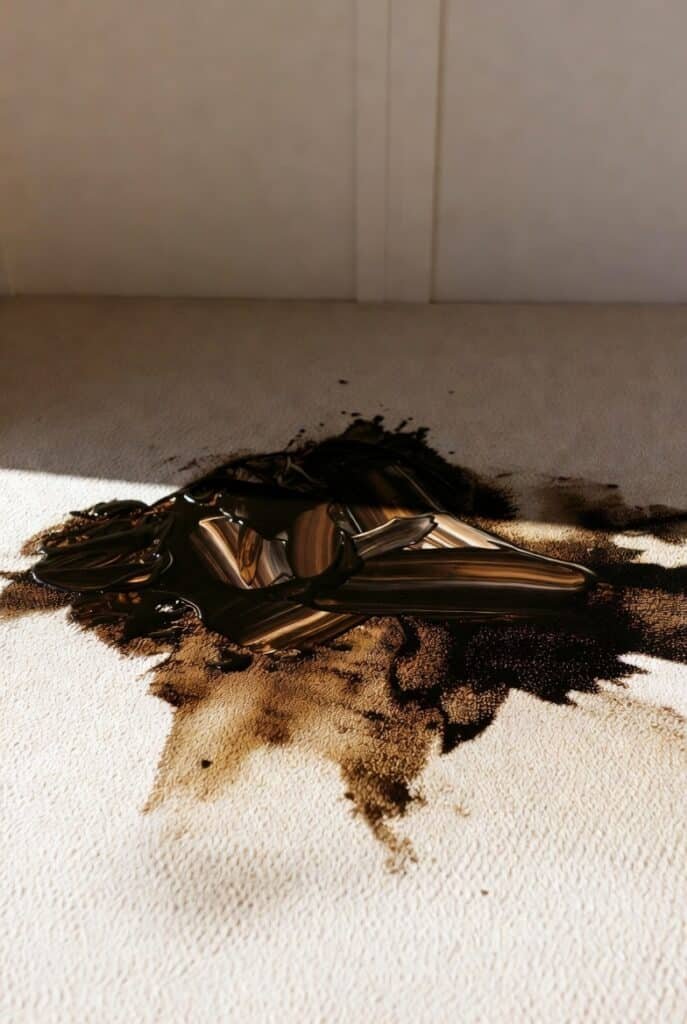
Before you start pouring chemicals on your floor, I want you to double-check your paint can. The removal method for oil-based paint is completely different from water-based paint.
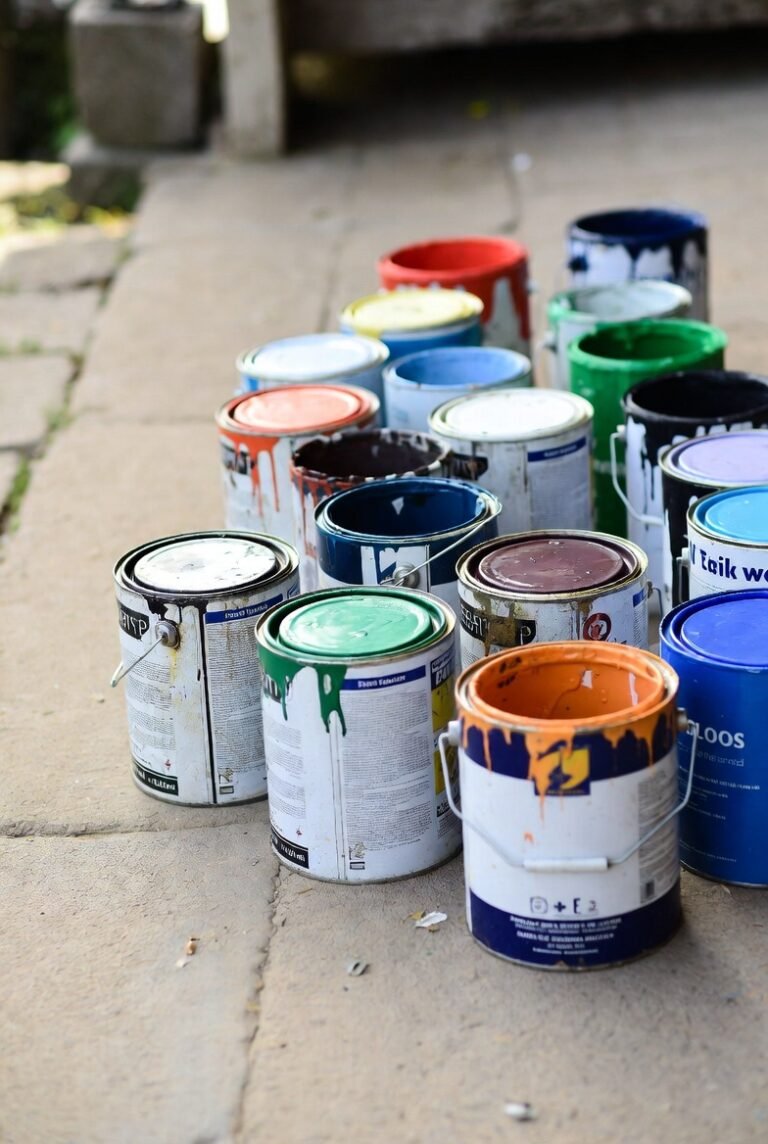
Check the cleanup instructions on the label. If it says to use mineral spirits, turpentine, or paint thinner, you are dealing with oil-based paint.
If it says to use warm water and soap, you have water-based (latex or acrylic) paint. You can put away the heavy solvents and use a simpler soap solution instead.
Safety and Spot Testing
I cannot stress this enough: do not skip the safety steps. You are going to use strong solvents that release fumes.
Open your windows immediately. Turn on a fan to circulate the air. You do not want to trap these fumes in your room while you work closer to the floor.
You should also wear gloves. Mineral spirits and paint thinners can irritate your skin and cause dryness or chemical burns with prolonged contact.
The All-Important Spot Test
Solvents are powerful. They dissolve paint, but they can also dissolve the backing of your carpet or melt synthetic fibers.
I always test my cleaning solution on a hidden patch of carpet first. Pick a spot inside a closet or under a sofa.
Apply a small amount of your chosen solvent to a white cloth and dab it on that hidden area. Wait a few minutes. If the carpet color transfers to the cloth or the fibers melt, do not use that product.
Gather Your Supplies
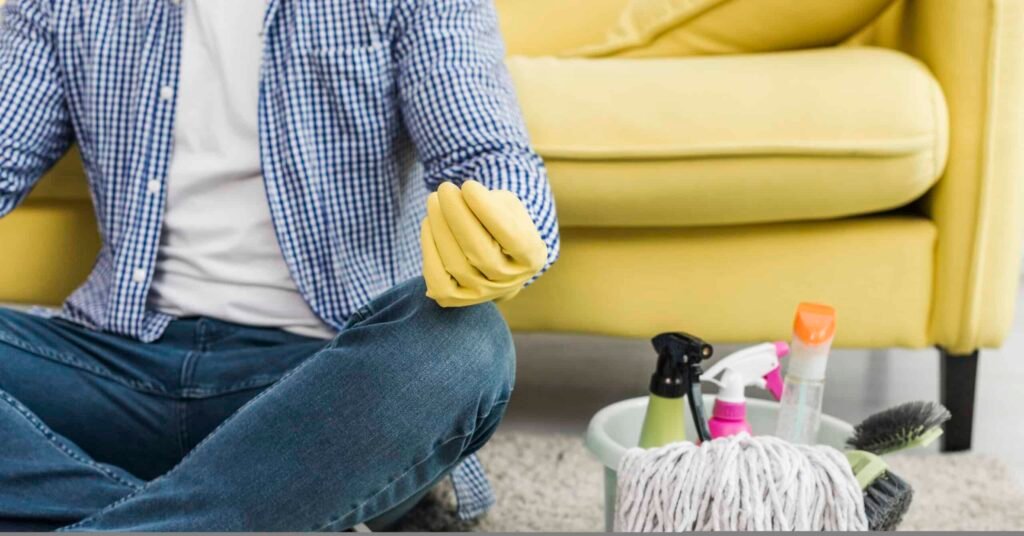
I find it helpful to have everything within arm’s reach before I start scrubbing. Once you start working on the stain, you won’t want to stop to hunt for supplies.
Here is what you will need:
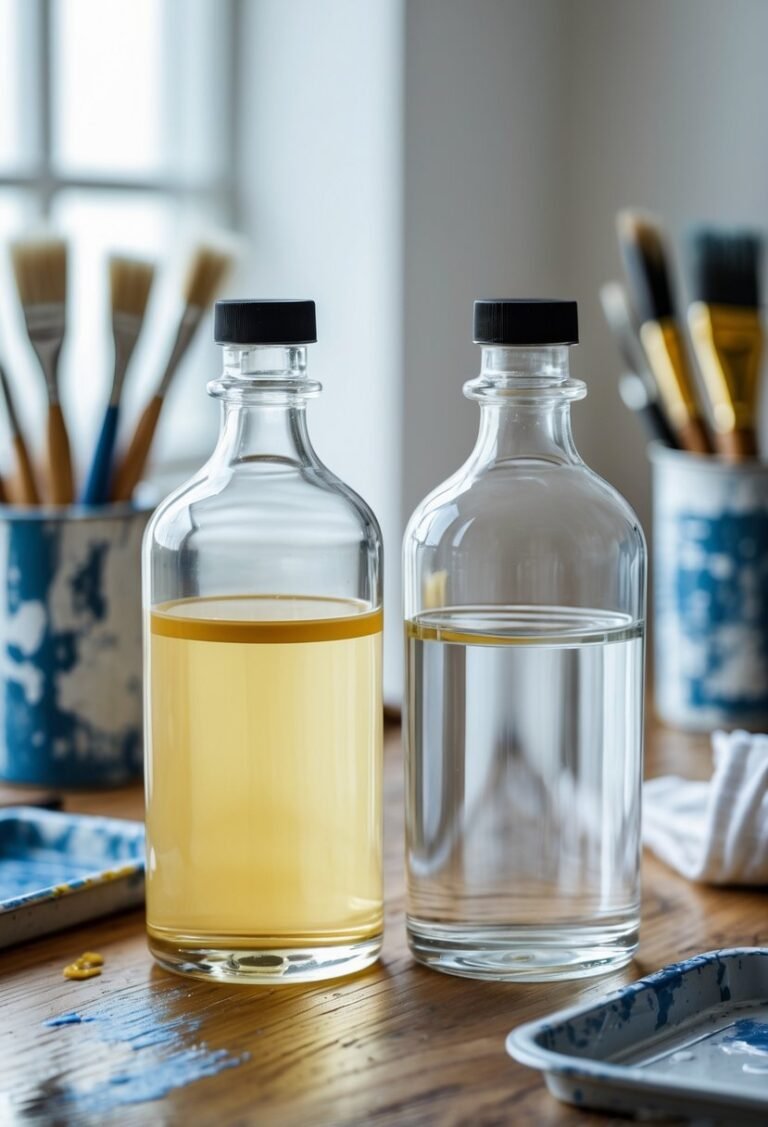
- Mineral spirits, paint thinner, or turpentine (This is your primary cleaner)
- Clean white rags or paper towels (Avoid colored rags, as the dye might bleed)
- A dull knife or spoon
- Dish soap
- Warm water
- Gloves
- WD-40 (Optional, for dried paint)
How to Remove Wet Oil-Based Paint
If the spill just happened, you are in the best possible position. The paint hasn’t cured yet, so it hasn’t fully bonded to the carpet fibers.
Step 1: Blot the Excess
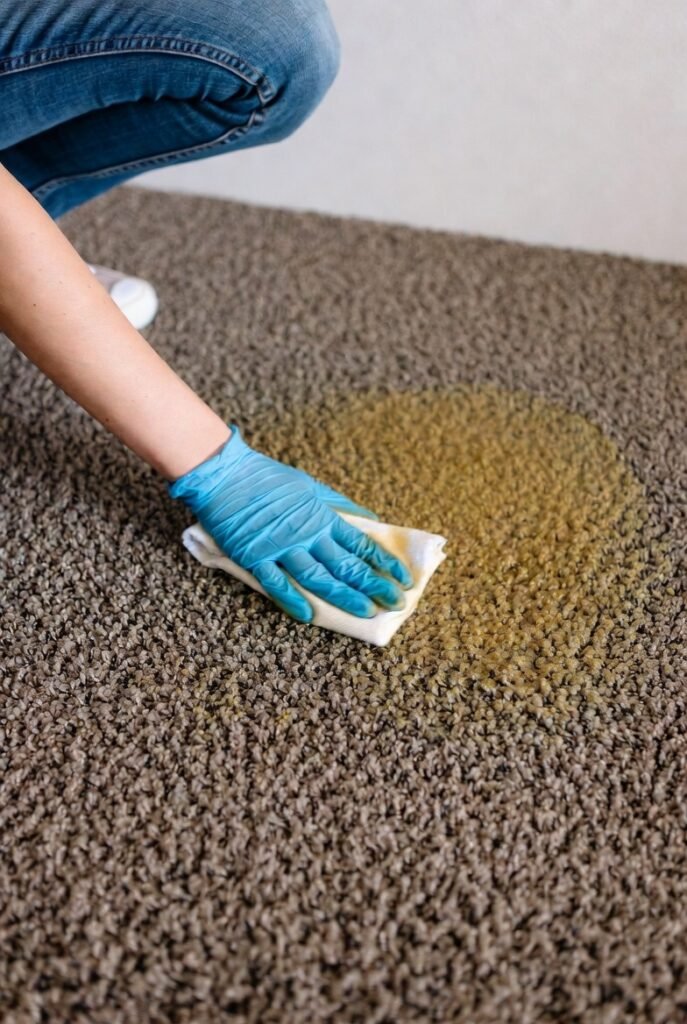
Grab a dry paper towel or cloth immediately. Gently blot the wet paint to soak up as much as possible.
Do not rub or scrub. I know the urge is strong, but scrubbing pushes the paint deeper into the carpet backing. It also spreads the stain outward, making a small spot much larger.
Just dab gently, lifting the paint straight up. Keep switching to a clean part of the towel until no more paint comes up.
Step 2: Apply Your Solvent
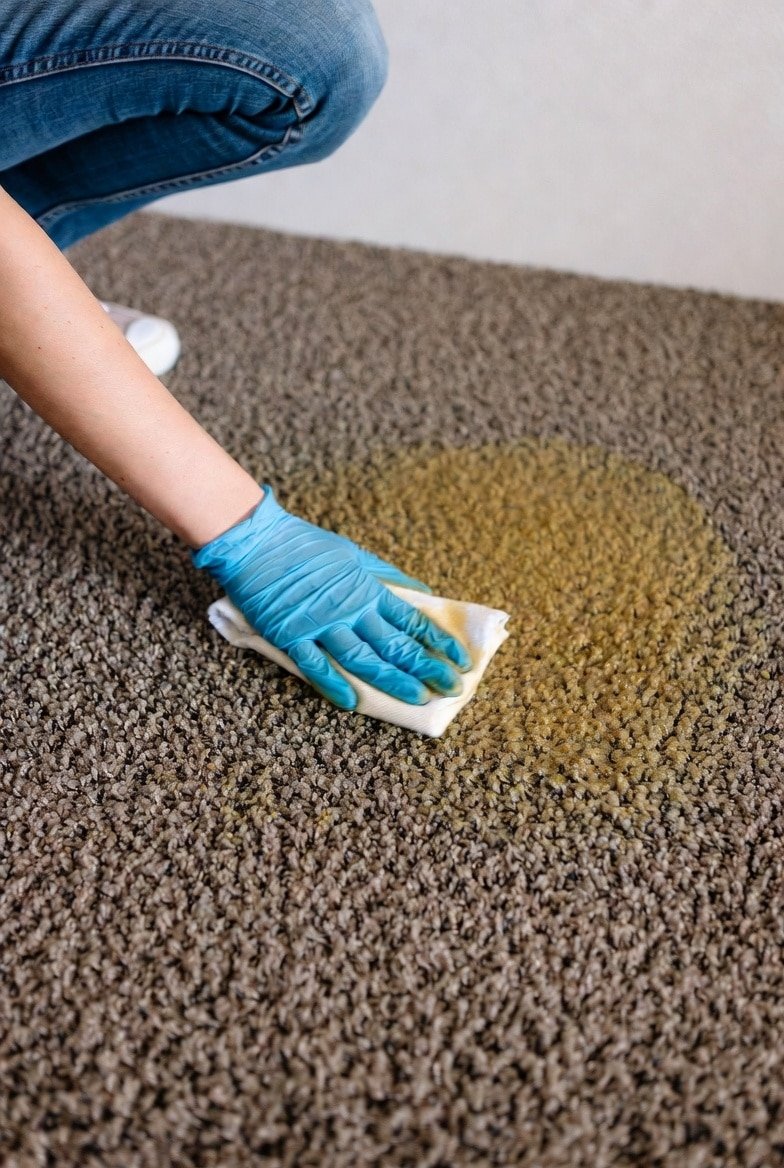
Moisten a clean white cloth with your mineral spirits or turpentine. Do not pour the solvent directly onto the carpet, as it can soak through to the subfloor and damage the glue holding your carpet down.
Step 3: Blot From the Outside In
Press your solvent-soaked cloth onto the stain. Use a blotting motion. Again, do not scrub.
I always start at the outer edge of the stain and move toward the center. This containment strategy stops the paint from spreading to clean fibers.
You will see the paint transferring onto your cloth. This means it is working. Rotate your cloth frequently so you are always using a clean section.
Step 4: Rinse and Dry
Once the paint is gone, you need to remove the solvent residue. Mix a little dish soap with warm water.
Dip a clean cloth into the soapy water and sponge the area. This cuts through the oily residue left by the mineral spirits.
Follow up by blotting with plain water to rinse out the soap. Finally, press a stack of dry paper towels over the wet spot to absorb moisture.
How to Remove Dried Oil-Based Paint
Removing dried oil paint is trickier, but it is not impossible. The goal here is to re-liquefy the paint so you can lift it out.
Step 1: Soften the Paint
You have two options here. You can use a steamer to heat the paint, or you can use a chemical lubricant.
I personally recommend trying WD-40 or a specific paint thinner. Apply a small amount to the dried stain and let it sit for about 20 minutes. This helps break down the hardened resins.
Step 2: Scrape the Surface
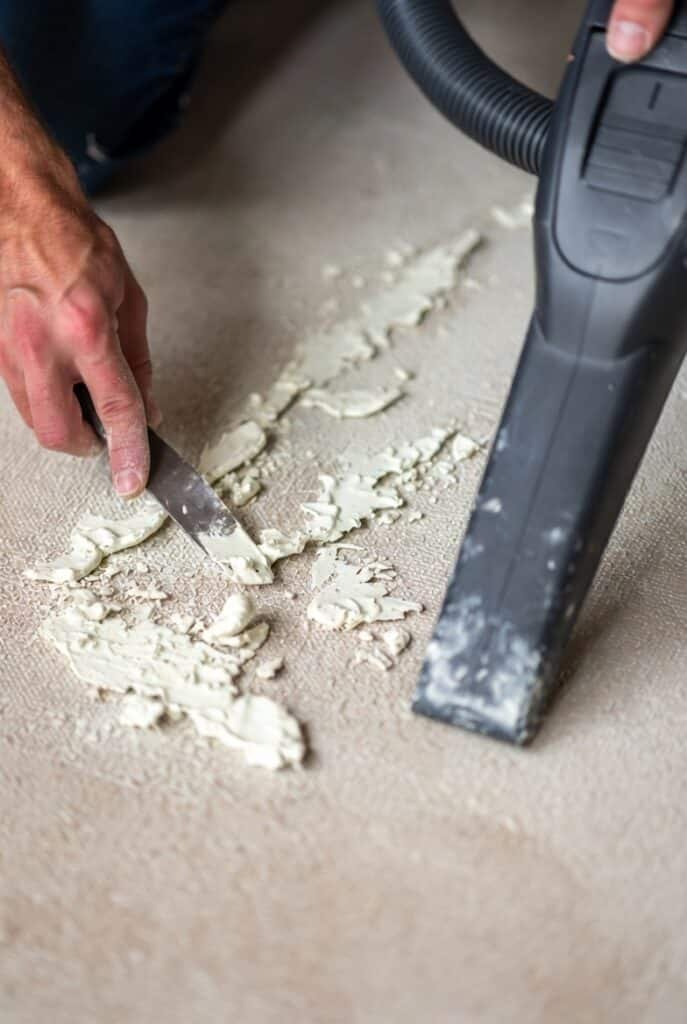
Once the paint has softened slightly, take your dull knife or the edge of a spoon.
Gently scrape at the paint clumps. You want to break up the crusty top layer without cutting the carpet fibers. Vacuum up these loose paint chips immediately so they don’t get ground back in.
Step 3: Dissolve the Residue
Now that you have removed the bulk of the solids, go back to the method for wet paint.
Apply your mineral spirits or turpentine to a cloth. Blot the remaining stain firmly. You might need to be patient here.
Since the paint was dry, it may take several rounds of blotting to fully dissolve the pigment stuck deep in the fibers.
Step 4: Clean and Fluff
After the stain lifts, wash the area with your dish soap solution and rinse with water.
Once the carpet is dry, the fibers might look a bit flat or matted. I like to run a vacuum over the spot to fluff the pile back up so it blends in with the rest of the room.
Important Mistakes to Avoid
I have learned a few hard lessons over the years tackling DIY projects. Avoid these common pitfalls to save yourself a headache.
Do not use water first.
Water repels oil. If you dump water on an oil-based paint spill, you are just going to make a mess without removing any paint. Stick to solvents first.
Do not use colored towels.
Solvents are strong enough to strip dye out of fabric. If you use a red rag to clean a white carpet, you might remove the paint but leave a pink stain behind.
Do not ignore ventilation.
Paint thinners and mineral spirits are volatile organic compounds (VOCs). They can make you dizzy or nauseous very quickly. Keep that air moving.
When to Call a Professional
Sometimes, despite your best efforts, a stain just won’t budge.
If you have a very large spill—like a whole gallon can—it might be too much for spot cleaning. The solvent required to clean a spill that size could ruin the structural integrity of your carpet.
I also recommend calling a pro if you have specialty rugs, like antique wool or silk. These natural fibers are delicate. Harsh solvents can burn or discolor them permanently.
If you are unsure, it is always cheaper to pay for a professional cleaning than to replace the carpeting in an entire room.
Don’t Let a Spill Stop Your Project
A paint spill feels like a disaster in the moment, but it is usually just a minor speed bump. I have cleaned up my fair share of messes, and my carpets have lived to tell the tale.
The key is acting calmly and using the right chemistry. Oil needs solvents, not water. Remember that rule, and you can handle almost any renovation mishap.
Now that you know how to fix the mess, you can get back to the fun part: making your home beautiful.