
How Much Does a 5 Gallon Bucket of Paint Weigh Explained Accurately
A 5-gallon bucket of paint can be surprisingly heavy, and knowing its weight is important whether you’re lifting it yourself or planning your project logistics. Typically, a full 5-gallon bucket weighs between 50 to 60 pounds, with variations depending on whether the paint is latex or oil-based.
I’ve found that latex paint tends to be lighter, usually closer to the lower end of that range, while oil-based paints can be denser and weigh more. Understanding these differences helps with safe handling and transportation, preventing unexpected strain or damage.
If you’re preparing for a painting job, being aware of how much you’ll be carrying is just as crucial as the paint color choice. I’ll break down the key factors that affect paint weight and offer practical insights to help you manage your workload effectively.
Average Weight of a 5 Gallon Bucket of Paint
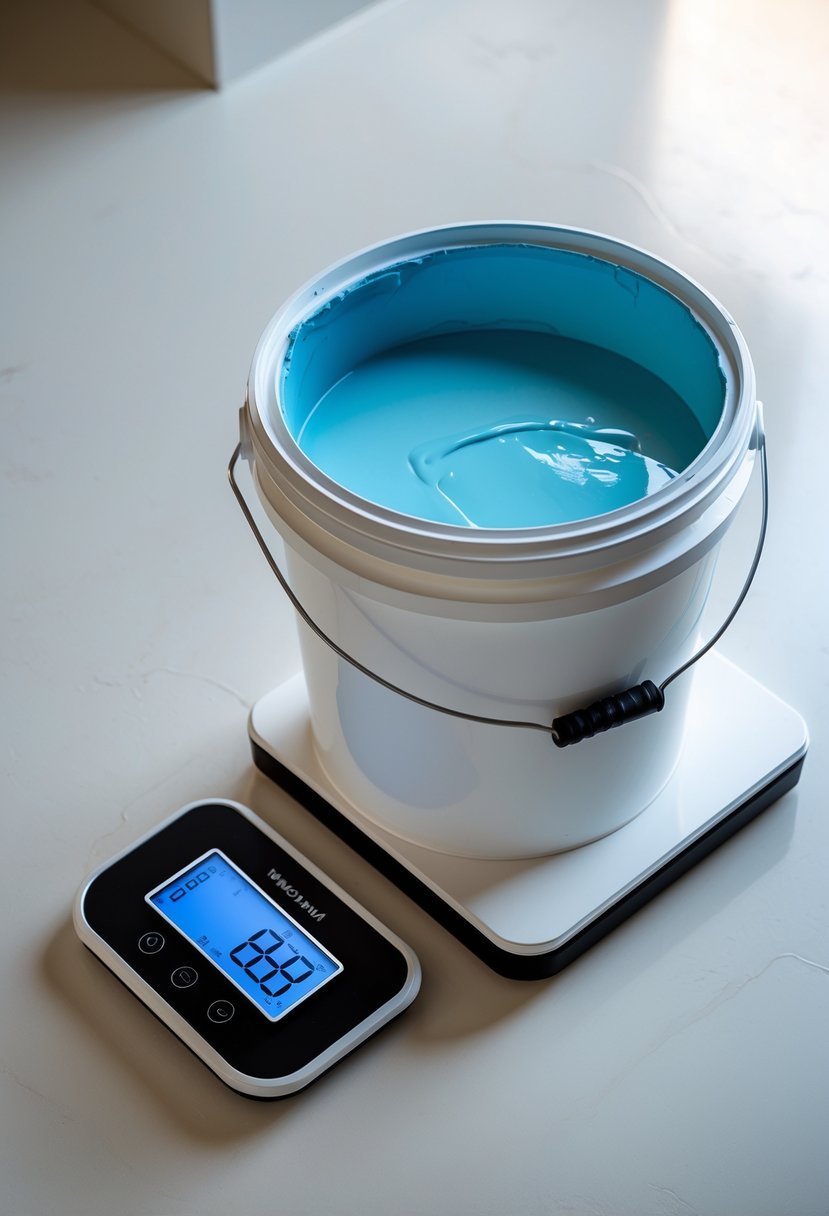
The weight of a 5-gallon bucket of paint depends mainly on the type of paint and the materials used in packaging. Different formulations and container types influence how heavy the bucket feels when lifted.
Standard Paint Types and Their Weights
I found that water-based or latex paints typically weigh between 8.5 to 9 pounds per gallon. This means a 5-gallon bucket usually ranges from 42 to 45 pounds. Oil-based paints are denser, averaging between 10 to 12 pounds per gallon, so those buckets often weigh around 50 to 60 pounds.
Specialty paints like primers or textured paints can be heavier due to added materials, sometimes pushing total weight beyond the typical range. These variations matter when planning for transport or labor, as heavier paint requires more care in handling.
Typical Packaging and Weight Variations
The bucket itself adds weight, normally between 2 to 4 pounds, depending on whether plastic or metal is used. Plastic buckets are lighter and more common for retail paint, while metal buckets are found in industrial settings and can increase overall weight.
I also note that some manufacturers adjust paint density or add chemicals which can impact the total weight. It’s practical to expect a 5-gallon bucket’s weight to fall roughly between 45 and 60 pounds, depending on type and packaging. Knowing this helps in planning for lifting and storage logistics.
Factors That Influence Paint Weight
Several elements determine how much a 5-gallon bucket of paint weighs, including the physical makeup and specific ingredients of the paint. Understanding these variables helps me estimate and manage the total weight more accurately for any project.
Paint Composition and Density
Paint weight depends largely on its composition. The base liquids, whether water or oil, have different densities that significantly impact overall weight.
For example, latex or water-based paint typically weighs around 10 to 12 pounds per gallon. This means a full 5-gallon bucket weighs approximately 50 to 60 pounds. Oil-based paints are denser and often heavier per gallon, usually falling between 12 and 15 pounds per gallon, making a 5-gallon bucket’s weight closer to 60 to 75 pounds.
Pigments and solids also contribute. Heavier pigments increase density and weight, while lighter pigments reduce them. This variation means two buckets with the same volume but different compositions can weigh noticeably differently.
Effect of Additives and Base Types
Additives like solvents, thickeners, and anti-microbial agents adjust the paint’s density as well. Solvent-heavy paints tend to be lighter, while thicker additives increase weight.
The type of base is crucial. Water-based paints, with their high water content, are generally lighter. Oil-based paints contain heavier organic solvents and oils, leading to increased density.
Different bucket materials can also shift the total weight slightly. A plastic 5-gallon bucket usually adds about 2 pounds, while a metal bucket can add 3 pounds or more.
I always consider these components to better predict and handle the total weight during transport or usage.
Comparison of Paint Weights by Type
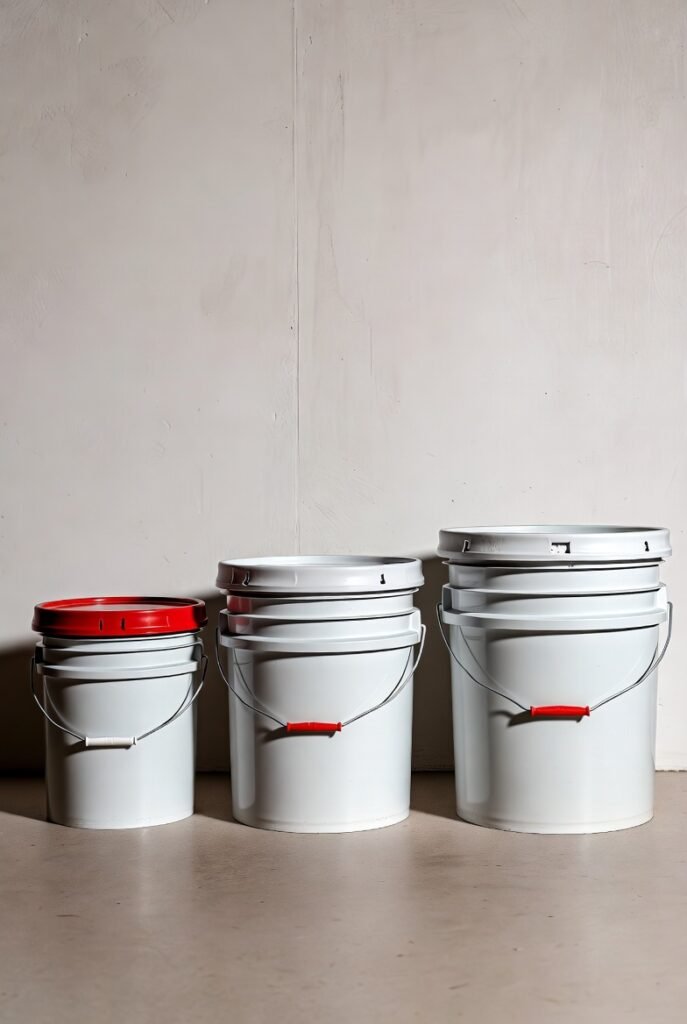
The weight of a 5-gallon paint bucket changes depending on the paint’s composition. Differences in density and ingredients affect how heavy the container feels, which is important for handling, transportation, and storage.
Latex vs. Oil-Based Paint
Latex paint typically weighs between 45 and 60 pounds for five gallons, with an average closer to 55 pounds. This paint is water-based, so it tends to be lighter. A single gallon usually weighs about 10 to 12 pounds.
Oil-based paint is denser and heavier, generally weighing between 60 and 75 pounds for five gallons. Each gallon can weigh up to 12 pounds or more. Because of its heavier solvents and oils, oil-based paint increases the overall bucket weight noticeably.
The weight difference means lifting or moving oil-based paint requires more effort. If you need to transport multiple buckets, oil-based paint quickly adds significant weight.
Specialty and Industrial Paints
Specialty paints, including primers, textured finishes, and industrial coatings, often weigh more than standard latex or oil-based paint. Additives like sand, fillers, or chemicals increase density and weight.
A 5-gallon bucket of specialty paint can weigh 70 pounds or more, depending on the materials used. Industrial paints with heavy pigments or protective properties frequently fall in this range.
When handling specialty or industrial paints, it’s important to expect heavier containers. This affects storage decisions and impacts how safely you can transport the paint.
Practical Considerations for Handling and Transporting

Handling and moving a full 5-gallon bucket of paint requires awareness of its weight and the appropriate precautions. I focus on safe health practices and correct lifting methods to avoid injury and ensure smooth transport.
Health and Safety Guidelines
The weight of a 5-gallon paint bucket can range from 40 to 60 pounds, depending on the paint type. This weight is significant enough to cause strain or injury if not managed properly. I always make sure to clear the path before moving the bucket to avoid tripping or sudden stops that could lead to spills or falls.
Wearing gloves protects my hands from drips or contact with paint, reducing skin irritation risk. I also use closed-toe shoes to prevent injury if the bucket accidentally drops. For extended handling, I take breaks to avoid fatigue, which can increase the chance of mishandling the load.
Lifting Techniques and Equipment
Lifting a 5-gallon bucket safely means bending at the knees and not the waist, keeping the back straight, and holding the bucket close to my body. This technique reduces pressure on the lower back and distributes the weight more evenly.
When available, I use equipment like dollies or carts to move buckets over long distances or up stairs. For heavier materials, a bucket with built-in handles that lock can offer better grip and control. Asking for help when the load feels too heavy is always better than risking injury.
Calculating Paint Weight for Projects
To accurately manage your painting project, it’s essential to understand how paint weight affects handling and transportation. Knowing the weight also helps avoid surprises during delivery and supports proper planning for labor and equipment needs.
Estimating Needs Based on Coverage
When estimating paint for a surface, I first calculate the total square footage to be covered. Most paints cover about 350 to 400 square feet per gallon, but this depends on the surface texture and paint type. For example, a rough or porous wall may require more paint.
Since a 5-gallon bucket weighs between 40 and 60 pounds depending on the paint type, I multiply the gallons needed by that weight to anticipate the total load. If I plan for 10 gallons, I prepare to move between 80 and 120 pounds of paint. This helps me decide how many people or what equipment I need for handling and application.
Planning for Bulk Purchases
When buying paint in bulk, I consider both the total volume and the cumulative weight. A 5-gallon bucket of latex paint generally weighs less than one containing oil-based paint, so choosing the paint type impacts logistics.
For transport and storage, I account for the bucket weight, typically 2 to 4 pounds, added to the paint’s weight. If ordering multiple 5-gallon containers, the weight adds up quickly. I make sure the vehicle and shelves I use can support the load safely. Additionally, I use weight estimates to calculate shipping costs and ensure compliance with any weight limits.