
How Long Does Spray Paint Take to Dry Complete Guide to Drying Times and Factors
Spray paint is a popular choice for quick and smooth finishes, but one common question I get is how long it actually takes to dry. The answer varies, but spray paint typically dries to the touch within 15 to 30 minutes and takes 24 to 48 hours to fully cure. This timing depends on factors like the type of paint, the surface being painted, and environmental conditions such as temperature and humidity.
Understanding these drying stages is important because touching or handling the paint too soon can cause smudging or damage to your project. I’ve learned that applying thin coats and ensuring good ventilation can speed up drying without sacrificing the finish. In this post, I’ll share essential details and tips to help you plan your spray painting projects with confidence and get the best results every time.
Average Drying Times for Spray Paint
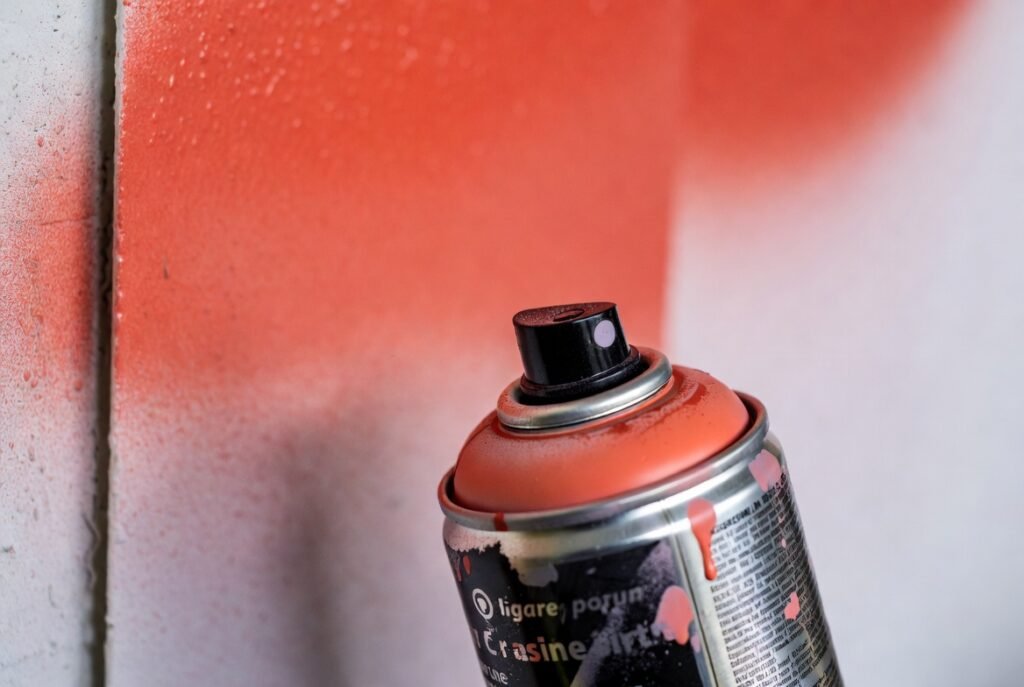
Spray paint drying involves two distinct processes: becoming dry to the touch and reaching full cure. These times vary according to type, brand, and environmental conditions. Knowing these differences helps with planning project steps effectively.
Standard Dry to Touch
Spray paint typically dries to the touch within 10 to 30 minutes after application. This time frame means the surface feels dry but is not fully hardened underneath. Factors like temperature, humidity, and the thickness of the coat can speed up or slow down this stage. For example, lacquer-based paints can become touch-dry in just a few minutes, while enamel formulations may take several hours.
Waiting the proper time before handling or applying additional layers is crucial to avoid smudging or lifting the paint. In my experience, ensuring good ventilation and applying thin, even coats significantly reduces drying time to touch.
Full Cure Duration
While spray paint is often touch-dry quickly, reaching full cure can take much longer. Full curing means the paint has completely hardened and achieved its maximum durability, typically requiring 24 to 72 hours. During this time, the binders in the paint fully solidify beyond just solvent evaporation.
I’ve found that allowing a full 24 hours before heavy handling or exposure to weather is a safe rule for most projects. Some spray paints designed for metal or outdoor use may take longer to cure, especially in cooler or more humid conditions.
Brand and Formula Differences
Spray paint drying times vary widely depending on the brand and paint formula. For instance, acrylic spray paints generally dry faster than enamel or oil-based ones. Some manufacturers produce fast-dry formulas that reduce drying time dramatically, sometimes to just 5–10 minutes for to-touch.
It’s important to consult the product label or technical datasheet for exact drying information. I always consider the recommended drying times before purchasing a spray paint because quality and formulation impact not only drying but the final finish and longevity.
Factors Influencing Spray Paint Drying Time
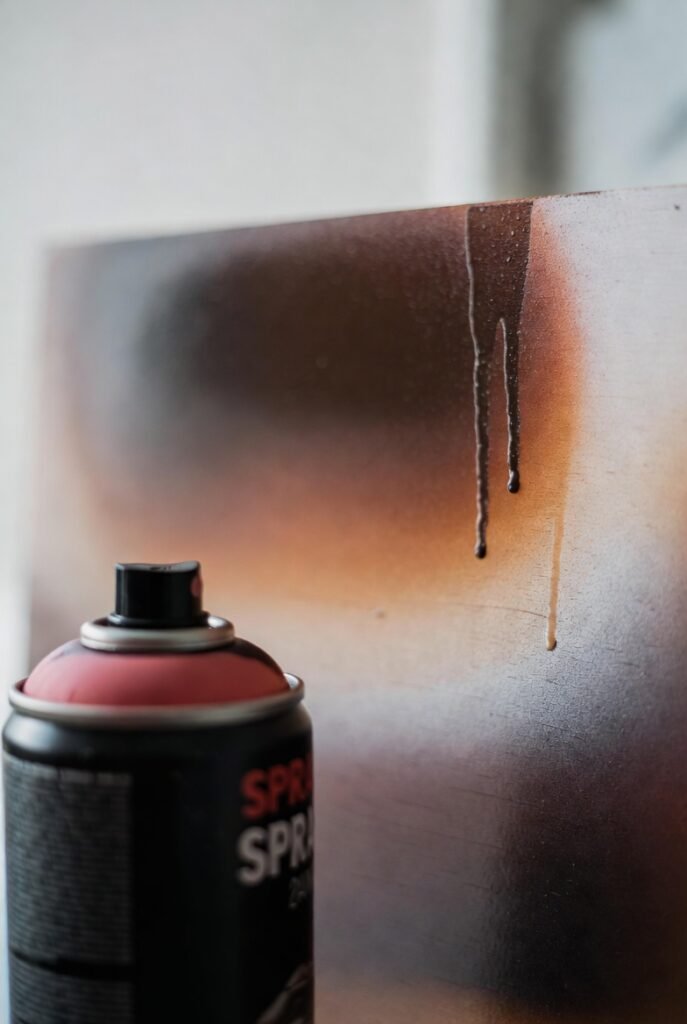
Several key elements directly affect how quickly spray paint dries. These include environmental conditions, the type of surface being painted, the amount of paint applied, and airflow around the drying area. Understanding these can help you better plan your project and achieve a smoother finish.
Temperature and Humidity Levels
Temperature plays a crucial role in spray paint drying. Higher temperatures speed up evaporation of solvents, causing paint to dry faster. For example, temperatures above 70°F typically reduce drying time significantly. Conversely, cooler temperatures slow down this process, and below 50°F, drying can be delayed noticeably.
Humidity also impacts drying. High humidity slows solvent evaporation because the air already contains moisture. In a damp environment, spray paint might feel dry on the surface but remain tacky underneath. Ideally, relative humidity below 50% helps paint dry more evenly and quickly.
Maintaining a warm, dry atmosphere is best. If working outdoors, aim to paint during mild, dry days. Indoors, using a dehumidifier or heater can control conditions.
Surface Material Impact
The type of material you paint influences drying times substantially. Porous surfaces like untreated wood absorb more paint and moisture, extending drying time. The paint soaks in, requiring more time to set and harden.
Non-porous materials like metal or plastic cause spray paint to dry faster on the surface because the paint remains on top rather than soaking in. However, the smoothness of these surfaces can also affect how well the paint adheres and cures.
Surface temperature is another aspect. Cold surfaces slow drying regardless of material type. Prepping the surface, such as sanding or cleaning, also affects drying by improving adhesion, which can speed overall curing.
Layer Thickness
The thickness of the paint application impacts drying markedly. Thin, even coats dry faster—often within minutes to an hour—because solvents evaporate quickly from a smaller volume.
Applying thick layers traps solvents inside, lengthening drying and curing times dramatically. Paint underneath thick layers remains wet longer and can cause runs or uneven finishes.
I recommend multiple thin coats rather than one heavy coat. Waiting at least 10-15 minutes between coats allows each to dry enough to avoid issues. This approach ensures better drying and a smoother end result.
Ventilation Effects
Good airflow is essential to drying spray paint efficiently. Proper ventilation helps carry away solvent vapors, speeding evaporation and reducing drying time.
Enclosed or poorly ventilated spaces trap humidity and solvent fumes, which slows drying and can impact paint adhesion or cause an uneven finish.
If working indoors, open windows or use fans to promote air movement. However, avoid strong winds or drafts that might blow dust or debris onto the wet surface. Controlled ventilation balances solvent evaporation and surface protection.
In outdoor conditions, paint dries fastest with mild airflow that removes vapors without disturbing the paint layer.
Types of Spray Paint and Their Drying Rates

Different types of spray paint vary significantly in how quickly they dry. The drying times depend on their chemical composition and solvent base. Knowing these differences helps me select the right paint for my project and plan the working time effectively.
Acrylic Spray Paint
Acrylic spray paint is water-based, which means the solvents evaporate fast. Typically, it feels dry to the touch within 15 to 30 minutes, though full curing may take a few hours. Because of its quick drying time, acrylic is ideal for projects needing fast turnaround.
It also tends to be less odorous and easier to clean up. Environmental factors, like humidity and temperature, can affect drying, but acrylic generally remains more forgiving than oil-based alternatives. I often use acrylic for indoor tasks or on surfaces where I want a smooth and durable finish without long wait times.
Enamel Spray Paint
Enamel spray paint dries considerably slower than acrylic. Touch dry usually takes 8 to 24 hours depending on the brand and conditions. Full drying or curing can extend beyond 24 hours, especially in cooler or humid environments.
Enamel provides a hard, glossy finish that is more resistant to wear and weather. Because of this durability, I prefer enamel when working on outdoor items or surfaces requiring strong protection. Preparing for longer drying times is important to avoid smudges or damage during curing.
Lacquer Spray Paint
Lacquer spray paint dries the fastest among these three types. Its solvents are highly volatile, allowing it to become touch-dry in just a few minutes—often under 10. This rapid drying allows for multiple thin coats applied quickly to build a smooth, hard finish.
However, lacquer can be tricky to work with due to its fast drying and strong fumes. Proper ventilation is necessary. I choose lacquer when I need a very smooth and durable finish with minimal wait time between coats, especially on wood or metal surfaces.
Techniques to Accelerate Spray Paint Drying
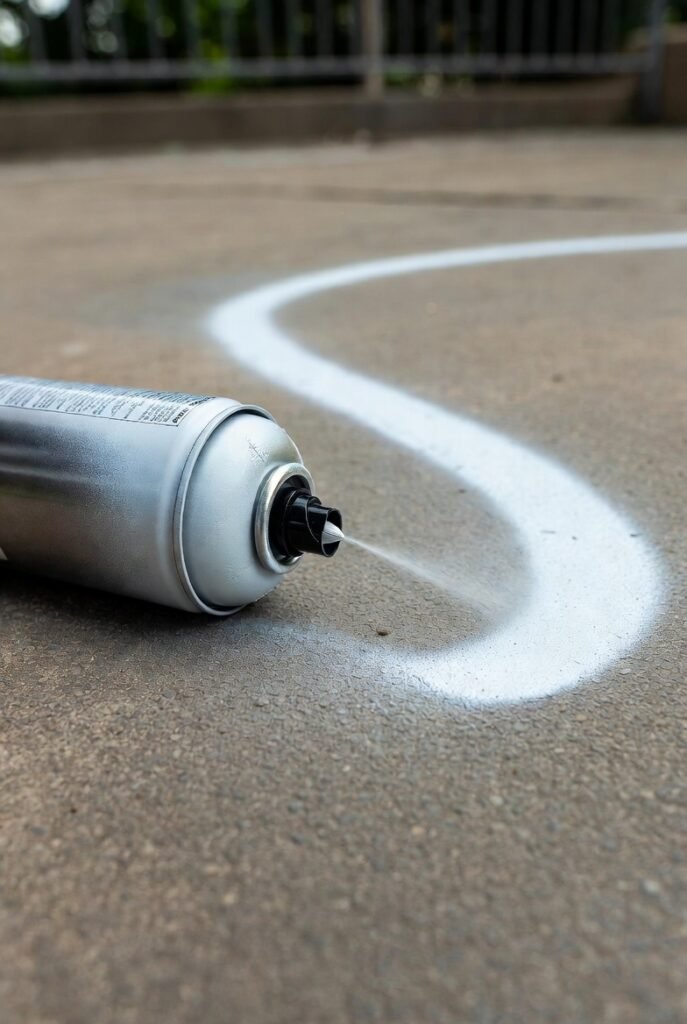
To speed up spray paint drying, controlling temperature, airflow, and paint thickness matters most. Using heat sources safely, applying thinner layers, and increasing air circulation all help reduce drying time without compromising the finish quality.
Using Fans or Heat Sources
I often use a fan to circulate air around the painted object, which evaporates the solvents more quickly. A box fan or even a small desk fan positioned to blow gently over the surface can cut drying time significantly.
Heat sources like a hair dryer or heat gun also work well, but I keep them at a safe distance to avoid overheating or bubbling the paint. For small items, using an oven set to a low temperature can speed drying, but this method requires caution. The key is to apply gentle, consistent heat rather than intense bursts that could damage the paint or object.
Applying Thin Coats
Applying thin, even coats is essential for faster drying. Thick layers trap solvents inside, extending drying time and increasing the risk of runs or uneven finishes.
I spray in light passes, allowing each coat to set partially before adding the next. This approach not only shortens the time between coats but also improves the final look. Generally, I wait about 10-30 minutes between thin coats, depending on temperature and humidity conditions.
Optimizing Air Flow
Proper ventilation plays a crucial role in drying spray paint quickly. I make sure to work outdoors or in a well-ventilated space to avoid stagnant air that slows solvent evaporation.
Opening windows, using exhaust fans, or positioning the painted item near natural breezes helps moisture and fumes escape faster. Combining increased airflow with a dehumidifier can further reduce drying periods, especially in humid environments where moisture keeps paint tacky longer.
Common Mistakes That Slow Down Drying
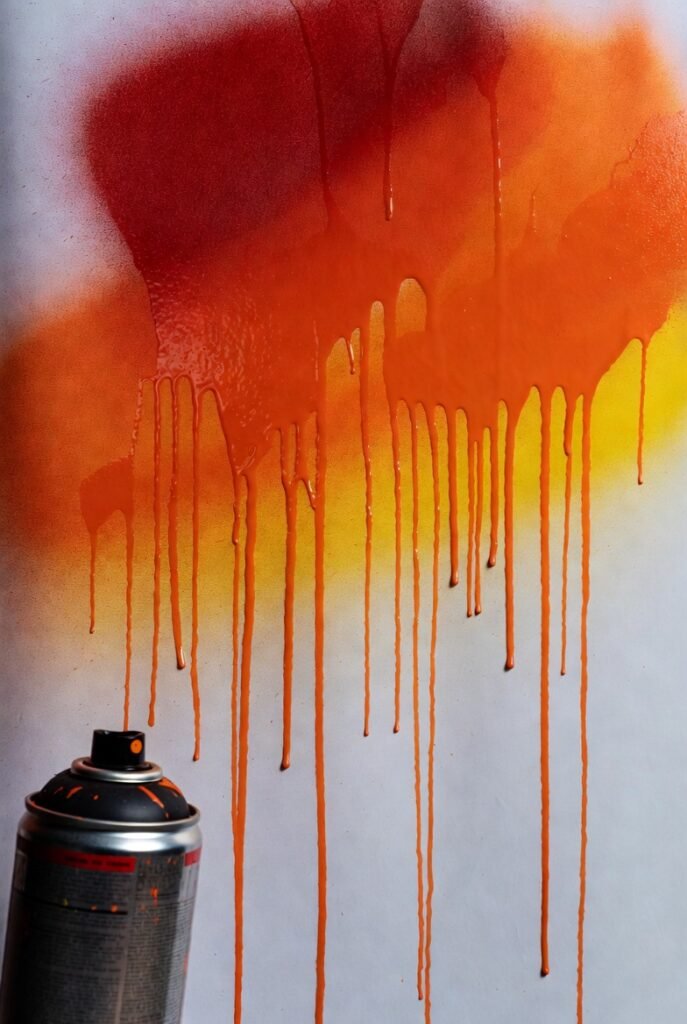
Certain practices directly extend the drying time of spray paint, often causing frustration. These mistakes revolve around how the paint is applied, the condition of the surface, and the environmental conditions during painting.
Overapplication of Paint
Applying too much paint in one go is a frequent error that leads to longer drying times. Thick layers trap solvents beneath the surface, preventing air from circulating properly. This slows the evaporation process, causing the paint to remain tacky for hours or even days.
To avoid this, I always apply several thin coats instead of a single heavy coat. Holding the spray can at the recommended distance and moving it steadily ensures an even, fine mist. This method helps the paint dry to the touch quickly and reduces issues like dripping or clouding.
Poor Surface Preparation
The surface’s condition plays a crucial role in how paint dries. Dirt, oil, or moisture on the surface can interfere with adhesion and drying. For me, thorough cleaning and drying before painting make a significant difference.
If the surface is rough or uneven, the paint takes longer to bond and cure. Light sanding often helps create a better grip for the paint. Skipping this step can lead to uneven drying times across the painted area, causing some parts to remain sticky longer than others.
Painting in Humid Conditions
High humidity is one of the most impactful environmental factors that slow down spray paint drying. Moisture in the air increases drying time by interfering with solvent evaporation.
I avoid painting on days when humidity is above 60%. If that’s not possible, I rely on fans or heated, ventilated spaces to accelerate drying. Low humidity and moderate temperatures (ideally 65-75°F) create optimal conditions for faster and more consistent drying.