How Long Does It Take to Paint a House Explained by Experts
Painting a house is a major project that many homeowners face, and one of the first questions I get asked is how long the process takes. The truth is, the timeline varies depending on several factors like the size of the home, weather conditions, surface preparation, and the painting method used. For most typical homes, professional painters usually take about 3 to 7 days to complete the exterior, including prep, priming, and painting.
Smaller homes or jobs with minimal prep can be done faster, sometimes in two or three days, especially if a sprayer is used. However, if the house needs extensive repairs, stripping old paint, or thorough priming, the process can extend beyond a week. Knowing these factors helps set realistic expectations and plan accordingly.
Average Time to Paint a House
The time needed to paint a house depends on several factors like the size of the area, preparation required, and the number of painters. How long it takes can differ significantly between interior and exterior projects, and even among various project scopes.
Typical Time Frames for Interior Painting
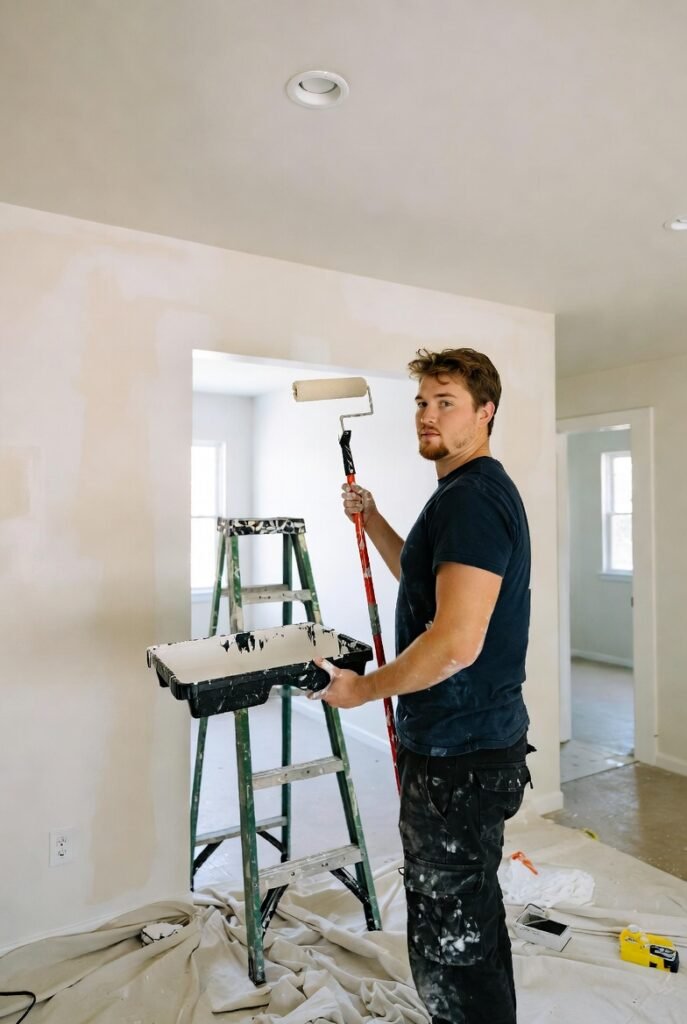
For an average-sized house, painting the interior usually takes between 2 and 6 days. This range accounts for rooms of 1,500 to 2,000 square feet. Preparation, including patching holes and sanding, often impacts the timeline. Applying multiple coats of paint can add extra time.
Smaller rooms or single rooms typically take less than a day to complete. Larger homes with more rooms or intricate details need more time. Using fast-drying paints and hiring more painters can reduce duration.
Exterior Painting Duration Estimates
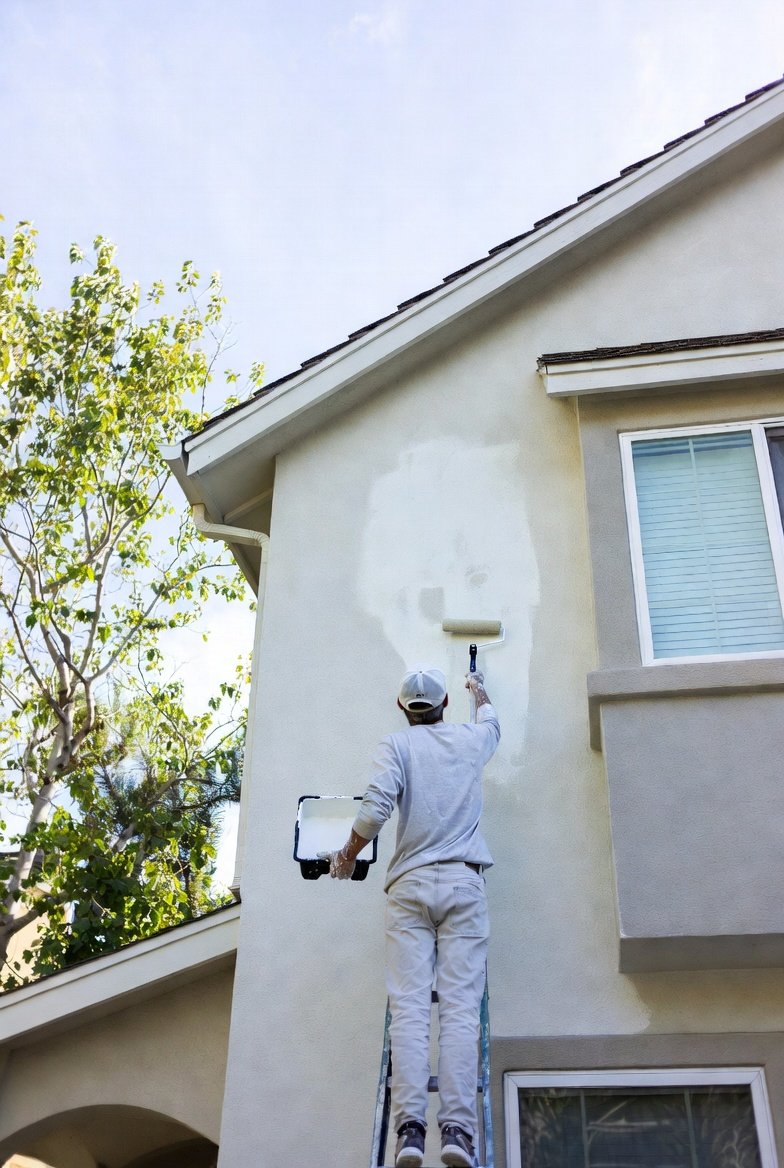
Painting the exterior depends heavily on house size and weather. A small to medium home’s exterior can take about 3 to 7 days. Larger houses or those with complex features may require 7 to 14 days or longer.
Environmental factors like rain or humidity often delay work. Surface preparation—such as scraping old paint and repairing siding—can add additional days to the process. The number of paint coats and drying times also influence total duration.
Time Differences by Project Scope
The project scope plays a critical role in overall timing. Painting a single room or section of a house generally takes a few hours to one day. Meanwhile, full-house jobs—including both interior and exterior—stretch from several days to two weeks.
Complex jobs, including detailed trim work or specialty finishes, demand more time and skills. On the other hand, simple repainting jobs with minimal prep may finish quickly. Hiring more painters and using quality materials also affect how fast the work progresses.
Key Factors Influencing Paint Job Duration
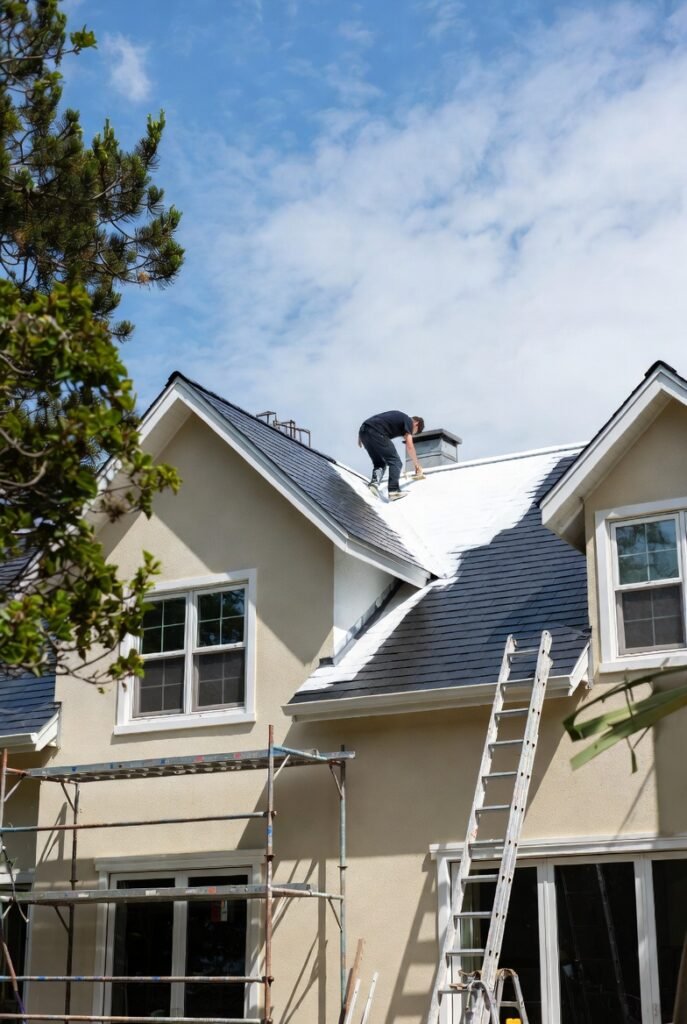
Several practical factors determine how long a paint job will take, affecting scheduling and costs. Understanding these helps set realistic timelines and plan each step carefully.
House Size and Type
The size of the house directly impacts painting time. Larger homes require more surface area to be covered, which naturally extends the timeline. For example, a small bungalow might take only a couple of days for an exterior paint job, while a multi-story house with complex architecture can take a week or more.
The type of house matters too. Older homes with detailed trim or unconventional shapes demand more precision and time than modern, box-shaped structures. Multi-family units or homes with lots of windows and doors also increase the workload, as every frame must be carefully painted and often requires additional prep.
Surface Preparation Requirements
Preparation is often the most time-intensive phase. I’ve found that thorough cleaning, scraping off old paint, sanding, and repairing damaged areas account for up to 30-50% of the total project time. Surfaces must be smooth and dry for paint to adhere properly.
Extensive repairs like wood rot replacement or patching stucco can significantly delay the painting process. If stripping old layers or applying primer is needed, these add layers of time. Skipping or rushing preparation leads to poor paint adhesion, which reduces durability.
Number of Coats
How many coats of paint are needed drastically affects the schedule. Typically, two coats are standard for optimal coverage and a professional finish. Some situations require a third coat, especially if the new color is lighter or dramatically different from the old.
Each coat needs adequate drying time before the next can be applied—usually 2 to 4 hours but sometimes longer depending on humidity, temperature, and paint type. I always factor these drying intervals explicitly in my planning to avoid rushed or uneven results.
Weather Conditions
Weather plays a critical role, especially for exterior painting. Ideal conditions are dry with moderate temperatures and low humidity. Rain, strong winds, or very hot or cold weather can delay work or compromise paint quality.
If rain is forecasted, I pause outdoor jobs since moisture impacts application and drying. High humidity slows drying time, increasing the overall duration. Knowing local weather patterns helps me schedule painting when conditions are optimal to keep things moving on time.
Professional Painters vs. DIY Timeline
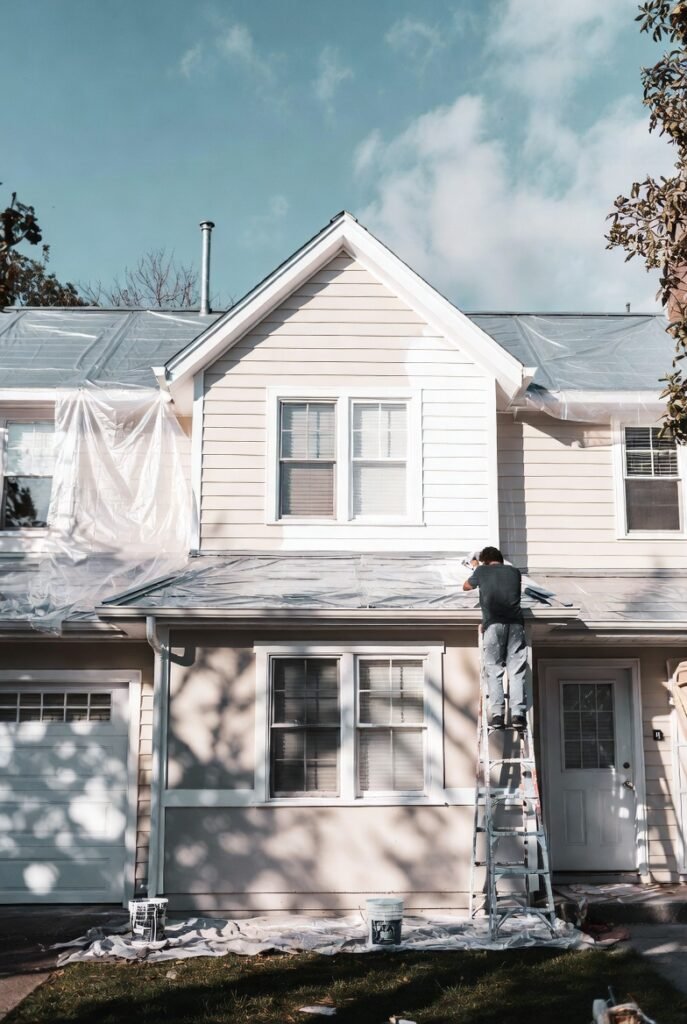
Painting a house involves different time commitments depending on whether you hire professionals or take on the task yourself. Factors like prep work, speed, and the complexity of the job influence how long the process takes in each case.
Efficiency of Professional Crews
Professional painters generally complete house painting faster due to their experience and specialized equipment. A typical exterior paint job on a medium-sized home (about 2,000–3,000 square feet) can take professionals 3 to 7 days. This timeline includes thorough prep work such as cleaning, sanding, and priming, which they manage efficiently.
Professionals often work in teams, allowing simultaneous tasks like prep, painting, and cleanup to overlap. Their use of high-quality tools and techniques also minimizes the chance of mistakes that could require rework. Weather delays can still impact their schedule, but professionals plan for these variables to keep the timeline on track.
Challenges in DIY Painting
DIY painting usually takes longer, often stretching over several weekends or even weeks, especially for inexperienced painters. Prep work alone can be time-consuming because it involves cleaning surfaces, taping edges, and fixing minor repairs without professional skills.
I find that equipment limitations and pacing also play a role. Amateurs may take longer for each coat, and the drying time between coats further extends the project length. Without a crew, all work falls on one or two people, making it hard to match a professional timeline.
Additionally, inconsistent application or insufficient prep can lead to early paint failure, requiring touch-ups that add more time. Balancing this with other commitments often spreads out the process even more.
Preparation and Drying Times
Proper surface preparation and allowing adequate drying time are essential to a successful paint job. These steps influence both the finish quality and the overall duration of the project. Skipping or rushing either can lead to issues like peeling or uneven coatings.
Preparation Steps and Time Needed
Preparation involves cleaning, scraping old paint, repairing damage, sanding, and priming. For an average 2,000 square foot house, I typically allocate 1 to 3 days for these tasks. The exact time depends heavily on the house’s condition and the extent of repairs needed.
I focus on thorough cleaning first, removing dirt and mildew to ensure paint adhesion. Any cracks or rotted wood must be fixed before painting. Priming is also important, especially on bare wood or patched areas, because it improves coverage and durability.
Estimated Drying and Curing Time
Drying times vary by paint type and weather conditions. Latex or acrylic paints usually dry to the touch within 2 to 4 hours but need 24 hours to cure fully. Oil-based paints take longer—typically 6 to 12 hours to dry and up to several days to cure.
Between coats, I allow at least 4 to 6 hours of drying to prevent smudging and ensure proper layering. For high-gloss or satin finishes, extra drying time reduces brush marks and streaking. Humidity and temperature also play a role, so I monitor those before scheduling each step.
Ways to Reduce Painting Time
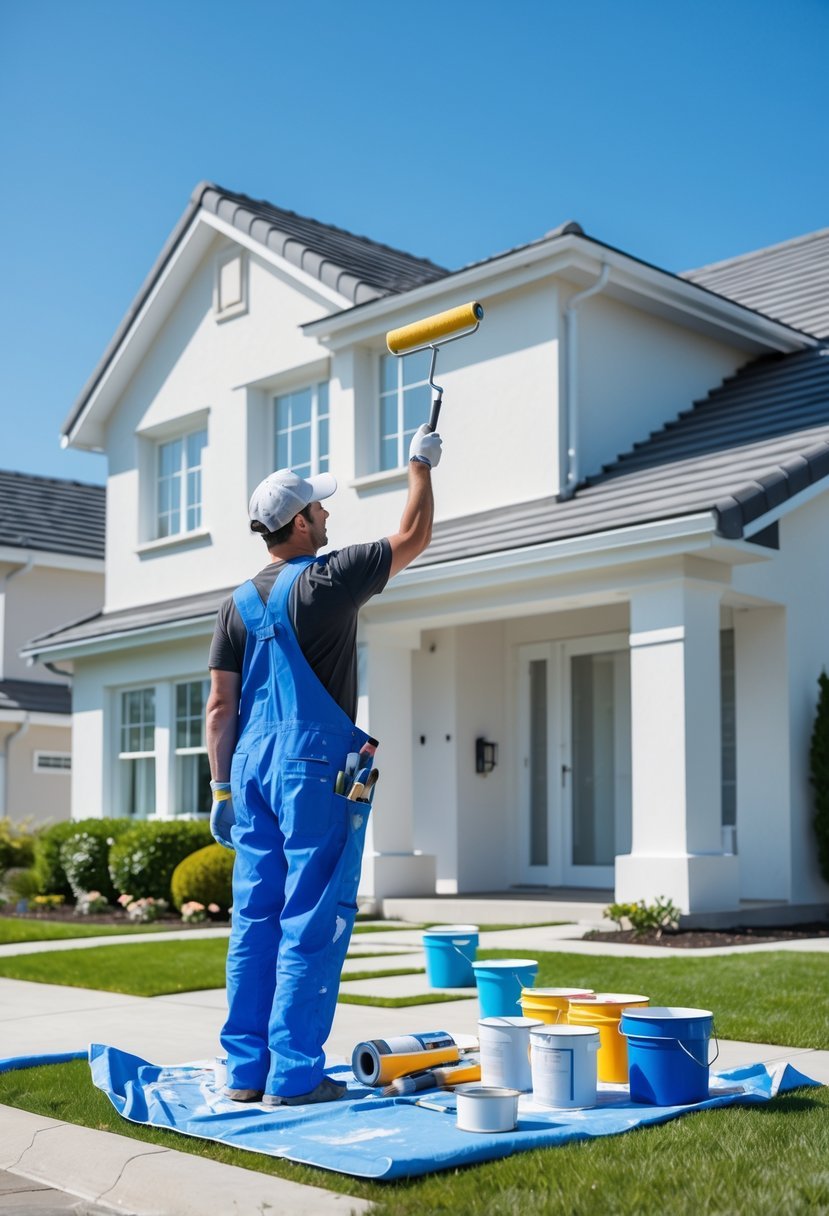
Efficiently managing your project and choosing the right materials can significantly shorten the painting process. Focusing on preparation and proper tools helps avoid unnecessary delays and ensures a smoother workflow.
Proper Planning and Scheduling
I start by breaking down the painting job into clear steps and setting realistic time frames for each. For example, I allocate specific days for prep work like cleaning, sanding, or repairs before any paint touches the surface. This avoids overlap and last-minute rushes.
Scheduling painting during favorable weather conditions is critical, especially for exteriors. Dry, warm days speed up drying times and reduce wait periods between coats. I also coordinate the number of painters available; more hands can cut the timeline but require organized task division.
Using a checklist helps me track progress and identify potential bottlenecks. Planning the order of rooms or house sections to paint methodically reduces backtracking or reworking painted areas.
Selecting the Right Tools and Materials
I choose high-quality brushes, rollers, and sprayers tailored to the paint type and surface texture. For bigger surfaces, a paint sprayer can dramatically cut application time compared to rollers or brushes.
The paint itself matters — quick-dry formulas or two-in-one primer and paint mixtures reduce the number of required coats and speed up transitions. I always check the paint’s recommended drying times and select products that match my project schedule.
Efficient masking tools and drop cloths prevent time-consuming cleanups. I use painter’s tape that peels off cleanly and covers edges precisely, which minimizes touch-ups.
Having all materials prepped and within reach helps maintain steady progress. This reduces downtime caused by searching for or mixing supplies during the job.