16 Cape Cod Kitchen Ideas to Bring Coastal Charm Home
There’s something undeniably refreshing about a Cape Cod kitchen. It instantly transports you to a breezy seaside cottage, where the light is always soft and the vibe is effortlessly relaxed. I’ve always loved how this style balances timeless elegance with a cozy, lived-in feel that welcomes everyone who walks in.
In this list, I’ll share 16 authentic ways to bring that classic New England charm into your own home. From quintessential color palettes to architectural details like beadboard and shiplap, these ideas will help you design a space that feels bright, airy, and perfectly coastal.
1. Start with a Crisp White Foundation
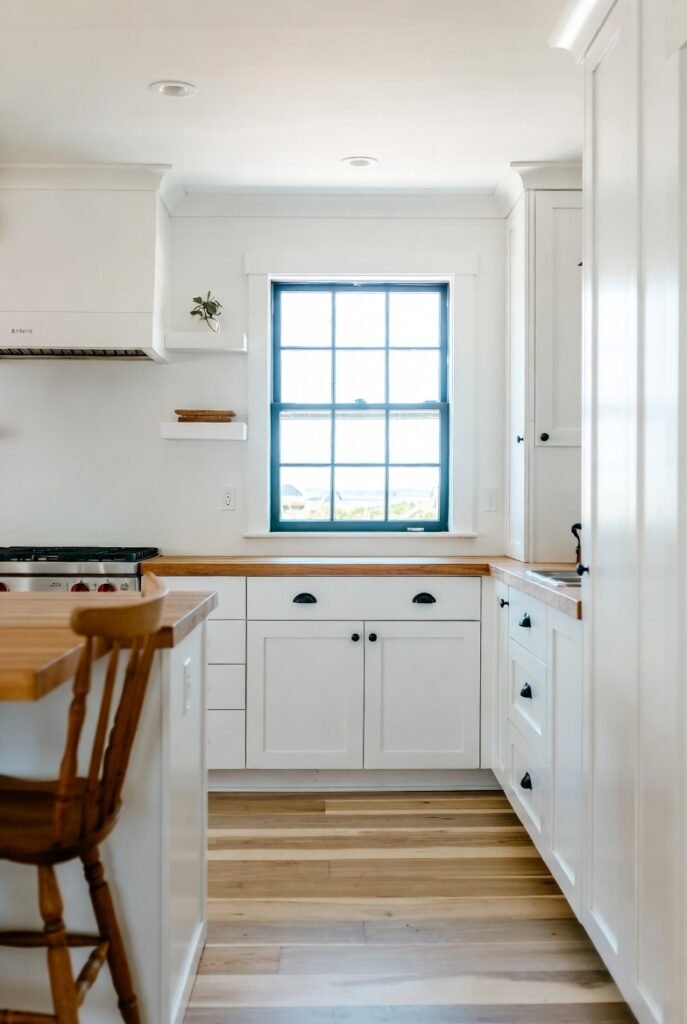
I believe the secret to any great Cape Cod kitchen lies in its base color. A crisp, clean white reflects natural light and makes the room feel expansive, mimicking the bright, sun-drenched cottages of the coast. According to the 2023 Houzz Kitchen Trends Study, white remains the top choice for cabinets (40%) and walls (35%), proving its staying power.
To keep it from feeling sterile, I recommend choosing a white with subtle warm undertones. This creates a soft backdrop that allows your other coastal elements, like wood textures or blue accents, to truly pop.
2. Embrace Shaker-Style Cabinetry
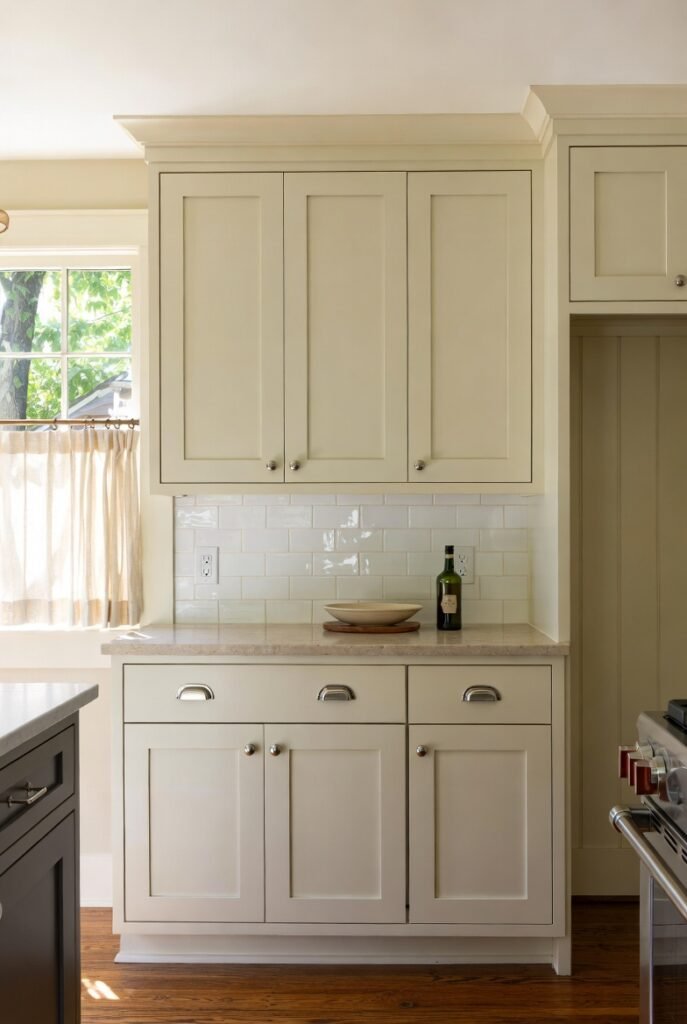
For cabinetry that feels both traditional and current, I always turn to Shaker style. Its clean lines and simple recessed panels are a hallmark of American craftsmanship and fit perfectly with the unpretentious nature of Cape Cod design.
You aren’t alone if you love this look; statistics show that 61% of renovating homeowners choose Shaker-style doors. I find they offer the perfect canvas for classic hardware, grounding the kitchen in history without looking dated.
3. Install Authentic Beadboard Paneling
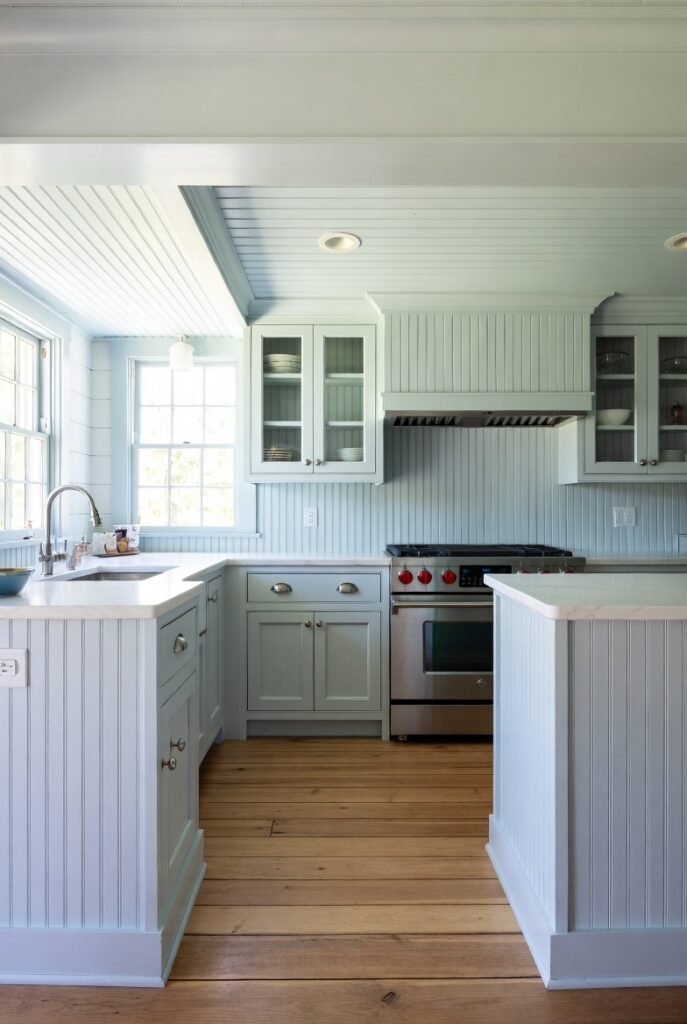
Nothing says “coastal cottage” quite like beadboard. I love using this narrow, vertical paneling on islands, backsplashes, or even ceilings to add instant texture and visual interest. It evokes the historic charm of early New England interiors.
I suggest painting your beadboard a soft white or a pale nautical blue. It breaks up flat wall surfaces and adds a layer of architectural detail that makes the kitchen feel custom-built and cozy.
4. Layer in Serene Blue Accents
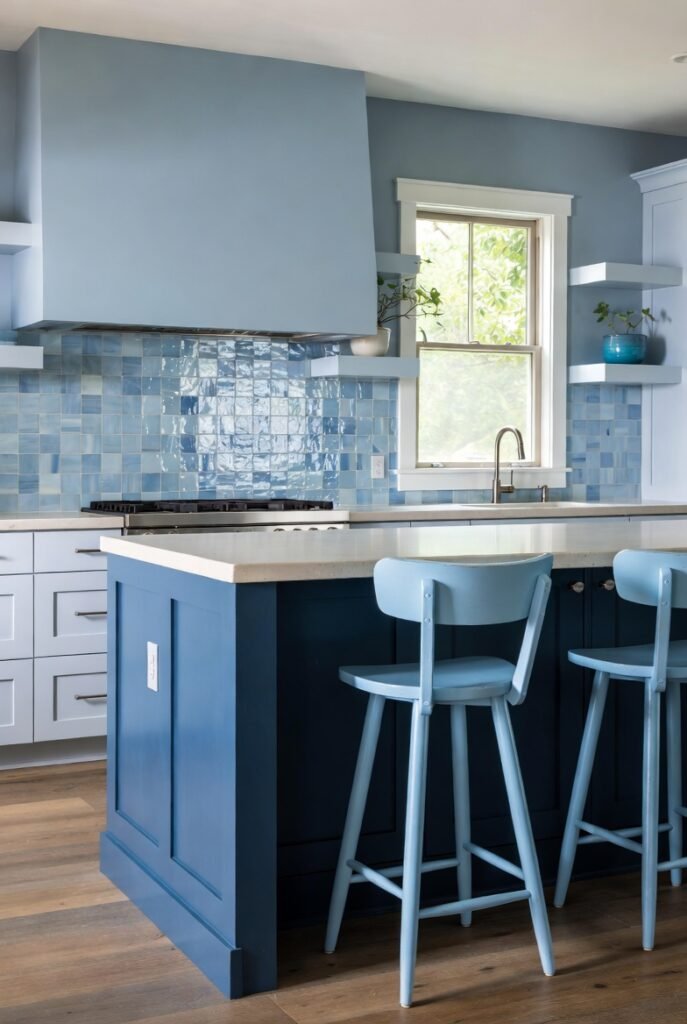
To capture the essence of the ocean, I like to weave in various shades of blue. Whether it’s a navy island, powder blue barstools, or a backsplash of sea-glass tiles, blue anchors the room and reinforces the maritime theme.
You don’t have to go overboard; even small touches make a big impact. I find that layering different hues—from deep indigo to soft sky blue—creates a sophisticated, water-inspired palette that feels serene rather than kitschy.
5. Opt for an Apron-Front Sink
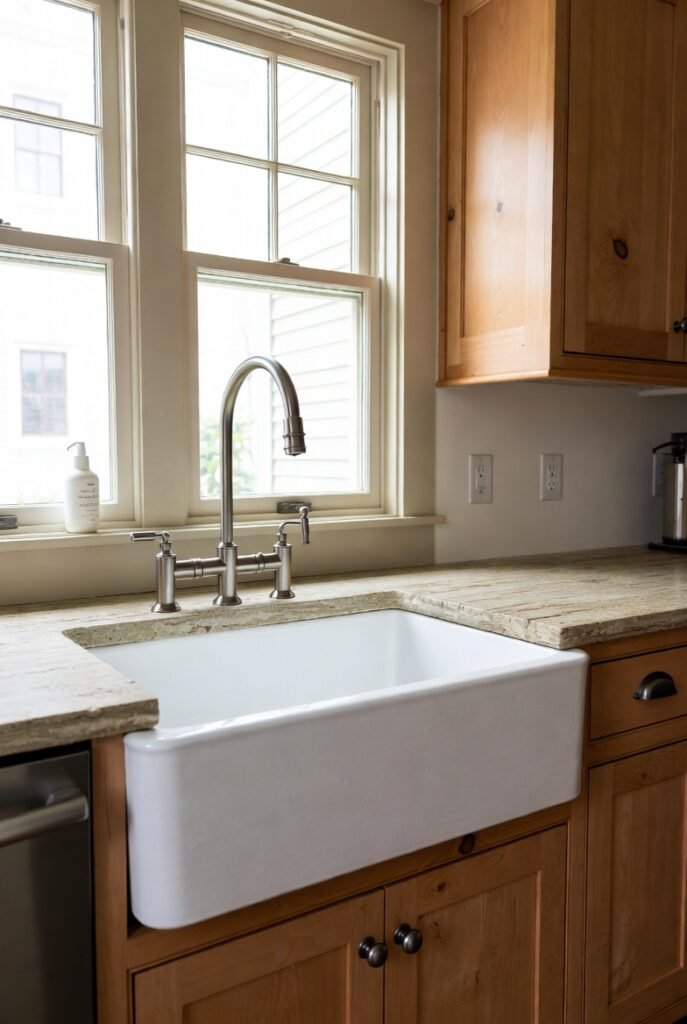
A farmhouse or apron-front sink is a practical centerpiece that I find essential for this aesthetic. Its deep, wide basin is perfect for washing large pots after a family seafood boil, and the exposed front adds a lovely rustic touch.
I prefer a classic white fireclay or porcelain material for that authentic look. It pairs beautifully with stone countertops and bridges the gap between old-world utility and modern style.
6. Choose Quartz Countertops for Durability
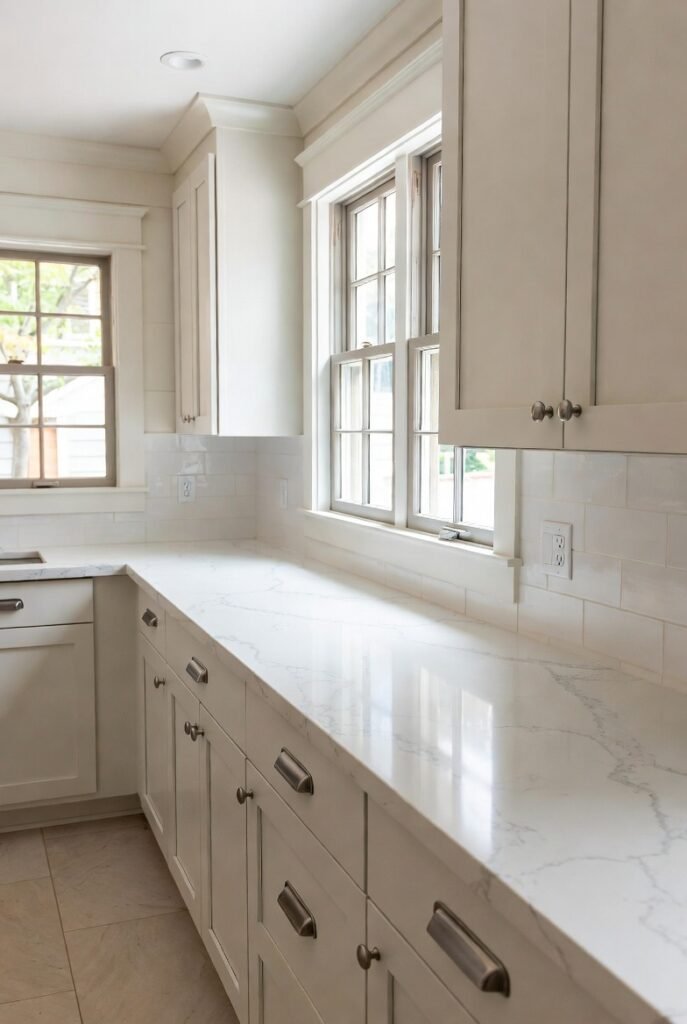
While I love the look of natural stone, I often recommend quartz for its resilience and ease of maintenance. It mimics the look of marble or granite but holds up better against stains and scratches, which is perfect for a busy kitchen.
Houzz data shows that durability is a top priority for 57% of homeowners choosing countertops. I suggest a white or light gray quartz with subtle veining to keep the look airy while ensuring your surfaces last for years.
7. Warm It Up with Wood Flooring
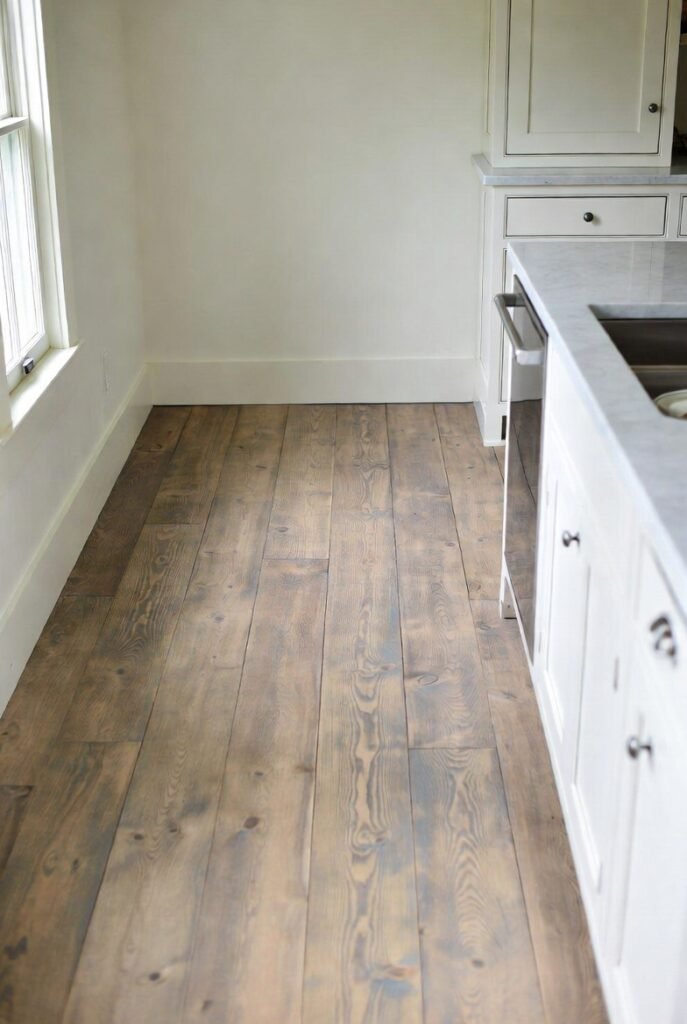
To balance all the white and cool blues, I like to introduce warmth through wood flooring. Wide-plank oak or pine floors, perhaps with a weathered or matte finish, bring an earthy, organic element that grounds the space.
About 25% of renovators choose hardwood flooring for its timeless appeal. I find that lighter, natural wood tones work best in Cape Cod kitchens, evoking the look of driftwood and sandy shores.
8. Add Texture with Woven Accents
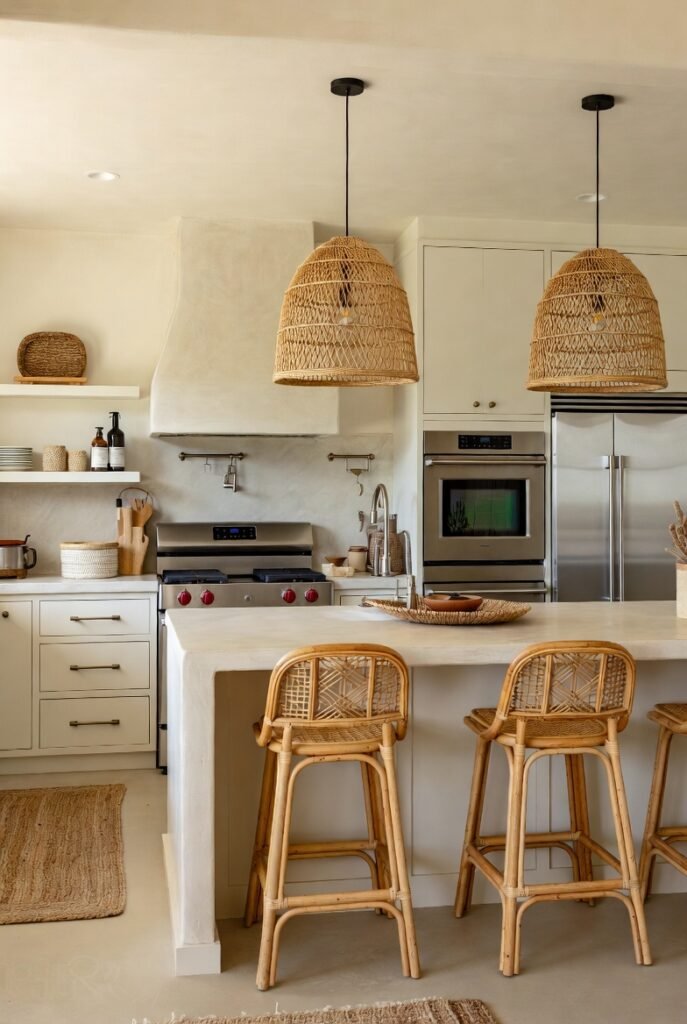
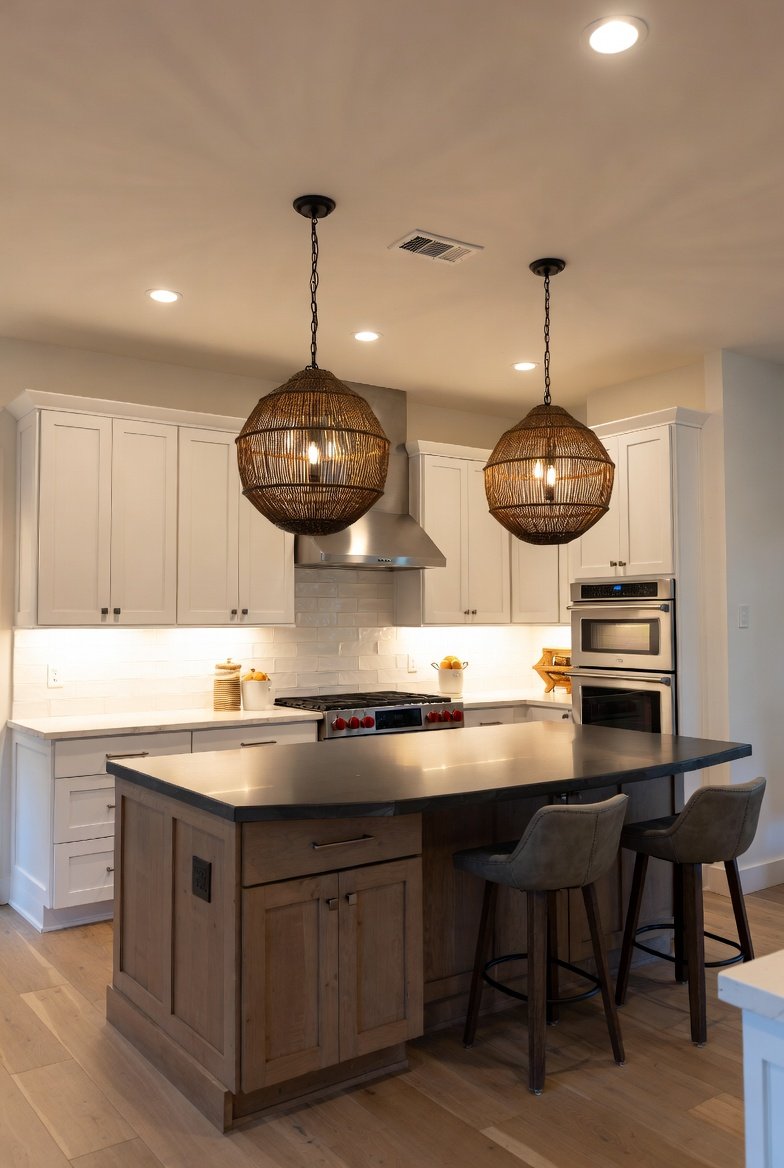
I always incorporate natural textures to prevent a coastal kitchen from feeling too polished. Woven elements like rattan pendant lights, wicker barstools, or jute rugs add necessary warmth and a casual, beachy vibe.
These organic materials soften the hard surfaces of appliances and stone counters. I find they bring a relaxed, vacation-like atmosphere that makes the kitchen feel inviting and comfortable.
9. Install Open Shelving
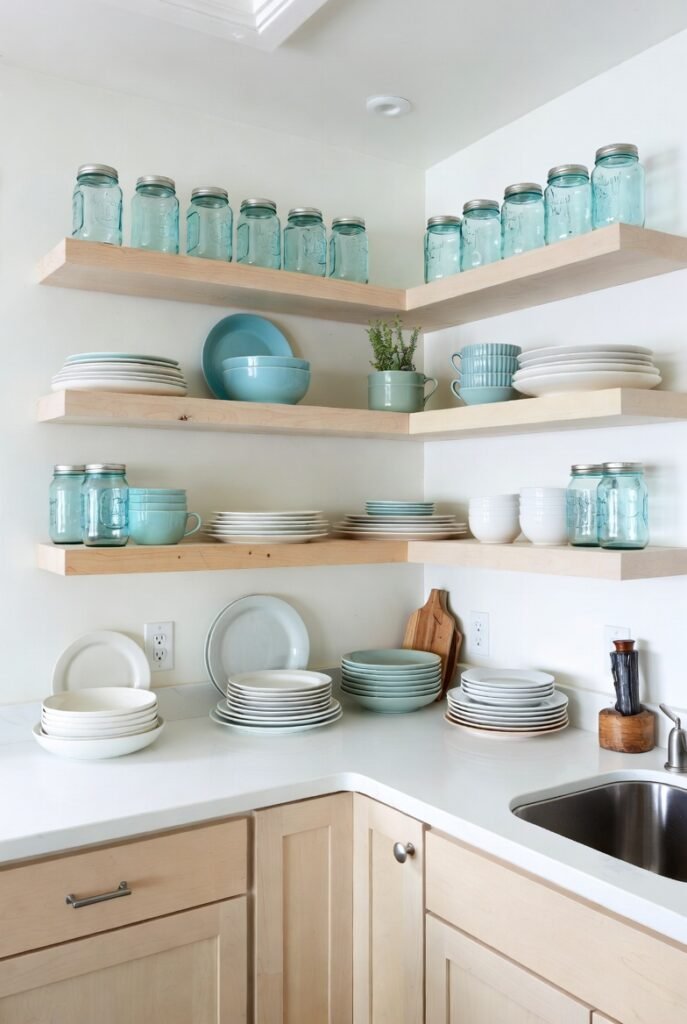
Open shelving is a fantastic way to keep the kitchen feeling open and breezy. I love using wood or white floating shelves to display pretty dishware, blue mason jars, or vintage sea glass collections.
It encourages you to keep clutter to a minimum and keep your most-used items within reach. I find that swapping out just a few upper cabinets for open shelves instantly makes a small kitchen feel larger and airier.
10. Incorporate Glass-Front Cabinets
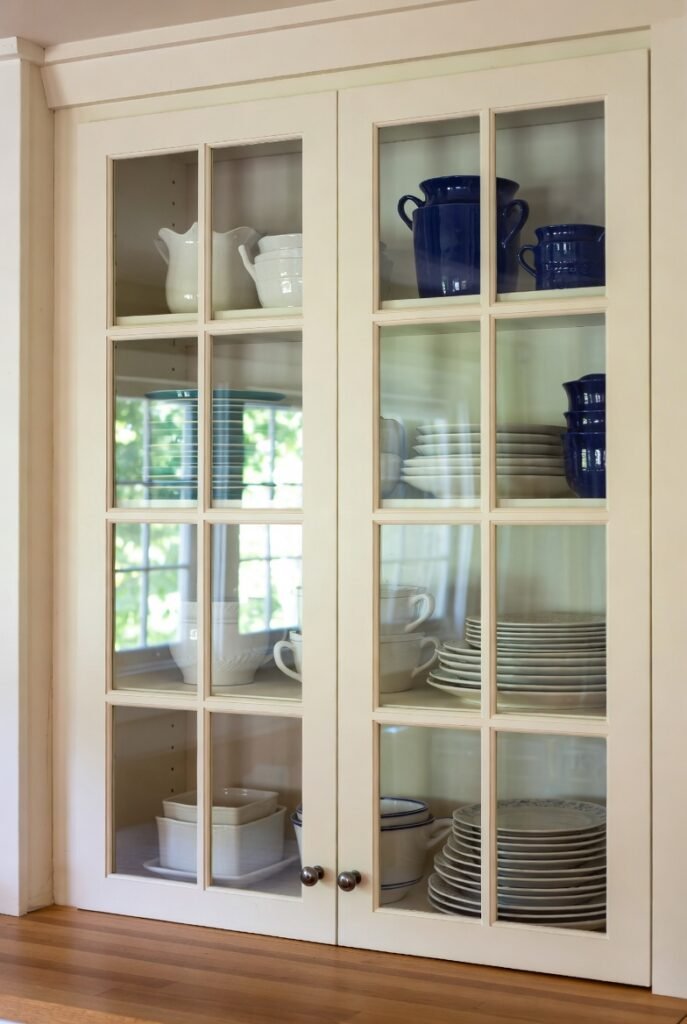
If open shelving feels too messy for you, I recommend glass-front cabinets as a polished alternative. They offer the same airy feeling by reflecting light and breaking up heavy blocks of cabinetry, but they keep dust away from your dishes.
I suggest using mullion glass doors (the ones with the grid pattern) for a more traditional cottage look. Displaying your favorite white or blue ceramicware inside adds a pop of color that feels intentional and curated.
11. Select Brushed Nickel or Bronze Hardware
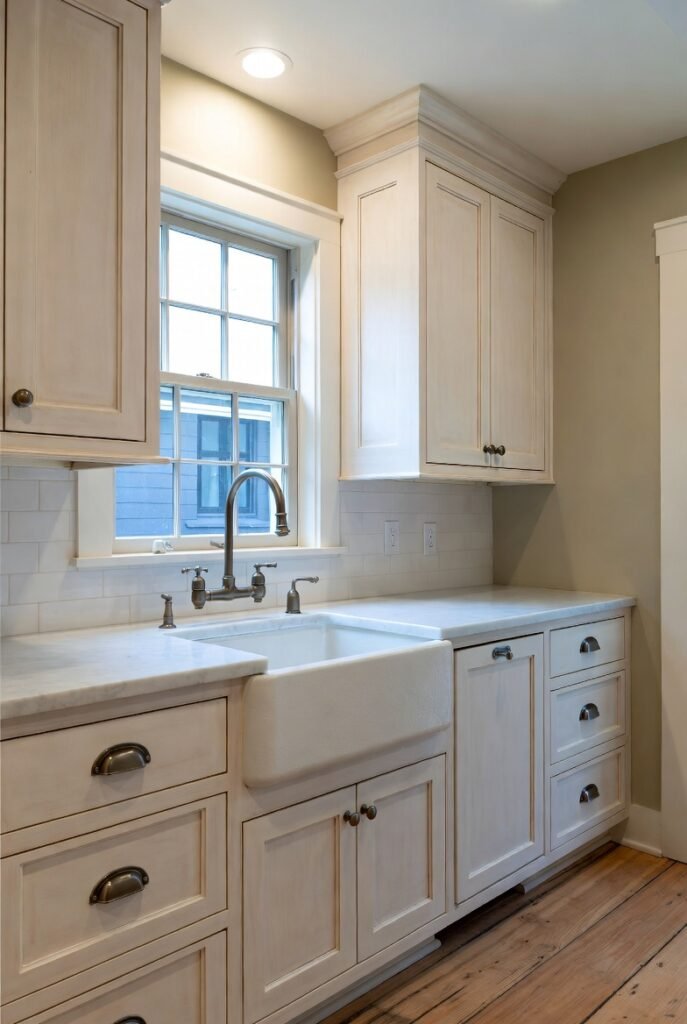
The hardware you choose acts like jewelry for your kitchen. For a Cape Cod look, I steer towards brushed nickel or oil-rubbed bronze. These finishes feel timeless and withstand trends better than shiny chrome or gold.
Cup pulls on drawers and simple knobs on doors are classic choices. I find that these understated finishes complement the shaker cabinets and farmhouse sink perfectly, tying the whole look together.
12. Create a Cozy Eat-In Nook
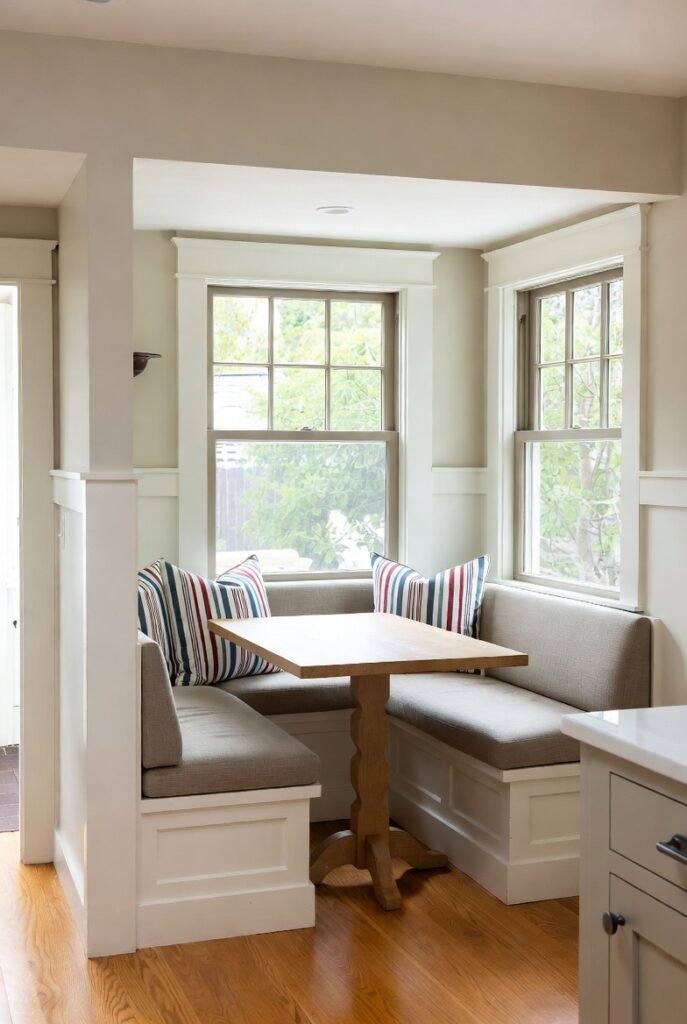
Cape Cod kitchens are all about gathering, so I love carving out a dedicated eat-in space. A built-in banquette with comfortable cushions creates a cozy spot for morning coffee or casual family dinners.
I recommend placing it near a window to maximize natural light. Adding a few nautical-striped pillows or a simple timber table makes this nook the favorite seat in the house.
13. Brighten with Statement Lighting
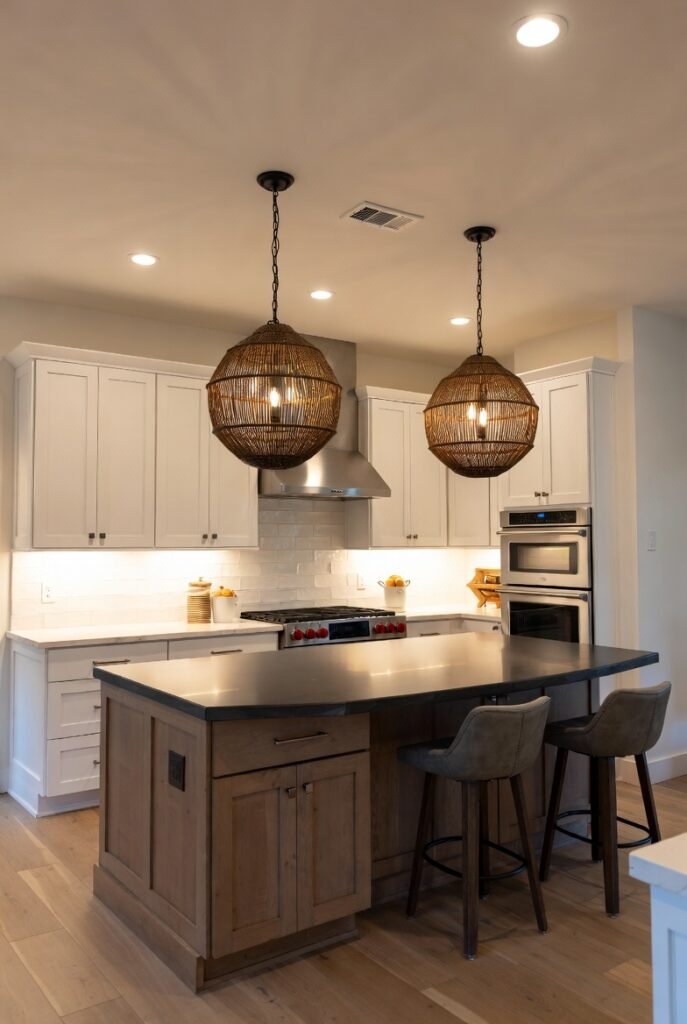
Lighting is key to setting the mood. I prefer using statement pendants over the island, such as lantern-style fixtures or woven domes, to draw the eye upward and anchor the workspace.
According to design trends, 72% of renovators are upgrading to recessed lights for general brightness, but pendants remain the top choice (64%) for island flair. I find that layering these light sources ensures the room feels bright and functional at any time of day.
14. Use Subway Tile for a Classic Backsplash
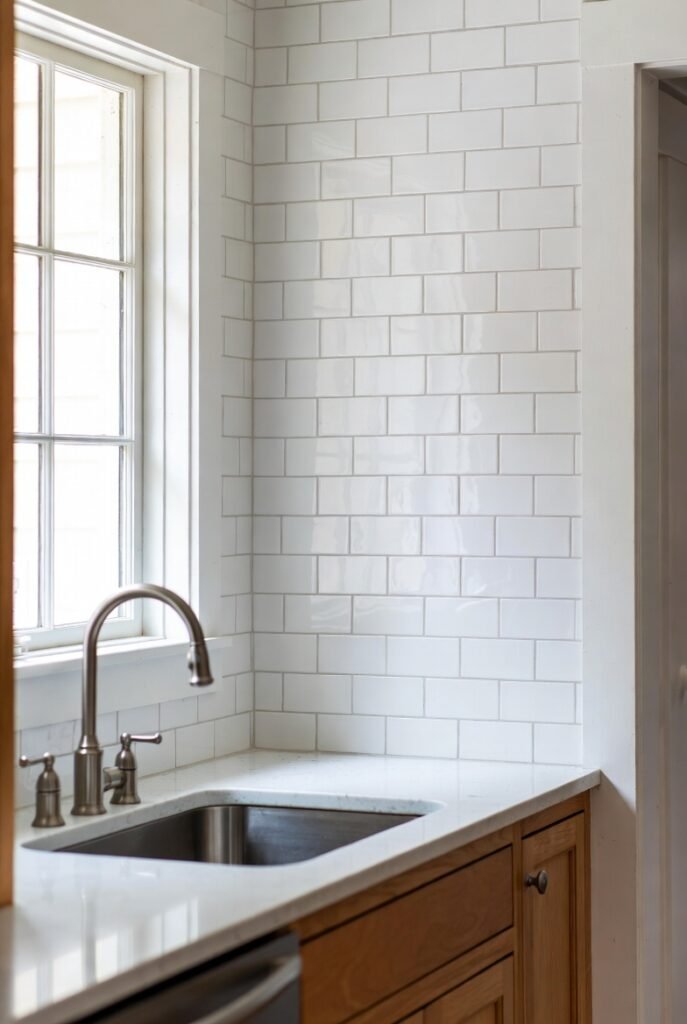
You can never go wrong with a classic subway tile backsplash. I love its clean, simple lines which reflect the horizontal siding often found on Cape Cod exteriors. It’s affordable, timeless, and easy to clean.
While white is the standard, I sometimes suggest a soft gray or pale blue grout to add subtle definition. It keeps the look traditional but adds a tiny hint of modern personality.
15. Feature a Contrast Island
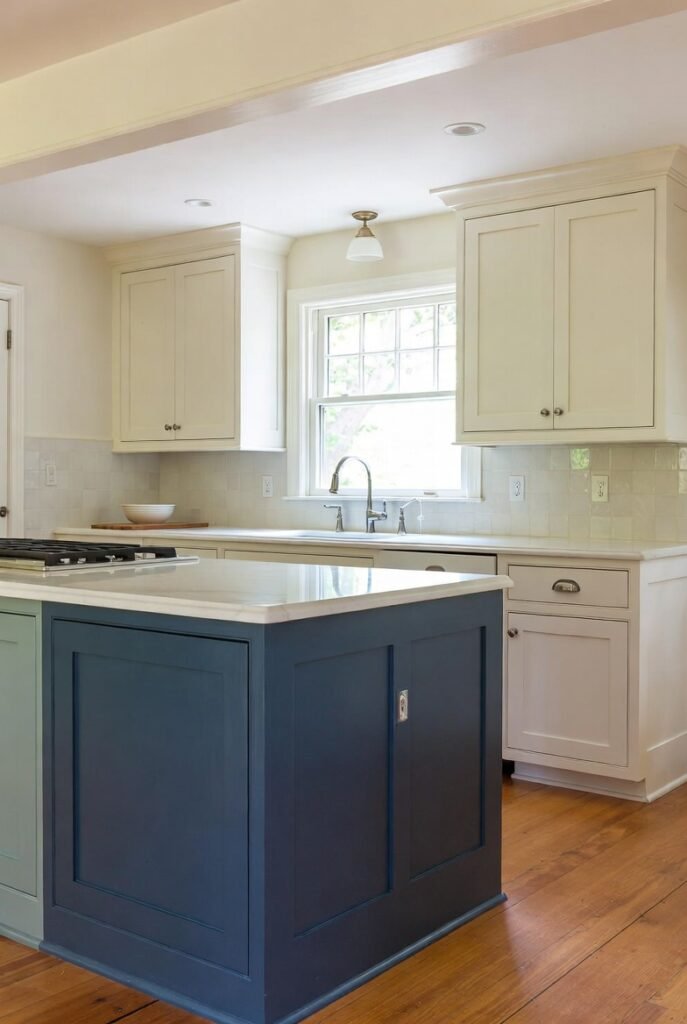
Adding a contrasting color to your island is a great way to break up an all-white kitchen. I love painting the island a deep navy, charcoal, or even a soft sage green to create a striking focal point.
Houzz data notes that 46% of homeowners choose a contrasting island color. I find this design move adds depth and dimension, grounding the center of the room while keeping the perimeter cabinets light and airy.
16. Finish with Nautical Decor
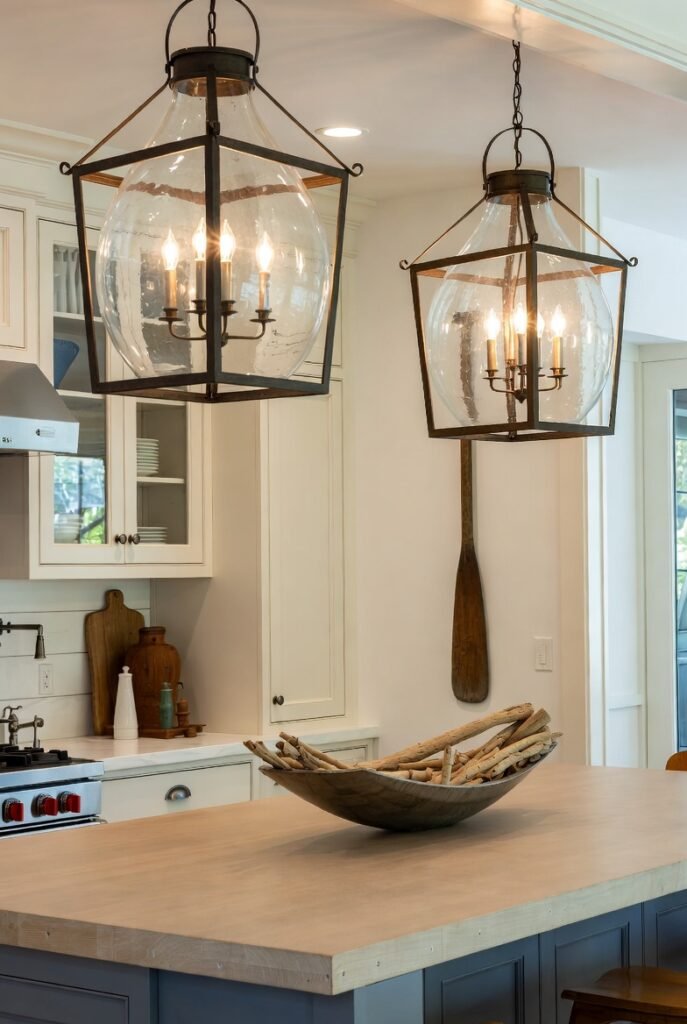
Finally, I like to sprinkle in a few nautical decor pieces to complete the theme. Think oversized glass lanterns, a vintage oar on the wall, or a simple bowl of driftwood on the counter.
The key is subtlety; I avoid going overboard to keep it chic rather than kitschy. A few well-placed items are all you need to nod to the coastal location and infuse the room with personality.
Bottom Lines
Designing a Cape Cod kitchen is about more than just aesthetic; it’s about creating a feeling of ease and welcome. By combining these classic elements—light colors, natural textures, and functional design—you build a space that stands the test of time.
If you’re ready to transform your kitchen into a coastal retreat, start by picking one or two of these ideas to implement. You might be surprised at how quickly a fresh coat of white paint or some woven textures can change the entire atmosphere of your home.