15 Accent Wall Ideas That Transform Small Bedrooms From Cramped to Cozy
Small bedrooms often get a bad reputation for feeling boxy or limiting, but I see them as the perfect opportunity for bold design. With the average bedroom size in the U.S. hovering around 132 square feet, maximizing style without sacrificing floor space is essential.
In this guide, I will show you how an accent wall can create depth, add personality, and even trick the eye into seeing a larger room. You will discover practical, stylish solutions that range from quick weekend paint jobs to renter-friendly hacks that require zero power tools.
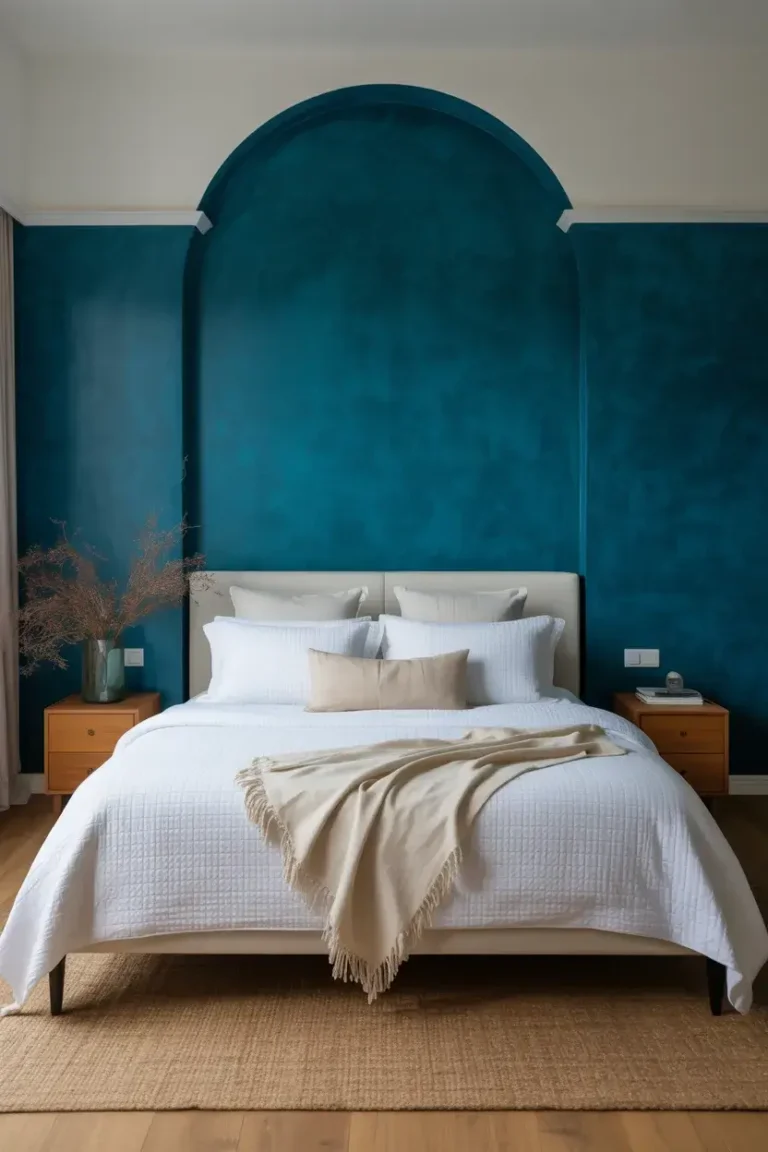
1. Go Dark for Depth
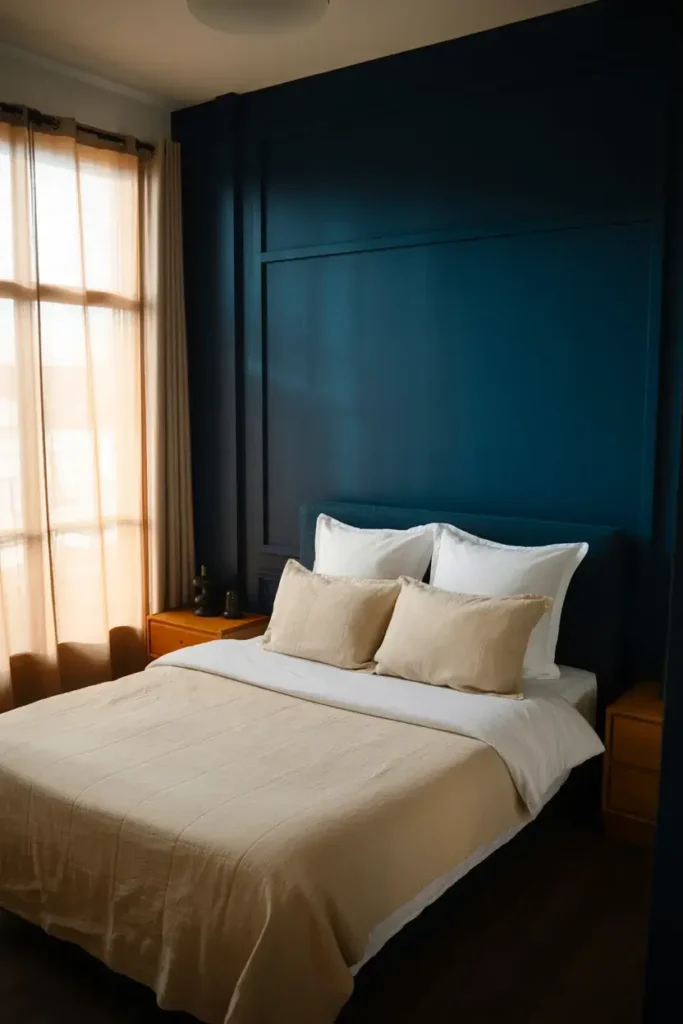
I love using a deep, rich color on the wall behind the bed. While many people fear dark colors in small spaces, a deep navy, charcoal, or forest green actually recedes visually.
This creates an illusion of depth that pushes the wall back, making the room feel larger than it is. To keep the vibe cozy rather than cave-like, I pair dark walls with light bedding and plenty of natural light.
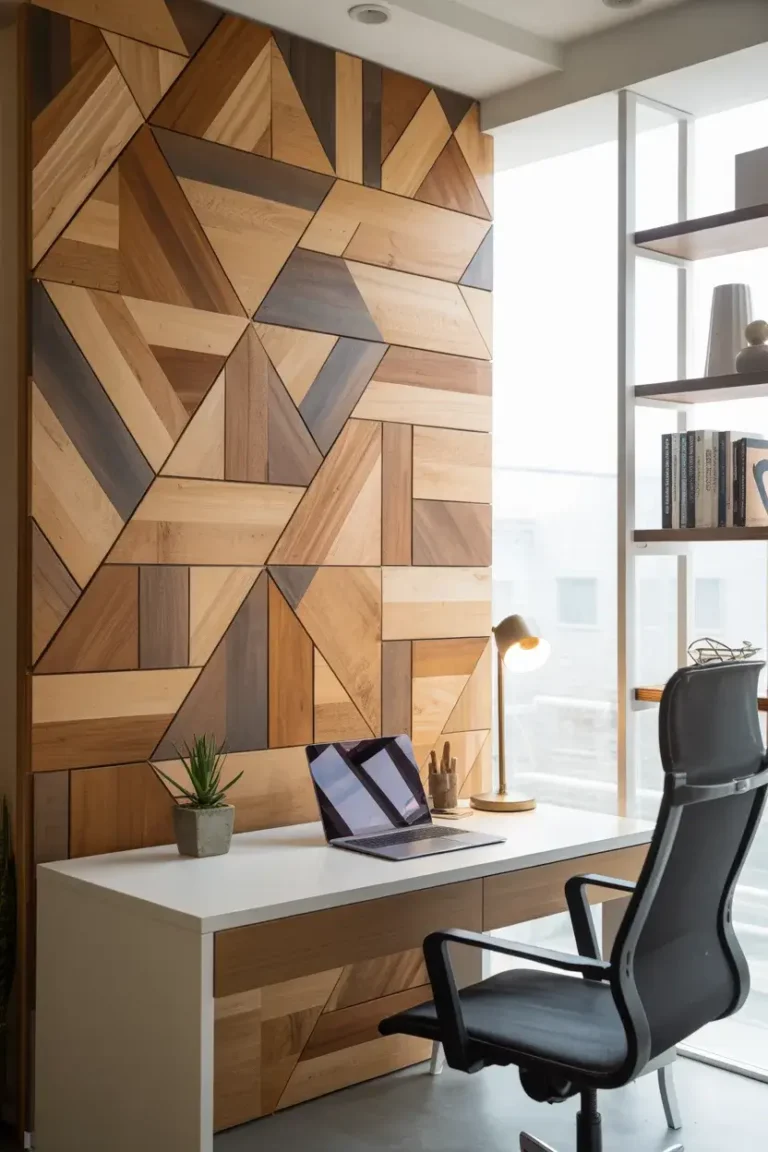
2. Vertical Wood Slats
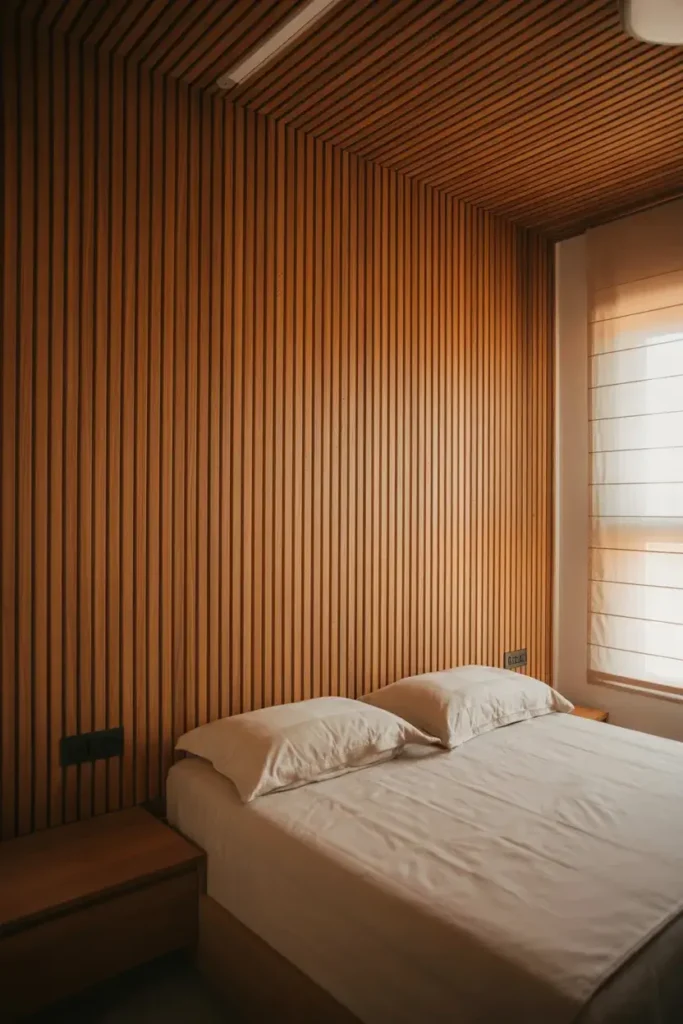
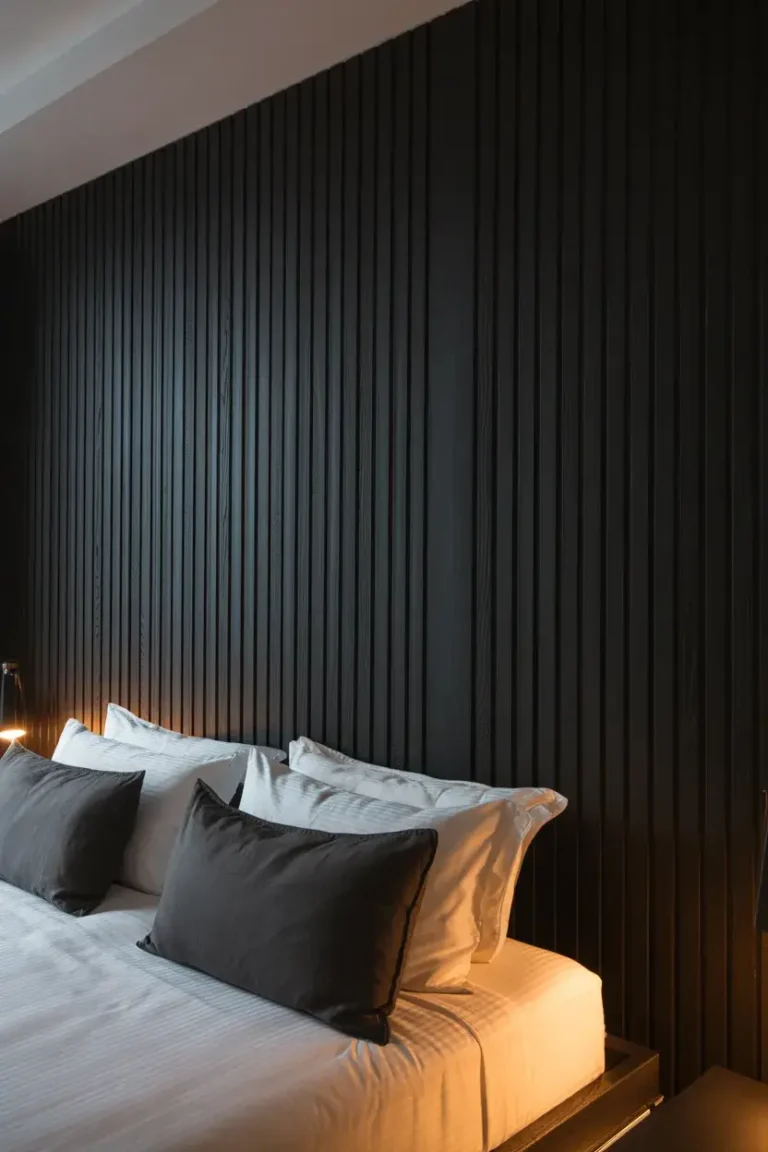
If your ceilings feel low, vertical wood slats are my secret weapon. By installing thin wooden strips from floor to ceiling, I guide the eye upward, instantly emphasizing the vertical height of the room.
You can buy pre-made acoustic panels or cut the wood yourself for a custom look. This adds warmth and texture without encroaching on your valuable floor space.
3. Renter-Friendly Peel-and-Stick Wallpaper
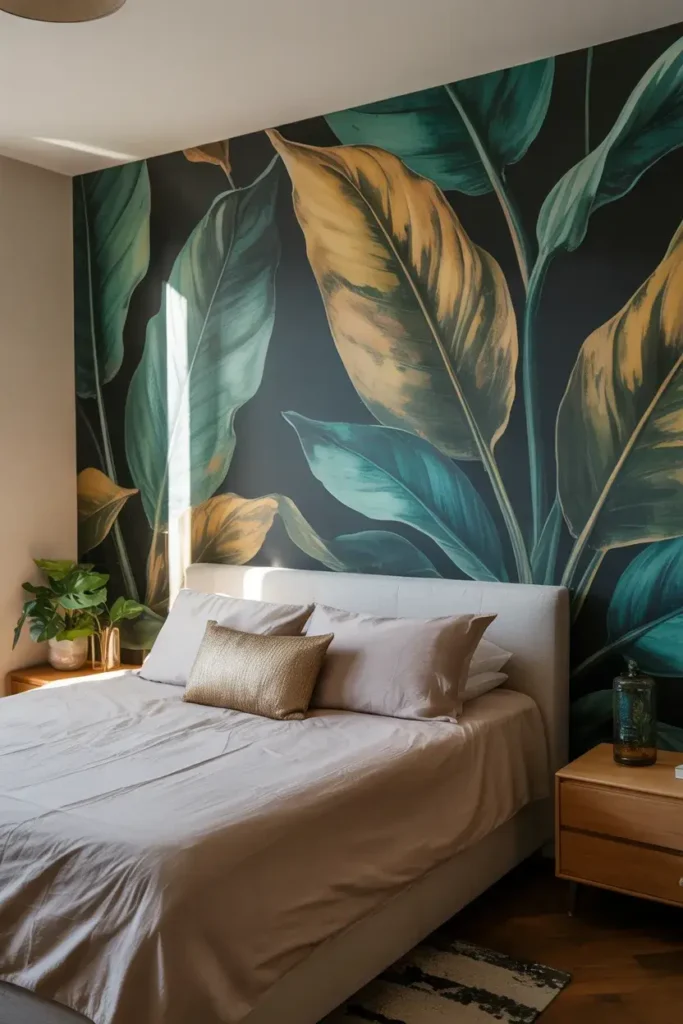
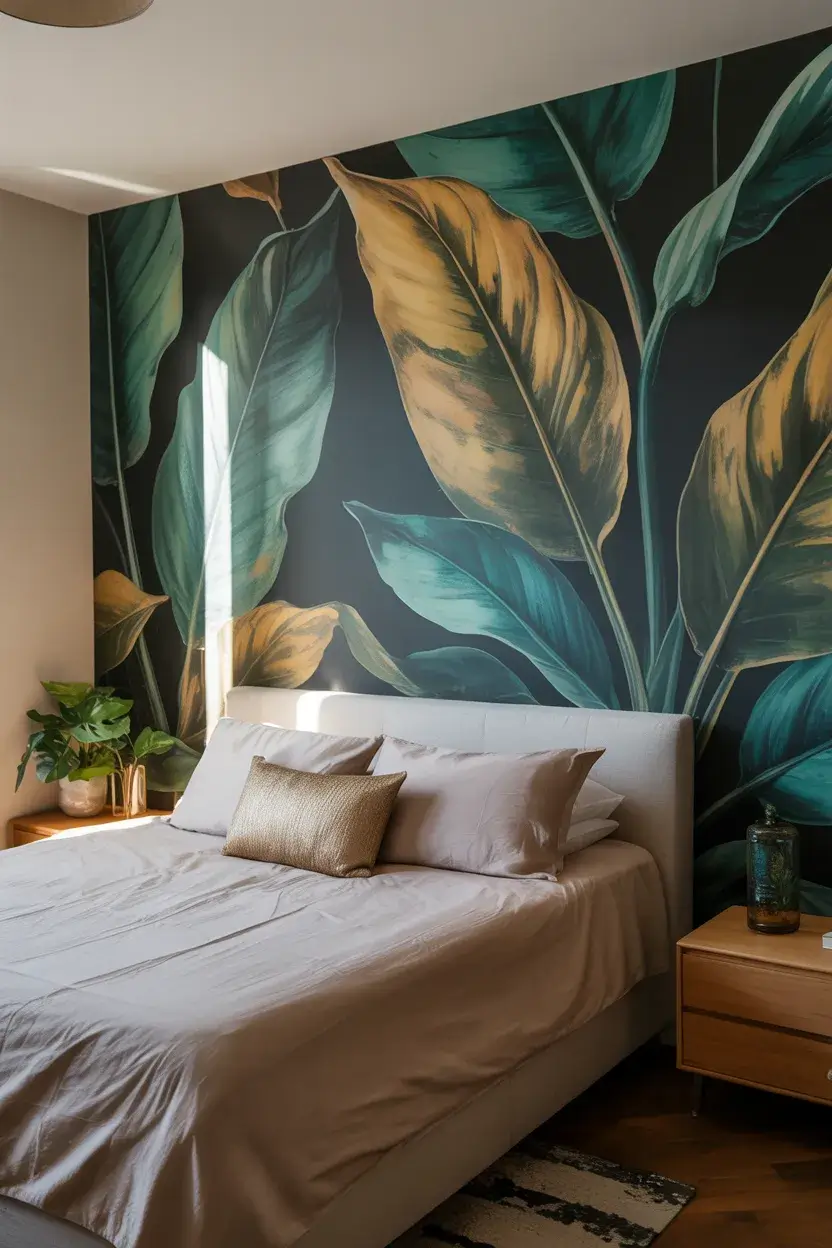
For those renting their home, peel-and-stick wallpaper is a game changer. The market for these removable papers has exploded recently, meaning you have endless high-quality patterns to choose from.
I suggest choosing a large-scale print for a small room. It might seem counterintuitive, but tiny patterns can look cluttered, while a big floral or geometric design feels expansive and intentional.
4. The Painted Arch
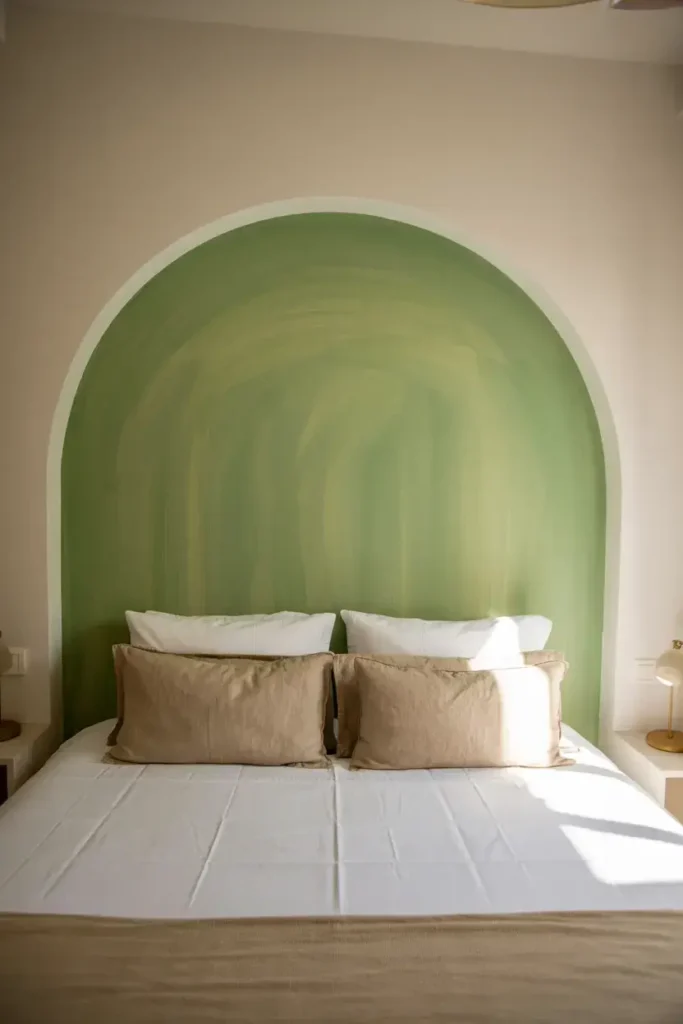
I find that painting a simple arch behind the bed creates a stunning focal point. It acts as a visual headboard, which is perfect if you are working with a tight budget or a bed frame that takes up too much room.
You only need a quart of paint, some painter’s tape, and a string to trace the curve. It adds a soft, organic shape to a room that is otherwise full of straight lines and corners.
5. Mirrored Wall Panels
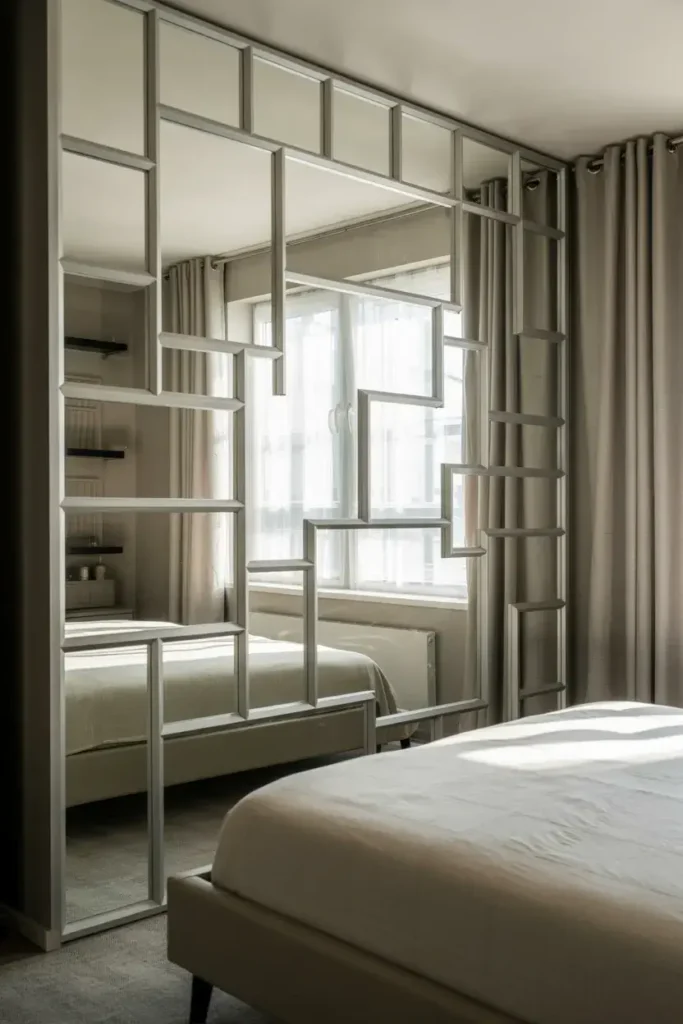
Mirrors are the oldest trick in the designer’s book for a reason. I use large mirrored panels or a collage of smaller mirrors to bounce light around the room.
This effectively doubles the visual space and brightens up dark corners. Place the mirrors opposite a window to maximize the reflection of natural light.
6. Two-Tone Color Blocking
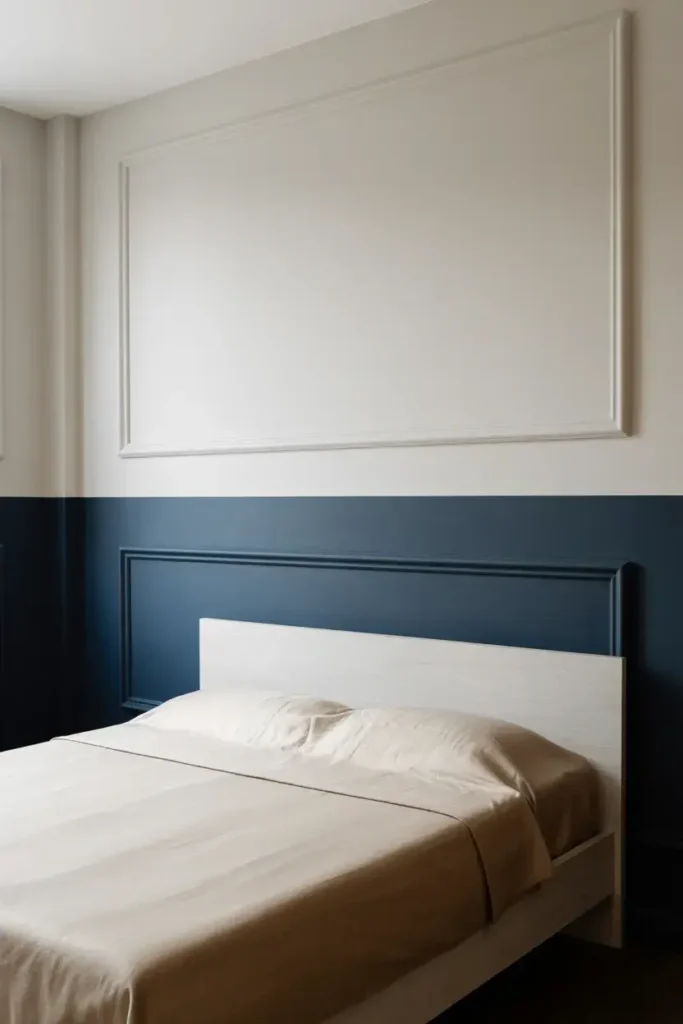
I often use a “half-wall” painting technique to trick the eye. By painting the bottom third of the wall a darker color and the top two-thirds a lighter shade (or white), you ground the space while keeping it airy.
This technique mimics architectural details like wainscoting but costs a fraction of the price. It creates a neat horizontal line that widens the appearance of the wall.
7. A Curated Gallery Wall
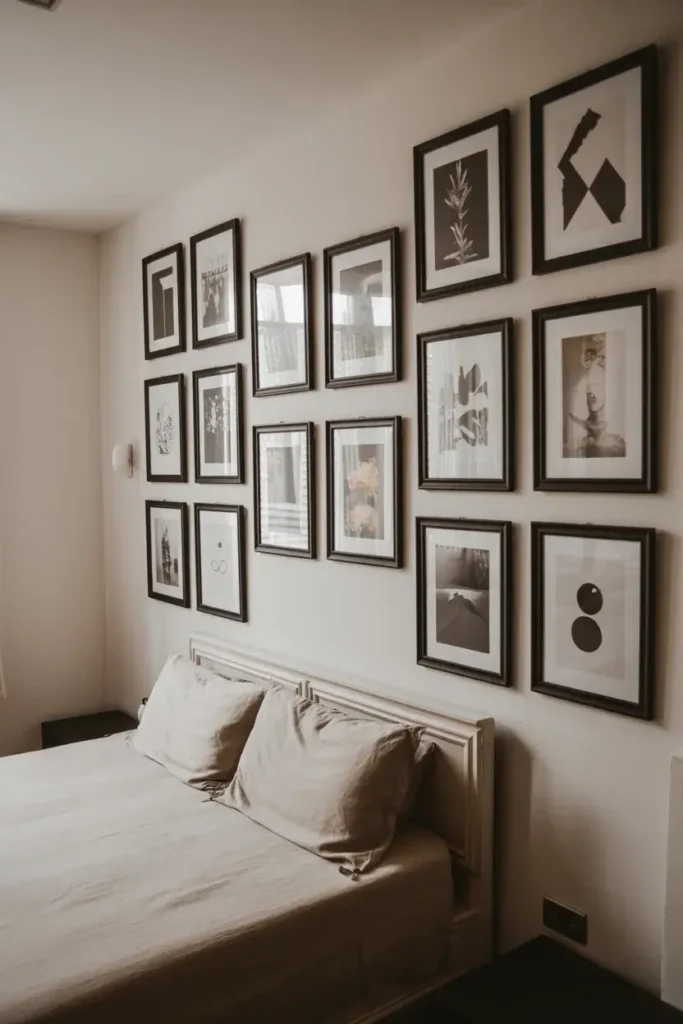
A gallery wall allows you to display your personality without cluttering surfaces. I prefer using matching frames for a cohesive look in small spaces to avoid visual chaos.
Plan your layout on the floor before hammering any nails. This ensures you get the spacing right and keeps your collection looking curated rather than messy.
8. DIY Board and Batten
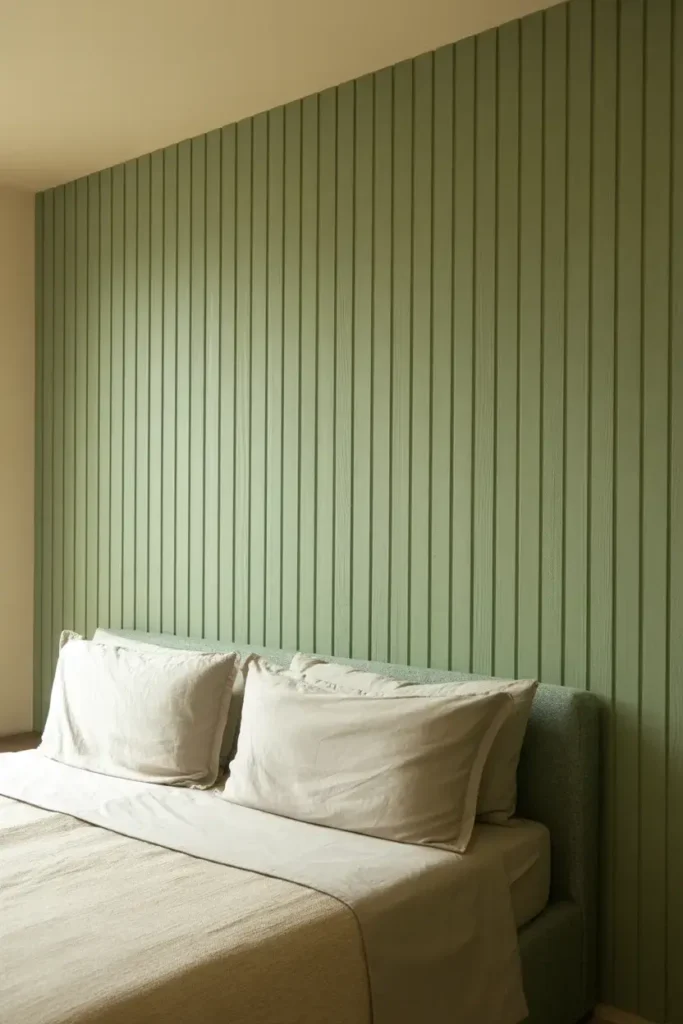
Board and batten adds architectural interest and sophistication. I attach thin strips of wood or MDF to the wall in a grid or vertical pattern and then paint everything—including the wall—the same color.
This monochromatic look adds texture and shadow without overwhelming the senses. It makes a standard builder-grade room feel custom and high-end.
9. Oversized Mural
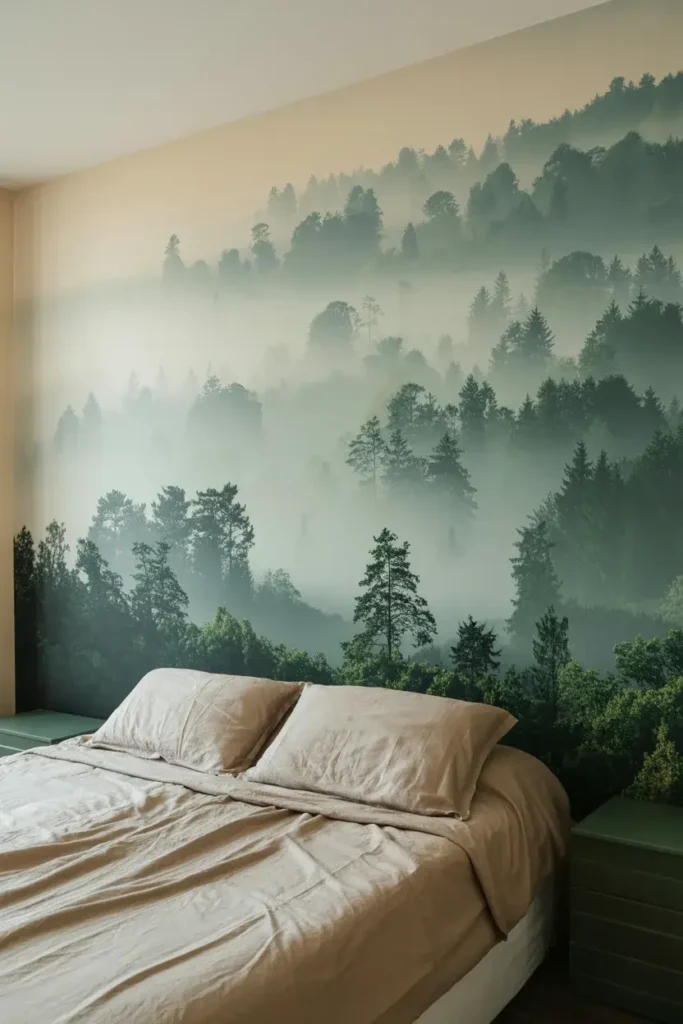
Scenic murals transport you to another place entirely. I recommend landscape murals like misty forests or clouds for small bedrooms because they blur the boundaries of the wall.
When you look at a landscape, your brain registers distance. This psychological trick makes the wall feel like a window into a vast world, reducing the feeling of confinement.
10. Floating Shelves
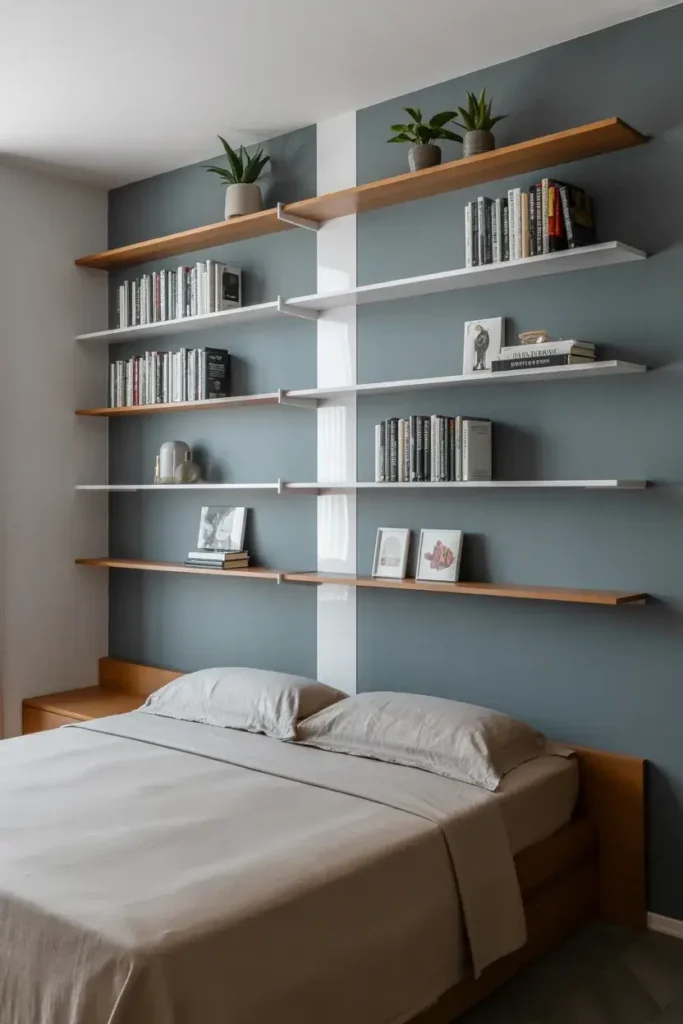
When floor space is at a premium, I go vertical with storage. Installing floating shelves as an accent wall provides a place for books, plants, and art without a bulky bookcase.
Keep the styling minimal to maintain an open feel. I group items in odd numbers, like threes or fives, which tends to look more pleasing to the eye.
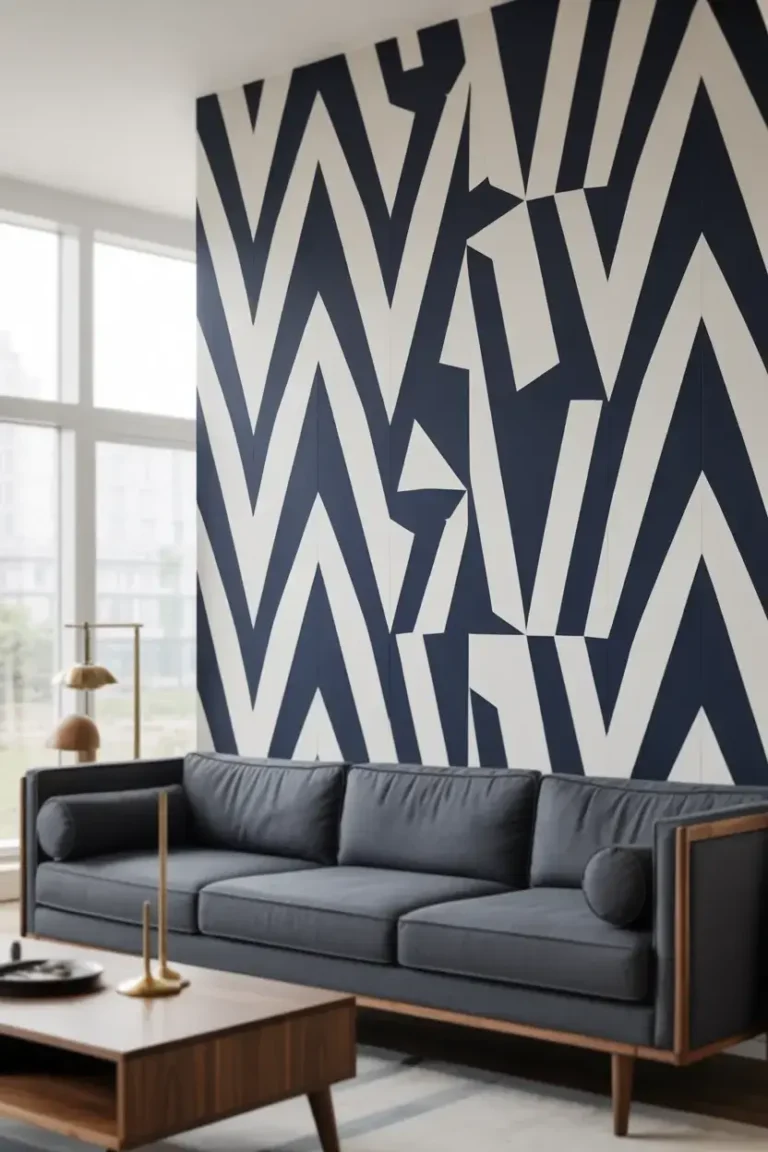
11. Geometric Tape Design
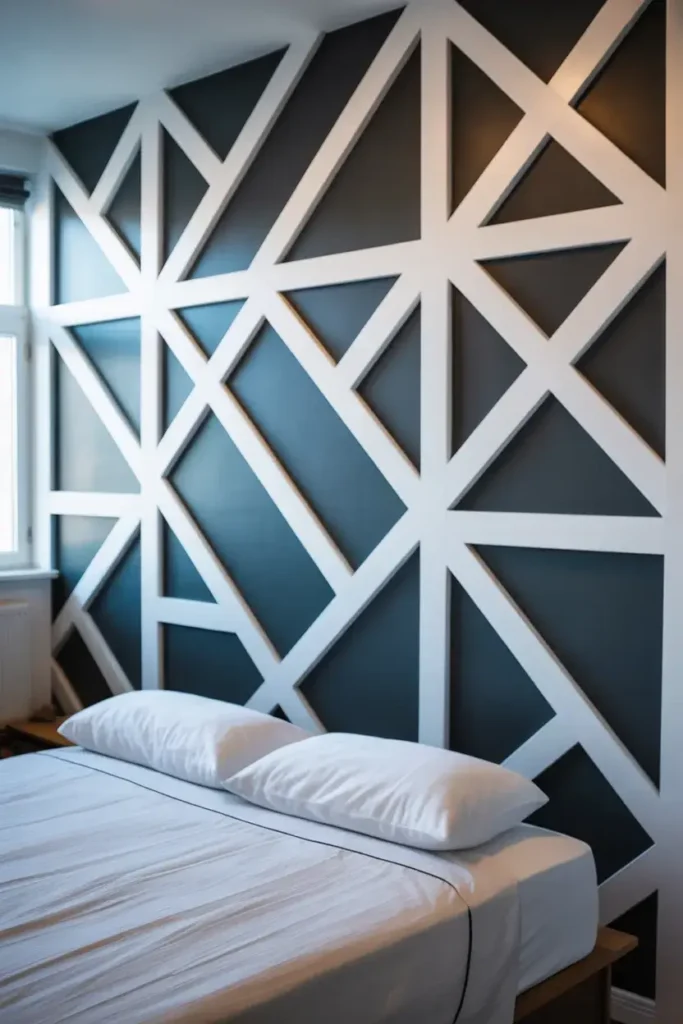
For a modern and edgy look, I use painter’s tape to create geometric shapes. You simply tape off a design—triangles, diamonds, or abstract lines—and paint over the wall.
Once you peel the tape back, you reveal crisp lines in the original wall color. It is a high-impact, low-cost project that you can finish in a single afternoon.
12. Faux Brick or Stone
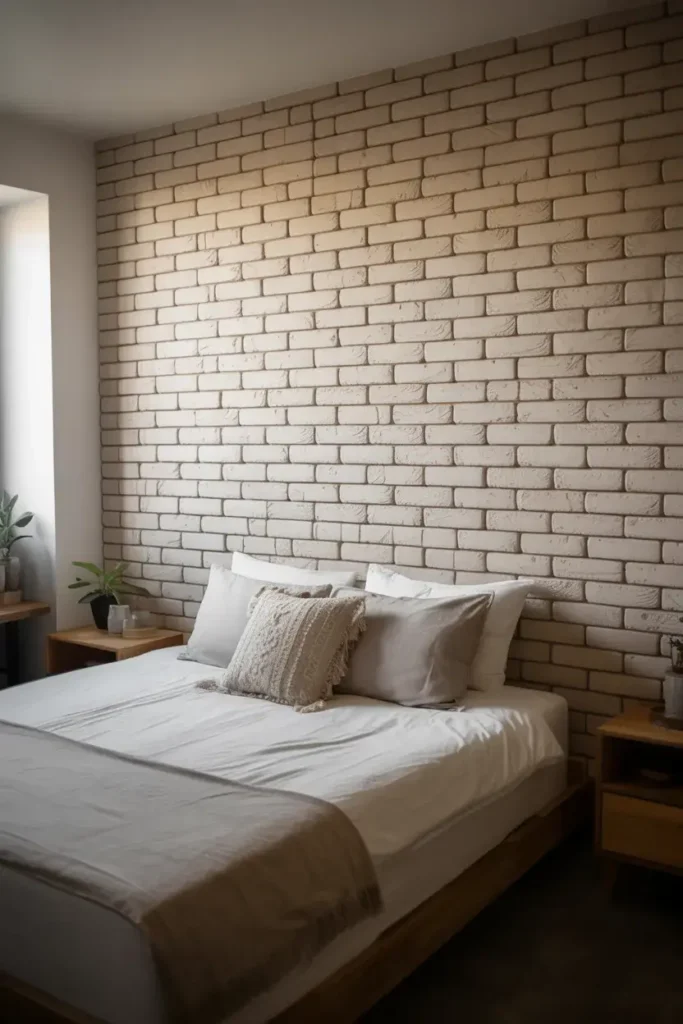
Texture brings warmth to a small bedroom that paint alone cannot achieve. I use high-quality peel-and-stick faux brick panels to add an industrial or rustic loft vibe.
White-washed brick is particularly effective because it adds that desired texture while keeping the room bright. It serves as a perfect backdrop for a minimalist or bohemian style bed.
13. Horizontal Shiplap
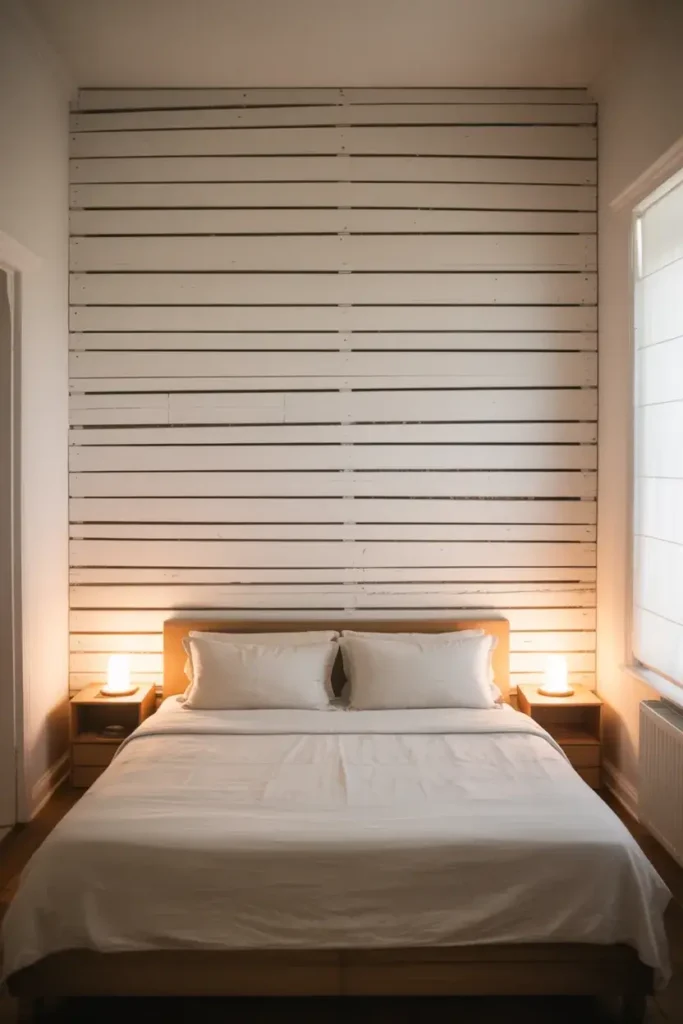
Just as vertical lines add height, horizontal lines add width. I install shiplap boards horizontally to make a narrow room feel wider and more spacious.
You can use real wood or even plywood strips for a budget-friendly version. Painting them white keeps the look classic and farmhouse-fresh, while black adds a modern moodiness.
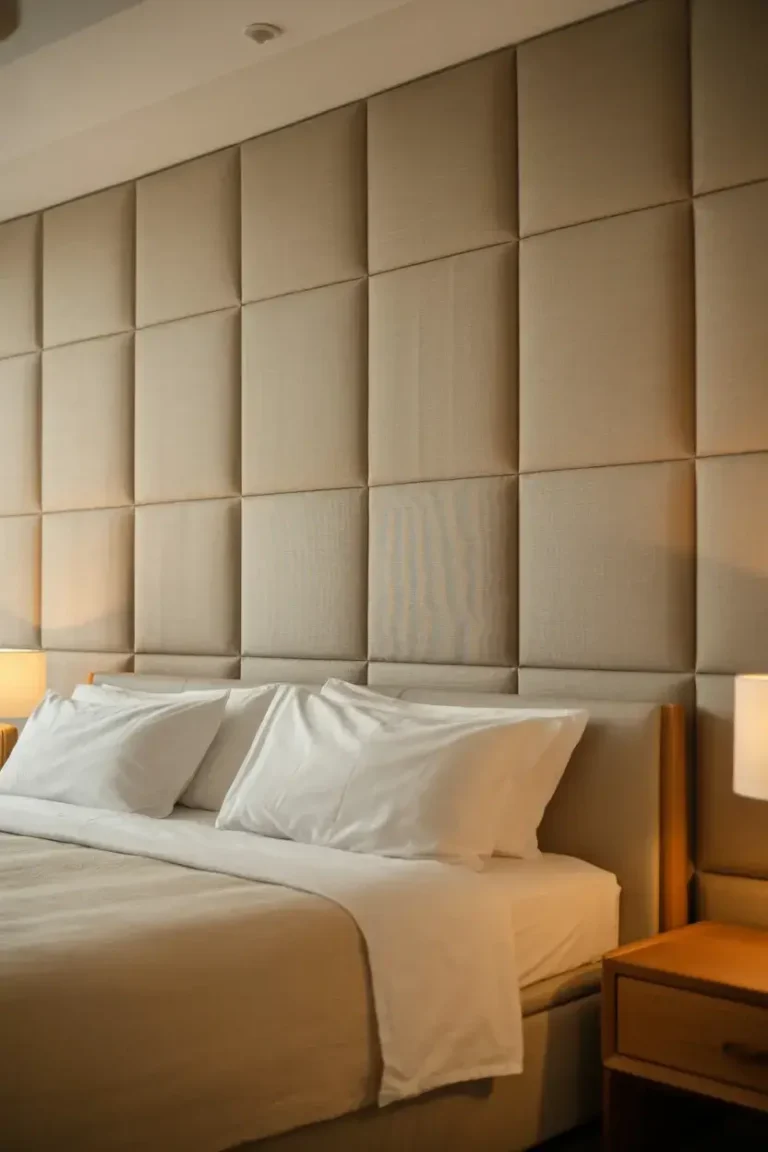
14. Fabric or Tapestry
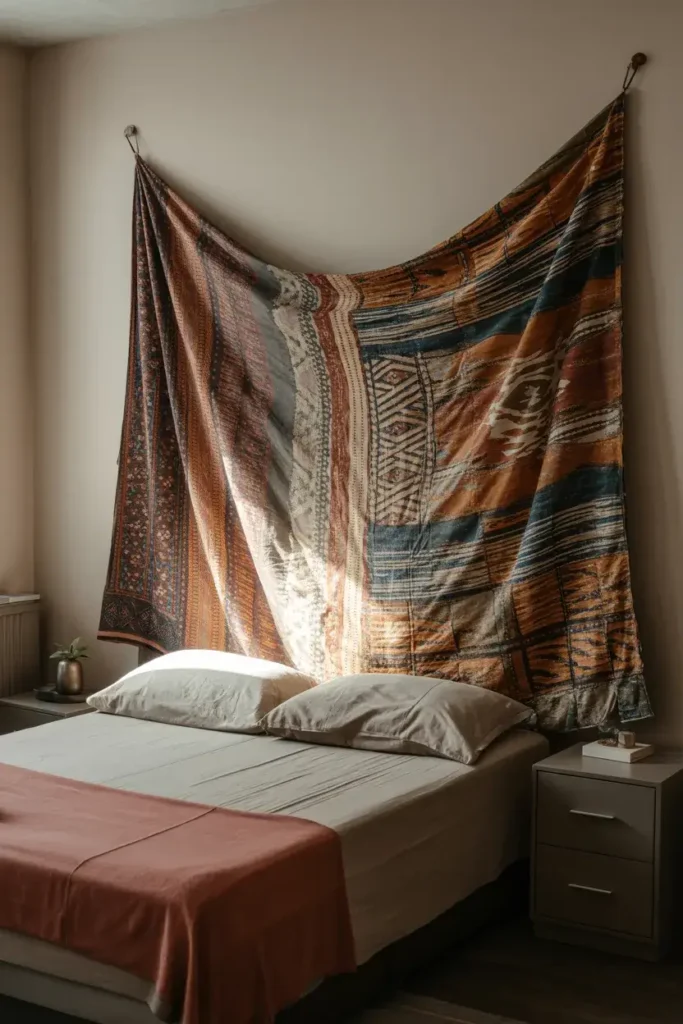
Hanging a large tapestry or fabric piece softens the acoustics and the look of the room. I love this for rentals where painting might not be allowed.
It adds instant color and pattern with just two hooks. Choose a lightweight fabric that moves slightly with the air to keep the energy of the room dynamic.
15. The “Headboard” Ledge
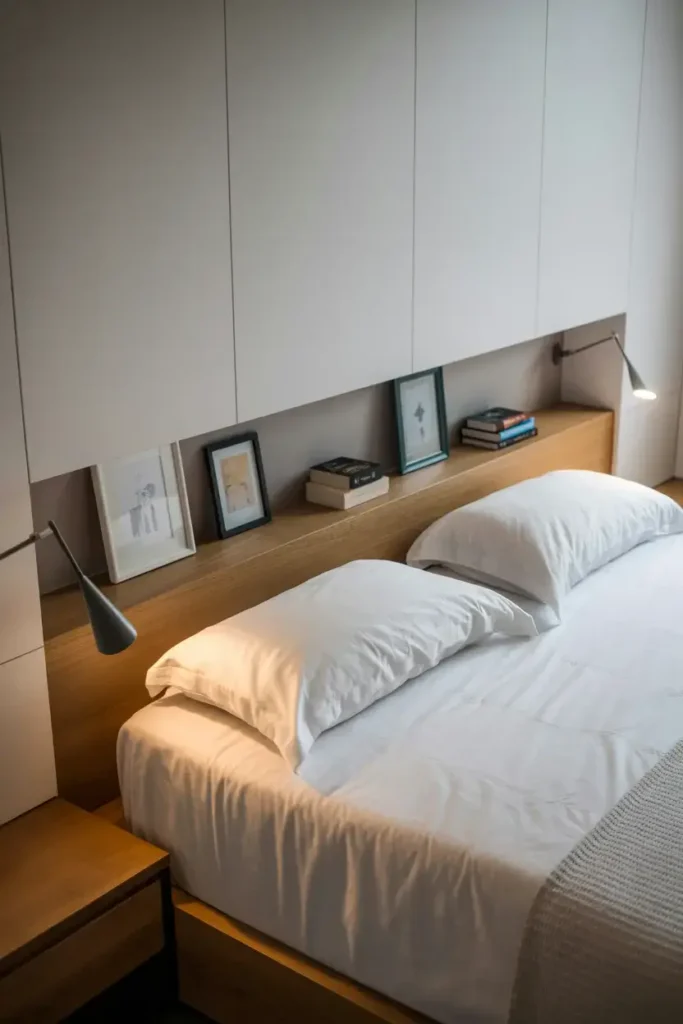
I build a shallow ledge wall behind the bed to serve multiple purposes. It acts as a headboard, a shelf for art, and a spot for clip-on reading lights.
This eliminates the need for nightstands if your room is extremely narrow. It streamlines the furniture layout and keeps all your essentials within arm’s reach.
Conclusion
Transforming a small bedroom starts with a single decision to be bold. I encourage you to pick the idea that excites you the most and try it out this weekend. If you are ready to give your home a complete makeover but don’t know where to start, book a consultation with our design team today.