19 Colors That Go With Brown for Stylish and Versatile Design Choices
When working with brown in interior design, choosing the right colors to pair with it can transform a space from ordinary to sophisticated. Brown offers a warm, earthy foundation that can balance a wide range of tones and moods. I often find that understanding how different colors interact with brown helps create harmonious and inviting environments.
Knowing which 19 colors complement brown is key to designing spaces that feel both cohesive and dynamic. This knowledge allows me to mix and match shades confidently, whether I want a soft, natural look or a bold, stylish contrast. Exploring these combinations can make decorating with brown more versatile and appealing.
1) Navy Blue and Brown
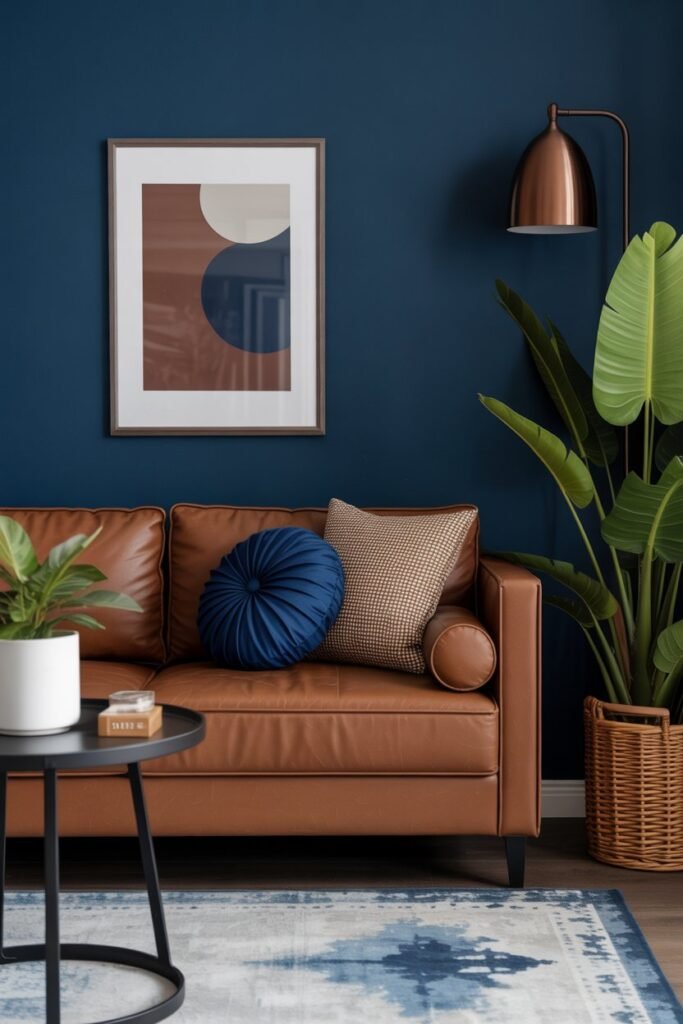
I find navy blue and brown to be a balanced pairing in interior design. Navy offers a deep, cool tone that contrasts nicely with the warm richness of brown.
Using navy as a dominant color with brown accents can create a cozy, sophisticated atmosphere. I often recommend this combo for living rooms wanting a mix of depth and warmth without feeling too bold or too neutral.
2) Mustard Yellow and Brown
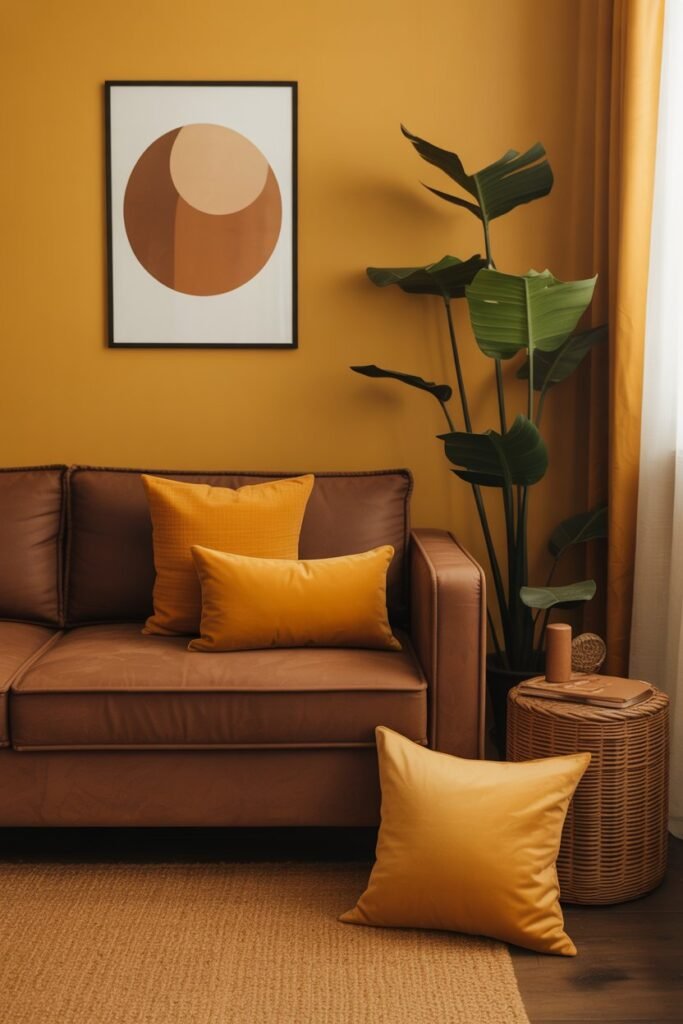
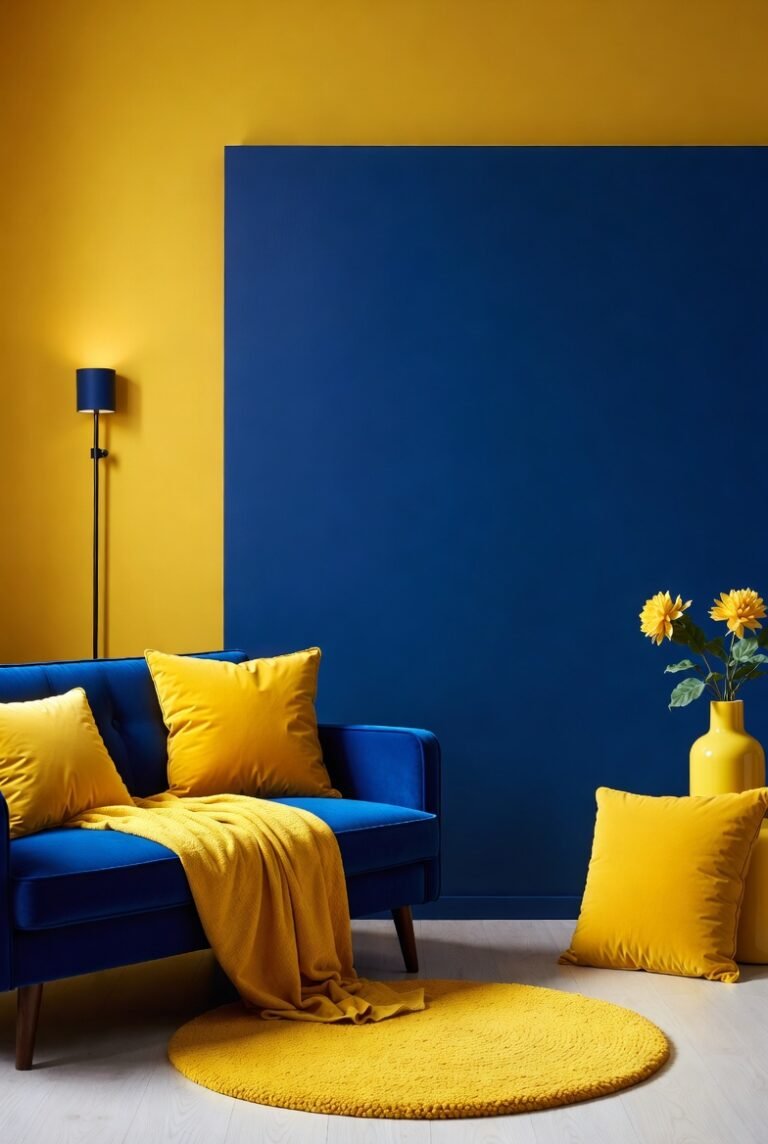
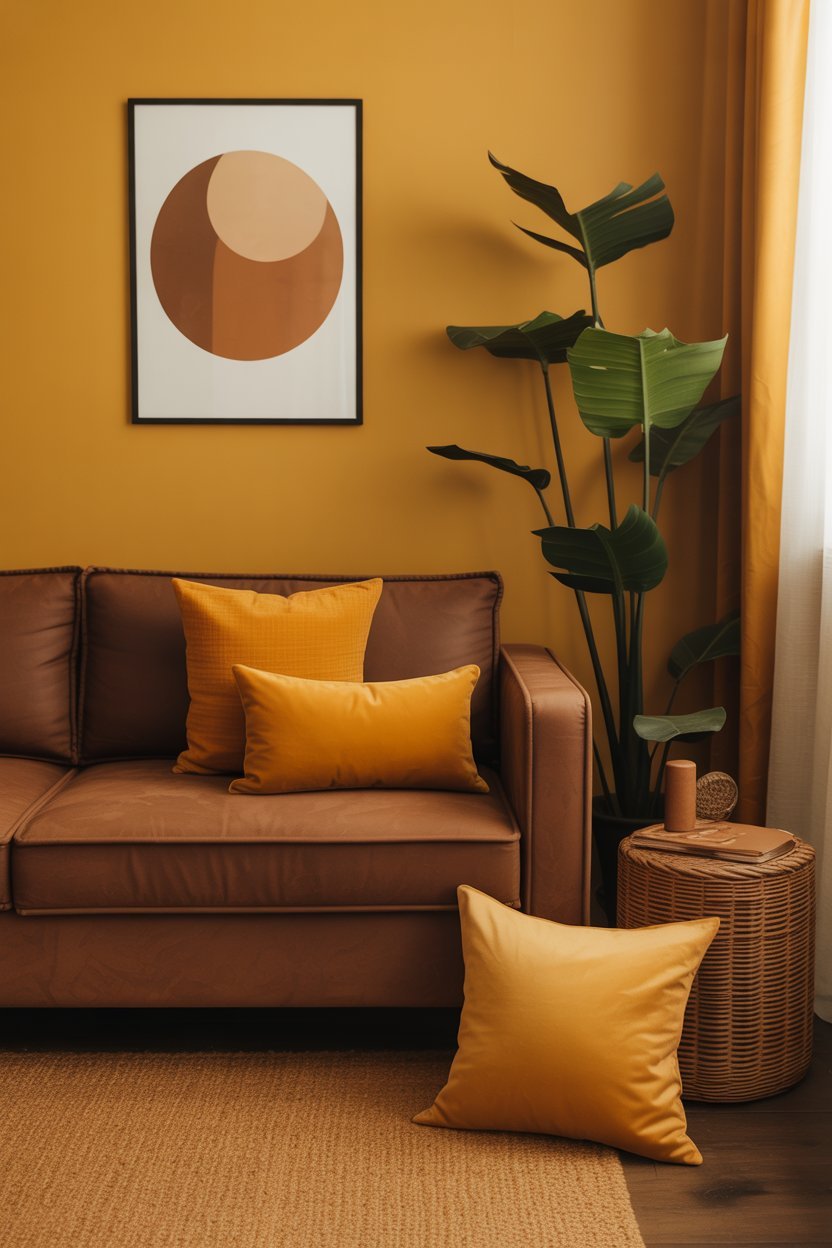
I find mustard yellow pairs exceptionally well with brown in interior design. The warmth of brown tones balances the vibrancy of mustard yellow, creating a cozy yet dynamic atmosphere.
Using brown as the dominant color in furniture or walls provides a stable base. Mustard yellow works best as an accent in pillows, throws, or small decorative items.
This combination offers a retro feel without overwhelming the space. It brings warmth and depth while keeping the room inviting and stylish.
3) Teal and Brown
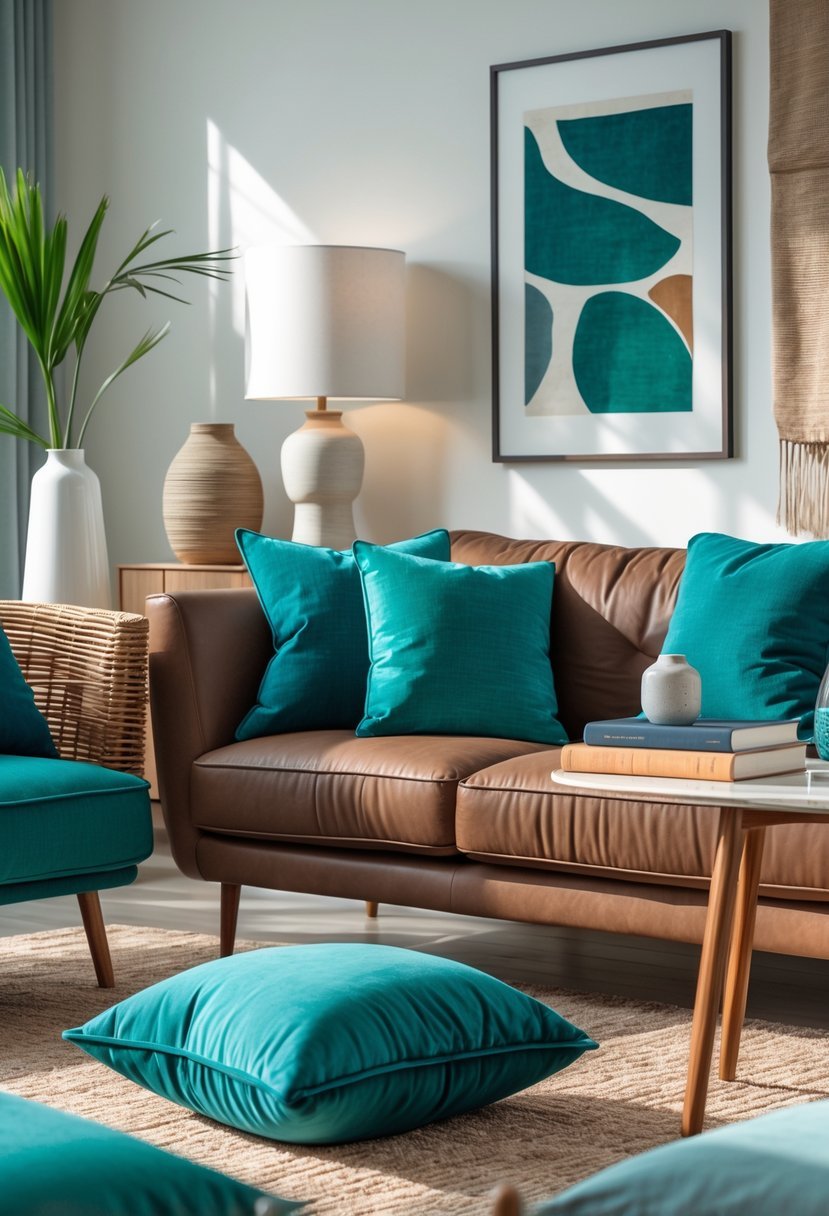
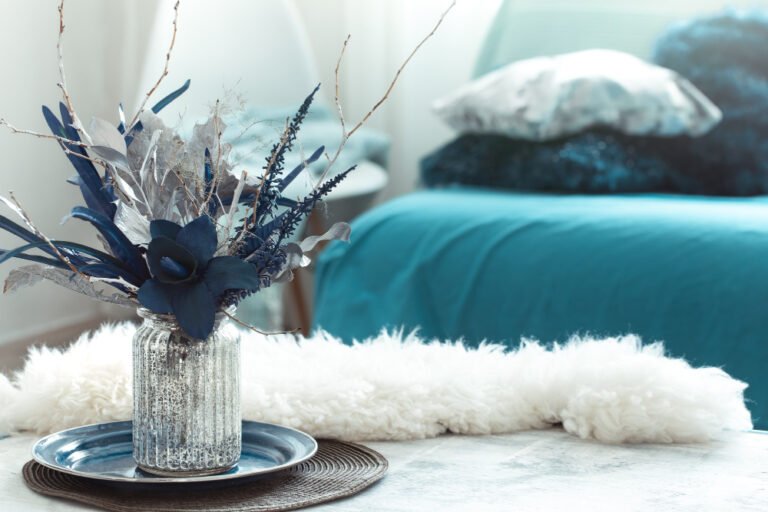
I find teal and brown to be a balanced and versatile combination in interior design. The earthy warmth of brown grounds the space, while teal adds a touch of cool sophistication.
When working with this pairing, I prefer muted, dusty teals over bright, jewel tones. These softer teals harmonize better with shades like taupe or coffee brown, creating a cohesive look without overwhelming the room. This combo works well for living rooms or cozy common areas.
4) White and Brown
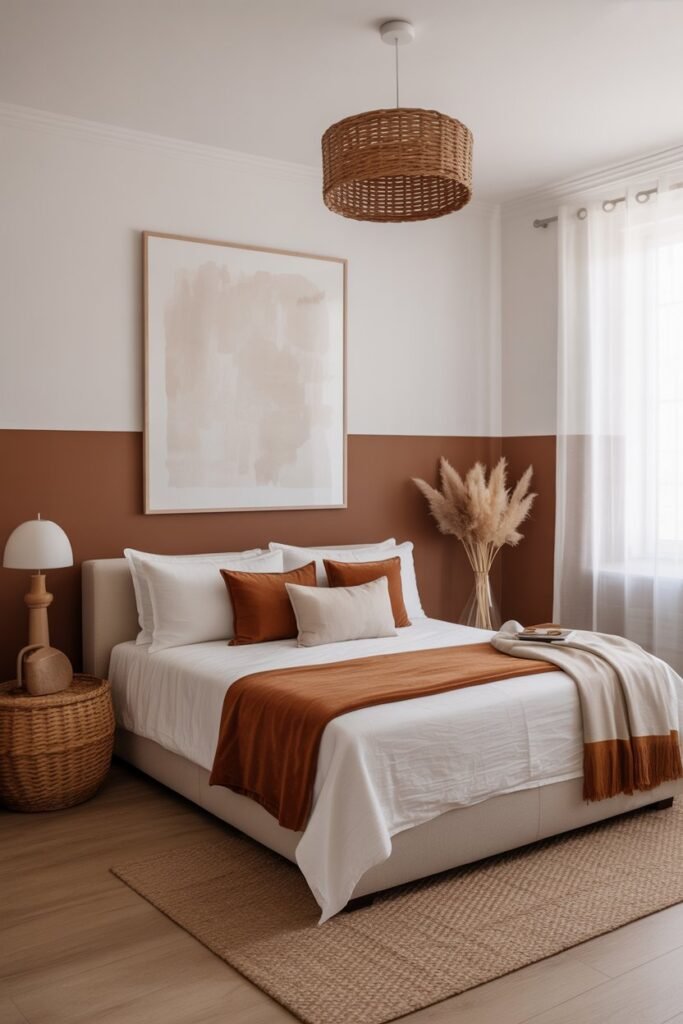
I find white and brown to be a classic, reliable pairing in interior design. This combo creates a clean, calm atmosphere while maintaining warmth and depth.
Using different shades of brown against white walls or furniture adds texture without overwhelming the space. It’s a versatile base that allows for easy layering with other colors or natural materials.
In my experience, this scheme can work in both modern and traditional settings, keeping rooms feeling balanced and inviting.
5) Copper and Brown
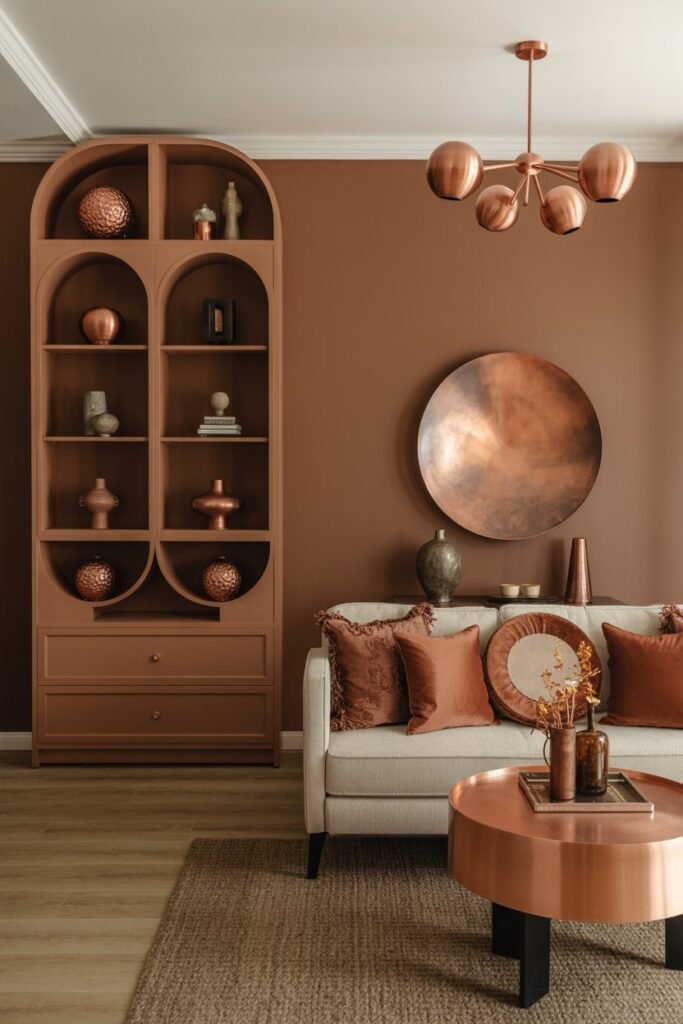
I find copper and brown create a warm, inviting atmosphere in interior design. The metallic sheen of copper adds depth and subtle brightness against rich brown tones.
This pairing works well for accents like light fixtures, hardware, or decorative objects. Together, copper and brown balance earthiness with a touch of sophistication.
Using these colors can elevate a space without overwhelming it. The combination suits living rooms, kitchens, and even bedrooms for a cozy, elegant look.
6) Olive Green and Brown
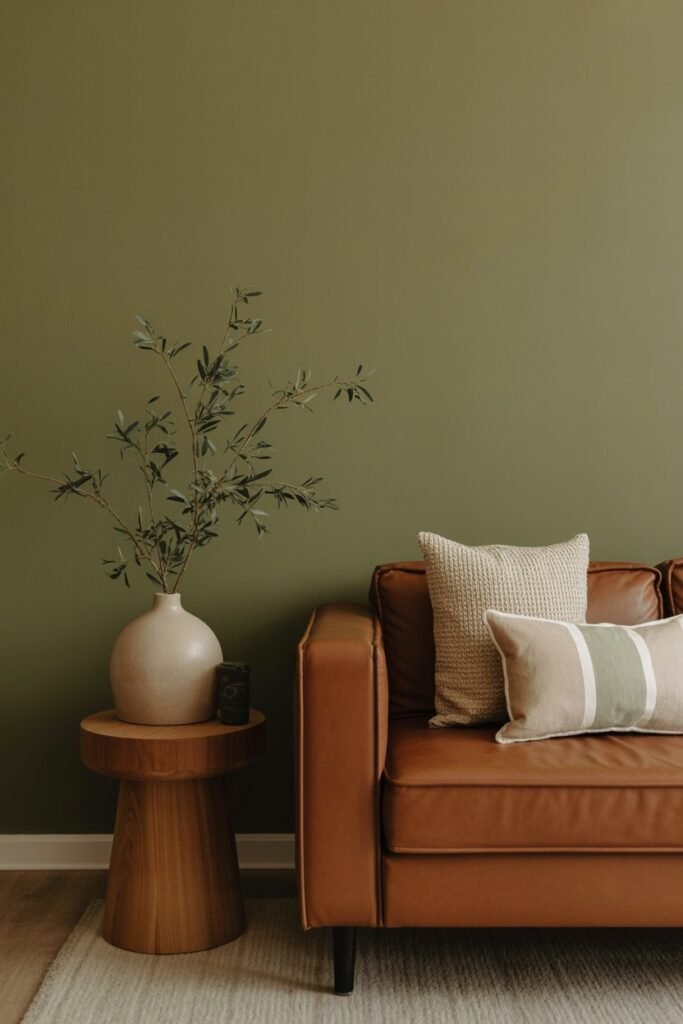
I find olive green and brown create a naturally calming and grounded color scheme. They work well together by reflecting earthy tones that bring warmth without overwhelming a space.
In interiors, I often pair olive walls with brown wood furniture or leather accents. This combination feels organic and timeless, especially when balanced with light neutrals or soft textures.
Using olive green with brown offers flexibility. You can achieve a rustic vibe or a more polished look depending on the materials and finishes you choose.
7) Terracotta and Brown
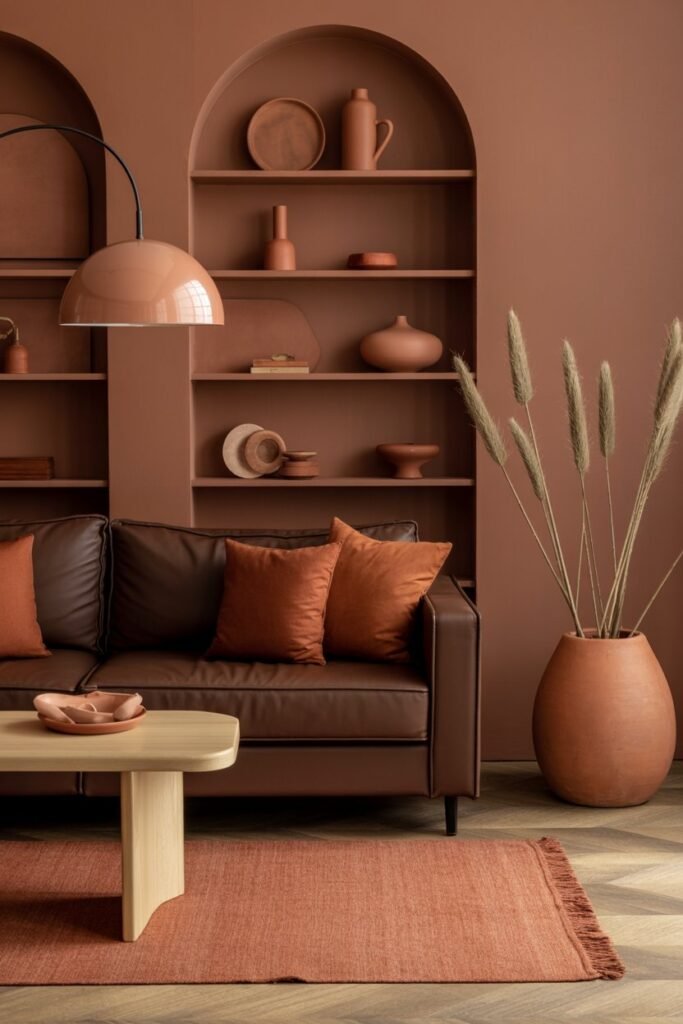
I find terracotta pairs beautifully with brown in interior design. The warm, earthy tones of terracotta complement brown’s richness without overwhelming it.
Using terracotta accents, like cushions or pottery, adds depth and warmth to a room with brown furniture or walls.
This combination creates a grounded, cozy atmosphere, perfect for living rooms or dining areas. It works well with natural textures like wood and leather, enhancing the overall harmony.
8) Ochre and Brown
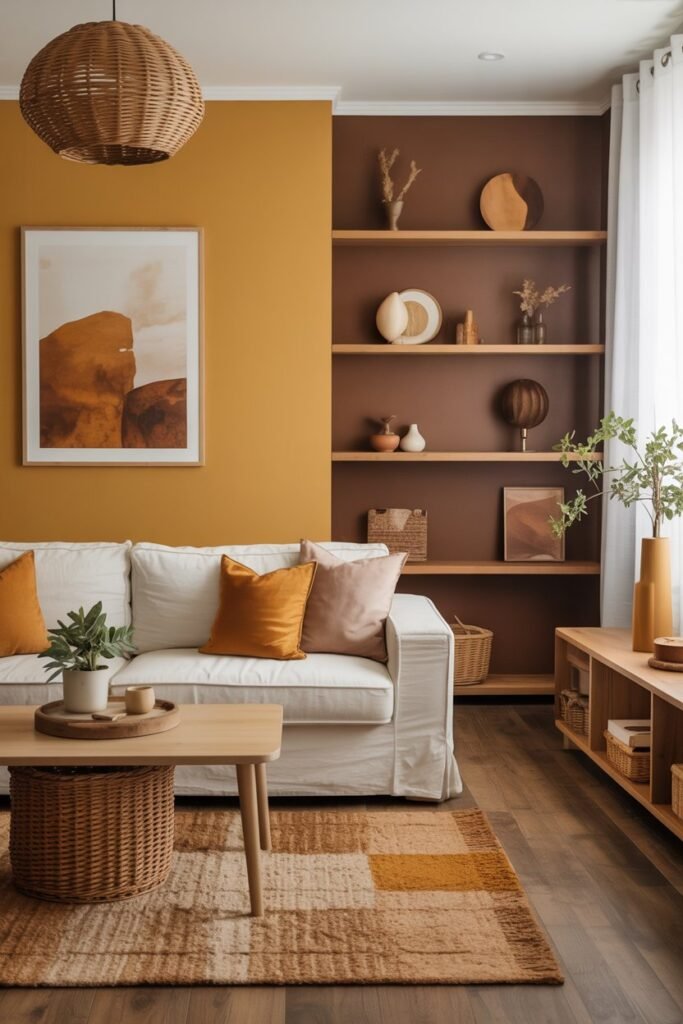
I find ochre and brown to be a warm, earthy pairing perfect for creating inviting spaces. Ochre’s rich, golden tones add warmth and depth when combined with brown’s grounded neutrality.
In my experience, this combination works well in living rooms or kitchens, especially when balanced with neutral accents. Together, they evoke a natural ambiance without feeling dull.
Using ochre alongside brown also allows flexibility. You can lean into a rustic look or keep it modern by adjusting other elements within the space.
9) Light Pink and Brown
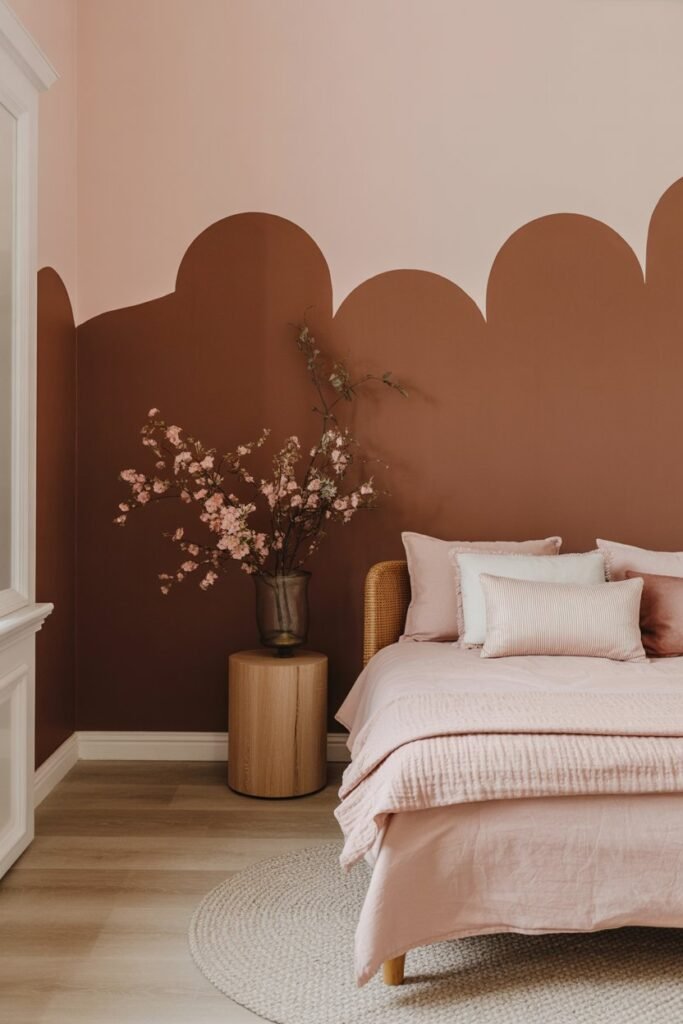
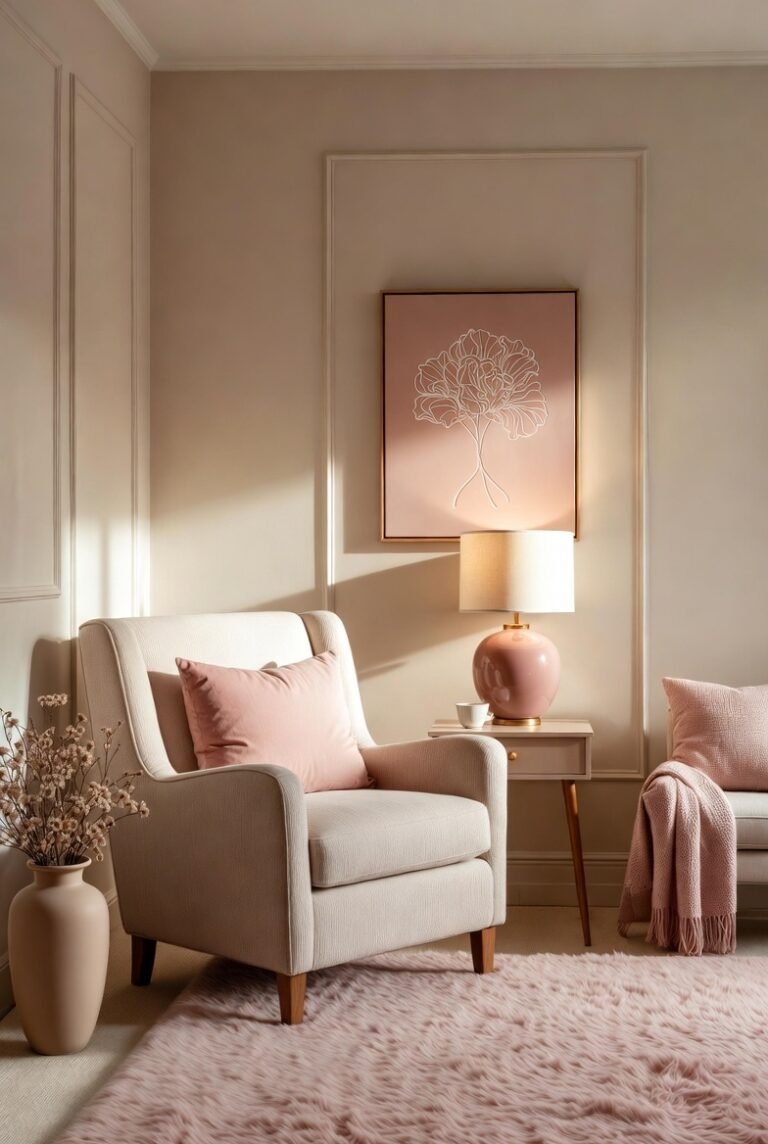
I find light pink and brown to be a balanced and soothing combination in interior design. Light pink adds a soft, calming touch to the richness of brown, creating warmth without overwhelming a space.
This pairing works well in bedrooms and living rooms, where the gentle contrast promotes relaxation. Incorporating natural materials like wood alongside these colors can enhance the connection to comfort and nature.
10) Beige and Brown
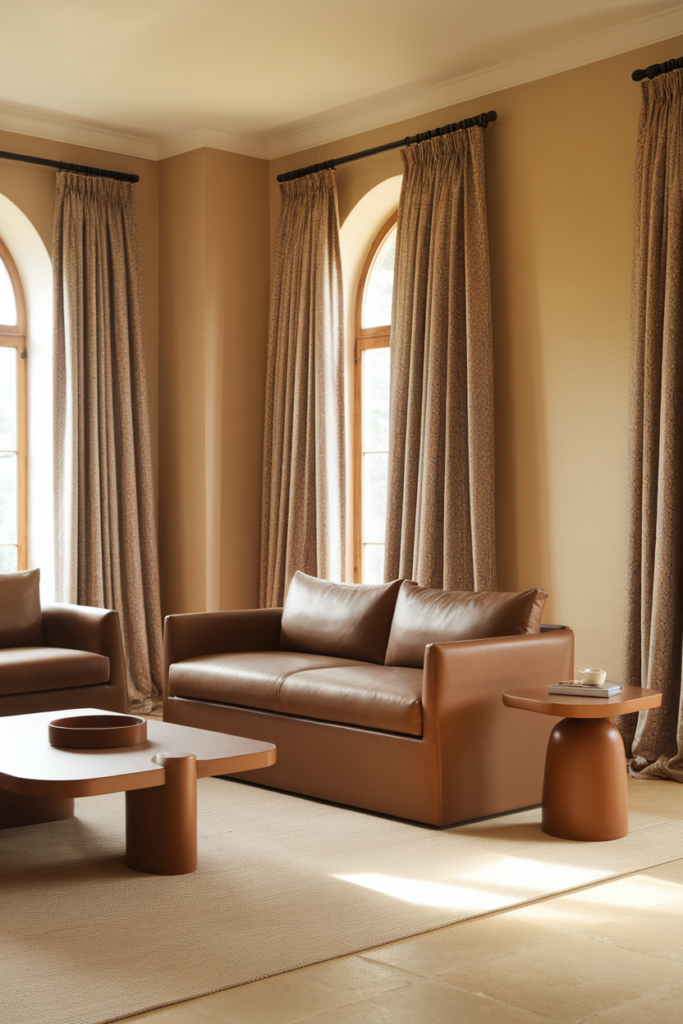
I find beige and brown create a warm, natural foundation in interior design. Together, they form a monochromatic palette that feels calm and grounded.
To avoid monotony, I focus on texture and material contrasts. For example, I pair brown leather furniture with beige linen curtains to add depth and interest.
This combination works well in living spaces, offering an inviting and timeless atmosphere without overwhelming the senses.
11) Tan and Brown
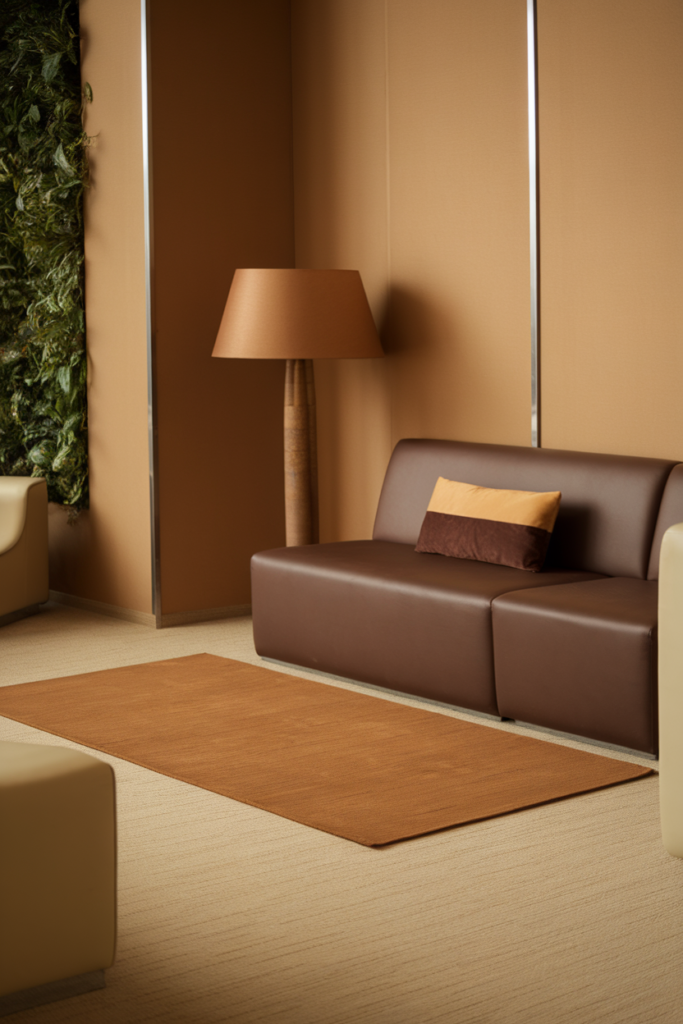
I find tan and brown to be a natural and versatile pairing in interior design. Their warm, earthy tones create a cozy and inviting atmosphere, ideal for living rooms or bedrooms.
Using lighter tans alongside deeper browns adds subtle contrast while maintaining harmony. These shades work well with natural materials like wood and leather, enhancing texture and depth in a space.
For balance, I often pair tan and brown with softer neutrals or muted greens to keep the palette from feeling too heavy.
12) Soft Grey and Brown
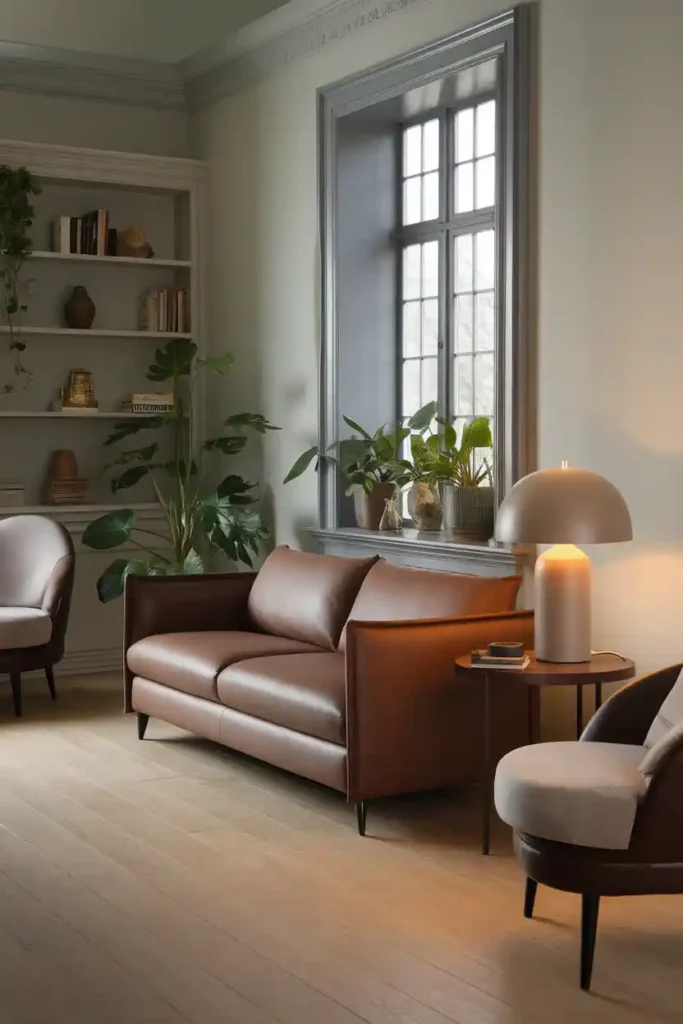
I find that soft grey paired with brown creates a balanced and calming interior palette. The coolness of grey offsets the warmth of brown, making spaces feel both cozy and sophisticated.
Using muted greys with light to medium browns, like taupe or camel, adds subtle contrast without overwhelming the room. This combination works well with textured fabrics and natural wood finishes, enhancing a peaceful atmosphere.
13) Dusty Blue and Brown
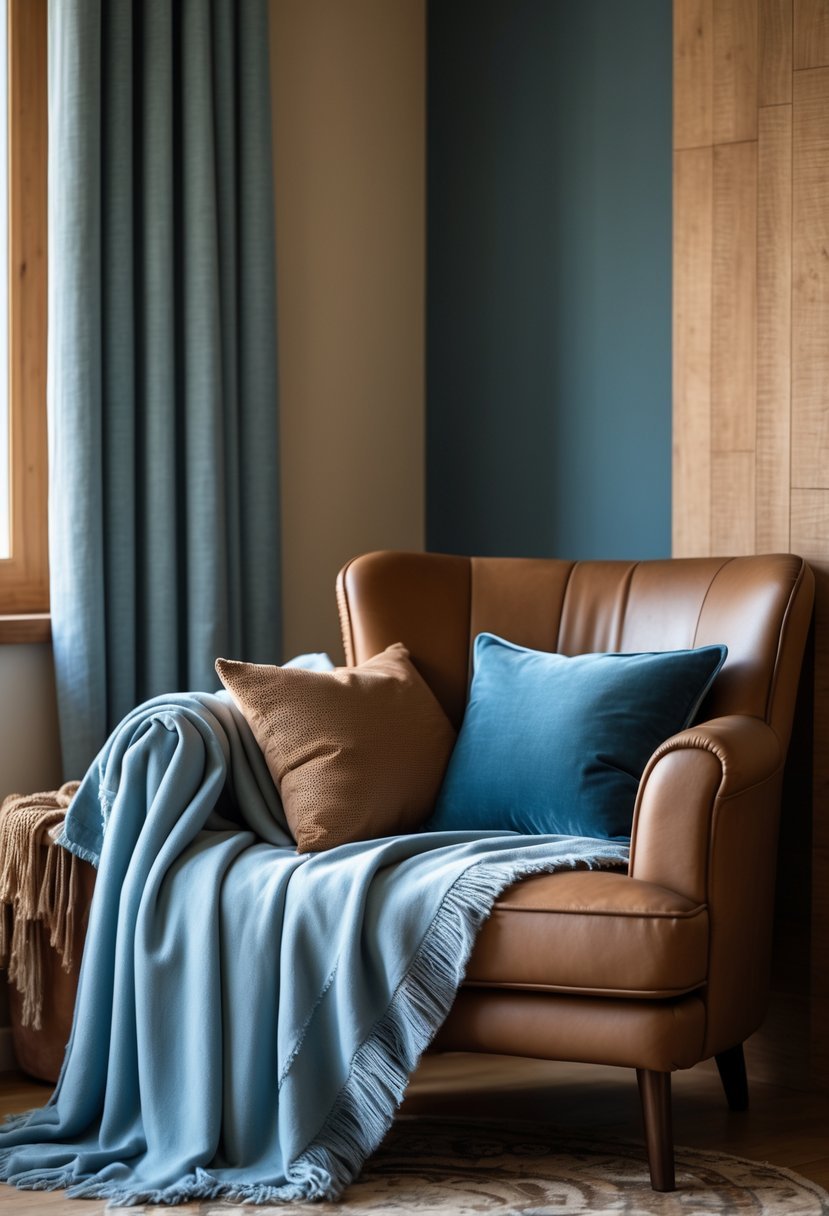
I find dusty blue and brown to be a balanced, sophisticated pairing for interiors. The softness of dusty blue brings calm and serenity, which contrasts well with the warmth and depth of brown.
In my experience, this combination works especially well in living rooms or bedrooms. The earthy brown tones ground the space, while dusty blue adds a subtle touch of color without overwhelming the room.
Choosing muted shades of both colors creates a harmonious, inviting atmosphere. It’s a reliable choice when aiming for a look that feels both timeless and refined.
14) Cream and Brown
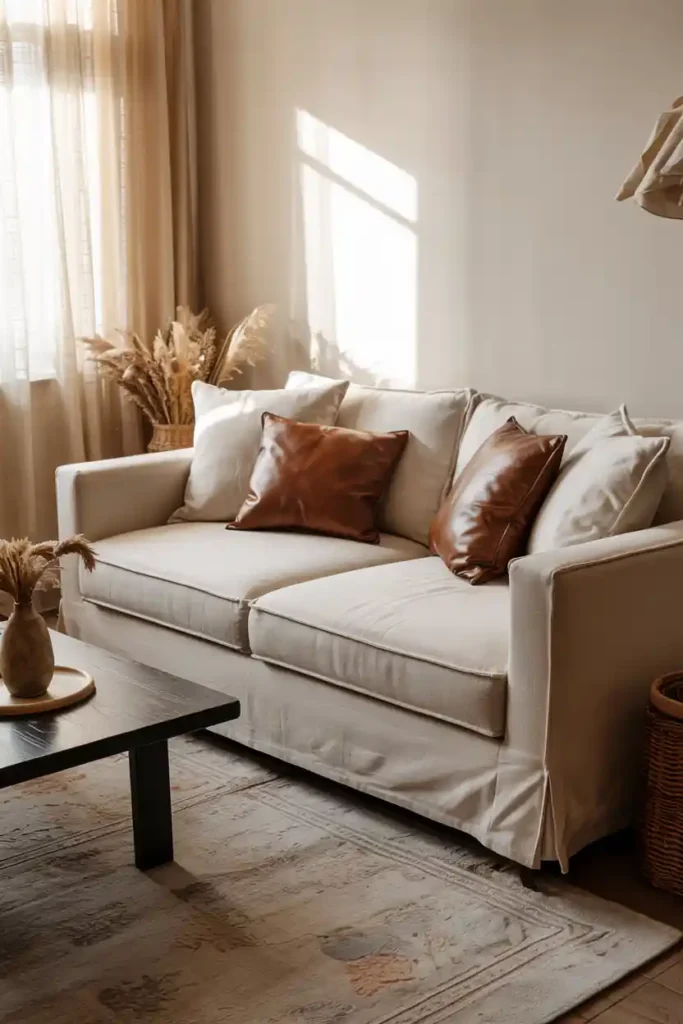
I find cream and brown create a classic, warm foundation in any room. Cream acts as a neutral backdrop, which makes the various shades of brown stand out and add depth.
This combination feels natural and soothing, perfect for living spaces that need a calm, inviting vibe. Adding touches of darker or lighter brown furniture against cream walls gives the room a sophisticated yet comfortable look.
To avoid flatness, I like to introduce subtle accent colors like muted greens or soft blues to refresh the palette and bring balance.
15) Burnt Orange and Brown
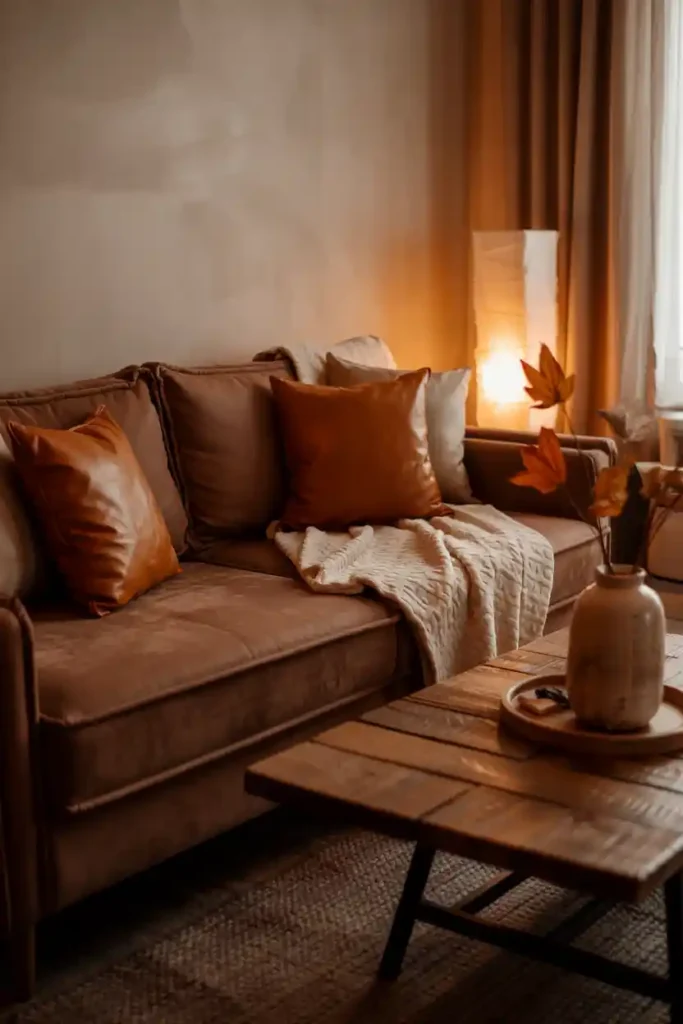
I find burnt orange and brown create a warm, inviting atmosphere in any room. These rich, earthy tones work well together, adding depth and sophistication without overwhelming the space.
Using burnt orange as an accent—like in pillows or curtains—against brown furniture or walls brings balance. I often pair this combo with neutral shades like beige or cream to keep the look grounded and avoid heaviness. This color scheme suits both modern and rustic styles effectively.
16) Sage Green and Brown
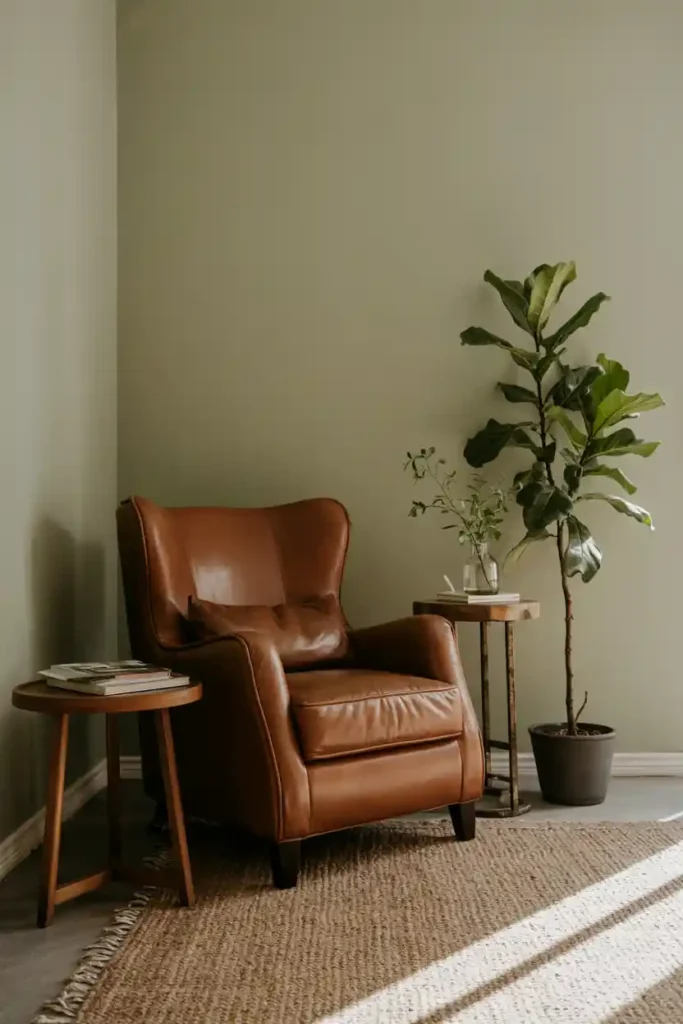
I find sage green and brown create a balanced, calming color scheme in interiors. Brown offers warmth and grounding, while sage green adds a soft, natural touch. Together, they evoke a cozy yet fresh atmosphere.
In my experience, this combination works well with wood tones like oak or walnut, which enhance the earthy feel. Adding textures in these colors makes the space inviting without feeling heavy. It’s an adaptable pairing, fitting for living rooms, kitchens, or bedrooms where calm and comfort are priorities.
17) Rust and Brown
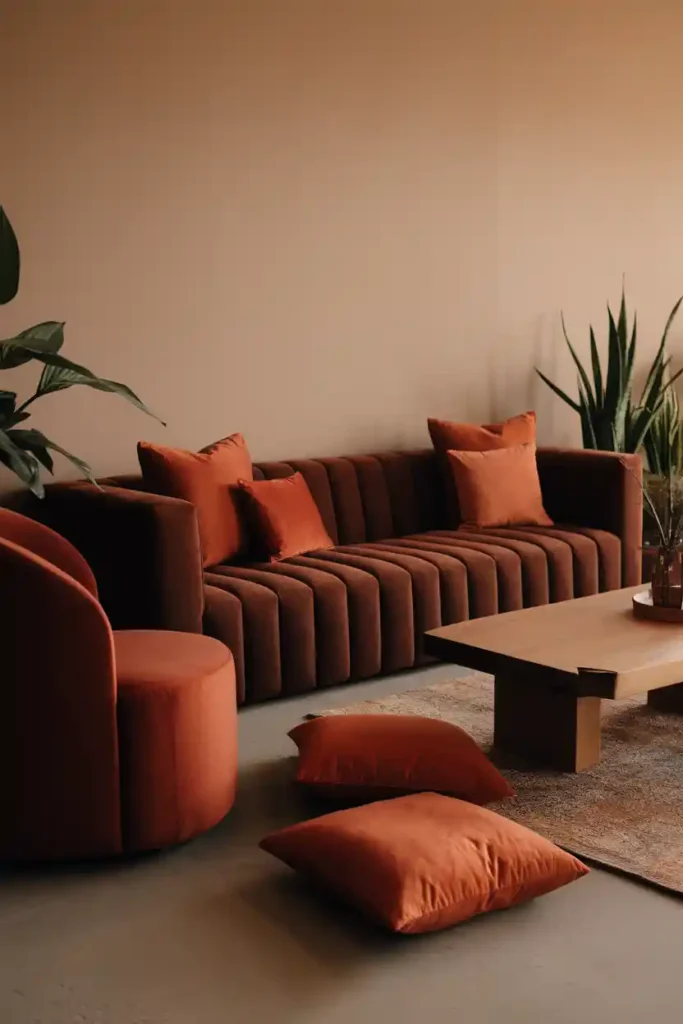
I find rust and brown to be a rich, earthy combination that adds warmth to any interior space. This pairing works well in living rooms or libraries, creating a cozy and inviting atmosphere.
Using rust as an accent against a deep brown background adds depth without overwhelming the room. Neutrals like cream or beige can balance the palette, keeping the look sophisticated and grounded.
18) Coral and Brown
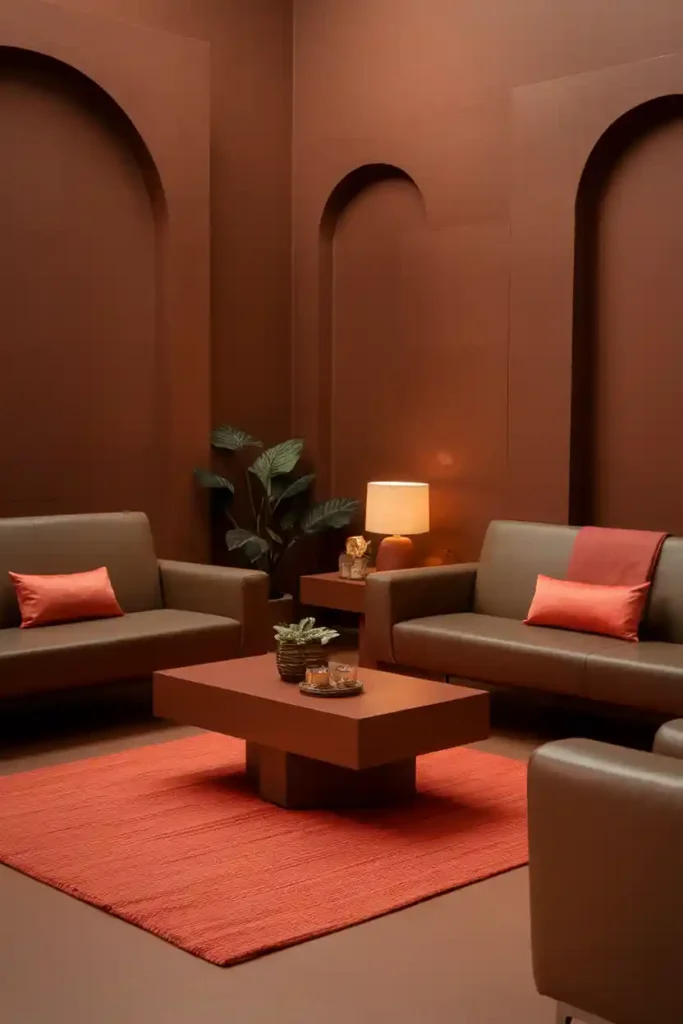
I find coral and brown to be an excellent pairing for interior design. The warmth of brown balances well with coral’s vibrant yet soft hue, creating a cozy yet lively atmosphere.
Using coral as an accent against brown walls or furniture adds a pop without overwhelming the space. This combination works particularly well in living rooms and bedrooms where both comfort and energy are desired.
19) Muted Purple and Brown
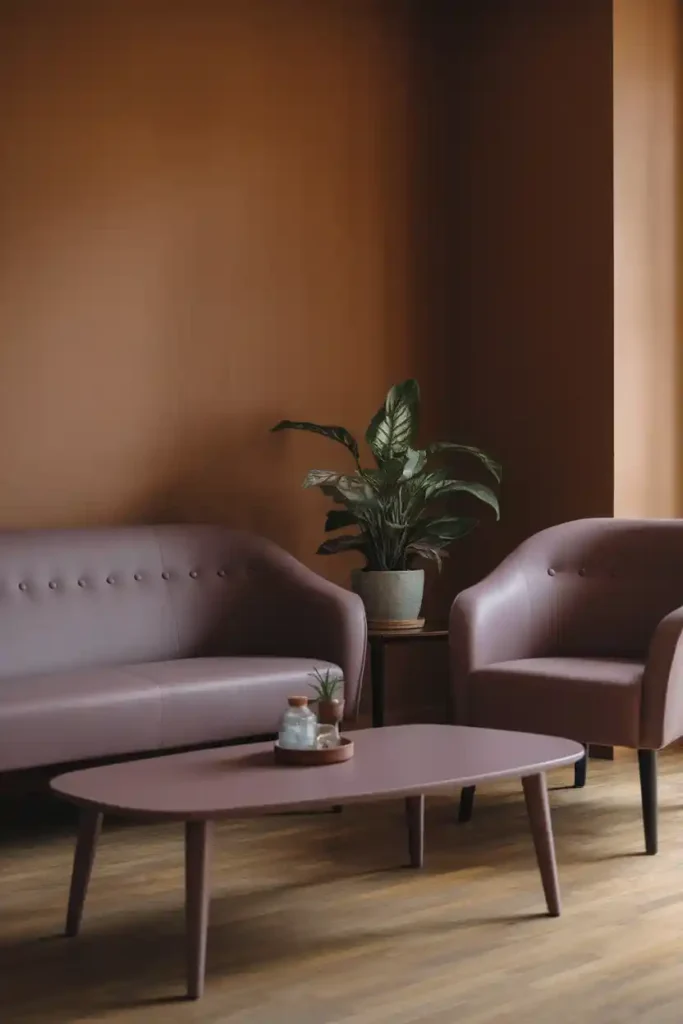
I find muted purple and brown to be a sophisticated combination for interiors. The softness of muted purple complements the warmth and earthiness of brown, creating a balanced, calming atmosphere.
Using these colors together works well in living rooms or bedrooms where a relaxed yet stylish feel is desired.
Incorporating textures like velvet or matte finishes enhances their subtle elegance. This palette feels both cozy and refined without overwhelming the space.