How to Dispose of Old Paint Cans: Safe and Eco-Friendly Methods
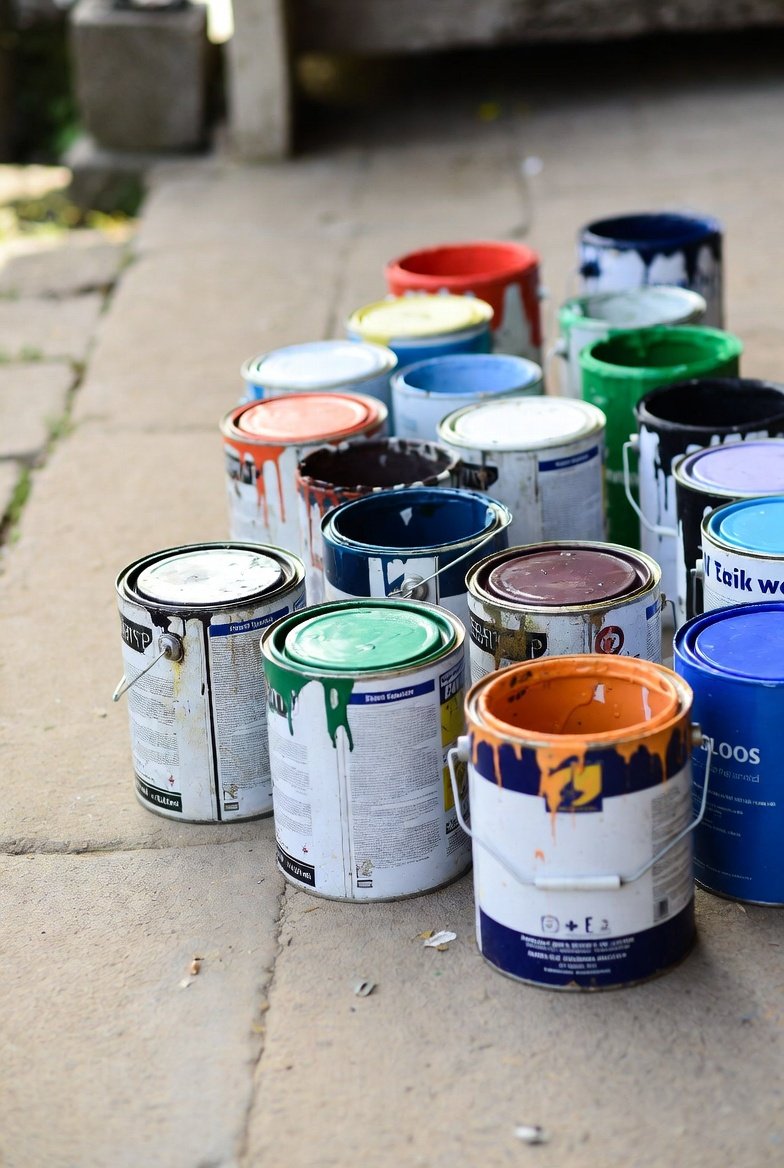
Disposing of old paint cans requires caution to protect both health and the environment. Latex paint cans can usually be disposed of in regular trash after the paint has dried, while oil-based paint cans must be taken to a household hazardous waste facility. Proper disposal prevents harmful chemicals from entering landfills and water supplies.
Many people are unaware that storing or throwing away paint improperly can lead to environmental damage or even safety risks. Knowing the right steps ensures paint is handled responsibly, whether the cans are full, partially used, or empty.
This guide covers practical methods for sorting, drying, recycling, and disposing of various types of paint cans. Following these recommendations helps reduce waste and keeps communities safe.
Assess Your Old Paint Cans
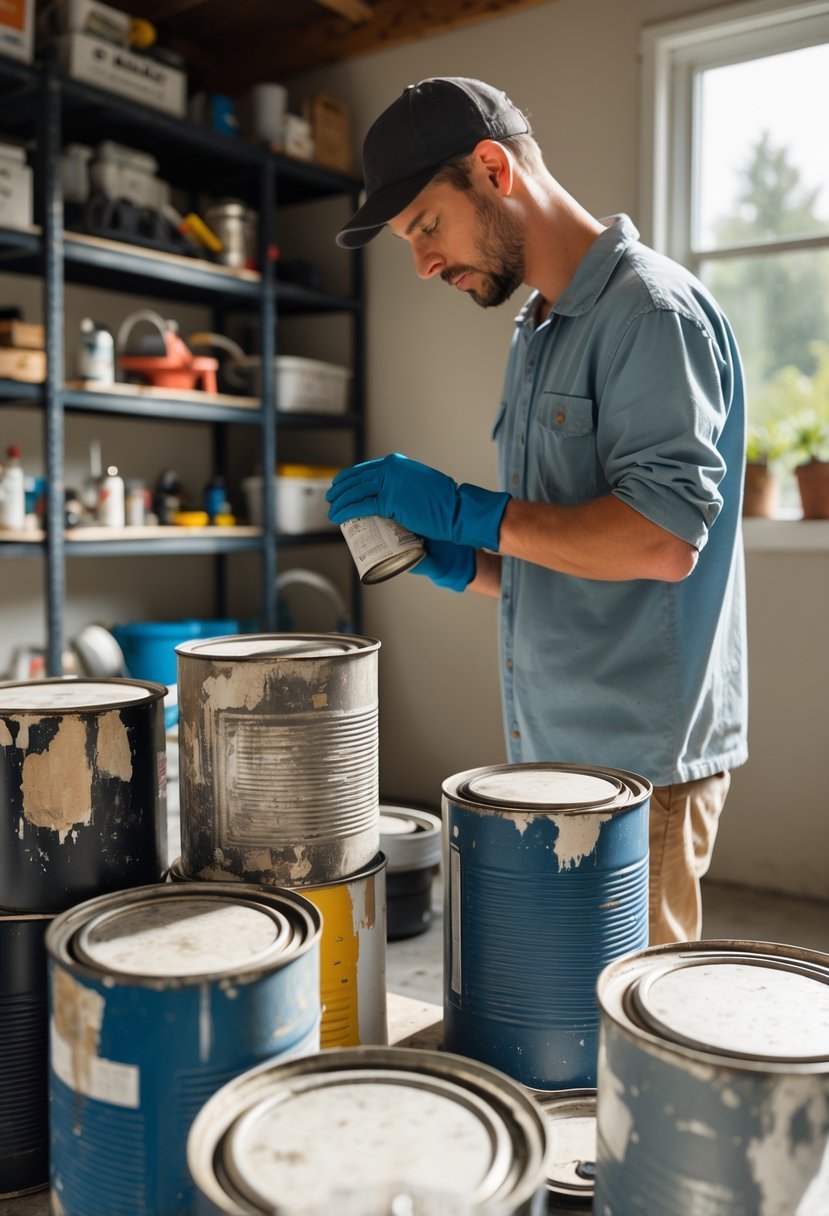
Properly assessing old paint cans is crucial before disposal. Knowing the paint type, checking if the paint is still usable, and determining whether the cans are empty or full helps decide the correct disposal method and ensures compliance with regulations.
Identify Paint Types
Identifying the type of paint in the cans is the first step. Paint generally falls into two categories: latex (water-based) and oil-based. Latex paint usually has a plastic or vinyl base and is easier to clean up with soap and water. Oil-based paint contains solvents and requires special handling because it contains hazardous chemicals.
Look for labels on the paint cans indicating the paint type. If the label is missing, the smell or texture might help; oil-based paint often has a stronger solvent odor. Knowing the paint type determines if it can be recycled or if it must go to a hazardous waste facility, as oil-based paints often require stricter disposal.
Check Paint Usability
Assessing usability involves checking the paint’s condition and quantity. Paint that is still usable can be donated to community groups, schools, or charitable organizations instead of being discarded. Usable paint should flow smoothly without excessive lumps or foul odors.
If the paint is dried, thickened, or separated beyond mixing, it’s likely unusable. Shake or stir the paint to test consistency. A small test spread on cardboard can show if it still applies properly. Properly sorting usable paint helps reduce waste and supports reuse programs.
Determine If Cans Are Empty or Full
The amount of paint left in the can affects disposal options. Empty cans—those with no liquid paint and only dried residue—can often be recycled with scrap metal collection programs, depending on local rules.
Full or partially full cans need different handling. Liquid paint in cans must never be poured down drains or thrown directly into the trash. Leftover paint can be dried out safely by leaving the lid off in a well-ventilated area, adding absorbent materials like kitty litter, or using commercial drying agents before disposal. Properly evaluating paint volume helps avoid environmental hazards and ensures adherence to disposal laws.
Proper Disposal Methods for Different Paint Types
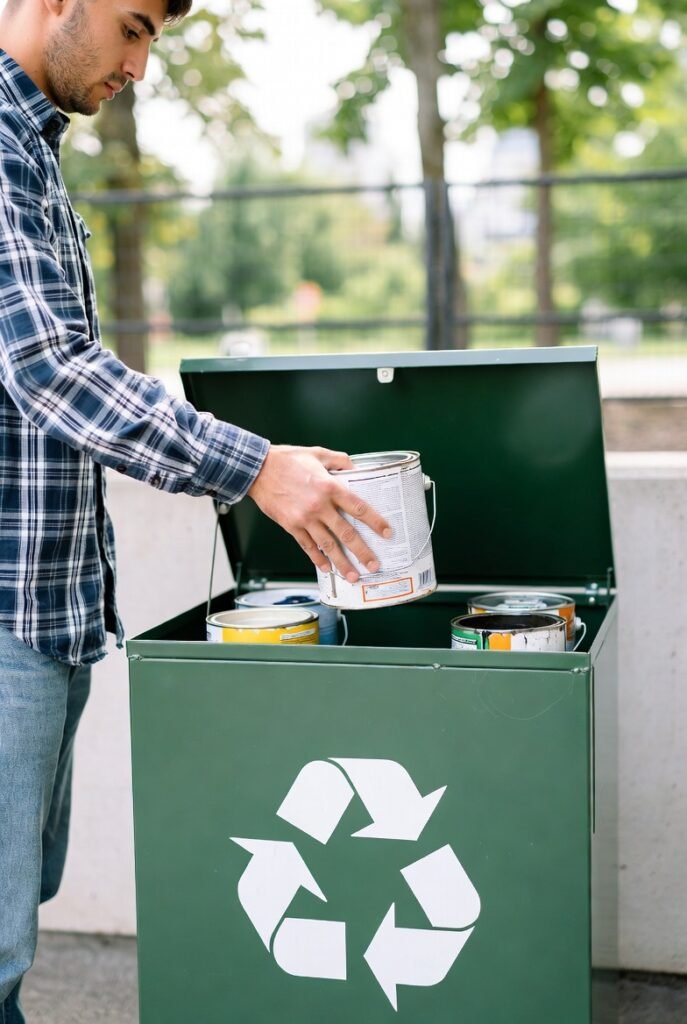
Disposing of old paint cans requires understanding the specific characteristics of the paint involved. Different formulations, including latex, oil-based, and spray paint, have unique hazards and disposal requirements. Proper handling ensures environmental safety and compliance with waste regulations.
How to Dispose of Latex Paint
Latex paint is water-based and less toxic than oil-based options, but it still demands careful disposal. If the paint is leftover and usable, donating it to community programs or schools is an effective choice.
For dried or unusable latex paint, it should be solidified before disposal. This can be done by leaving the paint open to dry in a well-ventilated area or mixing it with a paint hardener or absorbent materials like cat litter. Once fully solidified, latex paint can typically be disposed of in regular household trash, depending on local rules.
Empty latex paint cans, if dry and free of residue, may also be recycled with other metal containers. Checking with local hazardous waste facilities for latex paint drop-off options is recommended to avoid fines and environmental harm.
How to Dispose of Oil-Based Paint
Oil-based paint contains solvents and other chemicals making it hazardous waste. Such paint cannot be thrown in the regular trash due to potential soil and water contamination.
The safest disposal method is to take oil-based paint to a local household hazardous waste collection facility or participate in community hazardous waste events. These centers have the tools to handle and process oil-based paint safely.
If disposal options are unavailable immediately, unopened containers should be stored securely in a cool, dry place until proper disposal is possible. Oil-based paint cans must remain tightly sealed to prevent leaks and fumes. Never pour oil-based paint down drains or onto the ground, as this is illegal and harmful.
Handling Spray Paint Cans
Spray paint cans are pressurized and classified as hazardous waste due to their flammable propellants and chemical ingredients. They pose particular risks if punctured or heated, requiring specific disposal methods.
Empty spray paint cans can sometimes be disposed of with regular recycling if local guidelines permit, but the cans must be completely empty. Partly full or full spray paint cans must be taken to hazardous waste collection sites.
Before disposal, users should ensure cans have no pressure by spraying until empty in a well-ventilated outdoor area, away from ignition sources. They should always wear gloves and avoid inhaling fumes during use or disposal preparation.
Local regulations often vary, so consulting municipal waste authorities for accepted procedures is critical to ensure safety and compliance.
Preparing Paint Cans for Safe Disposal
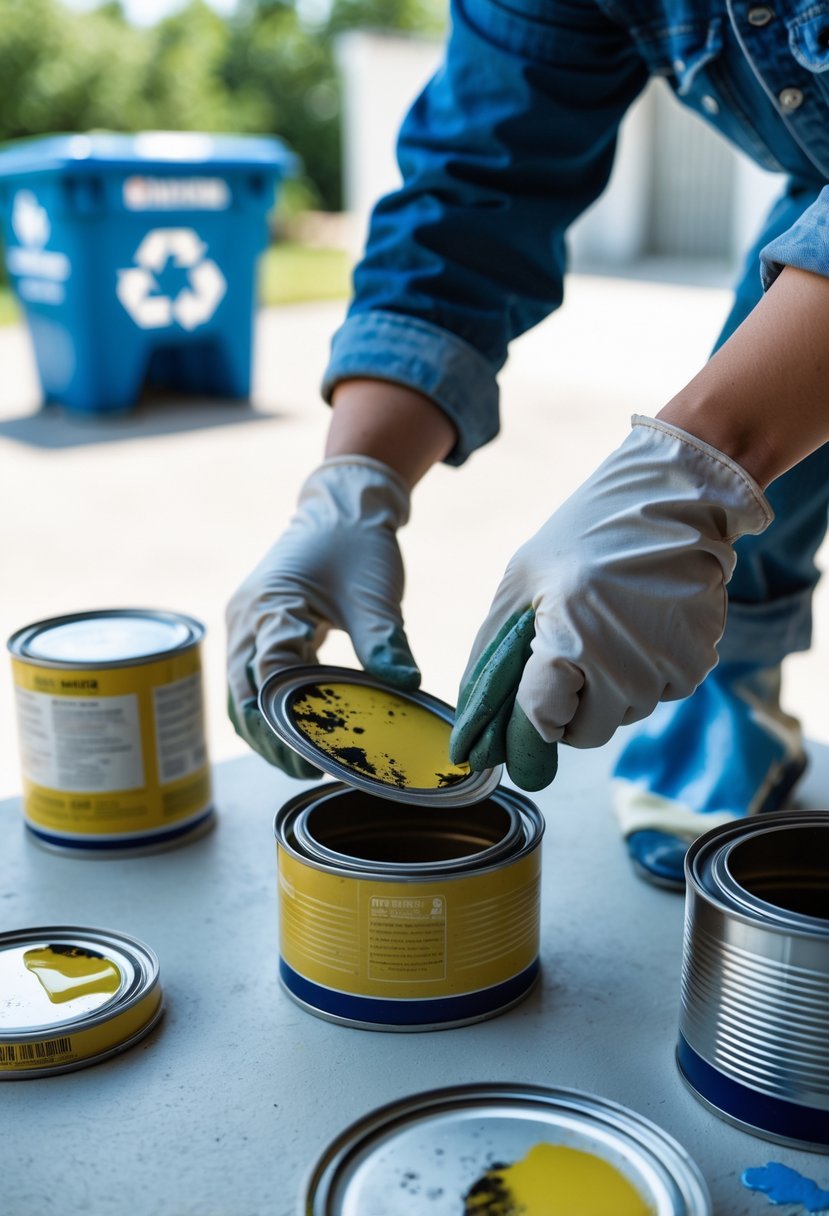
Proper preparation of paint cans is essential to prevent spills, reduce hazards, and comply with disposal regulations. Techniques like drying leftover paint, using paint hardeners, and securely sealing and labeling paint cans help ensure safer handling and transportation.
Drying Out Leftover Paint
Drying leftover paint before disposal minimizes the risk of leaks and environmental contamination. For small quantities of latex or water-based paint, leaving the can open in a well-ventilated area away from children and pets allows the paint to air dry naturally. This process can take several days depending on the amount.
For larger amounts, paint can be spread thinly on cardboard or newspaper to speed drying. Oil-based paints should not be dried this way because they contain hazardous solvents requiring special handling. Fully dried paint forms a solid, making it acceptable for disposal in regular trash according to many local guidelines. Always confirm with local waste services before discarding dried paint.
Using Paint Hardeners
Paint hardeners provide a quick and effective method to solidify leftover paint, especially useful for oil-based or excess latex paints. These additives absorb moisture and bind the paint into a solid mass, reducing disposal risk.
To use paint hardeners, stir the product into the paint following package instructions. Usually, a small amount of hardener is added per can, with thorough mixing to ensure uniform solidification. Allow the mixture to dry completely, which may take hours to a day.
Once hardened, the paint can be safely placed in regular trash containers where permitted by local rules. Paint hardeners are widely available at hardware stores and are recommended when drying paint naturally is impractical or unsafe.
Sealing and Labeling Cans
Sealing paint cans securely prevents spills during storage and transport. First, any dried paint or debris should be cleaned from the rim to ensure a tight lid seal. The lid should then be firmly pressed down, and a rubber mallet or hammer may be used gently around the edge to secure it flush with the can.
Labeling is equally important. Clearly mark each can with the paint type (latex, oil-based, acrylic, etc.) and the date prepared. This helps waste management facilities identify the contents accurately, reducing the risk of improper handling.
Proper sealing and labeling also contribute to safer storage until disposal and compliance with hazardous waste regulations in many areas.
Where and How to Dispose of Old Paint Cans
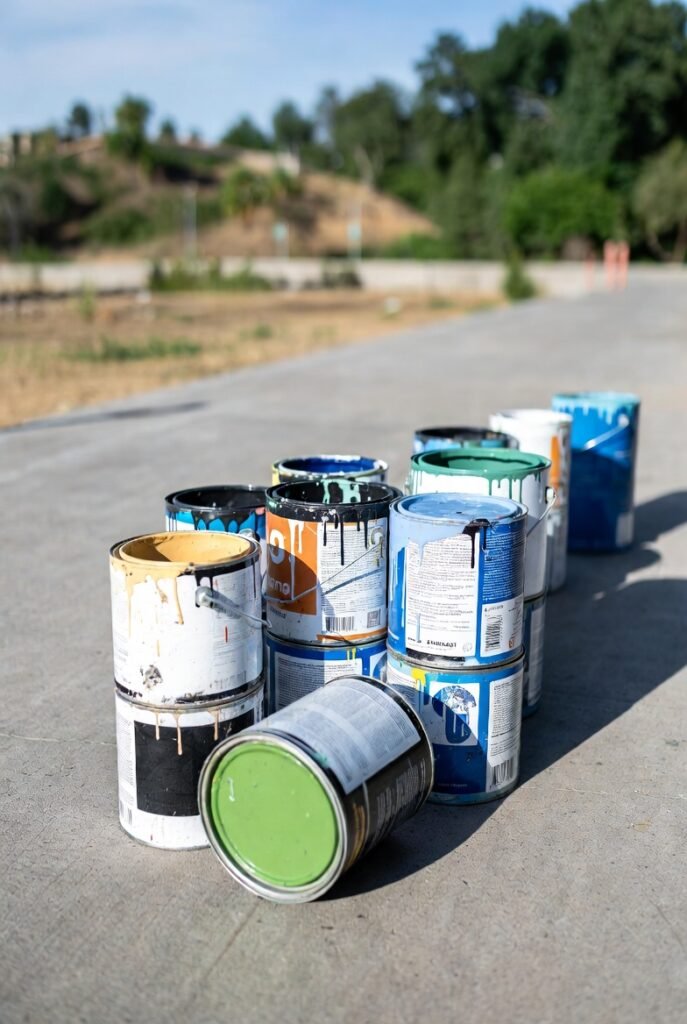
Old paint cans must be handled carefully to prevent environmental contamination. Proper disposal options include specialized facilities, retailer programs, and community events, each designed to safely manage paint waste according to local laws.
Using Hazardous Waste Facilities
Hazardous waste facilities are equipped to safely process paint cans containing harmful materials like oil-based paints and solvents. Individuals should locate these facilities through local government websites or services like Earth911. Such facilities often require proof of residency and segregate paint from other hazardous items.
Before bringing paint cans, it’s important to confirm accepted materials and any preparation steps, such as solidifying liquid paint. Some facilities hold scheduled hazardous waste collection events, accommodating larger quantities for safe disposal. Using these official drop-off sites ensures compliance with regulations, reducing risks of soil and water contamination.
Drop-Off Programs Through Retailers
Many paint retailers participate in take-back or stewardship programs like PaintCare. These programs accept leftover or unwanted paint cans from consumers. Retailers often provide designated drop-off bins for latex and oil-based paints.
Consumers should check with local stores for participation details, acceptable paint types, and volume limits. PaintCare-certified locations regularly manage paint waste to prevent it from entering landfills. This option offers convenience and promotes responsible recycling or disposal, especially for smaller quantities.
Community Collection Events
Municipalities often schedule household hazardous waste collection events where residents can safely dispose of old paint cans. These events are announced on city or county websites and typically occur several times per year.
Participants must follow event guidelines, such as labeling paint cans and segregating liquid from dried paint. Community events provide an accessible alternative for those without direct access to permanent hazardous waste facilities. They help ensure that paint waste is processed correctly, minimizing environmental hazards.
Environmentally Responsible Alternatives and Best Practices
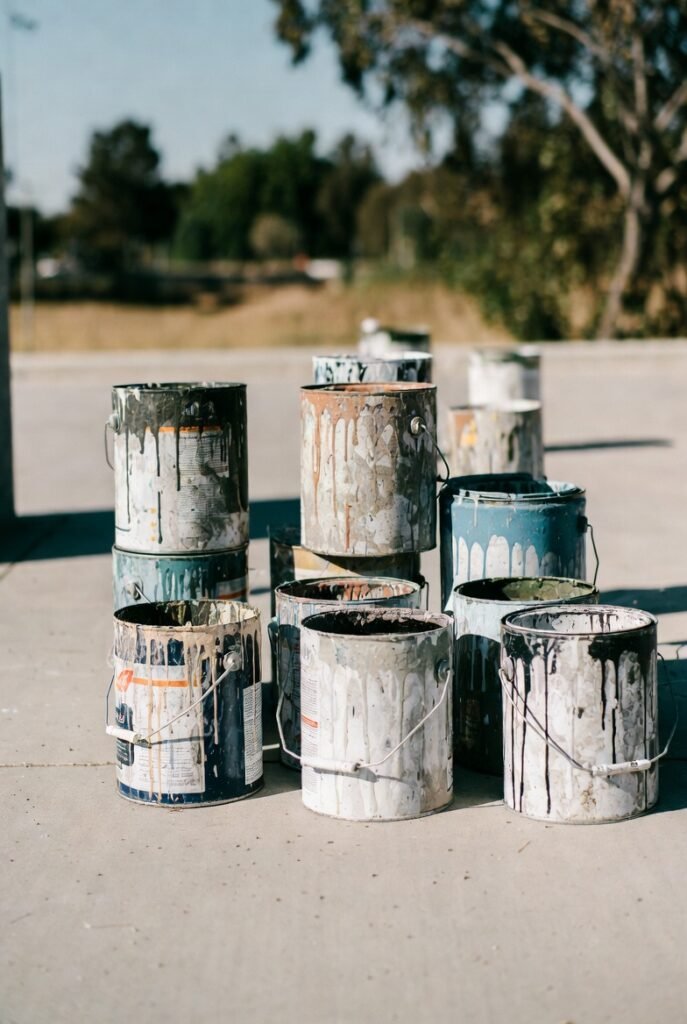
Proper disposal of old paint cans helps reduce pollution and landfill waste. Several effective options exist to manage leftover paint and containers in ways that minimize environmental harm while offering practical reuse.
Recycling Paint Cans
Metal paint cans are widely recyclable. Once the paint inside is fully dried or solidified, cans should be rinsed or cleaned if required by local recycling rules. Many community recycling centers accept these metal tins to be melted down and reused, which conserves raw materials and energy.
Plastic paint cans, however, are less commonly recyclable. Residents should check local guidelines before placing them in recycling bins. If not recyclable, plastic cans must be disposed of following hazardous waste protocols.
Before recycling, paint should never be poured out or dumped as liquid, since wet paint can contaminate recycling processes and pollute water sources. Solidifying leftover paint with materials like kitty litter or sawdust is a critical step.
Donating Usable Paint
If paint remains in good condition — unopened or slightly used — donating is an efficient way to prevent waste. Community programs, nonprofits, and local repaint initiatives often accept donations of surplus paint to assist low-income families or community art projects.
Donating leftover paint ensures it can be used by others rather than discarded. This method reduces new paint production and avoids environmental damage caused by improper disposal. Homeowners should store donated paint properly, seal it tightly, and check for expiration.
Additionally, neighbors, friends, or DIY groups may welcome leftover paint for smaller repairs or creative projects. Donations extend the life cycle of paint cans and support community reuse.
Creative Repurposing and DIY Projects
Instead of disposal, leftover paint can be creatively reused in many practical ways. Small quantities work well for accent walls or furniture upcycling, adding fresh finishes to worn surfaces with minimal waste.
Community murals, art installations, and home décor items such as flower pots, picture frames, or decorative tiles are excellent outlets for paint remnants. Creative reuse not only diverts paint from landfills but also enriches personal and communal environments.
Using leftover paint in DIY projects requires mixing and testing colors for consistency. It’s an effective alternative to disposal when only small amounts remain, ensuring paint serves a functional or aesthetic purpose before final use.
Tips for Storing Paint and Preventing Waste
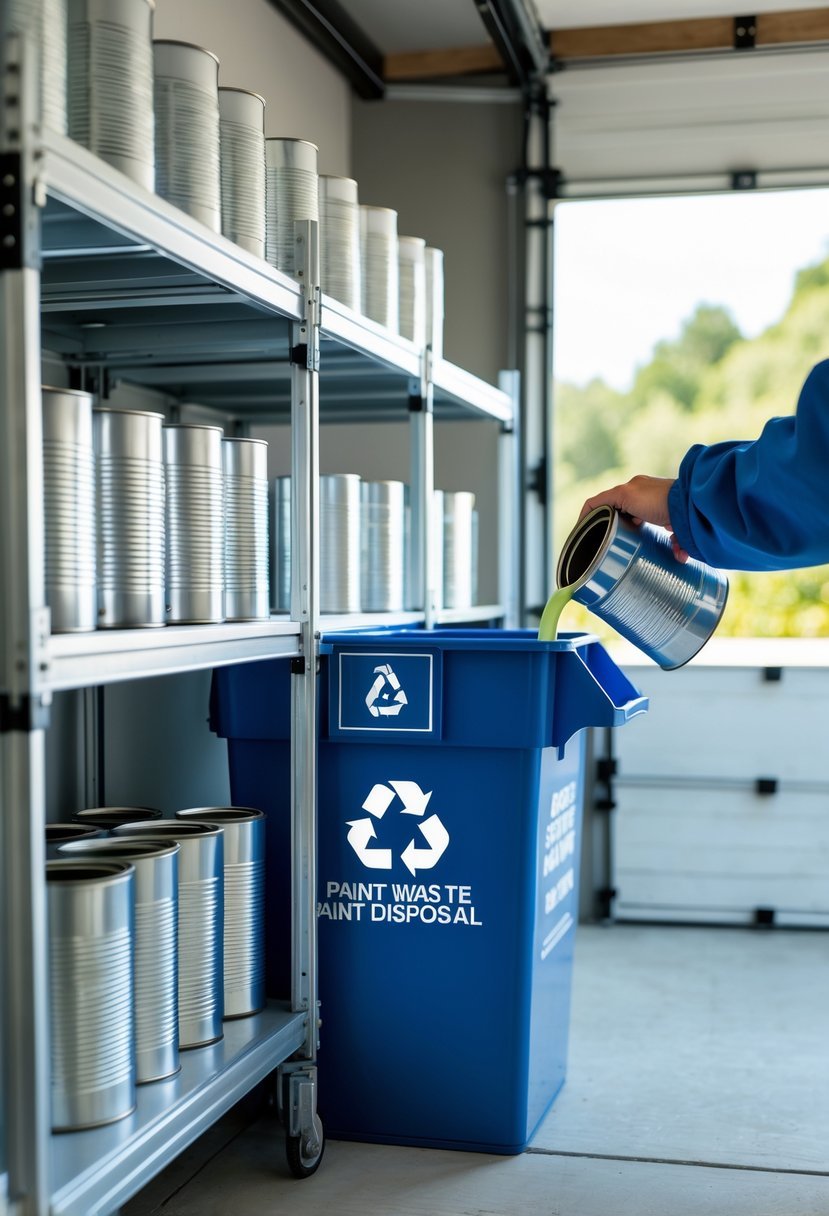
Effective paint storage preserves leftover paint quality and reduces the need to buy new cans. Proper sealing and environmental control significantly slow paint degradation, while careful planning and portion control help prevent excess paint from accumulating.
How to Store Paint Properly
Paint cans should be sealed tightly to prevent air exposure, which causes drying and thickening. After use, pressing a piece of plastic wrap over the paint surface before sealing the lid creates an extra airtight barrier. The lid must fit securely without gaps.
Store paint cans upright in a cool, dry place away from direct sunlight, heat sources, or freezing conditions. Ideal storage temperatures range between 50°F and 80°F. Label each can clearly with the color, type, and date opened to facilitate quick identification later.
For small quantities of latex paint, refrigeration is an option if the container is sealed well and there is no risk of spills. Avoid storing paint in garages or sheds prone to temperature fluctuations.
Extending Paint Shelf Life
To extend the shelf life of leftover paint, avoid contamination by using clean tools and never returning unused paint to the original can. Stir paint thoroughly before closing the can to prevent skin formation on the surface.
Mix only the needed amount for projects to limit leftovers. Sharing excess paint with neighbors or donating it to local organizations can reduce waste. Reusing leftover paint for touch-ups or smaller projects also maximizes use.
If leftover paint thickens, it may sometimes be revived by adding a small amount of water (for latex) or paint thinner (for oil-based), but this depends on paint condition and age. Always check the consistency before proceeding with reapplication.