How to Make Beige Color Paint: Mixing, Tools, and Expert Tips
Making beige paint involves mixing primary and secondary colors with precision to achieve a neutral and versatile shade. The simplest way to create beige is by combining white and yellow paint, sometimes adding a touch of brown to deepen the tone. This balance produces a creamy, light brown color that works well for a variety of projects.
Beige has many variations, from warm creamy hues to cooler grayish tones, depending on the exact mix of colors used. Adjusting the amounts of yellow, brown, or even small hints of red can subtly shift the shade to the desired effect.
Understanding the basic color combinations behind beige gives anyone the ability to create the perfect tone for art, décor, or design needs. With some practice, mixing beige paint becomes a straightforward process that opens up many creative possibilities.
Understanding Beige Color and Its Variations
Beige is a versatile neutral color with subtle differences that affect its appearance and use. Variations in beige come from adjusting the balance of underlying pigments, which influences warmth, coolness, and intensity. These differences make it adaptable for both creative and practical applications in art and design.
Defining Beige Color
Beige is a light brown shade with a mix of white, brown, and yellow tones. It sits between white and brown on the color spectrum, creating a soft, muted hue. The foundational characteristic of beige is its neutrality, which allows it to blend well with diverse palettes.
The mix typically involves more white as a base, with carefully added brown to deepen the tone and yellow to introduce warmth. Occasionally, subtle hints of gray or green modify its undertones. Its balanced nature means beige can appear creamier, earthier, or even slightly muted depending on the pigment ratios used.
Popular Shades and Tones of Beige
Beige includes a wide range of shades such as cream, khaki, tan, and sand. Each tone varies by brightness, warmth, and saturation. For instance:
- Creamy beige tends to have more white and yellow, resulting in a warm and soft appearance.
- Khaki incorporates deeper brown or green undertones, giving it a natural, earthy look.
- Muted beige often has increased white and less intense yellow or brown, which creates a cooler, more understated effect.
These variations allow beige to fit different moods and styles, from cozy interiors to modern minimalist settings.
The Role of Beige in Art and Design
Beige plays a strategic role in art and interior design due to its calming and adaptable qualities. It acts as a neutral backdrop that enhances other colors without overwhelming the space or composition.
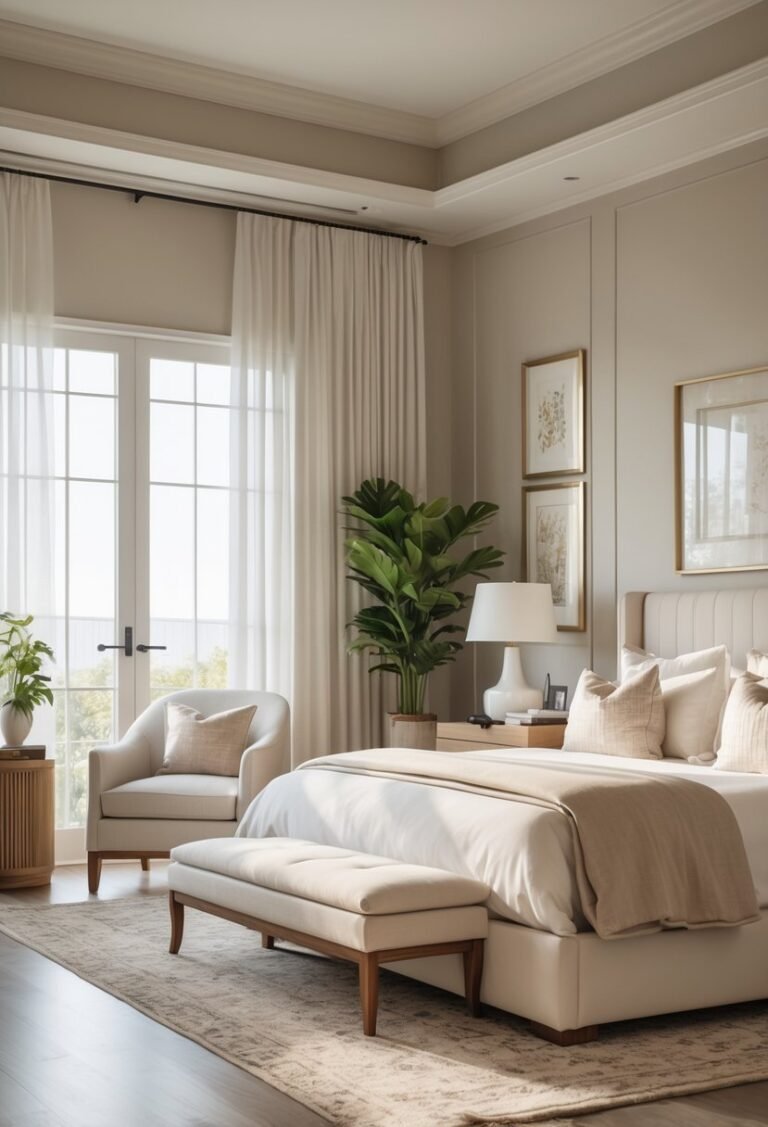
In home decor, beige paints work well on walls, furniture, and accents, providing warmth and openness. In art, beige can serve as a base layer or mixing foundation, allowing vibrant colors to stand out or subtly harmonize with the overall palette. Its natural and timeless appeal keeps it relevant across traditional and contemporary styles.
What Colors Make Beige and How Color Mixing Works
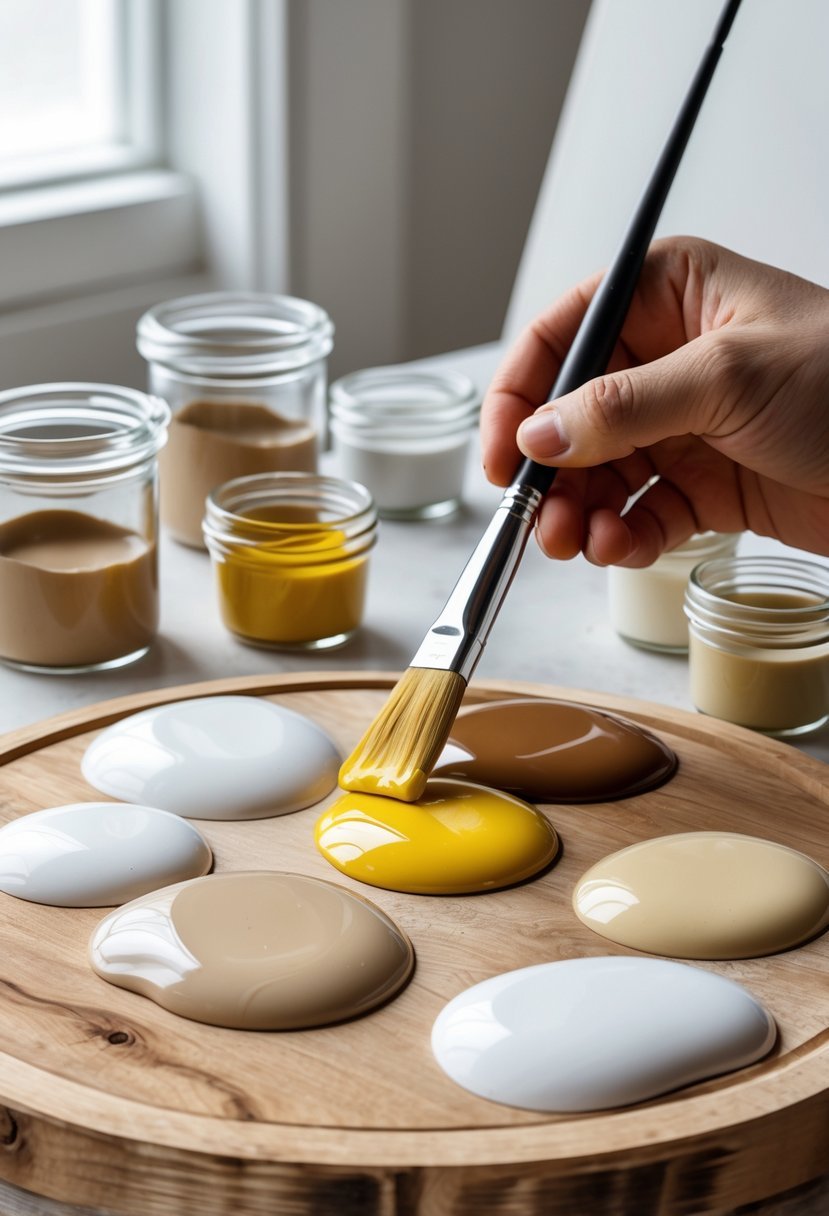
Creating beige paint involves balancing specific colors to achieve its warm, neutral tone. The process depends on understanding how primary and secondary colors interact, the pivotal role of white as a base, and how complementary colors influence the final shade.
Primary and Secondary Colors in Beige Creation
Beige is primarily a mix of primary colors—red, yellow, and blue—combined indirectly through secondary colors like brown. Brown itself results from mixing red and green or red and yellow with blue adjustments.
To create beige, one often starts by mixing brown (a secondary or tertiary color) with white paint to lighten the tone. The result is a soft, warm color that holds hints of its component hues. Adding yellow can brighten beige and give it a creamy undertone. Since beige is a muted, earthy tone, its formation relies on precise ratios of these base colors. Excess of any primary or secondary color may skew it towards orange, tan, or gray.
The Role of White, Yellow, and Brown Paint
White paint serves as the foundation or base in beige production. It lightens the darker shades and creates that classic beige softness.
Yellow paint, when added in small amounts, introduces warmth and a slight brightness without overpowering the base. Brown paint provides depth and the characteristic earthiness needed to produce beige. Using too much brown results in a darker, richer shade; too little can create a washed-out cream color.
Common mixing ratios include:
| Color | Function | Typical Amount |
|---|---|---|
| White | Base lightener | Majority of the mix |
| Yellow | Adds warmth/brightness | Small drops or touches |
| Brown | Adds depth/earthiness | Controlled small amounts |
Mixing white with brown and yellow in varying amounts allows for a range of beige shades, from light to darker tones.
Complementary Colors and the Color Wheel
Complementary colors sit opposite each other on the color wheel (e.g., blue and orange). Beige is sensitive to these nuances because it lies near neutral tones but is influenced by underlying hues.
By understanding the color wheel, one knows that adding small amounts of complementary colors can modify beige. For example, tiny touches of blue can reduce excess warmth, softening the yellow or brown tones.
This balance prevents beige from becoming too warm (orange/yellow) or too cool (gray/blue). Effective beige mixing uses subtle adjustments with complementary colors to maintain neutrality and avoid color shifts that mismatch the intended soft, muted appearance.
Materials and Tools for Making Beige Paint
Creating beige paint requires selecting the appropriate paint type and having the right tools for mixing and testing. Both the paint choices and equipment affect the ease of blending colors and the final quality of the beige.
Choosing the Right Type of Paint
Acrylic paints are the preferred choice for mixing beige due to their fast drying time, versatility, and ease of blending. They provide vibrant pigments and can be applied on multiple surfaces such as canvas, wood, and walls.
Tempera paints can also be used but are less durable and best suited for temporary projects or indoor crafts. Watercolors, while effective for lighter beige shades, require more precision in dilution and layering to achieve consistent tones.
Starting with a white paint base is critical. Raw sienna or raw umber are common brown pigments used to darken the white, and yellow paint is added to warm the mixture. The careful balance between these colors defines the beige’s warmth and earthiness.
Essential Tools and Accessories
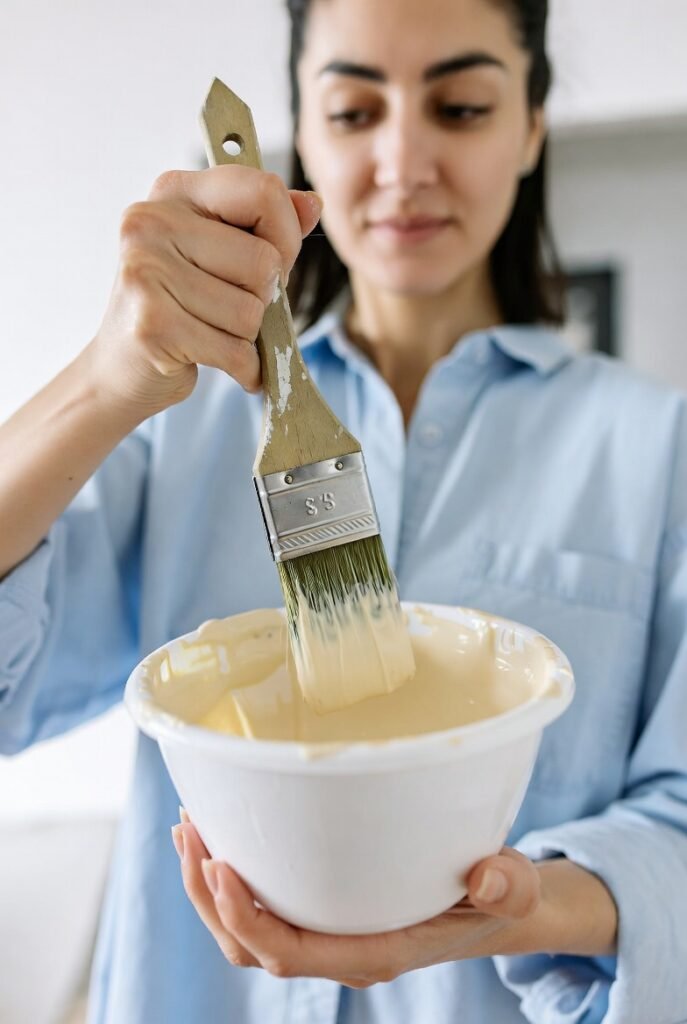
A sturdy mixing container is necessary to blend the paints thoroughly without spilling. Many artists use dedicated paint trays or small bowls for this purpose.
A palette knife or a solid mixing stick helps achieve uniform color without streaks. Thin, even mixing is important because uneven blends lead to inconsistent beige when applied.
Sample swatches or testing surfaces allow checking the color as it dries, since paint colors can shift slightly from wet to dry. Keeping notes of the ratios used will help recreate or adjust the shade in future mixes.
Having clean brushes for application and stirring ensures no unwanted color contamination, maintaining the purity of the beige tone.
Step-by-Step Methods to Make Beige Paint
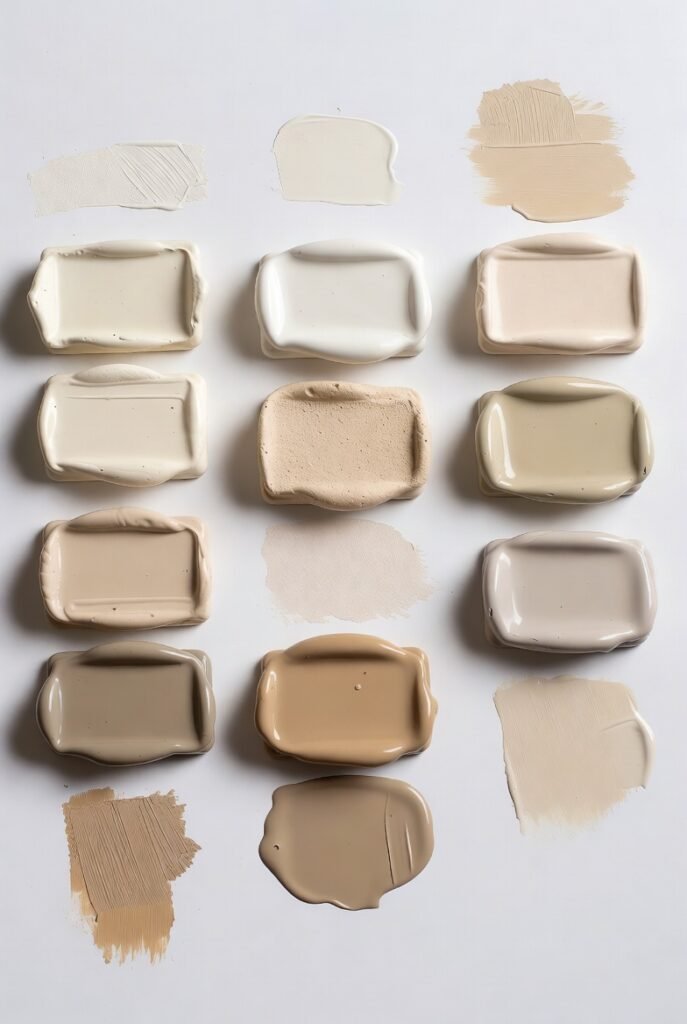
Beige paint is created by carefully blending colors to achieve the right balance of warmth and neutrality. Different paint types require unique approaches, and there are alternative methods for producing beige without relying solely on white or brown pigments.
Mixing Beige with Acrylic Paints
To make beige with acrylic paints, start with white paint as the base. This provides the lightness necessary for beige. Add small amounts of brown paint such as raw sienna or raw umber to introduce depth.
Next, incorporate a touch of yellow paint to warm the mixture. This balances the brown and keeps the tone lively. A typical starting ratio is about 4 parts white to 1 part brown and a few drops of yellow.
Mix thoroughly with a palette knife to avoid streaks. Testing the color on a swatch allows adjustments: more white for a lighter beige, more yellow for warmth, or more brown for earthiness. Acrylic paint dries quickly, making it ideal for rapid testing and layering.
Making Beige with Tempera Paint
Tempera paint requires a slightly different approach because of its water-based, matte finish. Begin with a large portion of white tempera as the foundation.
Add brown tempera incrementally—raw umber works well here—and mix thoroughly with a brush or mixing tool. Introduce yellow tempera gradually to warm the tone, similar to acrylics, but keep in mind tempera’s opacity can affect the final shade.
Because tempera dries lighter than it appears when wet, test samples are essential. Adjust by increasing white for a more muted beige or yellow for a brighter tone. Tempera is suited for crafts or educational projects where fast drying and easy cleanup are priorities.
Creating Beige Using Dyes or Toners
Making beige with dyes or toners involves working with liquid colorants used in fabrics or wood finishing. Here, the starting point is often a clear or white base material.
The process begins by mixing small quantities of yellow and brown dye diluted in water or solvent. The ratio depends on the dye’s concentration but generally focuses on achieving a light brownish-yellow tint.
Because dyes are translucent, layering or repeating application may be needed for a consistent beige look. Testing on a sample surface is critical due to drying shifts in color intensity. Toners operate similarly for wood finishes, offering subtle beige tones when mixed carefully.
How to Make Beige Without White or Brown
When white or brown paints are unavailable, beige can still be created by mixing primary colors in controlled ratios. Start with yellow and red to generate orange tones, then add small amounts of blue to mute the saturation.
Adjust the mixture by slowly adding more yellow to lighten and soften the color or more blue to cool the tone down. This requires fine-tuning since primary colors produce stronger shades, and too much can push the color away from beige.
Testing options include blending colors on a palette and trying swatches. This method is less straightforward but useful in cases where only primary paints are on hand or when custom beige hues are needed without the standard base colors.
How to Adjust Beige Paint Shades
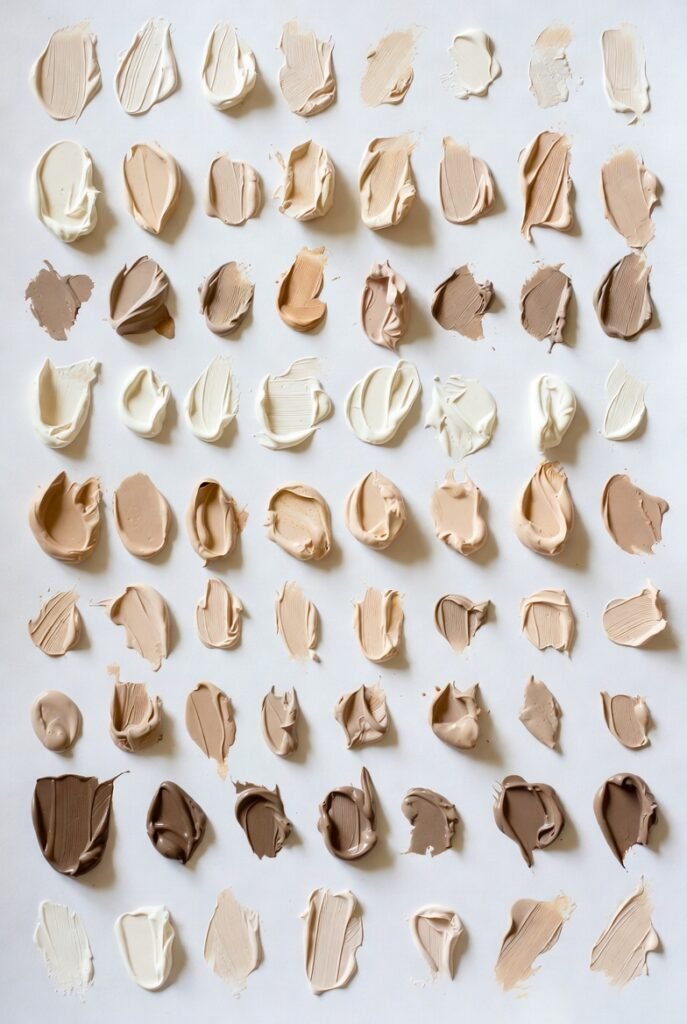
Adjusting beige paint involves careful additions of white, brown, yellow, or other colors to fine-tune the shade. The process requires small, incremental changes to avoid overpowering the base color. This approach allows precise control whether the goal is to lighten, darken, or create specific creamy or warm tones.
Making Beige Paint Lighter
To make beige paint lighter, gradually mix in white paint. White not only increases the brightness but also softens the overall tone without changing the hue drastically. It’s best to add white in small increments, mixing thoroughly each time to observe the shade’s evolution accurately.
If the beige begins to lose warmth after adding white, a tiny amount of yellow or light brown can restore the warmth without darkening the color. This technique is especially useful when aiming for skin color paint with a natural, subtle glow. Testing the mixture on a sample surface helps ensure the right balance before applying it broadly.
Making Beige Paint Darker
Darkening beige involves adding small amounts of brown paint or deeper earth tones like raw umber or burnt sienna. These colors deepen the shade while preserving beige’s neutral character. It’s important to add these dark pigments slowly to avoid making the paint too muddy or overly warm.
Brown is the primary choice to enrich beige, but mixing in a touch of gray can mute brightness and introduce a cooler undertone. This method suits projects requiring more muted or earthy beige hues. Testing the darkened beige in different lighting can prevent surprises once the paint dries.
Customizing Creamy Beige and Other Tones
Creating creamy beige requires blending white with warm tones like yellow ochre, light brown, or a touch of sienna. These colors enhance the softness and add a buttery appearance to the paint. The key is to keep the mixture balanced so it remains light but visually rich.
For a warmer beige, incorporating equal parts of red and orange into the white base before adding brown yields cozy, inviting tones suitable for interiors. Creamy and warm beige shades mimic natural skins tones well and work effectively as versatile neutrals in art and decor. Frequent testing and small adjustments help achieve the desired hue precisely.
Expert Tips and Troubleshooting for Perfect Beige
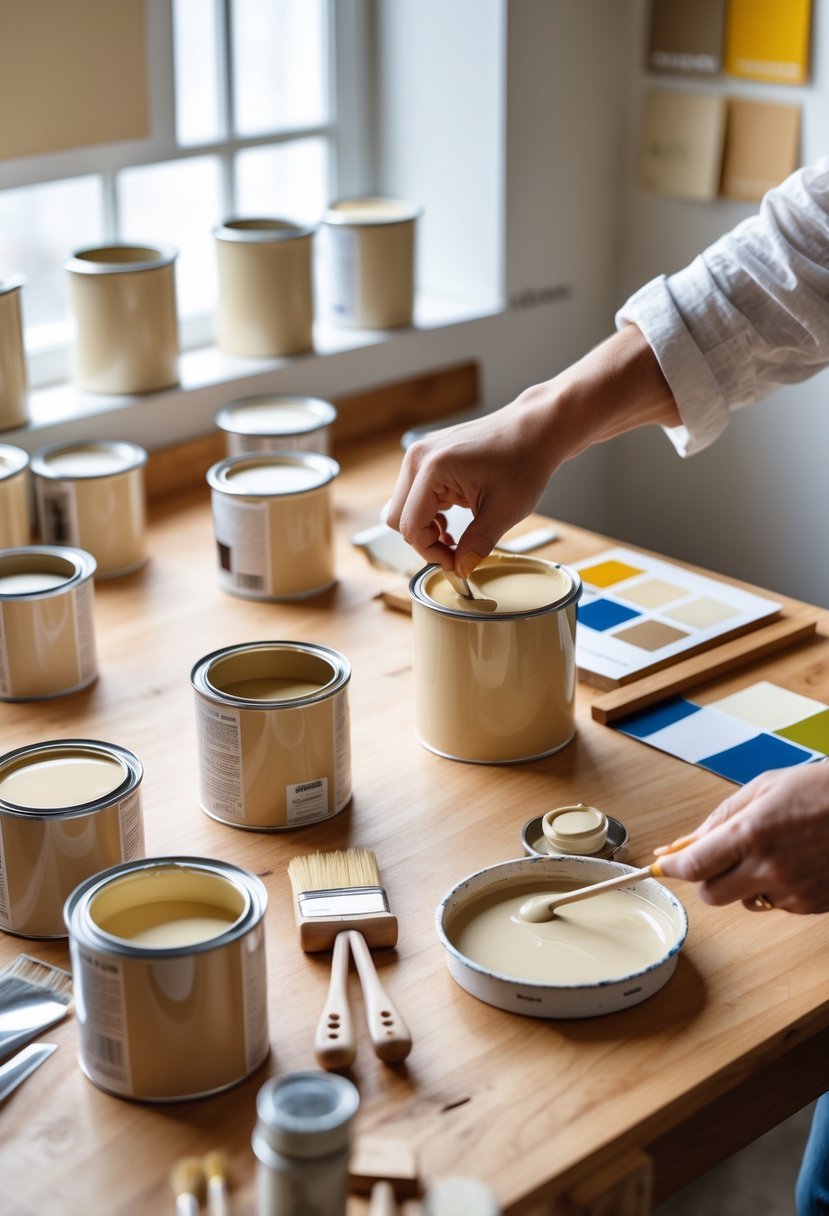
Achieving the ideal beige paint involves careful testing, understanding how lighting affects color perception, and avoiding common pitfalls during mixing. Precision and observation are key throughout the process.
Testing and Refining Your Mixed Paint
Before applying beige paint extensively, testing on a sample surface is essential. Paint a small swatch using the current mix, then let it dry completely. Wet paint often looks darker, so the true color usually appears only when dry.
Refine the mixture by adjusting ratios incrementally: add white paint to lighten or mute the tone, yellow for warmth, or a small amount of brown for depth. Keeping detailed notes on measurements helps replicate successful blends later. Testing under different conditions also ensures consistent color results over the project area.
Effect of Lighting Conditions
Lighting significantly impacts how beige appears. Natural daylight tends to reveal warmer, true tones, while artificial lighting can shift hues toward cooler or muted variations.
For rooms with limited natural light, adding a touch more yellow or warm pigment compensates for cooler bulb tones. Conversely, in bright spaces, a muted beige with extra white can prevent glare or washed-out effects. Evaluating paint samples at different times of the day provides a realistic preview of final color performance.
Common Mistakes and How to Avoid Them
One frequent mistake is adding too much brown paint too quickly. Because brown is highly pigmented, this can darken beige beyond the desired shade. Incremental mixing avoids this issue.
Another common error is poor mixing, which leads to streaky, uneven color when applied. Thoroughly blend paints with a palette knife or mixing stick to ensure uniform pigment distribution. Avoid skipping the test phase; failing to do so often results in unexpected color shifts after drying. Lastly, ignoring the room’s lighting may cause beige to appear off-tone, so always consider environmental factors before finalizing the mix.