How Much Is a Quart of Paint: Pricing, Types, and Buying Guide
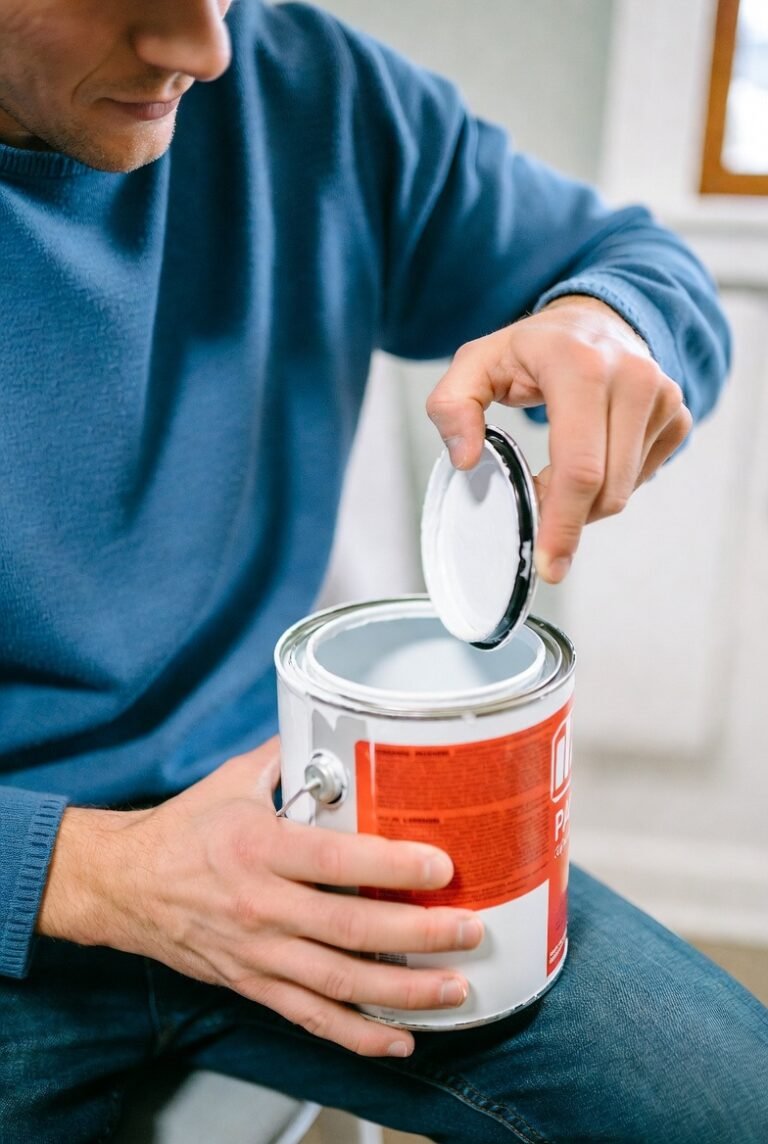
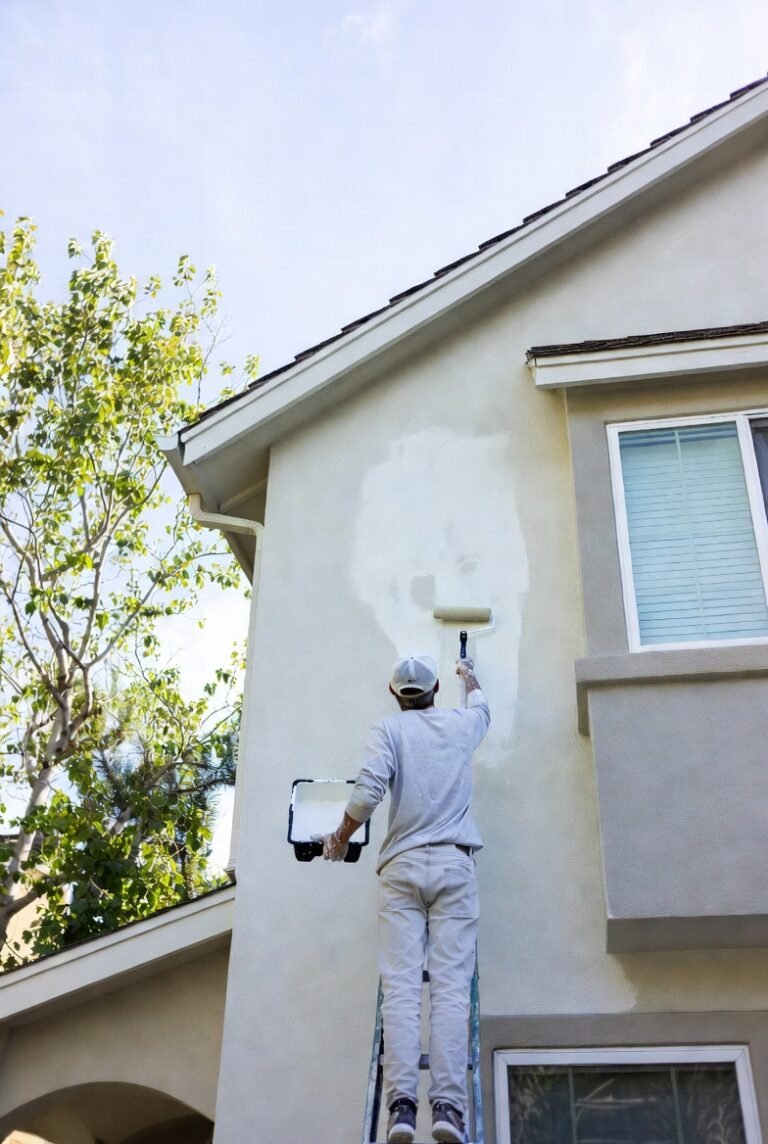
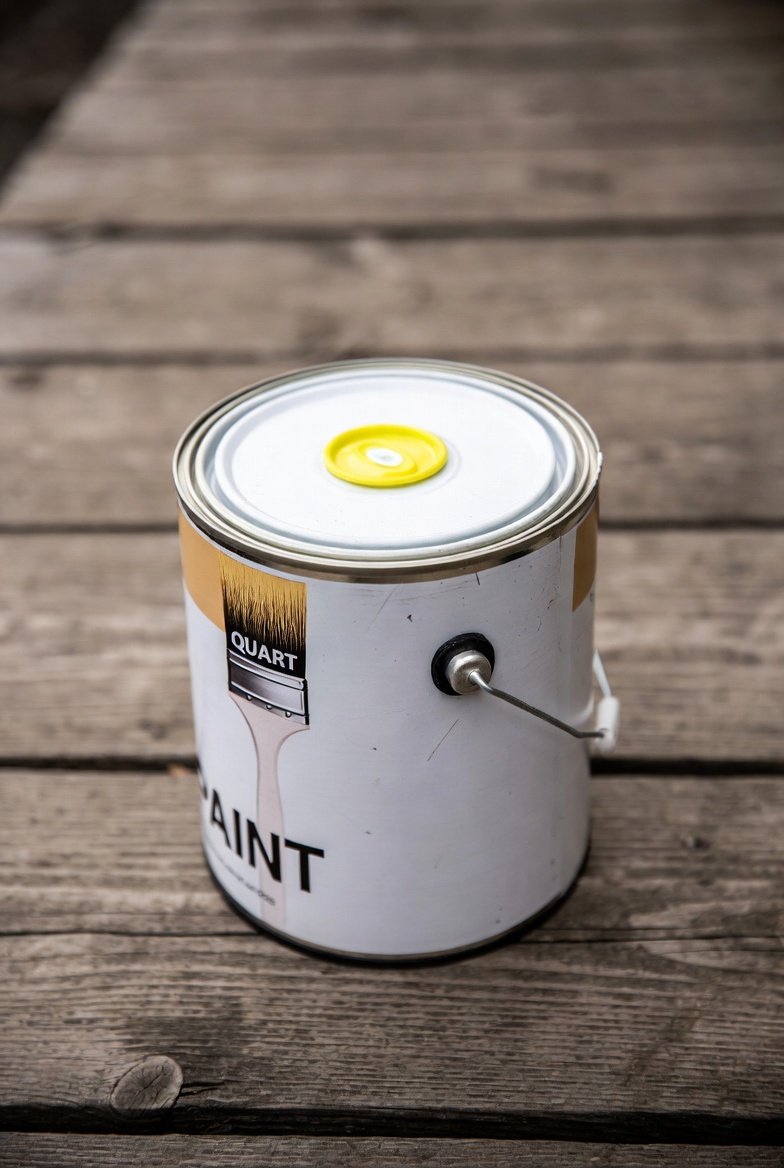
A quart of paint is a common quantity chosen for small projects or touch-ups, making it essential to understand its cost before purchasing. The price of a quart of paint typically ranges from $15 to $30, depending on the type and finish. Interior paints usually fall on the lower end, while exterior and specialty paints tend to be more expensive.
Prices vary slightly between retailers like Sherwin-Williams, Lowe’s, and Home Depot, but all generally align within this range. Factors such as paint finish—flat, satin, or gloss—and the paint’s intended use influence the final price. Knowing these details helps in budgeting effectively for any painting task.
Average Cost of a Quart of Paint

The price of a quart of paint varies depending on factors such as type, brand, and location. Buyers can expect to see a wide range in costs, influenced by the specific qualities of the paint and where it is purchased.
Typical Price Range
A quart of paint generally costs between $15 and $60, with variations based on paint type. Interior latex paint tends to be the most affordable, usually priced from $15 to $50 per quart. Exterior latex paints, which offer more durability against weather, are priced slightly higher, typically between $20 and $60.
Oil-based paints command higher prices, often in the range of $20 to $70 due to their lasting finish and specific use cases. Specialty paints, such as those with mildew resistance or decorative finishes, can cost $30 or more, sometimes exceeding $100 per quart.
Stores like Home Depot offer many of these options, with prices often aligned with these ranges.
Premium Versus Budget Brands
Premium brands charge more because of better pigmentation, durability, and coverage. For example, a quart from well-known premium brands like Benjamin Moore can cost between $30 and $40. These paints may offer richer colors, smoother finishes, and longer-lasting results.
Budget or store brands typically fall at the lower end of the price spectrum, around $15 to $25 per quart. While less expensive, these paints may require additional coats or may not wear as well over time.
Consumers choosing between these options should weigh factors like project scale, expected wear, and finish quality versus cost.
Regional Price Differences
Paint prices differ significantly based on geographic location. Urban areas usually have higher prices—sometimes 30-50% more—due to increased demand, local taxes, and shipping costs. For example, a quart of interior latex paint might sell for $20 in a rural area but rise to $35 or more in a major city.
Home improvement retailers such as Home Depot may also have regional pricing structures. Shipping and supply-chain logistics impact online orders, so buyers should consider delivery fees when purchasing paint online.
Understanding these regional variances helps buyers budget more accurately for their paint projects.
Types of Paint Available in Quart Sizes
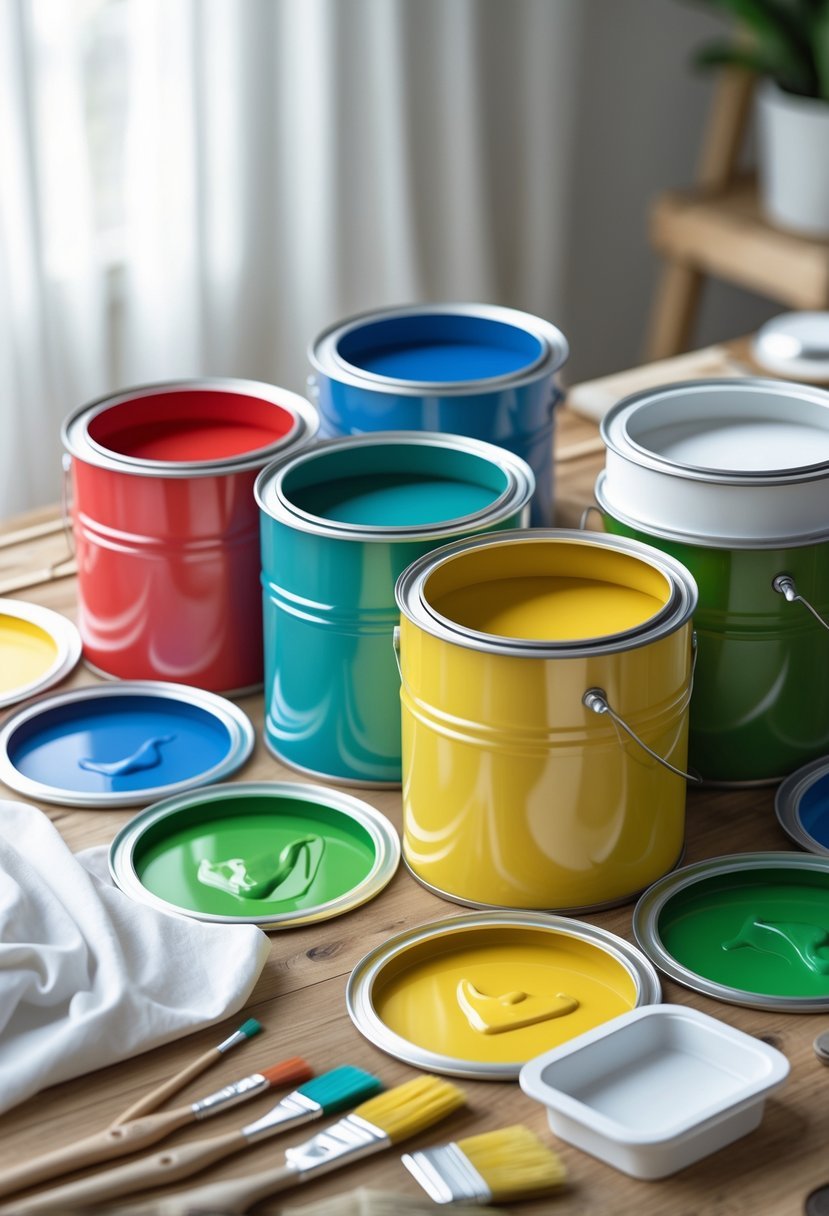
Paint in quart containers suits small to medium projects, providing flexibility without excess waste. Different formulas cater to specific needs, whether for durability, finish, or surface type. Understanding these options helps users select the right paint based on application and desired results.
Latex Paint Options
Latex paint is a popular choice for many interior and some exterior jobs due to its ease of use and water-based formula. It dries quickly, has low odor, and cleans up easily with soap and water. Prices typically range between $15 and $50 per quart.
There are two main categories: interior latex and exterior latex. Interior latex is designed to resist stains and mildew, making it suitable for walls, ceilings, and trim indoors. Exterior latex offers weather resistance, which helps prevent peeling and fading when applied to outdoor surfaces.
Various finishes such as matte, eggshell, satin, and semi-gloss are available. The finish influences the paint’s durability and sheen, with glossier options generally costing more. Latex paint is also favored for its flexibility, preventing cracking as surfaces expand or contract.
Oil-Based Paint Varieties
Oil-based paint offers a durable, hard finish favored for trim, doors, and high-traffic areas. It adheres well to surfaces and provides a smooth, glossy finish, but has longer drying times and stronger odors due to the solvent base.
This paint type usually costs between $20 and $70 per quart, reflecting its superior durability. Cleanup requires mineral spirits or paint thinner instead of water.
Oil-based paints excel in areas needing extra resistance to wear, moisture, and stains. They are less common for large walls due to ventilation and environmental concerns but remain popular for furniture and detailed woodwork.
Interior Paint Choices
Interior paint quart sizes cover a variety of needs beyond just latex or oil. Users can select from low-VOC or zero-VOC formulas to minimize indoor air pollution. Specialty paints, such as mildew-resistant or washable variants, offer tailored protection for kitchens, bathrooms, or children’s rooms.
Coverage from one quart generally spans 90 to 120 square feet, ideal for accent walls, doors, or small rooms. Paint finish options range to suit different aesthetics and functional requirements—from flat for hiding imperfections to gloss for easier cleaning.
Prices for interior paints often start around $15 per quart and can exceed $50 for premium or specialty products. Choosing the right interior paint depends on project size, room conditions, and desired finish quality.
Factors That Influence the Price of a Quart of Paint
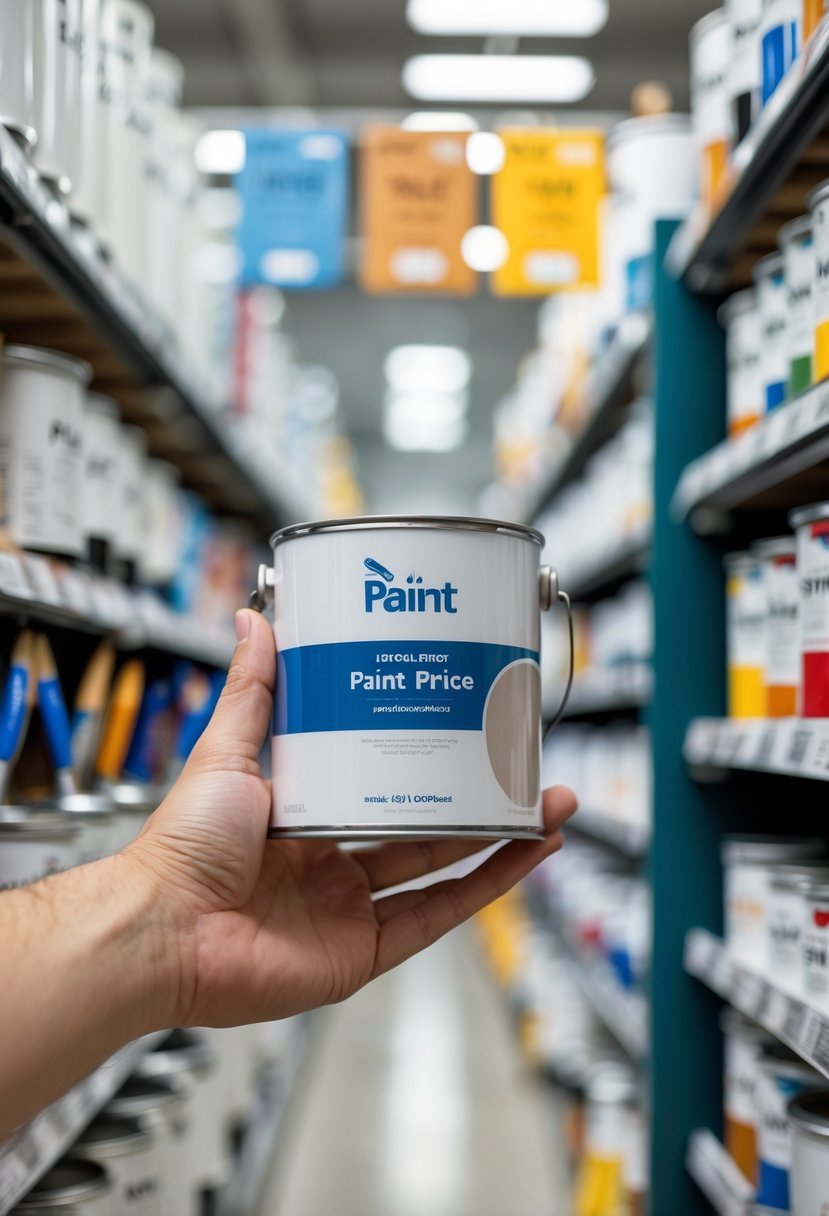
The price of a quart of paint varies due to multiple elements tied to the product’s brand, finish quality, and purchasing conditions. Understanding these can help buyers make informed decisions based on their needs and budget.
Brand Reputation
Brand reputation plays a significant role in paint pricing. Well-known brands often charge more due to their established quality, longevity, and color accuracy. Buyers familiar with brands might prioritize trusted names for consistent results, especially for high-traffic or visible areas.
Lower-priced brands might appeal to cost-conscious shoppers, but these often come with trade-offs in durability or finish. Home Depot, for instance, stocks a range of brands from premium to budget-friendly, allowing customers to choose based on their project requirements. Brand reputation also correlates to customer service and warranty options, which can add intangible value beyond price.
Paint Finish and Quality
The type of finish influences cost. Glossy and semi-gloss paints cost more than matte or eggshell finishes due to their enhanced durability and sheen. These finishes resist stains better, making them suitable for kitchens or bathrooms.
Quality also varies by paint formulation. Higher-quality paints have better coverage, reducing the number of coats needed and potentially lowering labor or additional paint costs. Specialty paints with features like mold resistance or eco-friendliness typically command higher prices. A quart with premium pigment or additives, sold at stores like Home Depot, will often cost more but offer improved performance.
Supply and Seasonal Promotions
Supply dynamics and timing can impact paint prices significantly. Certain colors or types may be in short supply, driving prices up regionally. Urban areas sometimes experience higher prices due to taxes and shipping costs compared to rural locations.
Seasonal promotions and sales at retailers such as Lowe’s or Home Depot provide opportunities for savings. Discounts peak during spring and summer when painting projects increase. Shoppers monitoring these events and leveraging store loyalty programs can reduce expenses. Bulk purchases often come with better per-quart pricing but require prior budget planning.
Where to Buy a Quart of Paint
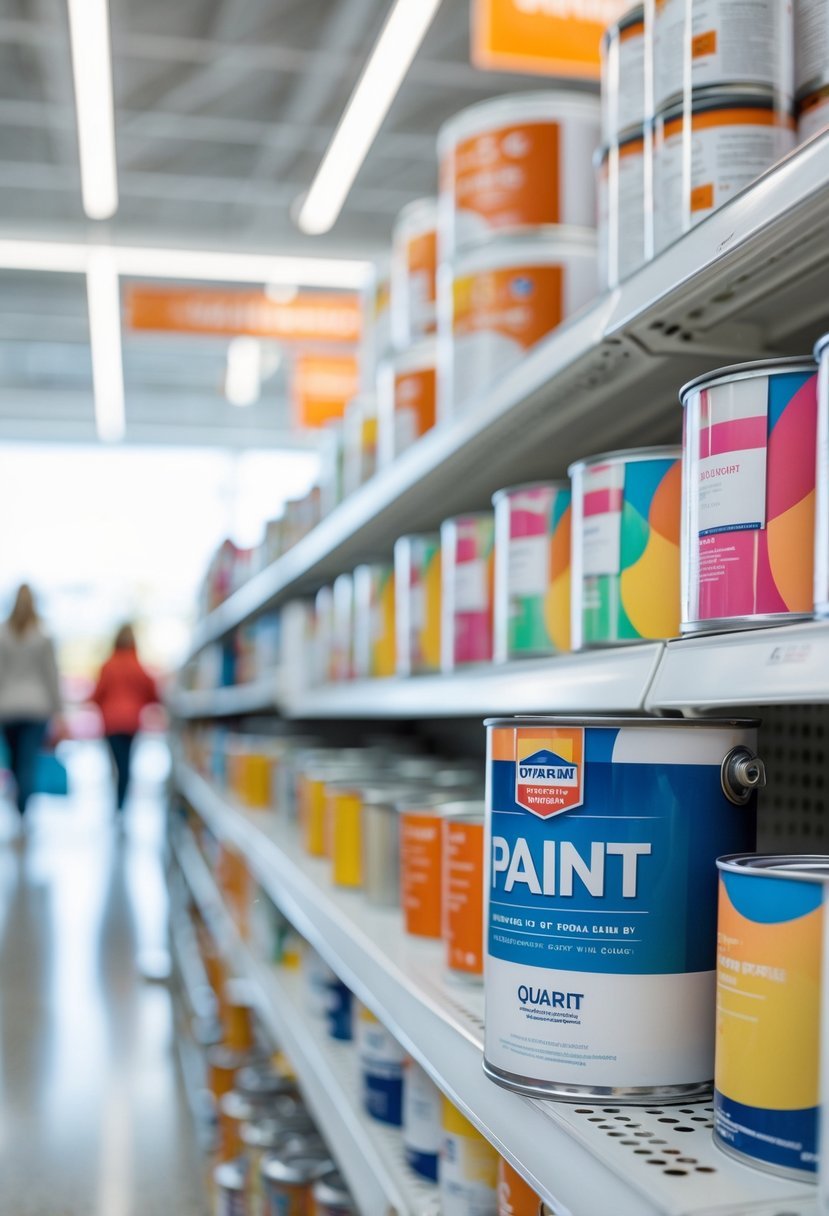
A quart of paint is widely available at major home improvement stores and through various online channels. Choosing where to buy depends on convenience, price, and the variety of paint options offered. Knowing the purchase process and comparing retailers can help find the best fit for any project.
Home Depot Purchase Process
Home Depot offers a straightforward in-store and online shopping experience for quart-sized paint. Customers can easily find a variety of interior and exterior paints by brand and finish in the store’s paint department. Staff are usually available to provide guidance on color matching and paint type.
Online, Home Depot allows customers to order paint with options like free shipping on qualified products or in-store pickup, which adds flexibility. Prices for a quart of paint typically range from $15 to $30, depending on the quality and brand chosen. Promotions and seasonal sales can reduce costs.
Home Depot also provides tools to estimate how much paint is needed based on the project size. This helps in buying the right quantity without waste or shortage.
Online Retailers and Local Stores
Online retailers such as Amazon and Walmart offer a broad range of quart paint options, frequently including specialty brands and finishes. Prices can vary widely online, from budget-friendly options near $10 to premium selections exceeding $35 per quart. Shipping fees and delivery times should be considered when buying online.
Local hardware stores and chain retailers like Lowe’s and Ace Hardware also stock quart paints. Lowe’s prices tend to be comparable to Home Depot, with quarts usually between $10 and $25. Local stores often have seasonal sales and may provide personalized service for color matching and product advice.
Buying locally allows immediate pickup and potentially lower shipping costs. However, online shopping presents broader product choices and customer reviews, which can guide selection.
Selecting the Right Retailer
Choosing the right retailer depends on priorities like price, convenience, and product availability. Big-box stores such as Home Depot and Lowe’s provide consistent pricing, multiple brands, and in-store support. Their frequent promotions and loyalty programs can offer meaningful savings.
For specialty paints, online retailers may have a wider selection, including unique finishes and eco-friendly formulas. Delivery logistics and potential shipping fees impact the total cost.
Local hardware stores may excel in customer service and quick access but might have a more limited inventory. It is advisable to compare prices and reviews and consider return policies before committing.
Using a mix of store visits and online research often helps in finding the exact quart of paint needed for a project, balancing cost and convenience.
Common Uses and Coverage for Quart-Sized Paint
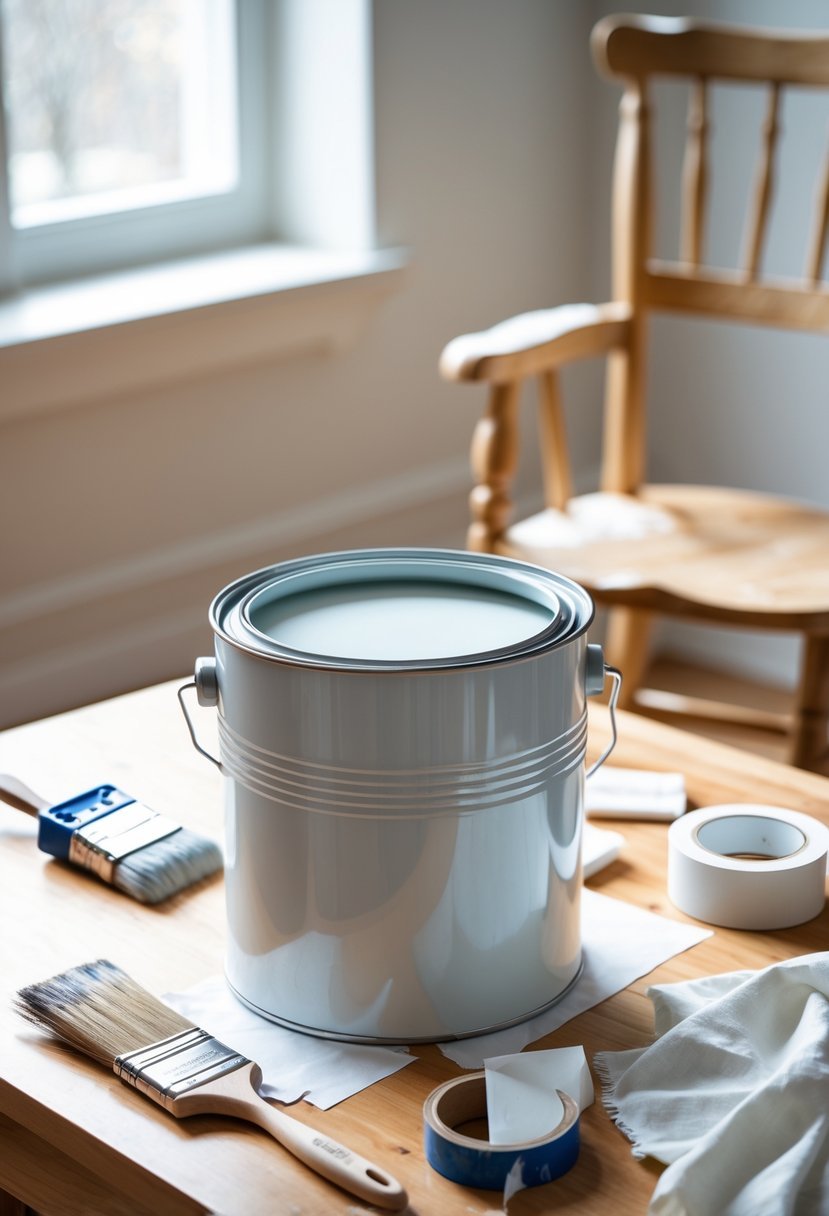
A quart of paint serves well for small-scale painting tasks where precision and limited quantity are key. It offers manageable amounts of paint suitable for specific applications, enabling easy control over usage and minimizing waste. This makes it a practical choice for various household and craft needs.
Project Suitability
A quart of paint is best suited for interior paint projects that involve small surfaces or touch-ups rather than large areas. It is ideal for repainting doors, trim, cabinets, or accent walls where only a limited volume of paint is necessary. This size is also common for DIY tasks such as painting small furniture pieces or creating decorative finishes.
Latex paint is frequently offered in quart sizes due to its ease of use and quick drying time, which complements minor indoor projects. Because of its moderate volume, a quart of paint is inefficient for full-room painting but perfect when accuracy and color matching are priorities.
Estimated Coverage Area
Typically, a quart of paint covers about 90 to 100 square feet with one coat on smooth surfaces. Coverage can vary depending on factors like paint type, surface texture, and color opacity. Rough or porous surfaces will reduce coverage, as more paint absorbs into the material.
For example, using latex paint on drywall, one quart will generally cover a small bedroom wall section or trim around several doors. Multiple coats will reduce total coverage, so it’s essential to calculate accordingly.
| Surface Type | Approximate Coverage per Quart |
|---|---|
| Smooth drywall | 100 sq ft |
| Rough or textured | 75-85 sq ft |
| Wood trim or doors | 90-100 sq ft |
Tips for Small Projects
When using a quart of paint for small projects, preparation and planning are crucial. Clean surfaces to improve paint adhesion, and consider light sanding for better finish on furniture or trim. Use a high-quality brush or roller sized appropriately for the area to prevent overuse.
Buy extra if multiple coats are needed, especially if switching brands or colors to ensure consistency. Store unused paint properly by sealing containers tightly to preserve freshness for future touch-ups. Quart-sized paint is particularly convenient for interior repairs or accents where precision saves both money and materials.