Paint Thinner vs Mineral Spirits Clear Comparison and Usage Guide
When it comes to choosing between paint thinner and mineral spirits, the difference can be subtle but important depending on your project. Both are solvents used to thin oil-based paints and clean brushes, but mineral spirits are a more refined, less toxic option with a milder odor, while paint thinner is a broader, less consistent term that can include harsher chemicals.
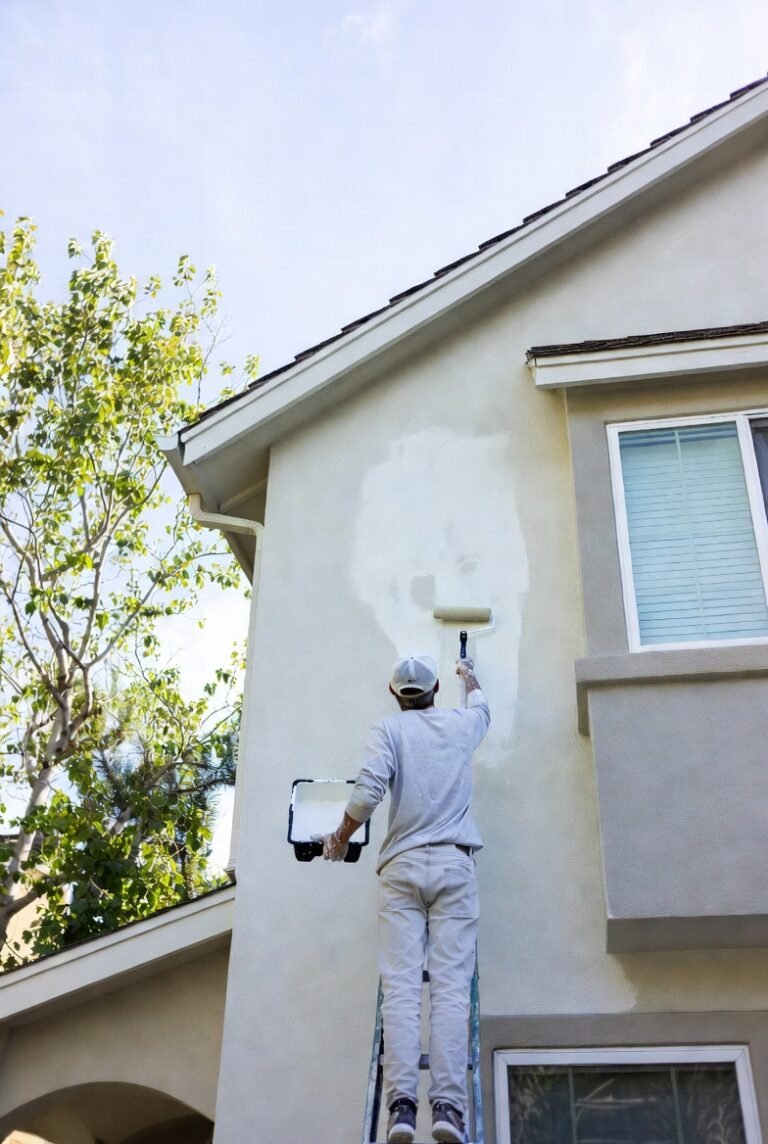
I’ve found that mineral spirits work well indoors and for delicate tasks because they’re gentler and less pungent. On the other hand, paint thinner is often preferred for heavy-duty jobs like stripping paint or outdoor projects where strong solvents are needed and cost efficiency matters more. Understanding these differences helps me choose the right solvent for the task without wasting time or risking damage to my materials.
What Is Paint Thinner?
Paint thinner is a petroleum-based solvent used primarily to dilute oil-based paints and clean painting tools. Its formulation can vary considerably, affecting its strength, odor, and cost. Depending on the type, paint thinner can serve different purposes in a painting project or cleanup.
Composition of Paint Thinner
Paint thinner is not a single substance but a generic term for several petroleum-derived solvents. Its main components often include mineral spirits, naphtha, turpentine, and sometimes acetone. The exact mix depends on the manufacturer and intended use.
Mineral spirits are a common ingredient, known for being a mild and relatively safe solvent. Naphtha, in contrast, is more volatile and has a stronger odor. Turpentine is a natural solvent derived from pine resin, used in traditional paints. The variation in composition affects how aggressive the paint thinner is and how it interacts with paint.
Common Uses for Paint Thinner
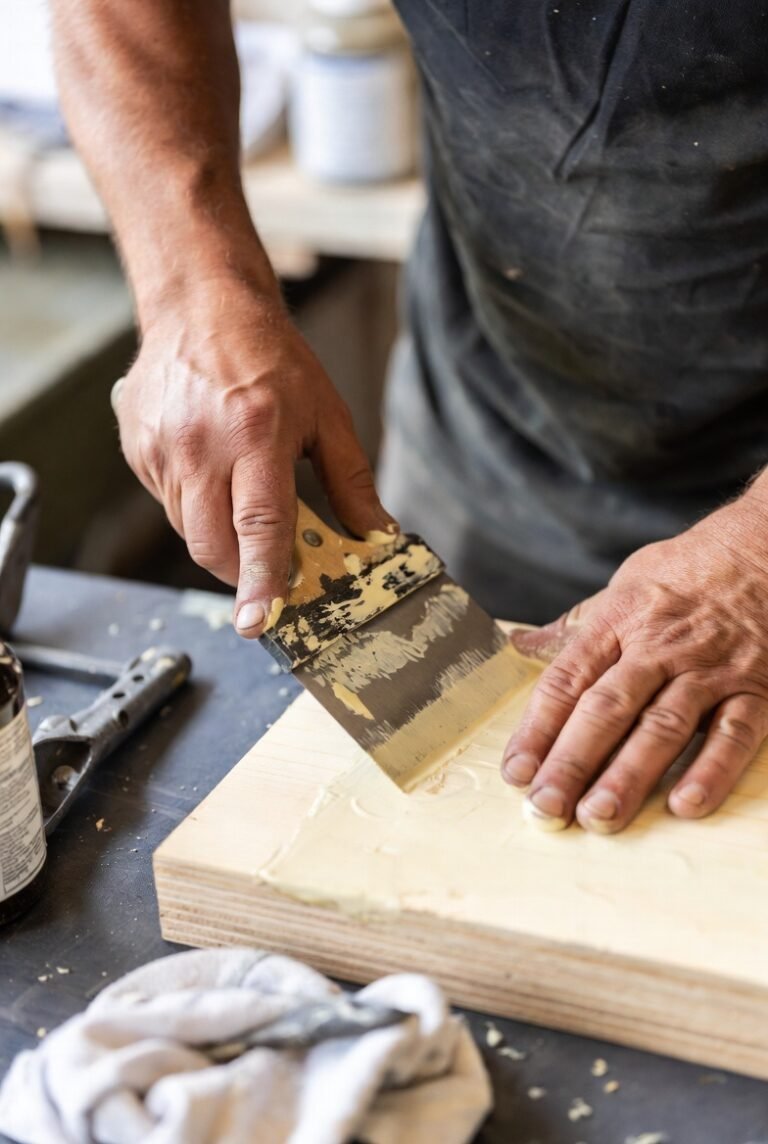
I use paint thinner mainly to dilute oil-based paints, making them easier to apply or adjust for different painting techniques. It’s also effective for cleaning brushes, rollers, and other tools immediately after use.
Besides thinning paint, it helps remove grease, oils, and old paint buildup on surfaces or equipment. It can also soften dried paint spots or remove stuck-on residues from tools. The versatility of paint thinner makes it a valuable item for many painting and maintenance tasks.
Types of Paint Thinner
There are several types of paint thinner, each suited for specific needs:
- Mineral spirits-based thinner: Cleaner and less odorous; ideal for fine finishing and brush cleaning.
- Naphtha-based thinner: Stronger solvent power but more pungent; used for heavy-duty thinning or cleaning.
- Turpentine: Made from natural sources; traditional solvent with a distinctive smell and good paint dissolving properties.
- Acetone or other specialty solvents: Sometimes mixed in for quick-drying or specific cleaning tasks.
Choosing the right type depends on the paint you use, desired drying time, and ventilation conditions. I consider these factors before selecting a paint thinner to ensure optimal results.
What Are Mineral Spirits?
Mineral spirits are a type of solvent commonly used in painting and cleaning tasks. They are derived from petroleum and have specific properties that make them suitable for thinning oil-based paints, cleaning brushes, and removing residues. Their composition, typical uses, and different varieties each affect how and when I choose to use them.
Composition of Mineral Spirits
Mineral spirits consist mainly of aliphatic hydrocarbons, which are refined petroleum-based liquids. This refinement process removes many impurities, making mineral spirits less harsh and more consistent than other solvents like generic paint thinners. Typically, mineral spirits have a moderate evaporation rate and a milder odor compared to stronger solvents.
Because of their composition, mineral spirits are less toxic and less flammable than other petroleum-derived solvents, though they still require careful handling. Their chemical makeup offers an effective balance between solvency and safety, which explains why I often prefer them for indoor use.
Typical Applications of Mineral Spirits
I use mineral spirits primarily for thinning oil-based paints and varnishes. They effectively reduce the paint’s viscosity without altering its drying time significantly. Beyond thinning, mineral spirits are excellent for cleaning paint brushes and equipment after oil-based painting.
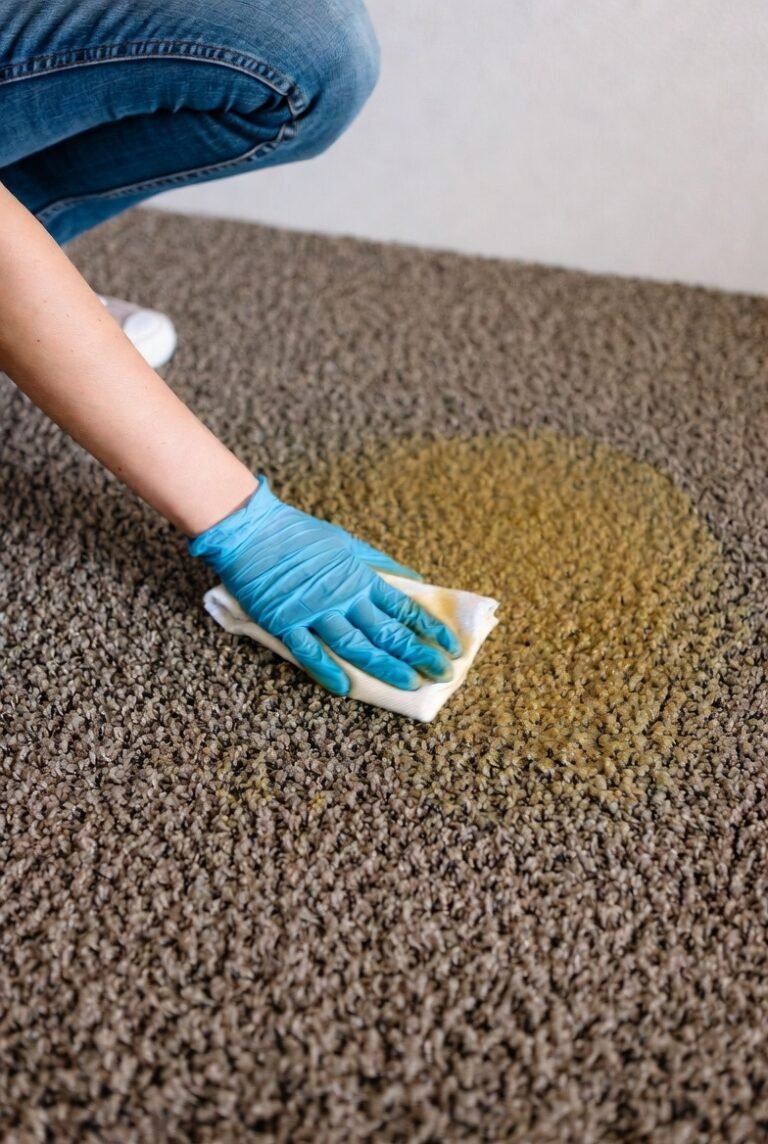
They also serve well in removing grease, grime, and adhesives. Their relatively low odor and gentle action on surfaces make them suitable for delicate cleaning tasks, such as removing old paint residues without damaging wood or metal.
Varieties of Mineral Spirits
There are several grades of mineral spirits, differing mostly in purity and odor level. Odorless mineral spirits (OMS) are highly refined versions that have had aromatic compounds removed, making them favored where low odor is essential, such as indoor painting or sensitive environments.
Standard mineral spirits may contain more aromatic content, which provides higher solvency but also a stronger smell and slightly increased toxicity. I select the variety based on the specific need—OMS for comfort and safety, and standard mineral spirits for tougher cleaning jobs or paint thinning where smell is less of a concern.
Key Differences Between Paint Thinner and Mineral Spirits
Paint thinner and mineral spirits share similarities but differ in chemical makeup, odor, effectiveness, and price. These factors shape how you choose one for specific tasks, whether it’s cleaning brushes, thinning paint, or removing tough stains.
Chemical Makeup
Mineral spirits are a refined petroleum distillate, containing fewer impurities. This refinement process makes mineral spirits more consistent in quality and safer for delicate work. Paint thinner, on the other hand, is a broader term for solvents made from petroleum distillates and may contain additives or other chemicals to boost strength.
Because paint thinner can include a mix of volatile organic compounds, it tends to be less pure and more aggressive in its action. Mineral spirits maintain stability and are less likely to damage surfaces if used properly. This difference directly affects their application: mineral spirits suit fine cleanup and thinning, while paint thinner handles heavier-duty dissolving and stripping.
Odor and Volatility
Mineral spirits typically have a milder, less pungent odor due to their refinement and lower levels of aromatic hydrocarbons. I find them more tolerable during indoor use or prolonged exposure. Paint thinner usually emits a stronger, more noticeable smell and evaporates more quickly, increasing volatile organic compound (VOC) emissions.
This higher volatility means paint thinner can dry faster, which is useful for rapid cleaning or thinning. However, it also demands better ventilation and careful handling to avoid health risks. The lower volatility of mineral spirits gives you longer working time and less odor discomfort but slower drying.
Effectiveness in Paint Removal
Paint thinner excels at removing dried or tough paint due to its stronger solvent composition and additives. For stubborn stains or heavy cleanup, I rely on paint thinner because it breaks down paint more aggressively.
Mineral spirits are milder and best suited for thinning oil-based paints and cleaning brushes without damaging the finish. They won’t strip paint quickly but provide enough solvent power for smoothing and light cleanup. Using mineral spirits on heavy residue often requires extra effort or repeated application.
Cost Comparison
Generally, mineral spirits come at a higher price point because of their purification process and consistent quality. I consider them a worthwhile investment when working on projects that require control and minimal odor.
Paint thinner is often cheaper and more accessible, making it a popular choice for larger jobs or where high strength is essential. While the lower cost is appealing, it can vary depending on additives and brand quality. Balancing cost with the intended use helps determine the more practical option for any project.
Choosing Between Paint Thinner and Mineral Spirits
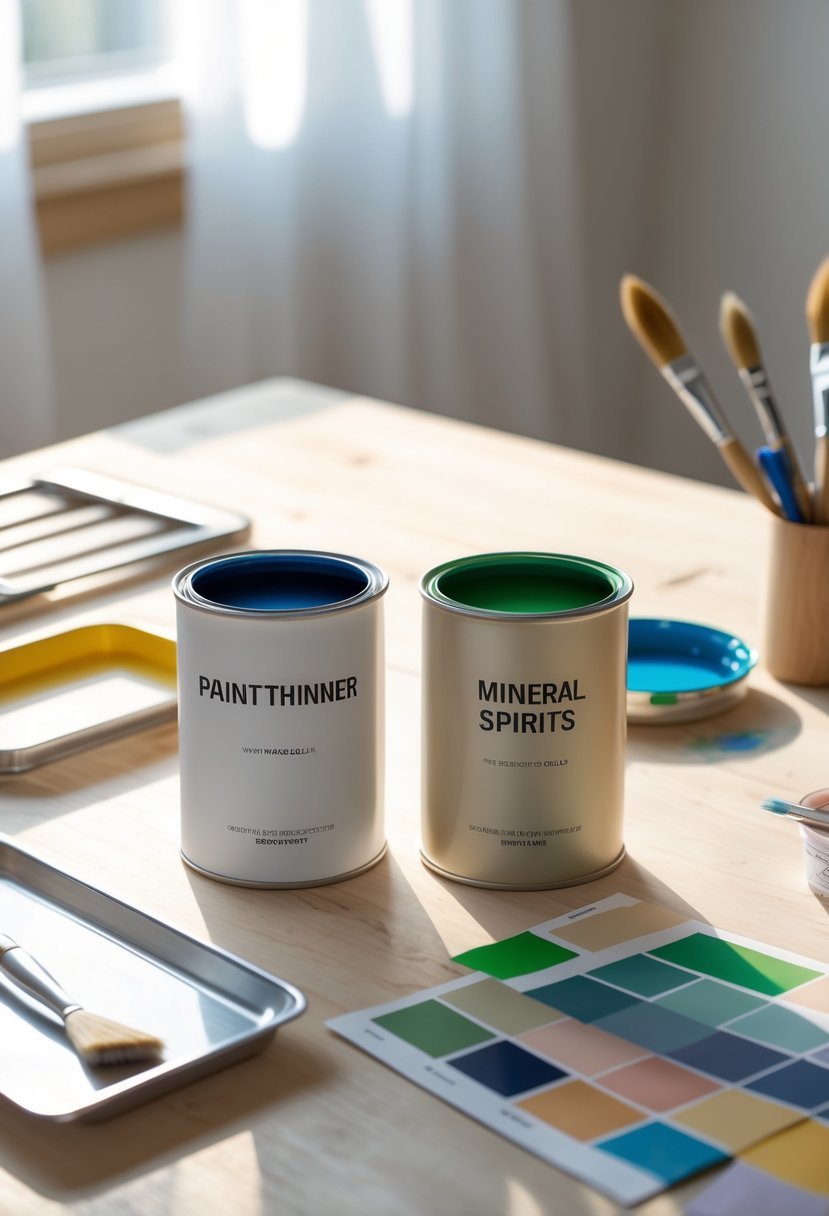
When deciding between paint thinner and mineral spirits, it’s important to consider the type of paint you’re working with, the surface you’ll be applying it to, and the environmental impact of the solvents. Each factor influences which product will perform better and safer for your project.
Suitability for Different Paint Types
I find mineral spirits work best with oil-based paints, stains, and varnishes when I want a gentler solvent. They thin these paints effectively without being overly aggressive, which helps preserve the finish.
Paint thinner, by contrast, is stronger and better suited for tougher jobs where quick thinning or heavy cleanup is needed. It works well on thicker oil-based paints or old, dried paint, but its harsher nature can sometimes damage delicate finishes or natural bristle brushes.
Choosing the right solvent for the paint type avoids damaging the surface or tools and ensures the paint flows smoothly.
Surface Compatibility
Before using either solvent, I always test a small area to check compatibility with the surface. Mineral spirits tend to be milder and less likely to cause damage on sensitive materials like wood or older finishes.
Paint thinner’s strength can be too harsh on delicate surfaces, stripping away layers or causing swelling in some wood types. Because of this, it’s best reserved for surfaces that can tolerate aggressive products, such as metal or heavily varnished areas.
Using the wrong solvent risks ruining the project’s appearance and sometimes requires costly repairs.
Environmental Considerations
From an environmental standpoint, mineral spirits are generally less hazardous. They are less flammable and typically emit fewer noxious fumes. This makes them a safer choice indoors and in areas where ventilation may be limited.
Paint thinner usually contains stronger chemicals, releasing harsher odors and posing a bigger risk when disposed of improperly. I’m mindful about ventilation and disposal methods if I choose paint thinner, given its greater environmental impact.
Being aware of these factors helps me balance performance with safety and environmental responsibility.
Safety and Handling Considerations
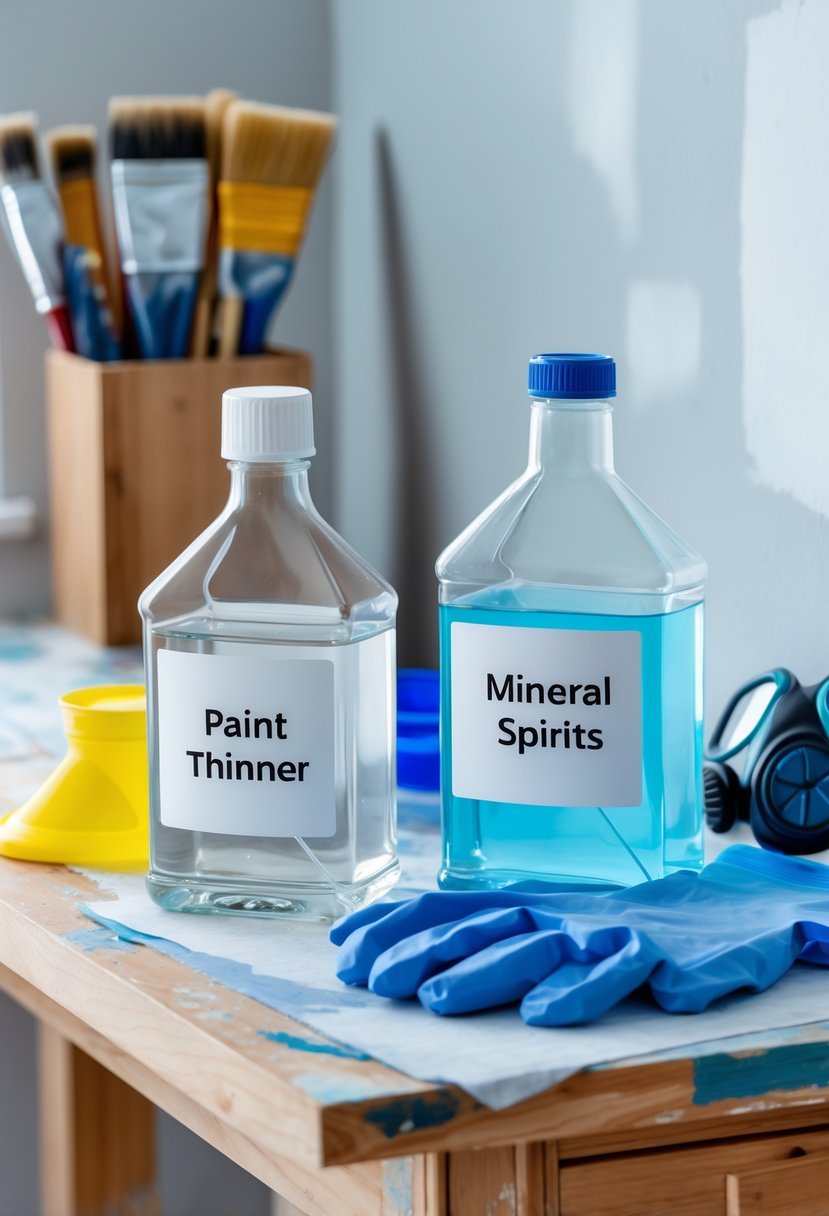
When working with paint thinner or mineral spirits, I focus on specific safety measures to reduce health risks and accidents. Proper ventilation, use of protective gear, and responsible disposal are essential to keep me and my workspace safe.
Ventilation and Storage Requirements
I always use paint thinner or mineral spirits in well-ventilated areas to prevent inhaling harmful fumes. Both solvents release volatile organic compounds (VOCs) that can cause dizziness, headaches, and respiratory issues. Opening windows or using fans helps keep the air circulating and reduces vapor buildup.
For storage, I keep these solvents in tightly sealed containers away from heat sources or open flames. Both are flammable, though mineral spirits tend to be less volatile. I store them in cool, dry places, clearly labeled and out of reach of children or pets. Proper storage lowers the chance of spills and fire hazards.
Personal Protective Equipment
To protect my skin and eyes, I wear chemical-resistant gloves and safety goggles when handling either solvent. Both can irritate the skin on contact and cause eye injuries. A long-sleeved shirt is preferable to reduce skin exposure.
I also consider using respirators or masks when ventilation isn’t sufficient. Although mineral spirits are less toxic, I treat both with caution because prolonged exposure to the fumes can harm my lungs and nervous system. Wearing the right PPE is a simple but crucial step in my safety routine.
Proper Disposal Methods
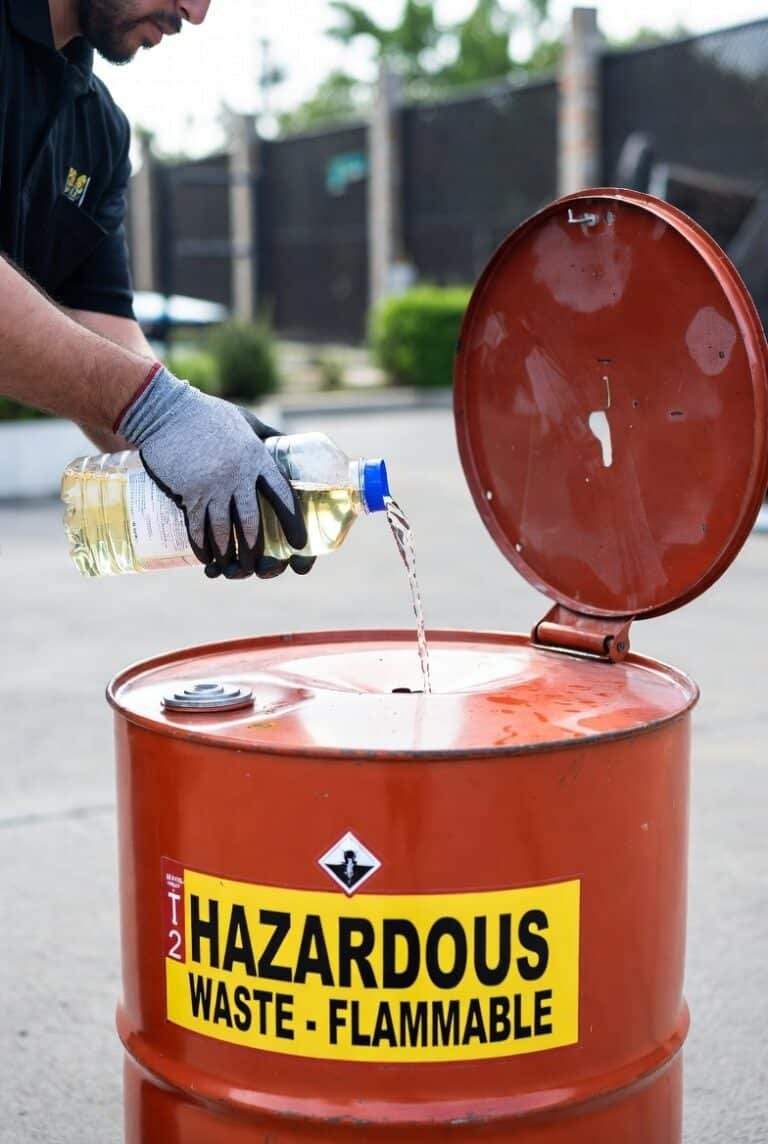
Disposing of paint thinner or mineral spirits requires care to avoid environmental damage. I never pour leftover solvents down the drain or on the ground. Instead, I take them to a hazardous waste collection site or follow local guidelines for solvent disposal.
Often, I let used solvents sit in a sealed container until the paint solids settle, then pour off the cleaner liquid for reuse or appropriate disposal. This reduces waste and exposure. Proper disposal protects both my environment and community from contamination risks.