15 Gray Exterior House Paint Ideas That Boost Curb Appeal
I know how overwhelming it can be to stand in the paint aisle, staring at fifty slightly different shades of gray. It feels like a high-stakes decision because it is.
Your home’s exterior is the first thing people see, and choosing the right color can significantly impact its value. In fact, nearly one-third of homeowners paint their home before listing it for sale to maximize their return.
Gray remains a top choice for exteriors because it is incredibly versatile. It bridges the gap between modern and timeless, working beautifully on everything from Victorian cottages to contemporary builds.
I have compiled 15 gray exterior paint ideas to help you find the perfect shade and style for your home.
1. The Classic Light Gray
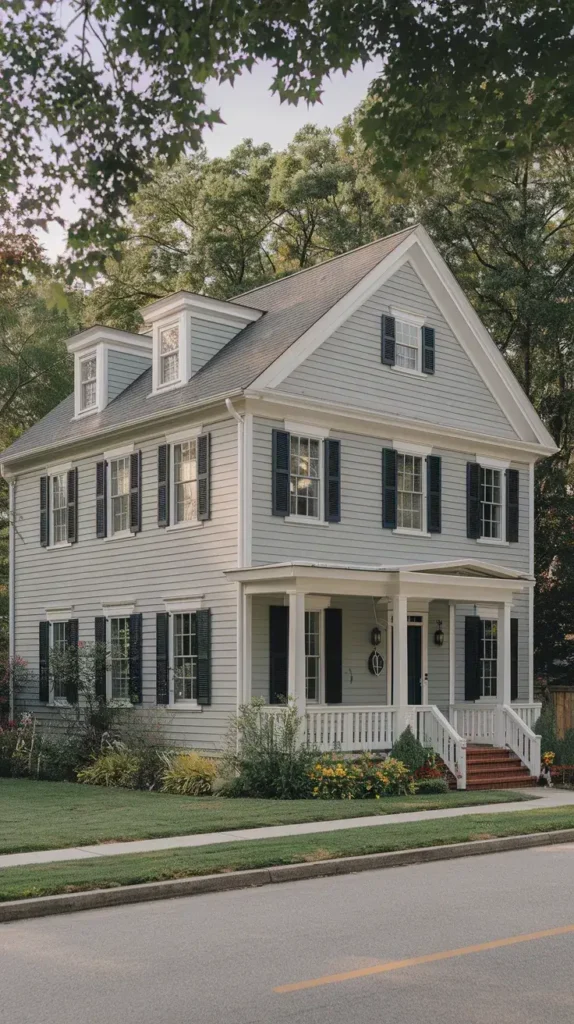
If you want a look that feels fresh and open, you cannot go wrong with a classic light gray. I love this option because it reflects sunlight, making your home appear larger and more inviting from the street.
Colors like Stonington Gray (HC-170) by Benjamin Moore are perfect examples. This shade offers a clean, silvery hue that pairs effortlessly with white trim for a traditional American look.
Tip: Always test light grays on different sides of your house. Direct sunlight can wash them out, making them look almost white at noon.
2. Dramatic Charcoal for Modern Appeal

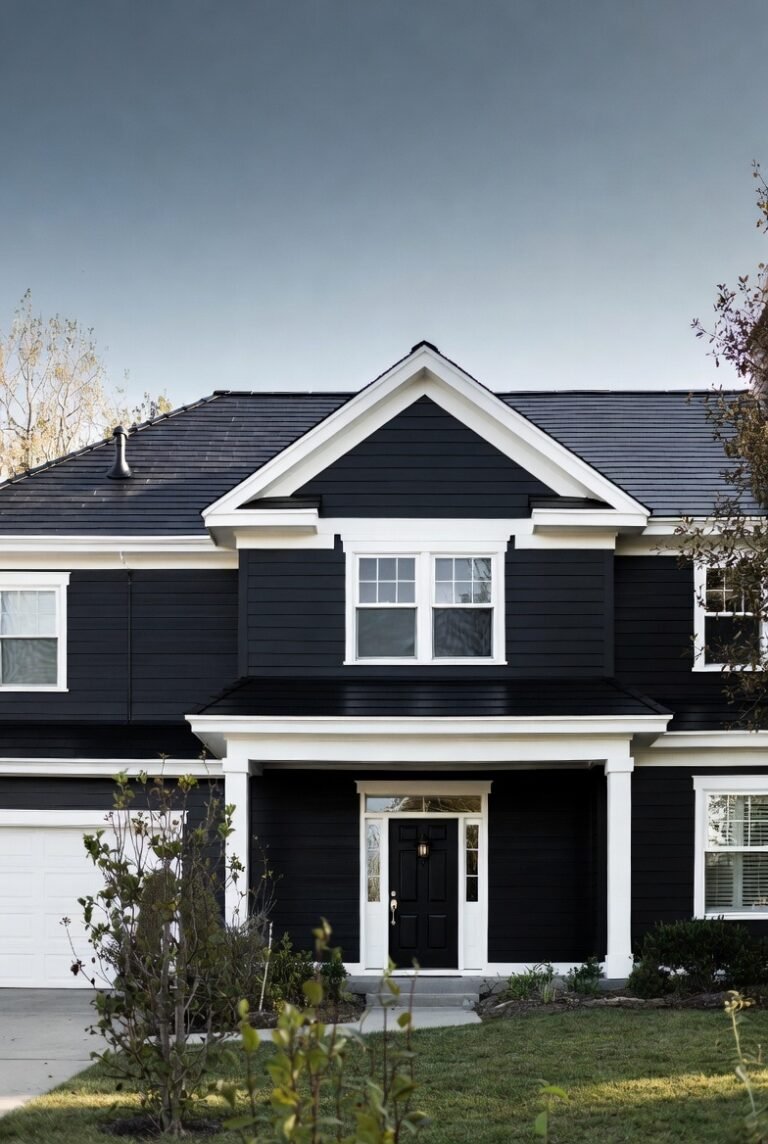
I see more homeowners embracing dark, moody hues, and for good reason. A deep charcoal gray makes a bold statement and instantly modernizes a dated facade.
Kendall Charcoal (HC-166) is a fantastic option here. It is deep and luxurious but still retains enough warmth to keep your home from looking like a fortress. Darker colors also hide dust and dirt better than lighter shades.
Tip: Use a matte or flat finish for dark gray paint. As Zillow experts note, matte finishes hide imperfections like dings or uneven siding better than glossy sheens.
3. The Warm Greige Compromise
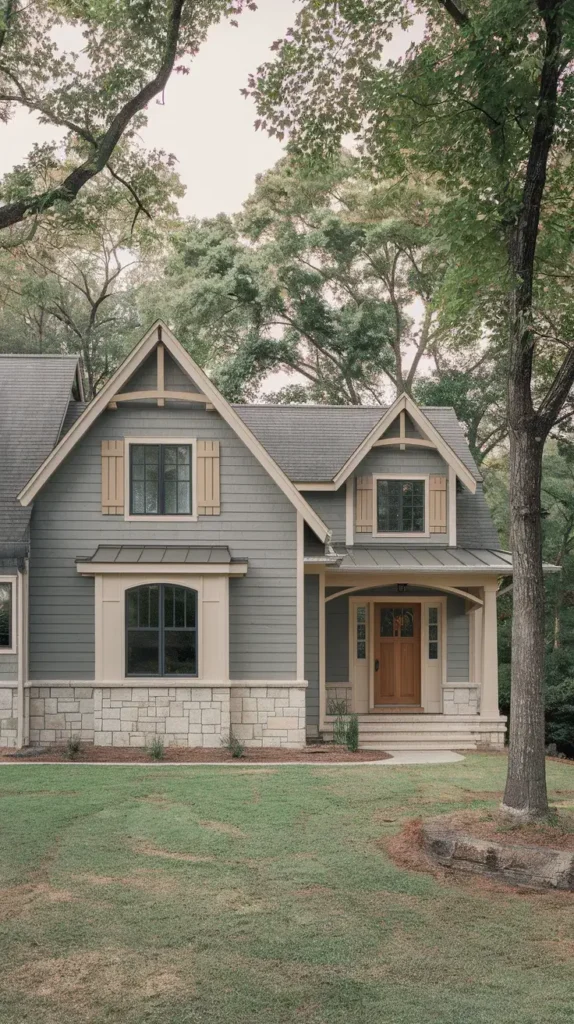
Can’t decide between gray and beige? I suggest going with “greige.” This hybrid color brings the warmth of beige and the sleekness of gray together.
It is an excellent choice if you have natural stone or brick elements on your exterior. The warmer undertones in colors like Revere Pewter (HC-172) connect beautifully with earthy masonry.
Tip: Compare greige swatches against your existing brick or stone. You want the paint to pull out the subtle flecks of color in the masonry.
4. Gray with Crisp White Trim
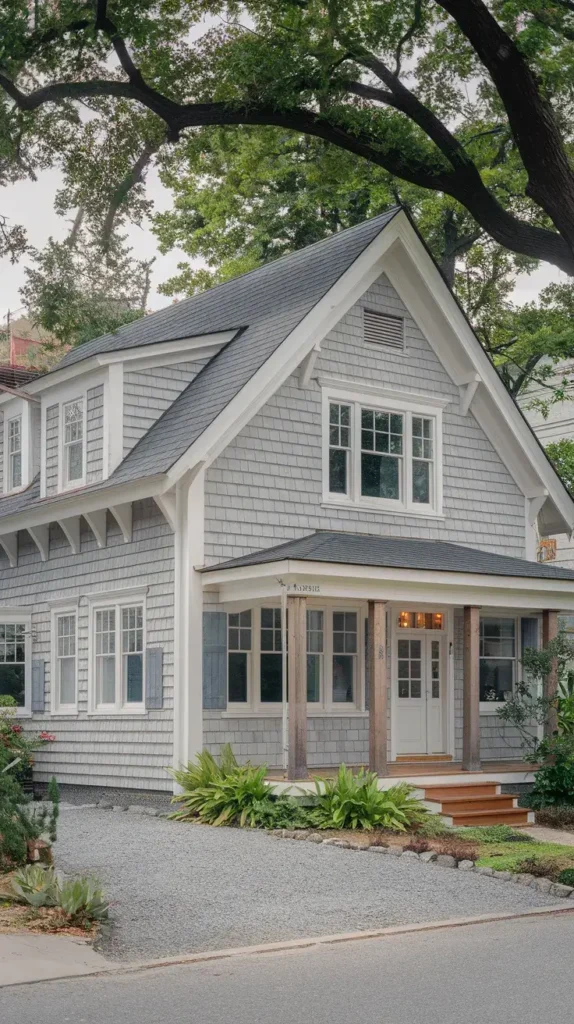
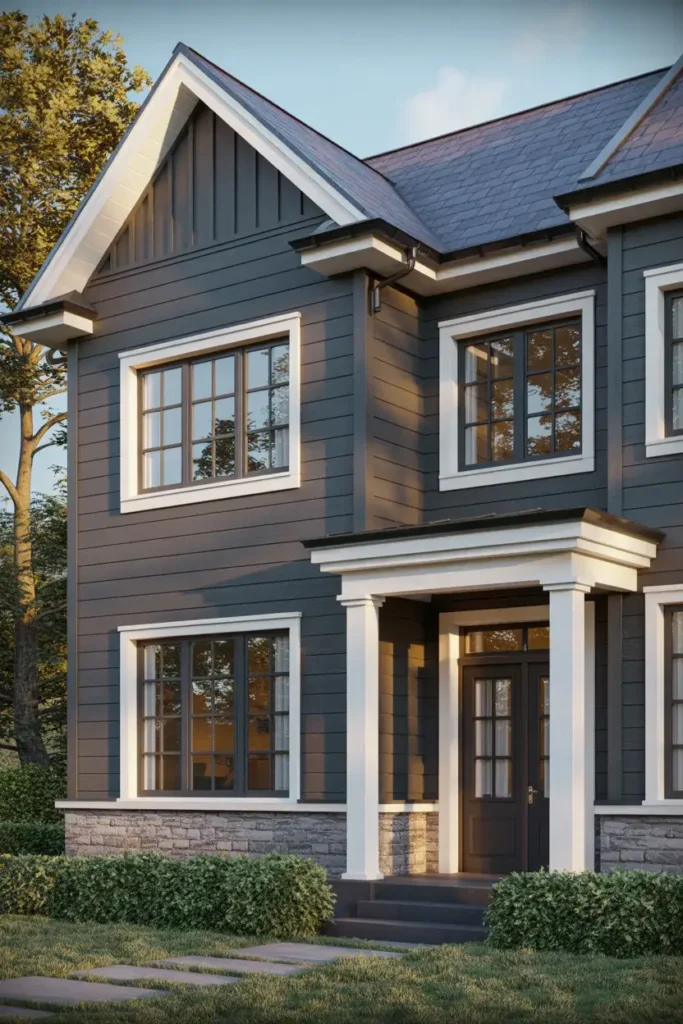
This is the quintessential curb appeal combination. I recommend pairing a mid-tone gray siding with bright white trim, fascia, and gutters.
The high contrast creates a crisp, tailored appearance that highlights your home’s architectural lines. It works particularly well on Cape Cod and Craftsman style homes where trim detail is a key feature.
Tip: Choose a pure, bright white for the trim to ensure the contrast pops, regardless of the lighting conditions.
5. Coastal Blue-Gray Tones
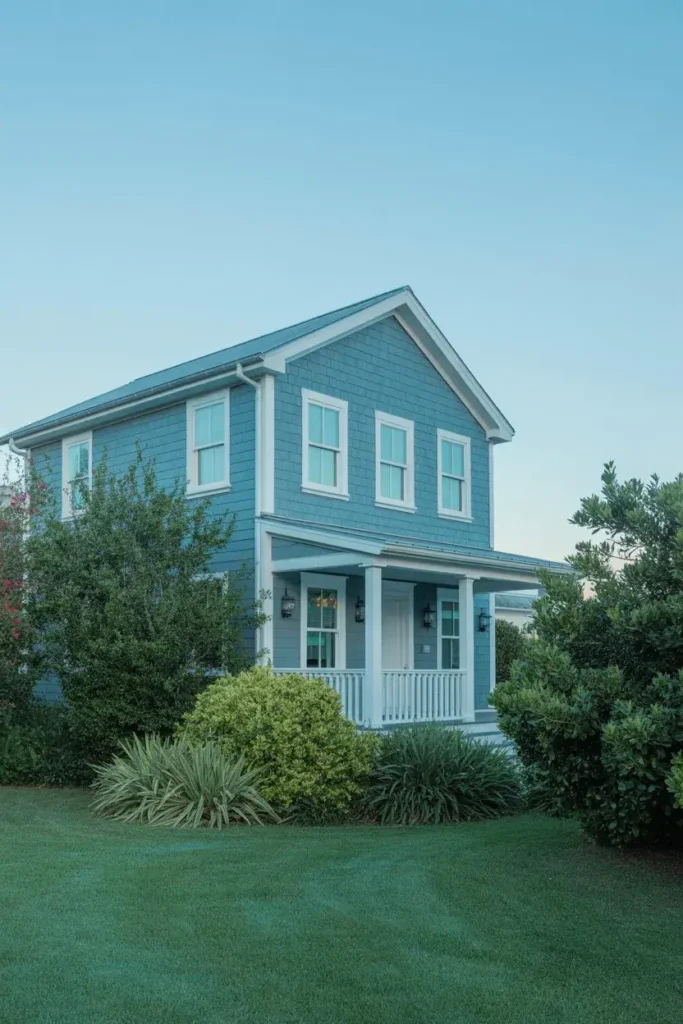
If you live near the water—or just wish you did—a blue-gray exterior creates a serene, coastal vibe.
Colors like Boothbay Gray (HC-165) carry distinct blue undertones. I find these shades incredibly calming. They blend beautifully with the sky and look stunning against green landscaping.
Tip: Be careful with blue undertones. They can intensify in large areas, so make sure you want a house that definitely reads as “blue” before you commit.
6. Gray with Natural Wood Accents
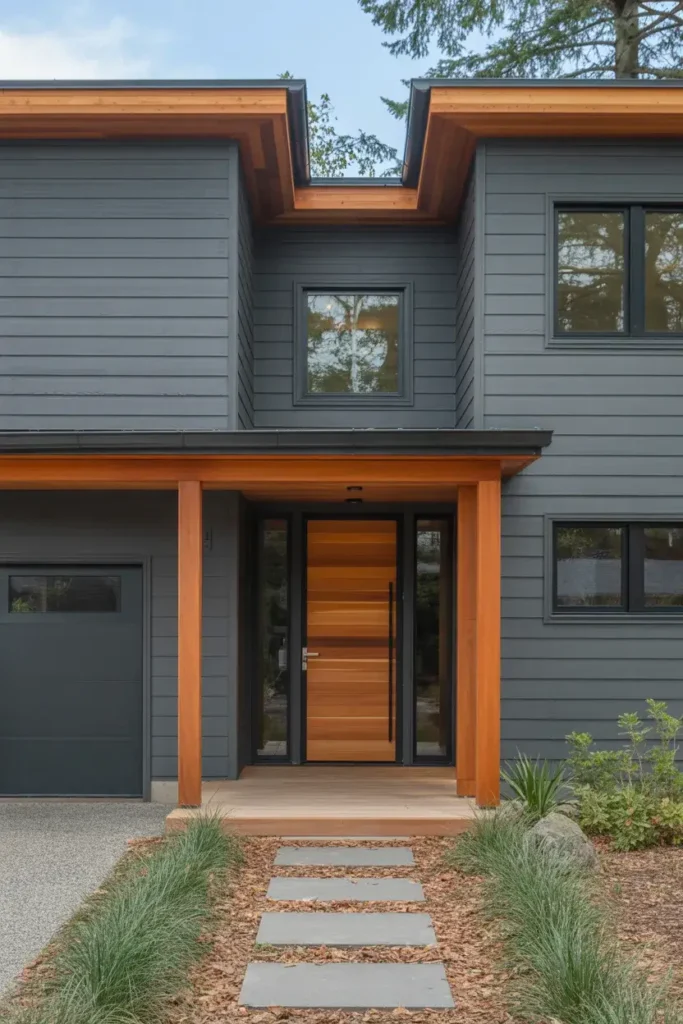
I love the juxtaposition of cool gray paint against warm, natural wood. It creates a sophisticated, organic modern aesthetic that is very popular right now.
Try pairing a charcoal or slate gray exterior with cedar or redwood accents. You can use wood for your front door, garage door, or even porch columns to warm up the cool paint.
Tip: Seal the wood elements with a clear coat rather than painting them. This preserves the natural grain and color variation that makes this look work.
7. The Monochromatic Look
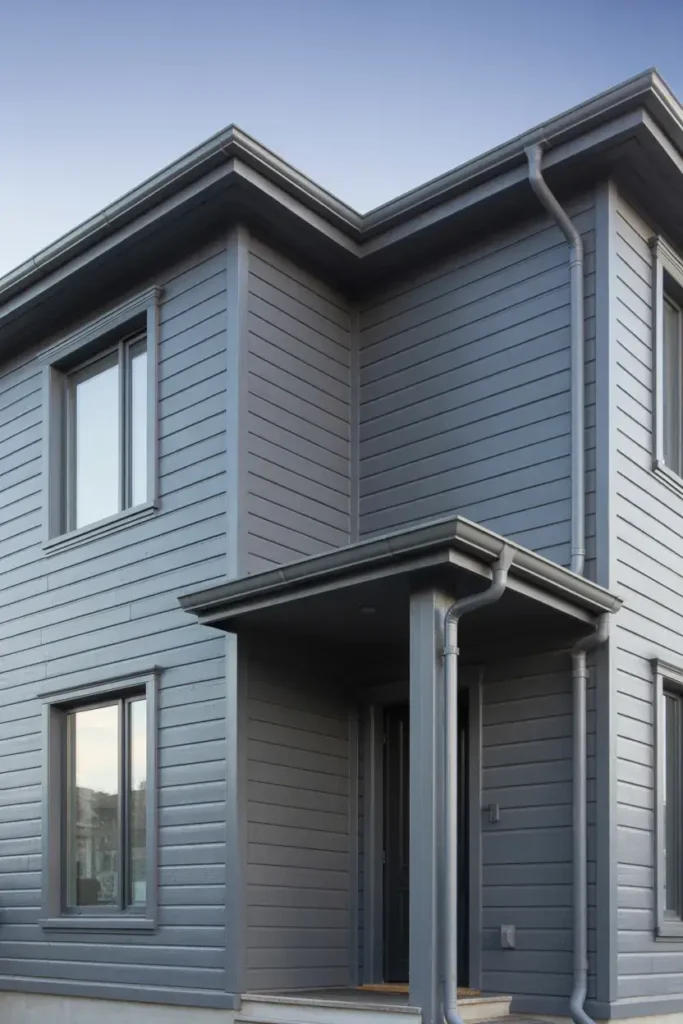
For a sleek, contemporary vibe, I suggest skipping the contrasting trim. Paint your siding, trim, and gutters all the same shade of gray.
This technique makes smaller homes look bigger because the eye doesn’t get stopped by contrasting lines. It creates a seamless, unified visual that feels very high-end.
Tip: You can still add depth by changing the sheen. Use flat paint for the siding and semi-gloss for the trim in the exact same color.
8. Gray with a Pop of Color
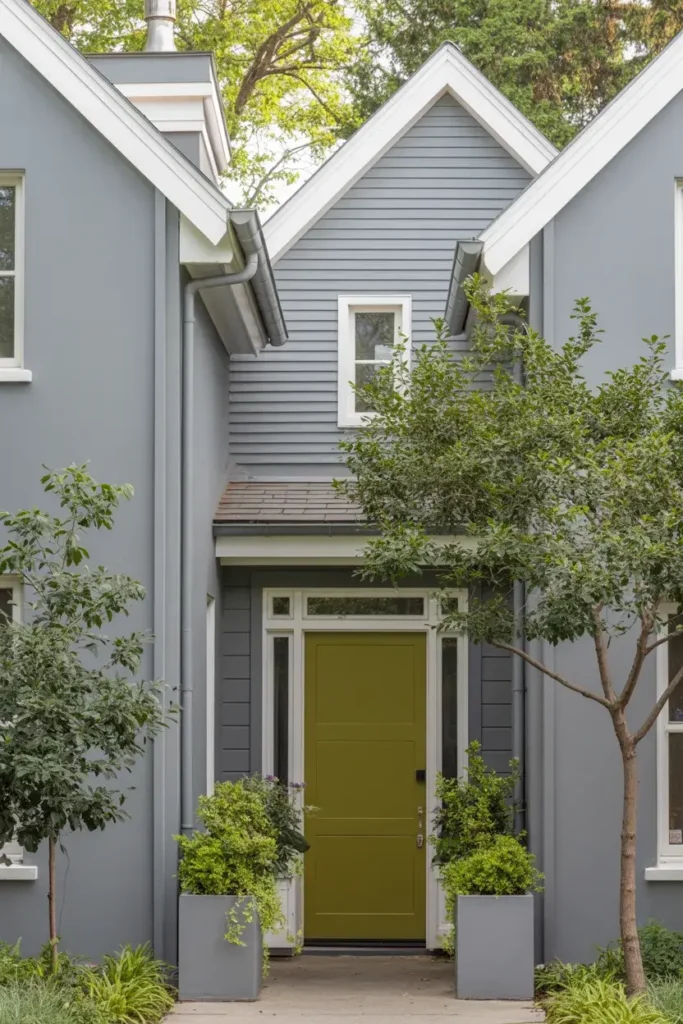
Gray is the perfect neutral backdrop for a bold accent color. I recommend painting your front door a vibrant hue to create a focal point.
Zillow research shows that buyers love nature-inspired colors. A front door in olive green or navy blue adds personality without overwhelming the sophistication of the gray siding.
Tip: Match your door hardware to your exterior light fixtures. Matte black hardware looks exceptionally sharp against gray paint and a colorful door.
9. Green-Gray Undertones
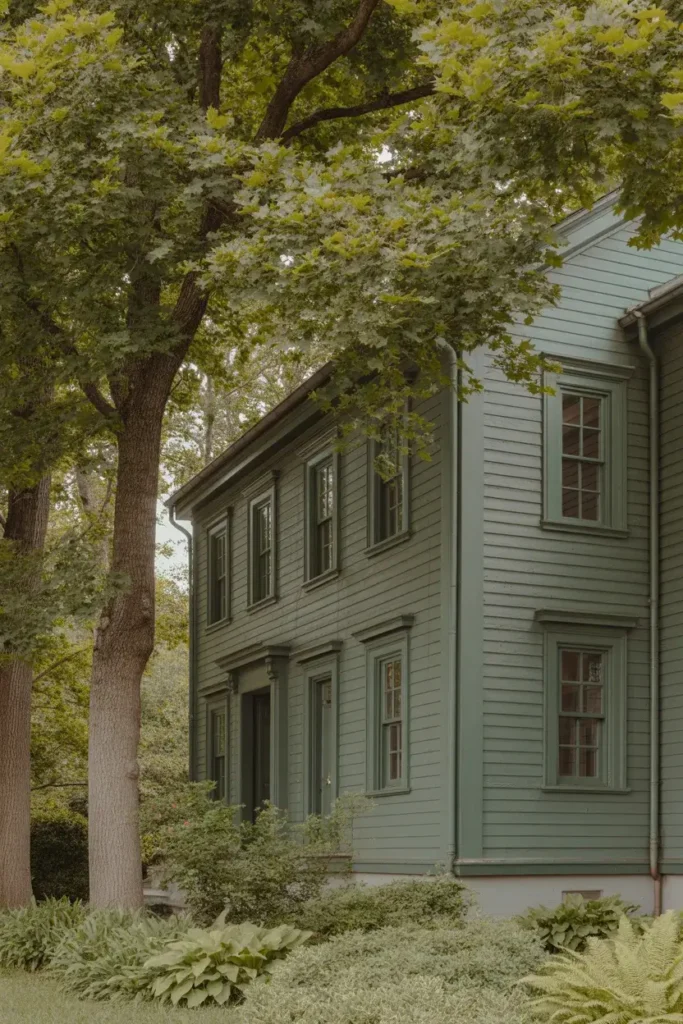
If you want your home to blend into its surroundings, choose a gray with green undertones. I find these “nature grays” look grounded and established.
Copley Gray (HC-104) is a great example. It feels historic and elegant, working particularly well on homes surrounded by large trees or extensive gardens.
Tip: View this color in the early morning and late evening. The green notes will become more prominent when the sun is low.
10. Gray with Manufactured Stone Veneer
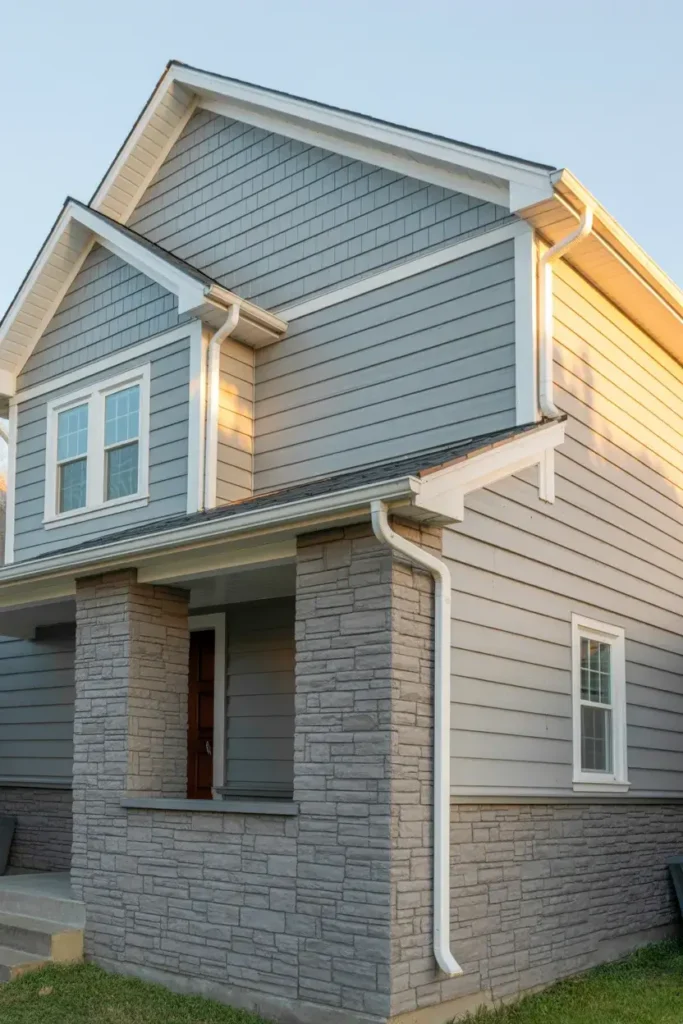
Pairing gray siding with stone accents is a smart financial move. According to the 2024 Cost vs. Value Report, installing manufactured stone veneer recoups about 153% of its cost at resale.
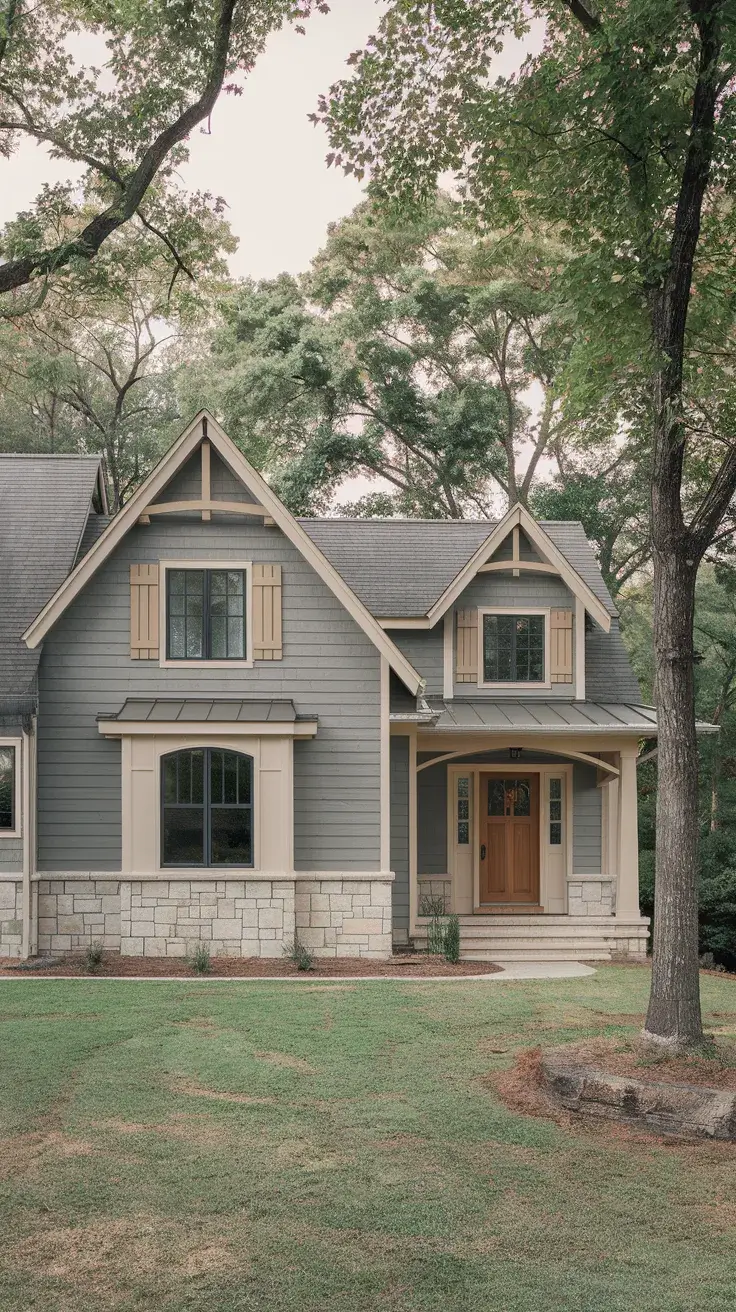
The texture of the stone breaks up the visual weight of the siding. I recommend picking a gray from the stone mix and going two shades lighter for your paint to create harmony.
Tip: Install the stone veneer on the lower third of your facade or around the entryway to create a high-value focal point.
11. Two-Tone Gray Strategy
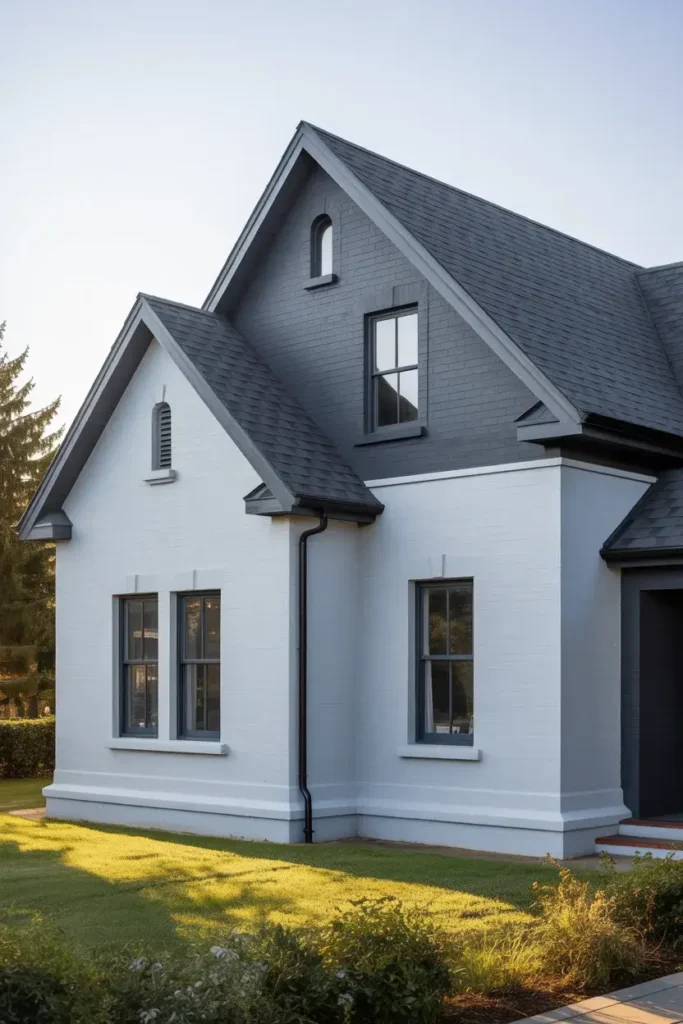
I like using two different shades of gray to highlight architectural features. Use a darker gray on gables or dormers and a lighter gray on the main body of the house.
This draws the eye upward and adds visual interest to large, flat walls. It is a subtle way to add custom character to a standard builder-grade home.
Tip: Stick to the same color strip card. Choose one color for the body and another color two or three steps down on the same card to ensure the undertones match perfectly.
12. Dark Gray with Black Accents
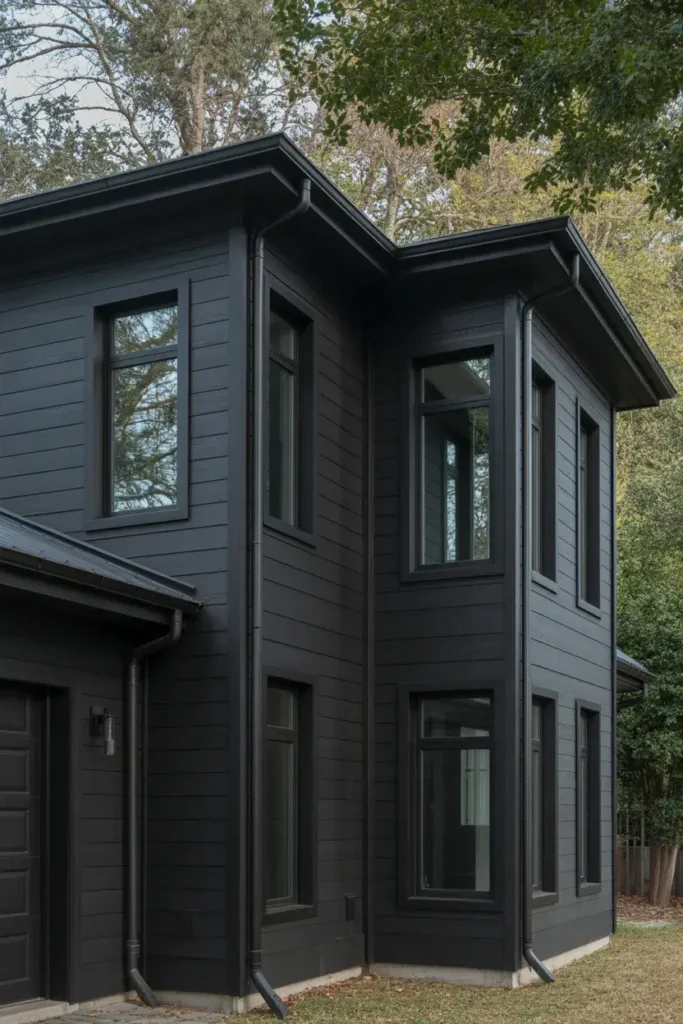
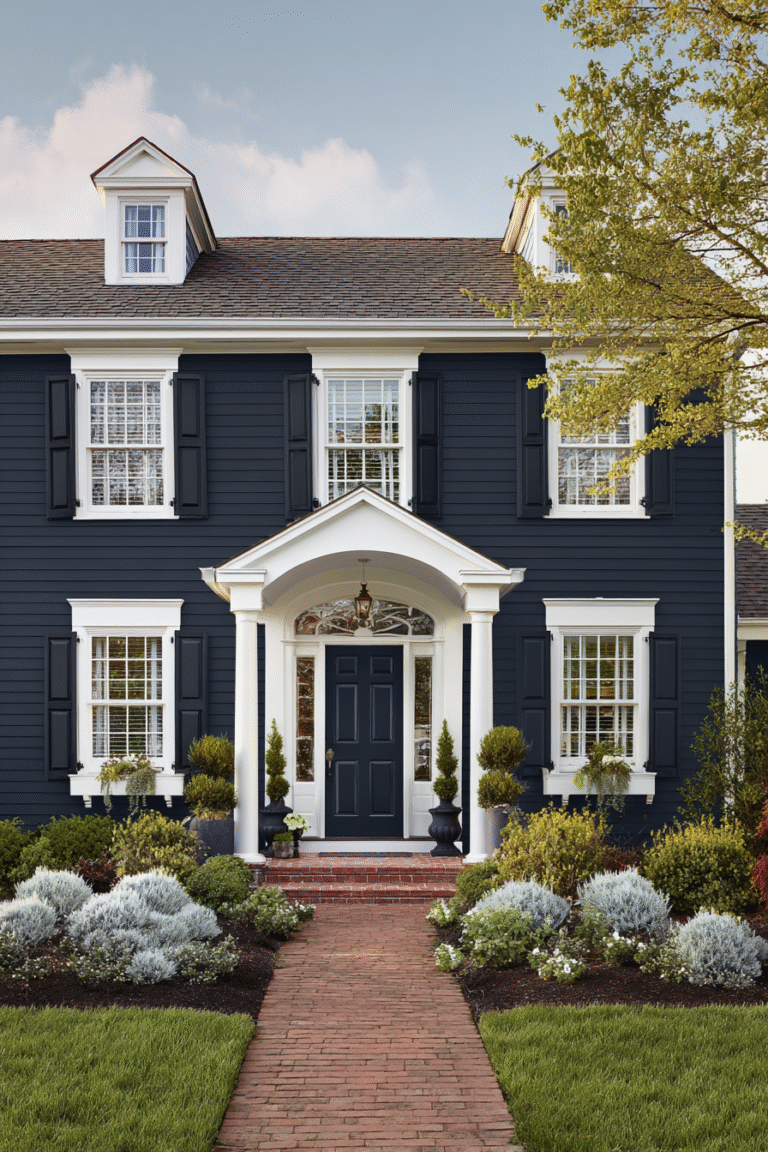
For the ultimate moody modern look, pair dark gray siding with black window frames and trim. This “tone-on-tone” approach is dramatic and incredibly stylish.
I see this often on modern farmhouses or industrial-style renovations. It moves away from the traditional white farmhouse look and offers something edgier.
Tip: Ensure your outdoor lighting is bright and warm. Dark exteriors absorb light, so you need good fixtures to make the home feel welcoming at night.
13. Soft Mist Gray
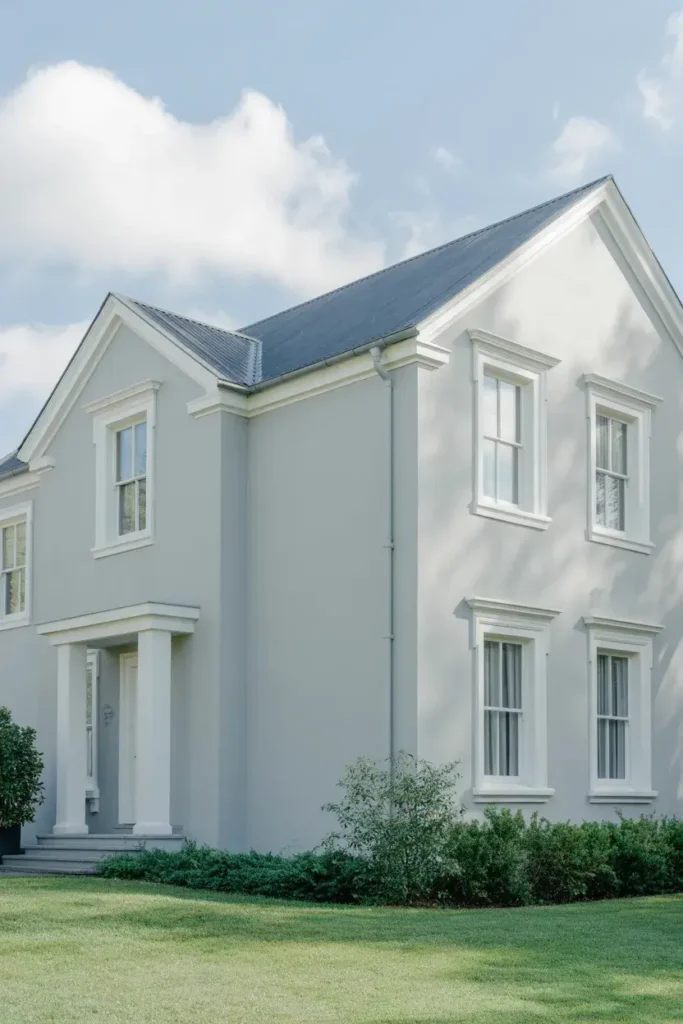
Sometimes you want barely-there color. A misty, pale gray creates an ethereal, elegant look that is softer than stark white but just as bright.
Colors like Horizon (OC-53) are extremely subtle. I recommend this for homeowners who love the all-white trend but worry about their house looking blinded in full sun.
Tip: Use landscaping to add color. Bright flowers and deep green hedges pop beautifully against a misty gray backdrop.
14. Historic Slate Gray
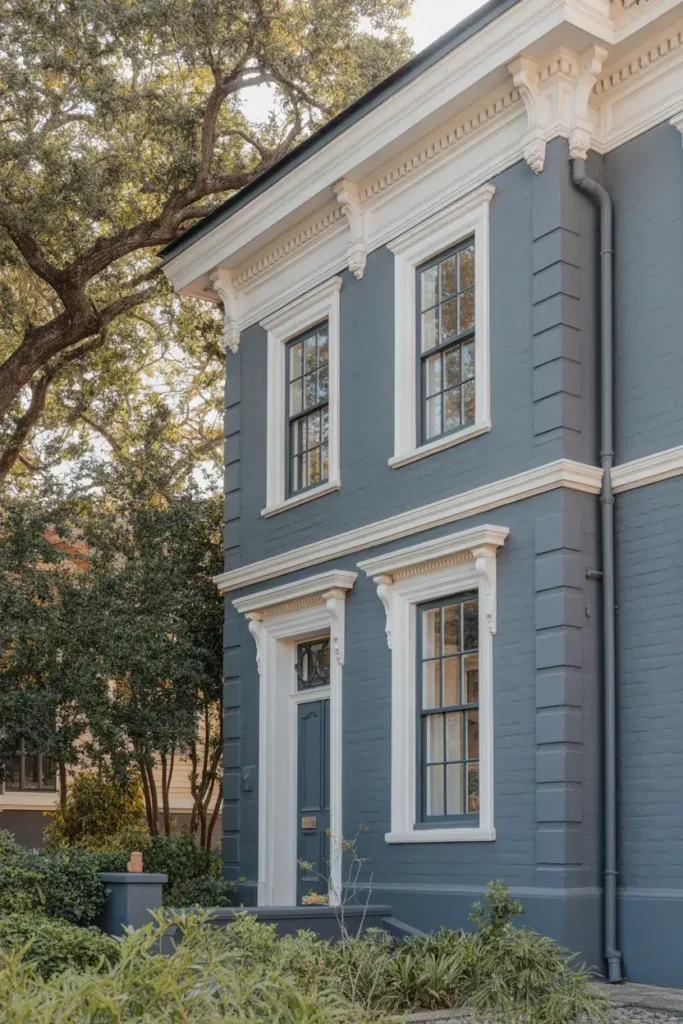
If you own an older home, I suggest looking at historic slate colors. These medium-to-dark grays feel authentic and substantial.
They anchor the home to the property and highlight historic details like cornices and molding. A color like Coventry Gray (HC-169) fits perfectly in historic neighborhoods.
Tip: Check with your local historical society or HOA. They often have pre-approved color palettes that favor these timeless slate shades.
15. The “Sample First” Rule
My final idea isn’t a color, but a method. I cannot stress this enough: you must test your colors on the wall.
Paint looks completely different on a computer screen than it does on your house. Buy sample pots of your top three grays and paint large squares on the north and south sides of your home.
Tip: Watch the samples for 24 hours. You need to see how the morning light, noon sun, and evening shadows change the color before you buy 20 gallons of it.
Conclusion
Choosing the right gray paint can completely transform your home’s exterior. Whether you prefer the drama of charcoal or the breeze of a coastal blue-gray, there is a perfect shade waiting for you.
Start by grabbing a few samples today and seeing how the light hits them. It is the first step toward a home you will love pulling up to every single day.