16 Best Paint Colors to Brighten Your East Facing Room
East-facing rooms are the chameleons of the home. I find them to be the trickiest spaces to paint because the light changes so drastically throughout the day. You get a burst of warm, golden sunshine in the morning, but by the afternoon, the light shifts to a cool, shadowy blue.
Choosing the right paint color means finding a shade that balances these two extremes. You want a color that glows during breakfast but doesn’t look dull or muddy when you sit down for dinner.
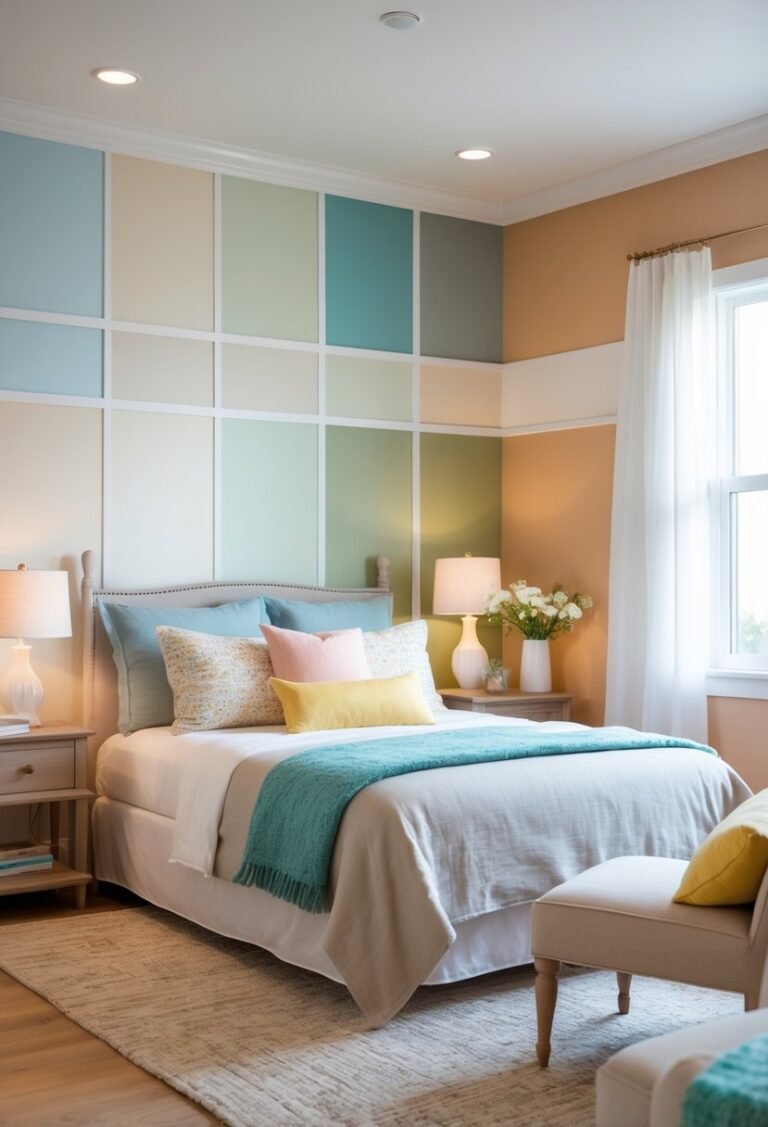
In this guide, I have compiled the best color families and specific shades that work specifically for this unique lighting situation. Whether you want a cozy den or a bright home office, these 16 color styles will ensure your walls look beautiful from sunrise to sunset.
1. Creamy Warm White
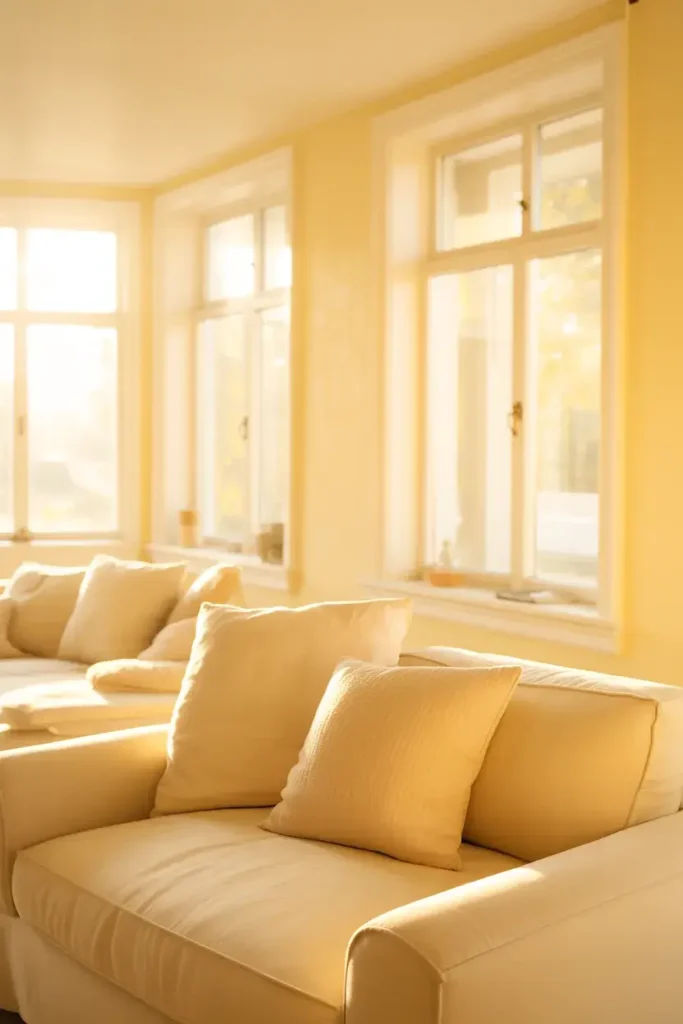
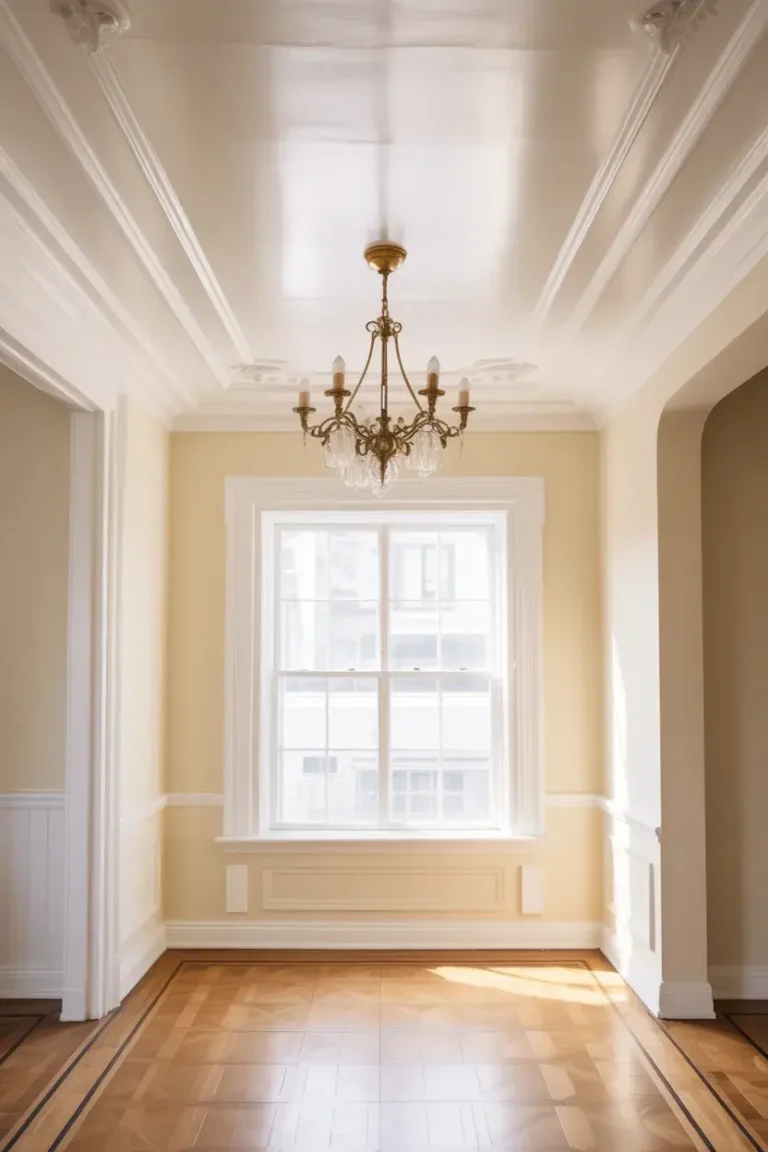
I always suggest starting with a creamy warm white if you want a versatile backdrop. This shade has a subtle yellow undertone that works perfectly with the morning sun. It amplifies that early golden glow without making the room feel blindingly bright.
In the afternoon, when the light turns cool and blue, that yellow undertone fights back. It prevents the walls from looking stark or gray, which often happens with pure white paints. I recommend choosing a white with a Light Reflectance Value (LRV) of around 85 to keep things airy.
2. Clean Bright White
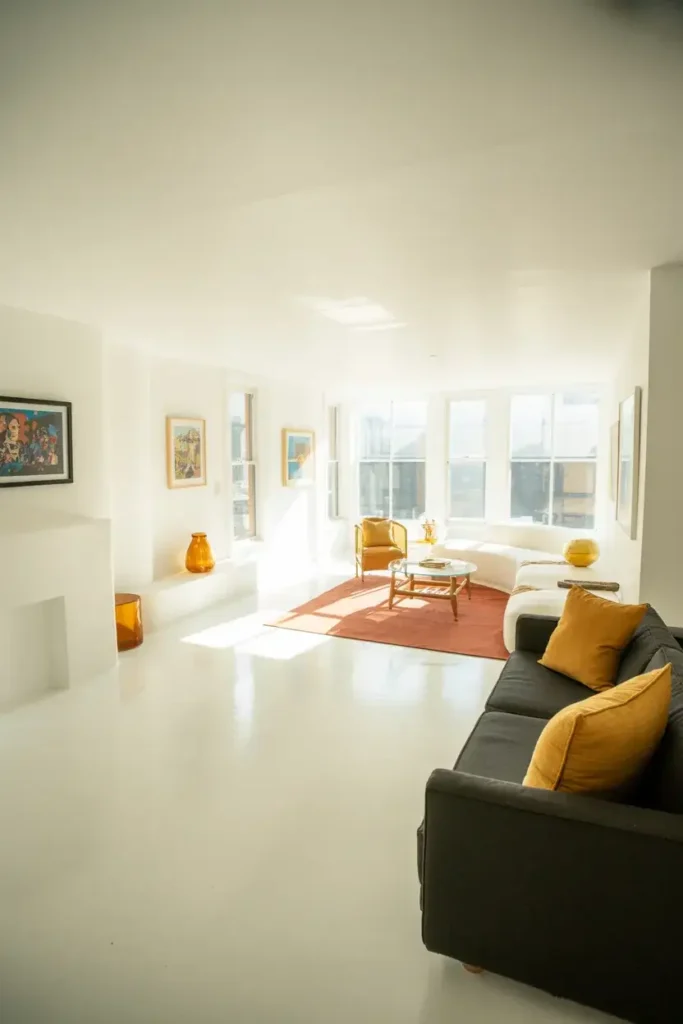
If you prefer a more modern, crisp look, a clean bright white is my go-to choice. This color works best if you have a lot of furniture or art that you want to highlight. It reflects the morning light beautifully, making small spaces feel significantly larger and more open.
However, I advise you to test this carefully. In the afternoon shadows, a stark white can sometimes feel chilly. To counter this, I use warm accent colors in the decor, like rugs or throw pillows, to maintain a cozy atmosphere all day long.
3. Soft Ivory
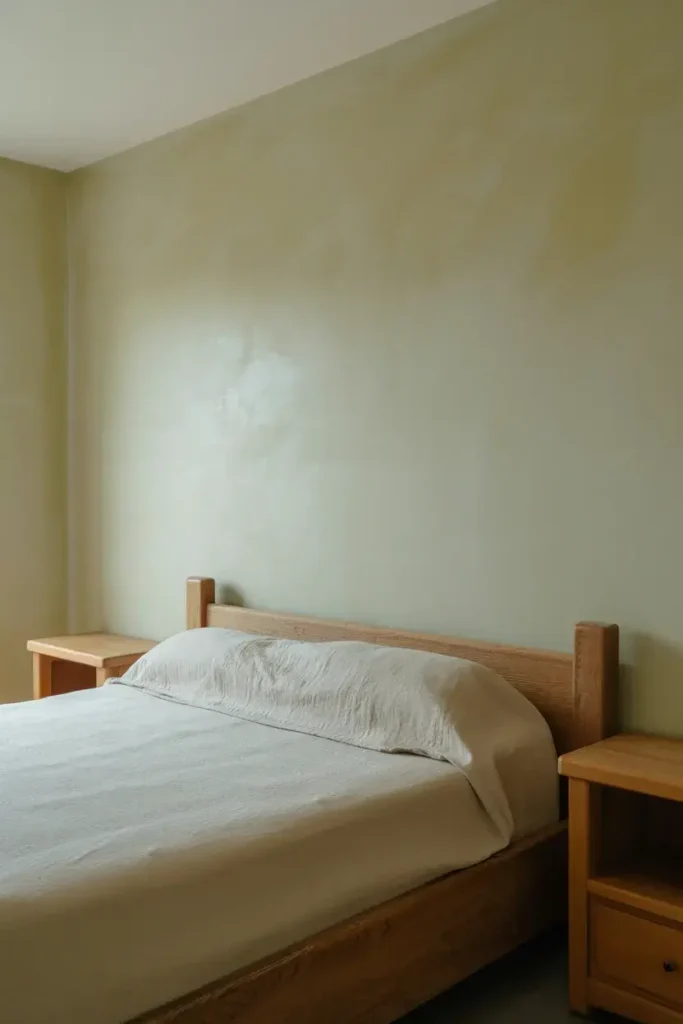
Soft ivory offers a bit more depth than standard white. I love this color for bedrooms because it feels incredibly soothing. The touch of beige in the ivory adds a layer of warmth that holds up well against the dim, gray light of the late afternoon.
Unlike cooler whites that can turn dingy in low light, soft ivory maintains its richness. It pairs beautifully with wood furniture, creating a natural, organic feel that grounds the space even when the sun has moved to the west.
4. Pale Greige
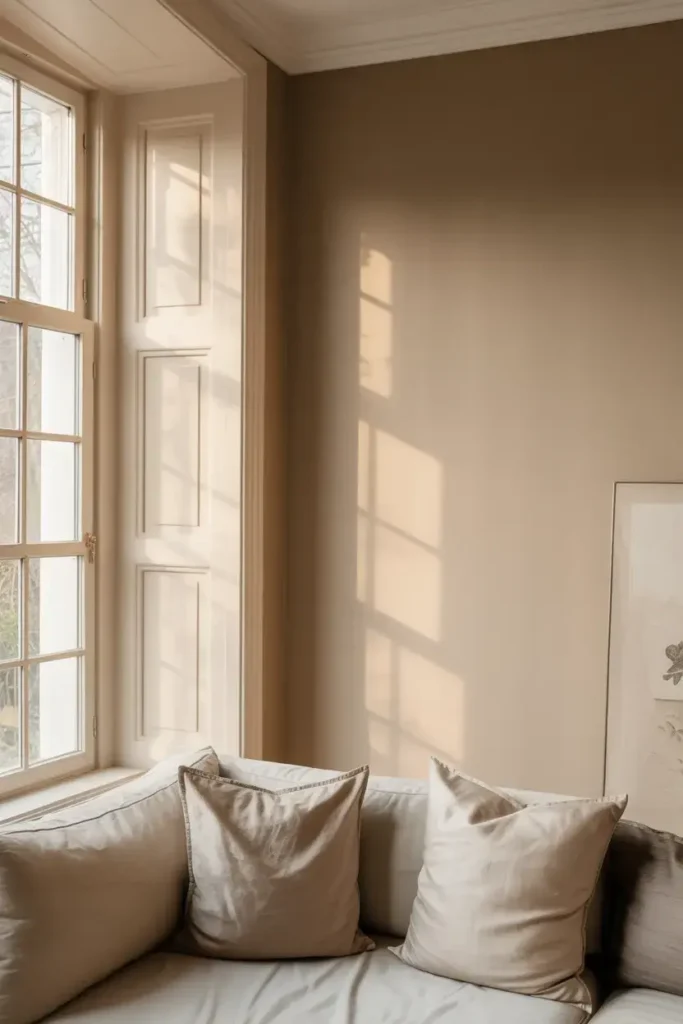
Greige—a mix of gray and beige—is a fantastic neutral for east-facing rooms. I specifically look for a greige that leans warmer (more beige than gray). This warmth is crucial because the cool afternoon light in an east-facing room brings out the blue tones in gray paint.
If you pick a cool gray, your walls might look icy by 4 PM. A warm greige stays neutral and sophisticated all day. It serves as a perfect bridge between the warm morning light and the cool evening shadows.
5. Warm Stone Gray
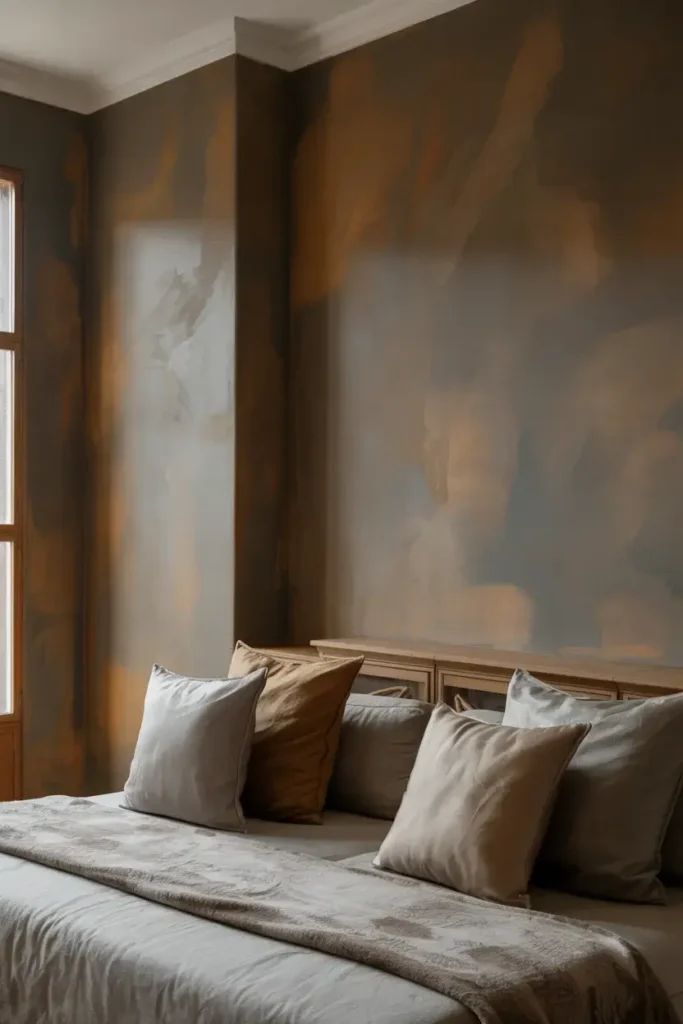
For those who love gray but want something with more character, a warm stone gray is an excellent option. I find that stone shades often have hidden brown or taupe undertones. These undertones are your secret weapon against the “flat” look that happens in east-facing rooms later in the day.
I suggest testing samples that have an LRV above 60. Darker grays can look muddy in the shadows, but a mid-tone stone gray reflects enough light to keep the room feeling welcoming while adding a touch of drama.
6. Light Taupe
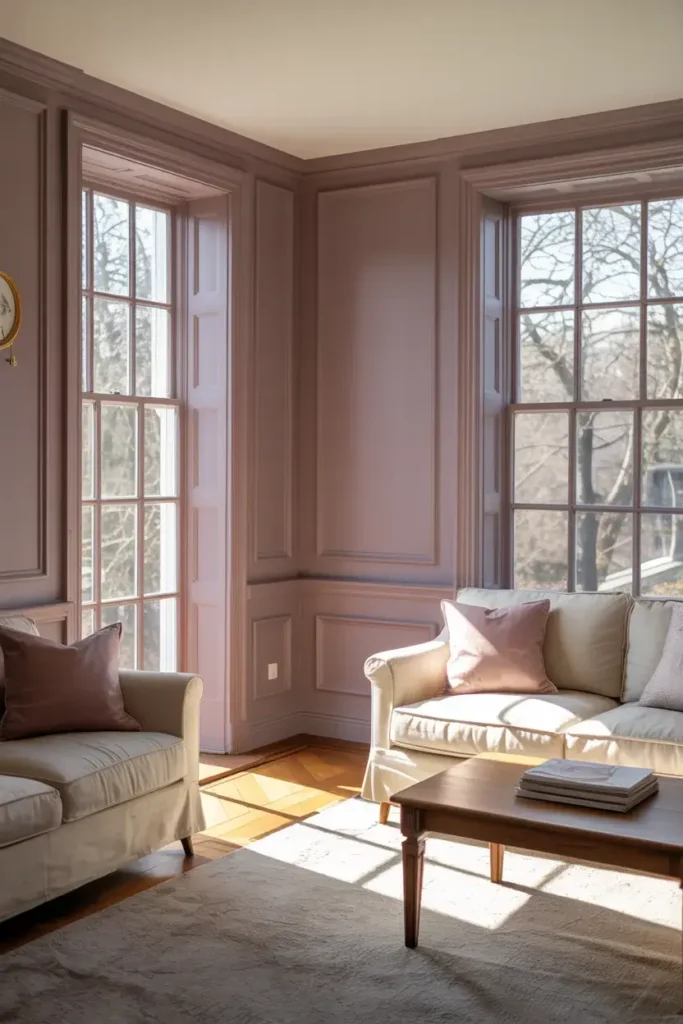
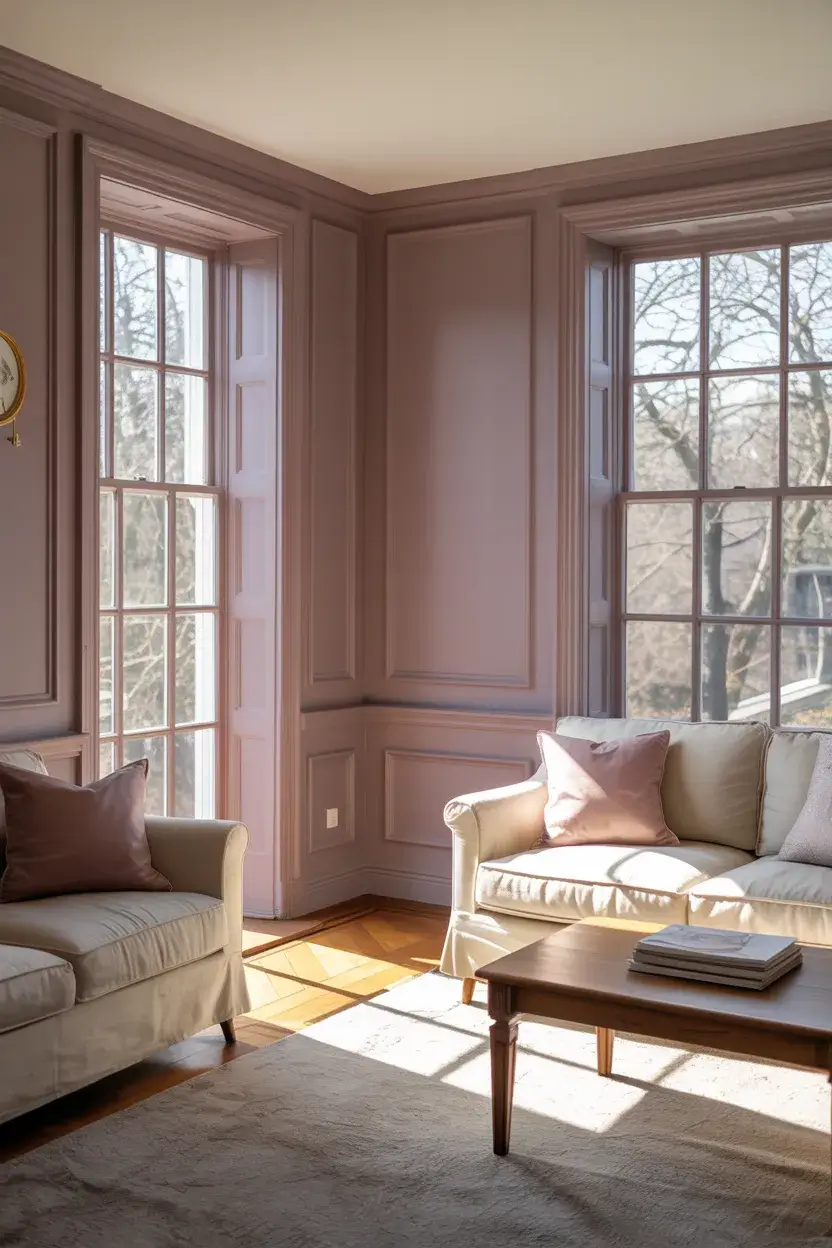
Light taupe is one of my favorite colors for creating an elegant, timeless look. It sits right between gray and brown, offering a complexity that simple beige lacks. In the morning, the sunlight pulls out the pink or purple undertones often found in taupe, creating a warm, inviting glow.
During the cooler afternoon hours, the gray base of the taupe takes over, making the room feel calm and serene. It is a true shape-shifter that adapts to the light rather than fighting against it.
7. Muted Beige
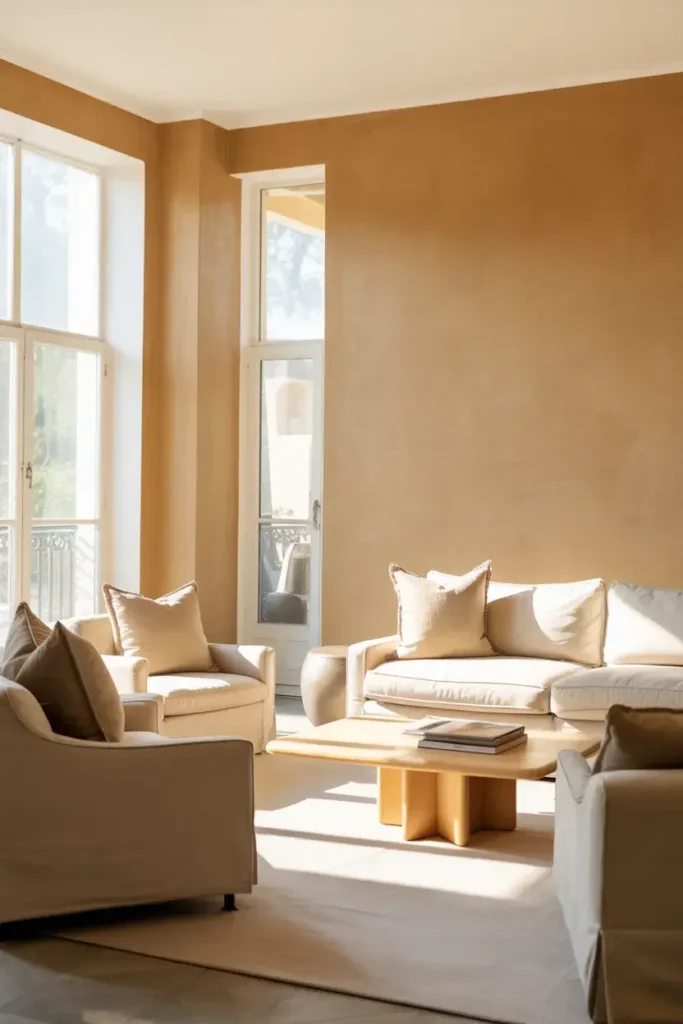
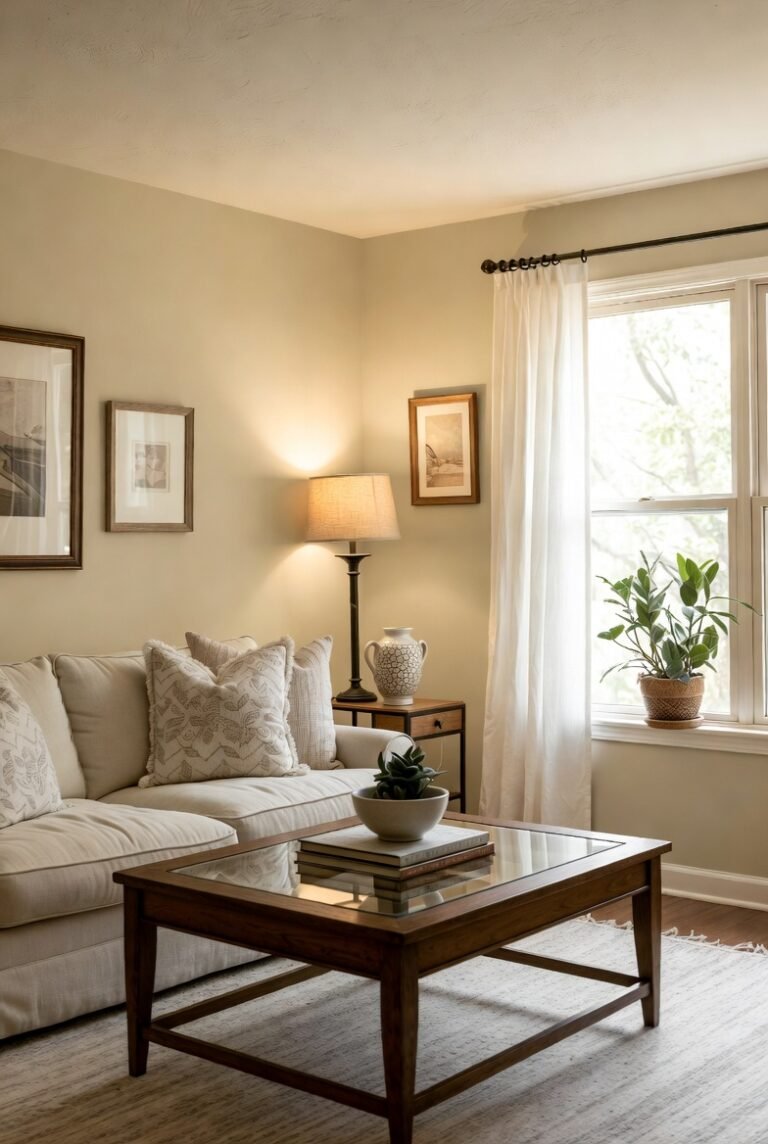
Beige is making a comeback, and for good reason. A muted beige brings an earthy, grounded quality to east-facing rooms. I avoid beiges with heavy yellow bases, as they can look neon in the intense morning sun.
Instead, I opt for a muted, sandy beige. It looks sophisticated and clean in the bright morning light. Later in the day, when the natural light fades, the beige retains its warmth, ensuring the room never feels cold or uninviting.
8. Sandy Tan
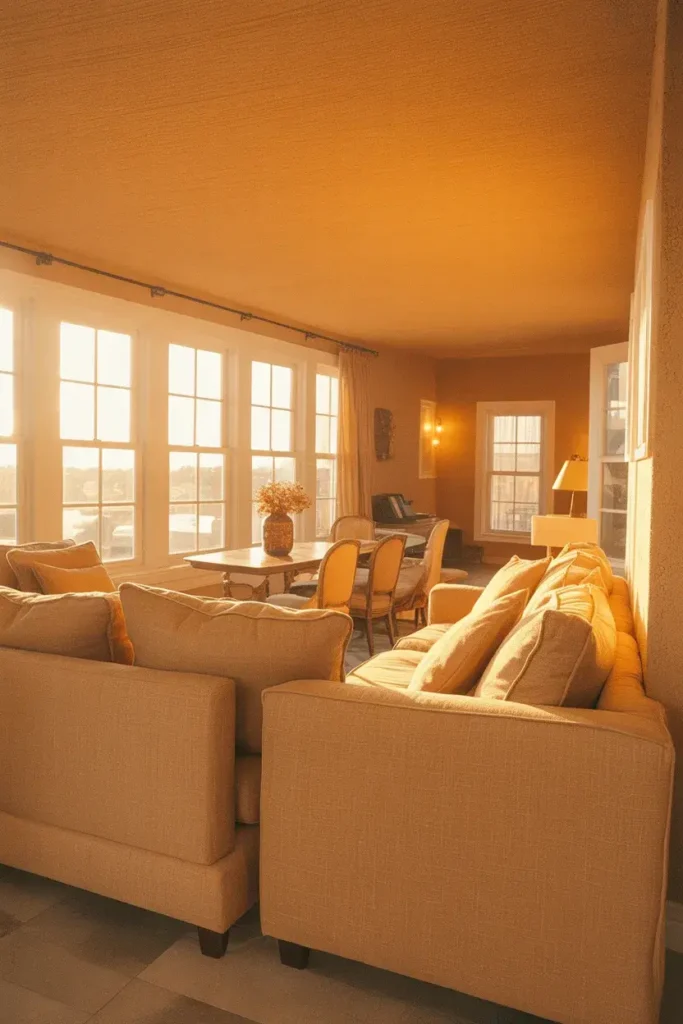
If you want a bit more color than beige, a sandy tan is a wonderful choice. It reminds me of natural linen or canvas. This color has enough saturation to stand up to the strong contrast of morning light without washing out.
I find that sandy tan works particularly well in living rooms or dining areas. It creates a cozy, enveloping atmosphere that feels comfortable under artificial lighting, especially if you use warm bulbs (2700K–3000K) in the evening.
9. Soft Blush Pink
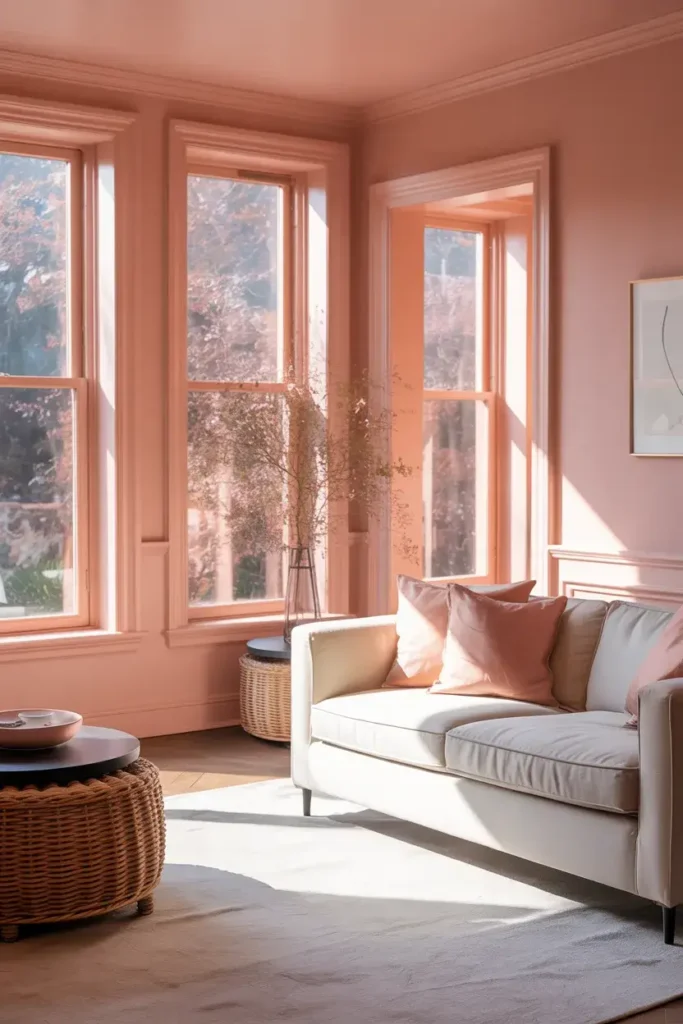
Pink might sound bold, but a soft blush acts like a neutral in an east-facing room. I love how the morning sun enhances the rosy tones, making the space feel cheerful and energetic. It’s a great way to start the day.
In the afternoon, the blue tint of the natural light neutralizes the pink, turning it into a sophisticated, dusty rose or even a warm gray. It’s a surprising choice that adds personality without overwhelming the senses.
10. Rusty Terracotta
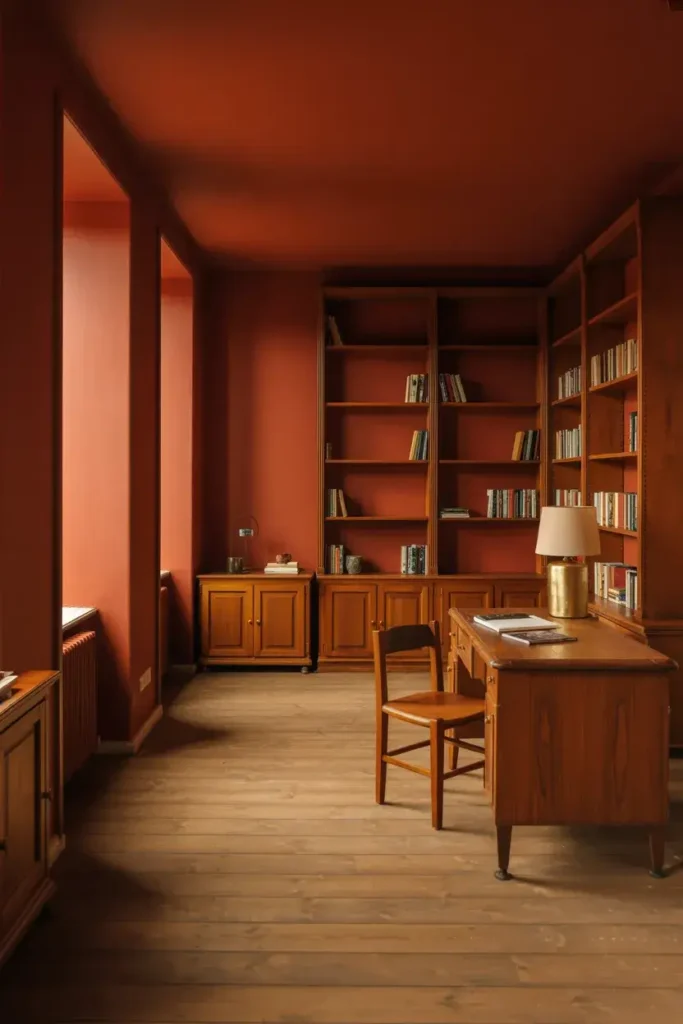
For a cozy, library-like feel, I recommend a muted terracotta or rust color. This is a bold choice, but it works wonders in east-facing rooms that are used mostly in the evenings. The rich, warm pigments counteract the cool shadows perfectly.
While it might look intense in the direct morning sun, the depth of the color makes the room feel incredibly intimate and warm once the sun passes overhead. I pair this with warm wood tones to enhance the earthy vibe.
11. Pale Blue-Green
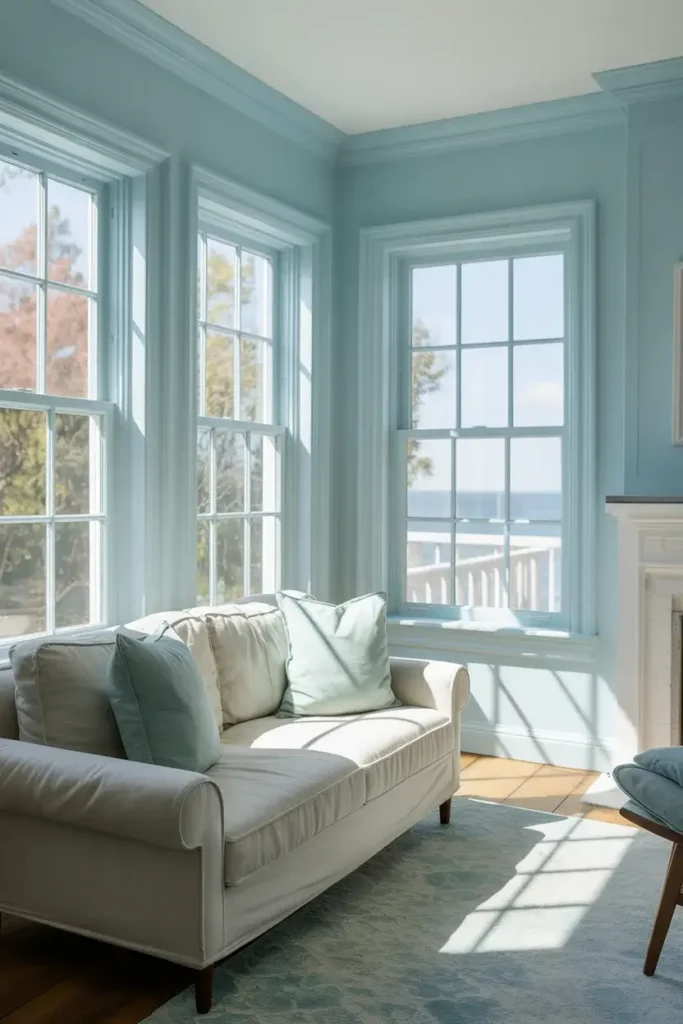
You might think cool colors are a no-go, but a pale blue-green can actually look stunning. I choose shades that have a good dose of green in them. The green adds warmth that a pure blue lacks, preventing the room from feeling like an icebox in the afternoon.
In the morning, this color feels fresh and airy, like a coastal breeze. As the light cools down, the green undertones help the wall color retain some life, rather than turning flat gray.
12. Soft Sage Green
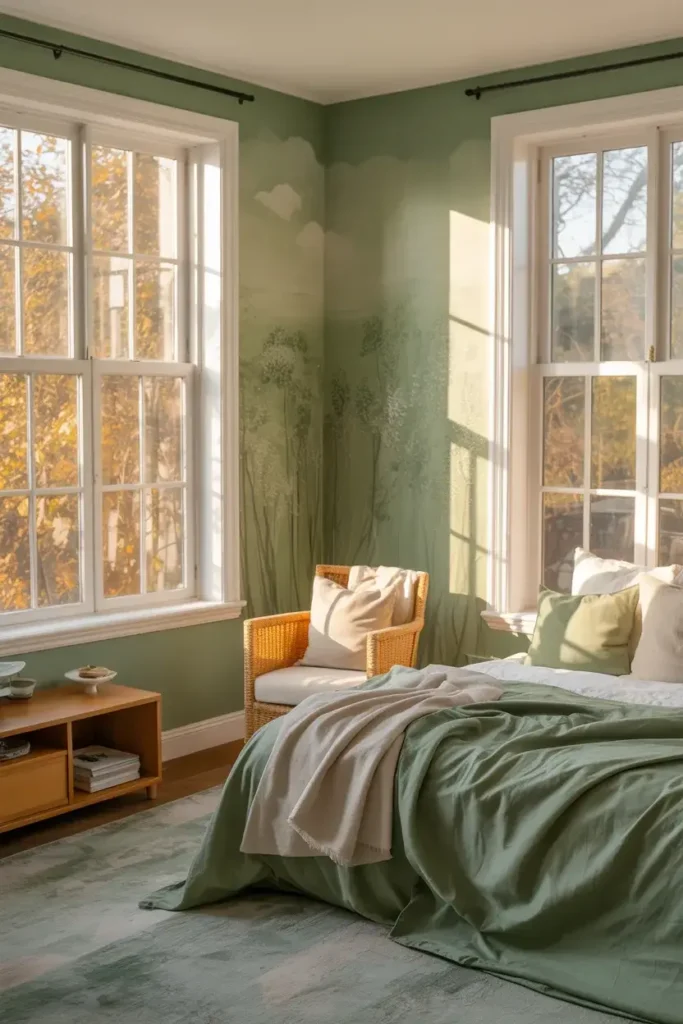
Sage green is nature’s neutral. I find it to be incredibly calming, making it perfect for home offices or bedrooms. In the bright morning light, the yellow warmth of the sun highlights the green, bringing the outdoors in.
Because sage has gray undertones, it harmonizes well with the cooler afternoon light. It doesn’t fight the shadows; it blends with them to create a restful, muted atmosphere that is easy on the eyes.
13. Leafy Yellow-Green
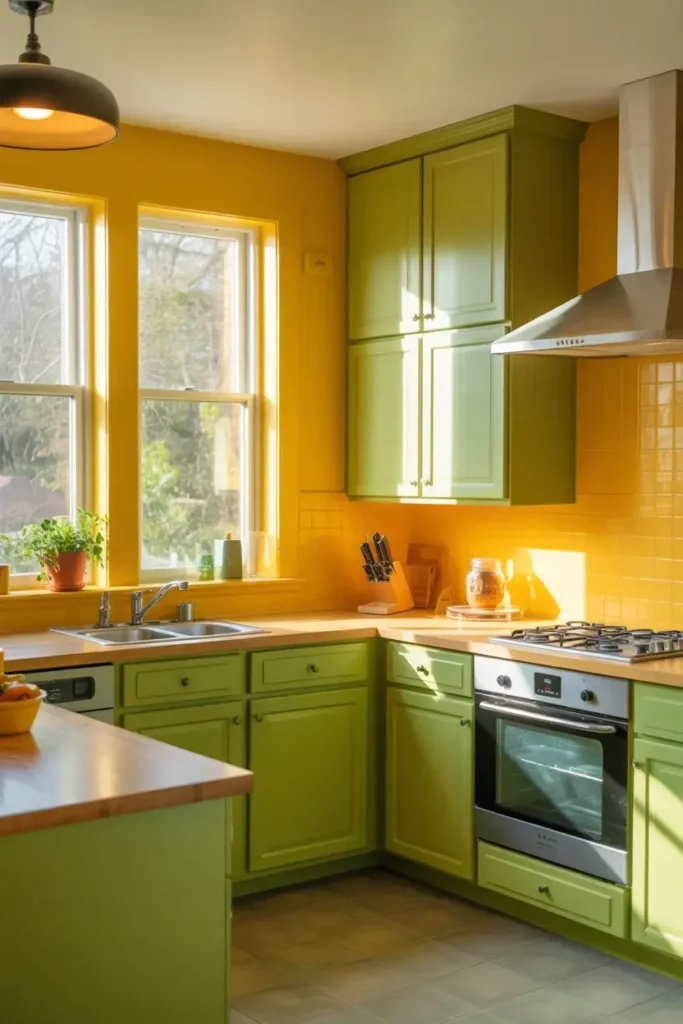
If you want to energize a space, a leafy green with strong yellow undertones is my top pick. This color sings in the morning sunlight, creating a vibrant and happy space. It is much livelier than sage and works well in kitchens or breakfast nooks.
The yellow component is key here. It acts as an internal light source for the paint. When the afternoon shadows creep in, that yellow base pushes through, keeping the walls looking warm and fresh rather than drab.
14. Muted Blue-Gray
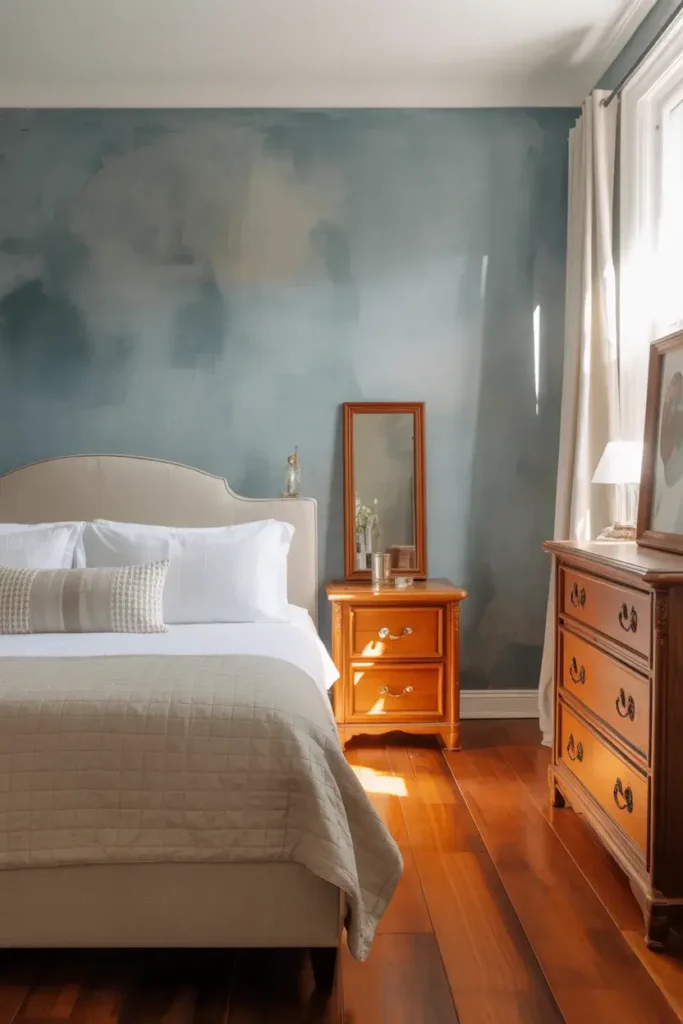
A muted blue-gray can work if you are careful with the undertones. I look for blues that are “muddy” or have a touch of gray smoke to them. A bright, clear blue will clash with the morning sun and look too cold in the afternoon.
However, a muted blue-gray looks sophisticated and crisp. I always advise balancing this wall color with warm accents—think brass hardware, wood floors, or beige furniture—to ensure the room doesn’t feel too chilly later in the day.
15. Deep Rosemary Green
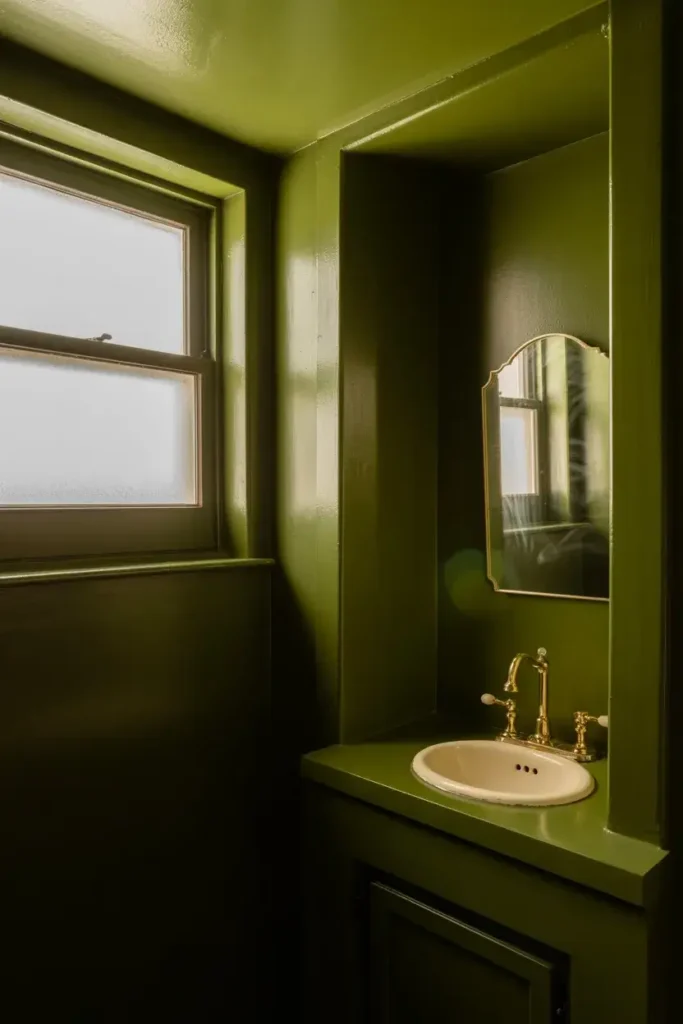
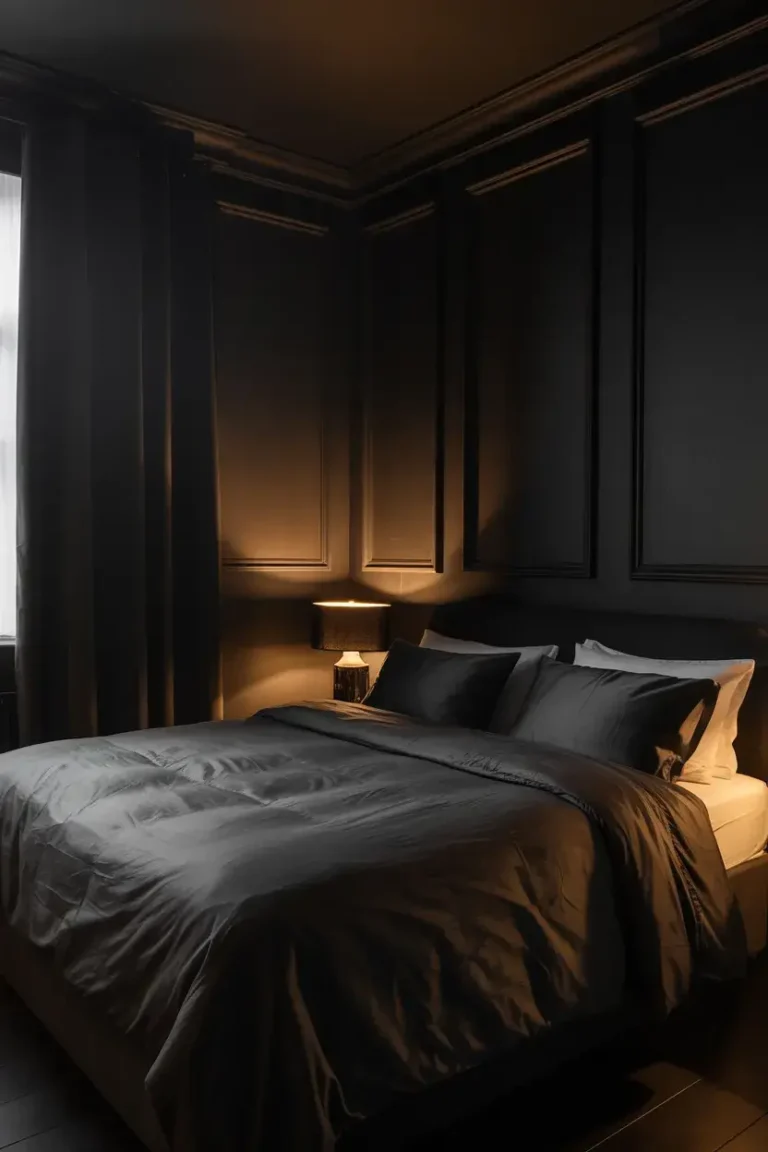
For a dramatic look, deep rosemary green is a showstopper. I love using this in smaller rooms or powder rooms with east-facing windows. The dark value of the paint absorbs the bright morning glare, reducing eye strain.
In the afternoon, the rich green holds its own against the shadows. It creates a moody, enveloping space that feels intentional and cozy. I suggest using a satin or semi-gloss finish to help bounce a little bit of light around the room.
16. Violet-Gray
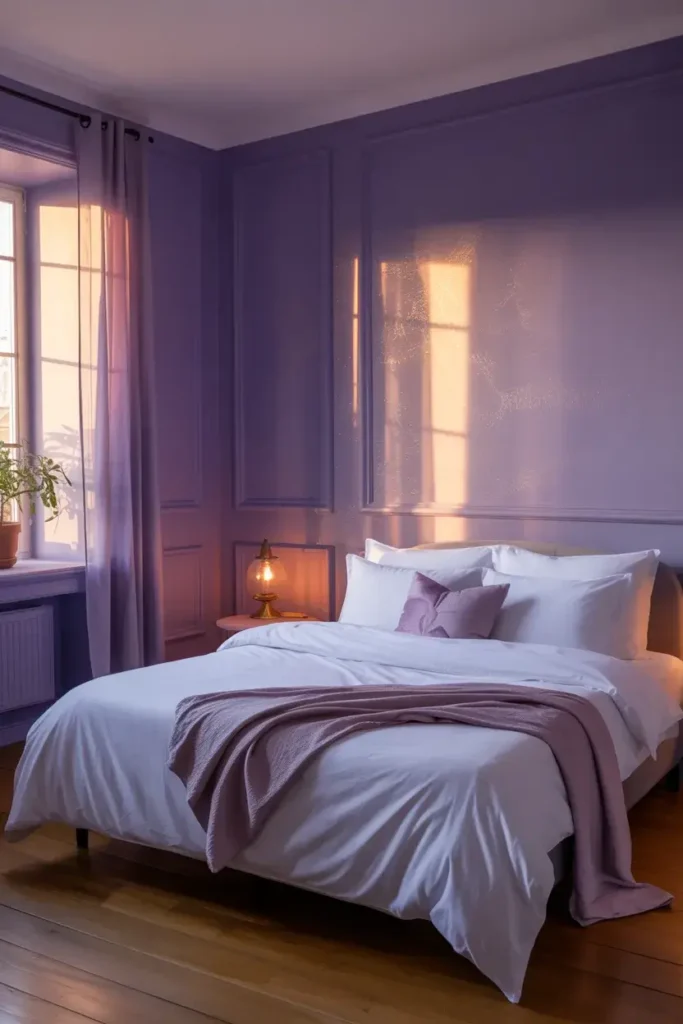
My final recommendation is a unique violet-gray. This is often a light gray paint with subtle purple undertones. I find this color magical in east-facing light because the purple naturally complements the yellow morning sun.
It balances the light spectrum beautifully. In the afternoon, the violet adds a hint of warmth that a standard gray lacks. It is a subtle, elegant choice that adds depth and interest to your walls without being too loud.
Conclusion
Choosing the perfect paint color for an east-facing room involves a bit of trial and error. The only way to know for sure is to see the paint in your specific lighting conditions.
I strongly recommend you buy a few sample pots or peel-and-stick samples of your favorite shades from this list. Observe them in the morning, at noon, and in the evening to see how they transform before you commit to painting the whole room.