16 Cape Cod Landscaping Ideas | Garden & Outdoor Design
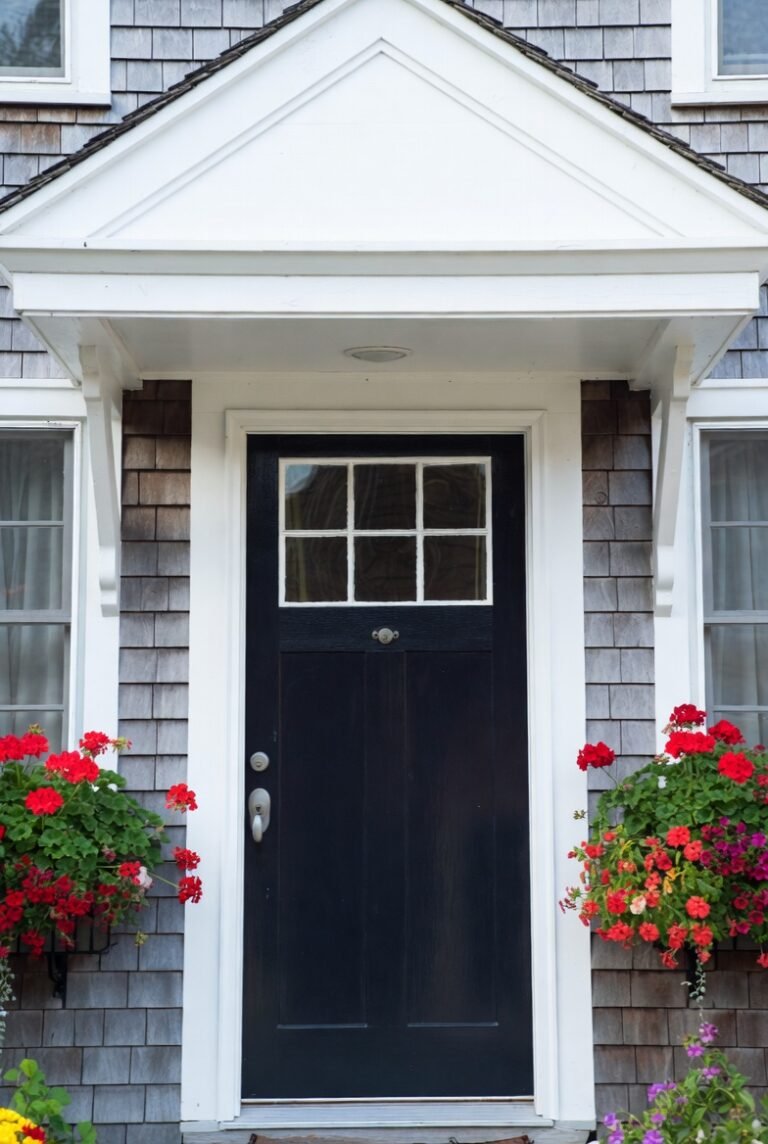
I have always admired the timeless beauty of Cape Cod landscapes. The weathered gray shingles, vibrant blue hydrangeas, and windswept dunes create a look that feels both elegant and rugged.
But achieving this style isn’t just about aesthetics; it is about working with the coastal environment. In this list, I will share 16 practical ideas to help you design a stunning, eco-friendly Cape Cod landscape that thrives in salty air and sandy soil.
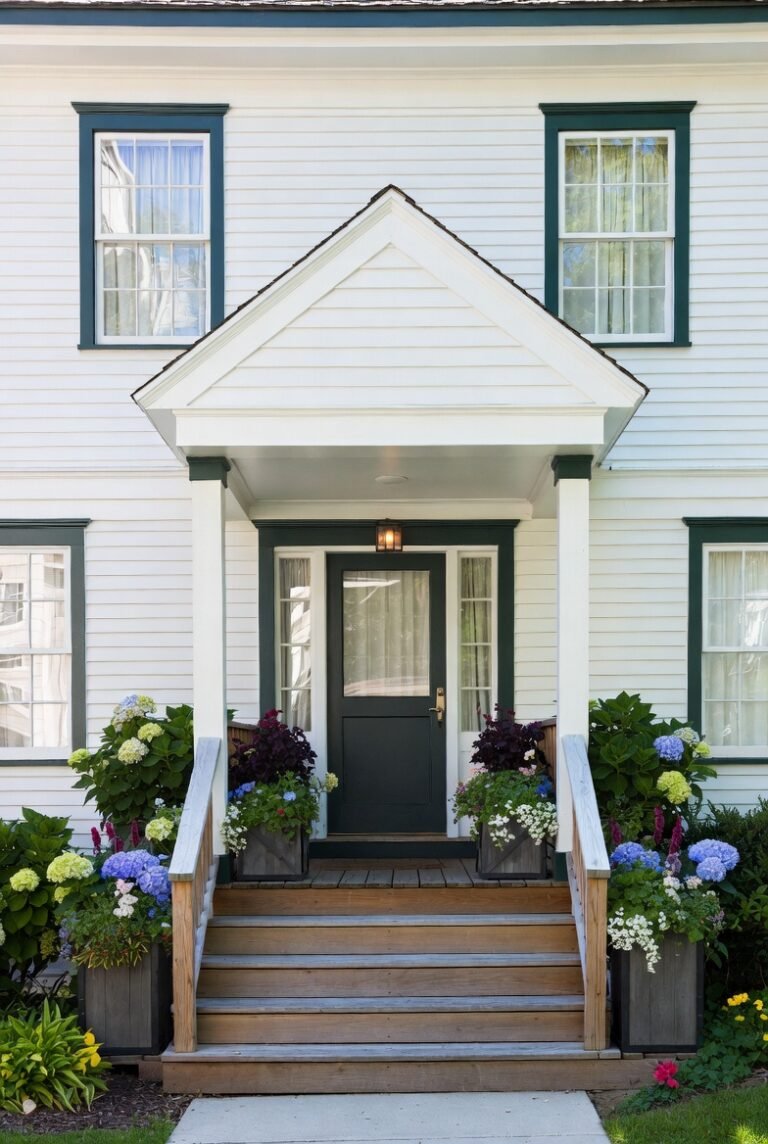
1. Embrace the Classic Hydrangea
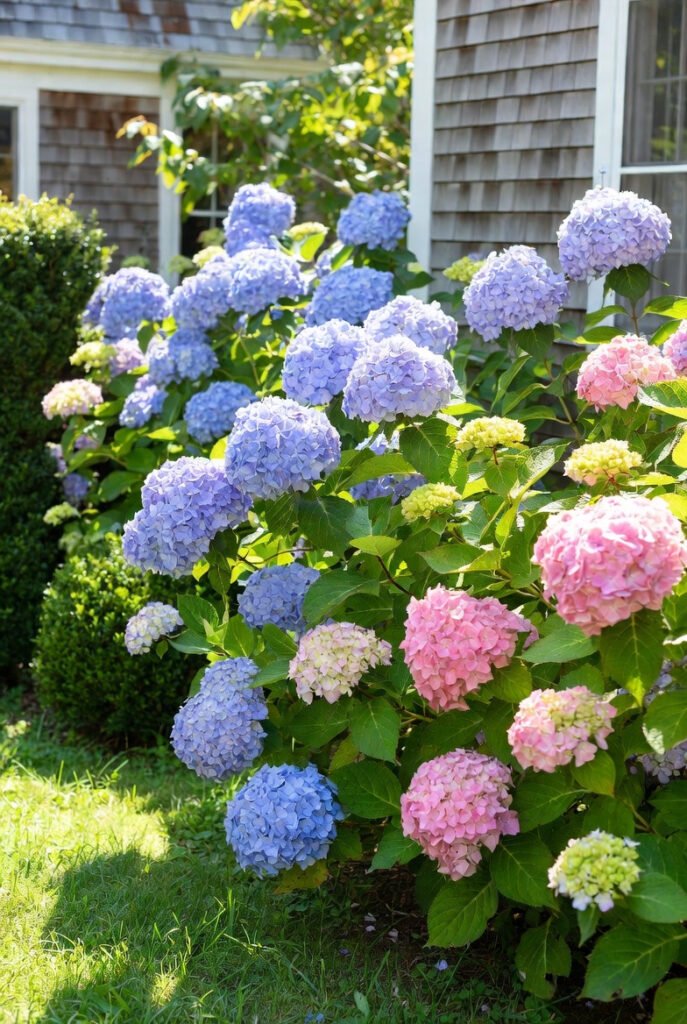
You simply cannot have a Cape Cod garden without hydrangeas. I love the Bigleaf Hydrangea (Hydrangea macrophylla) because it tolerates salt well, making it perfect for coastal properties.
These shrubs burst with blue or pink blooms in the summer. I suggest planting them as specimen plants or in groupings near your home’s foundation to create that quintessential cottage look.
2. Plant Native “Keystone” Species
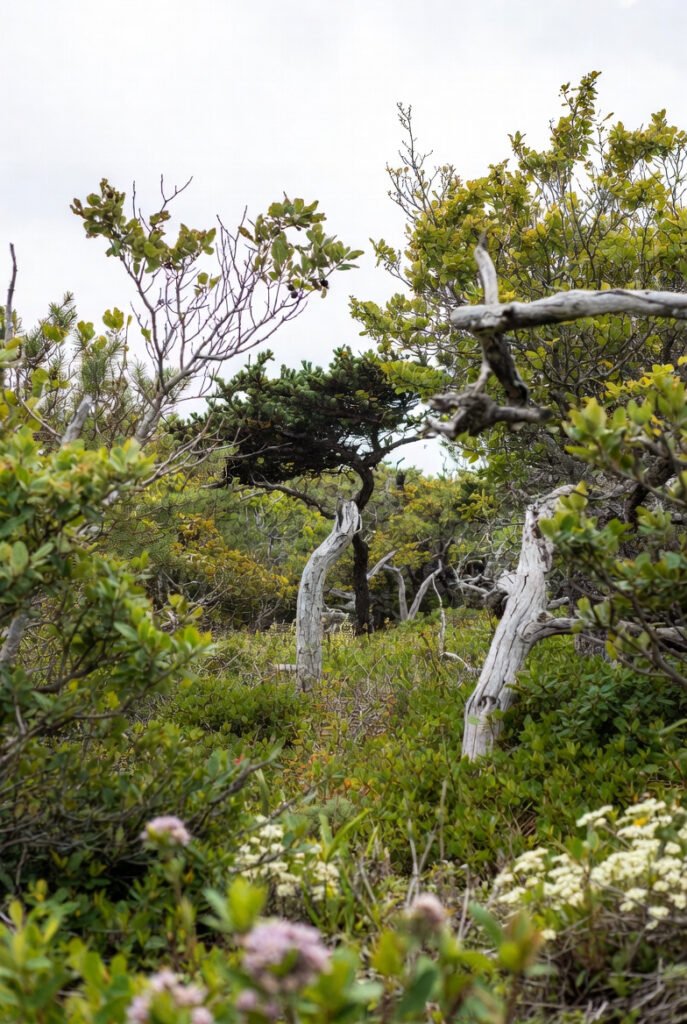
I strongly recommend focusing on native plants that support local wildlife. According to the Association to Preserve Cape Cod (APCC), just 14% of native plant species support 90% of butterfly and moth species.
These “keystone plants” include oaks, black cherries, and willows. By planting them, you feed the caterpillars that local birds need to raise their young, making your garden a hub for biodiversity.
3. Install Permeable Pavers
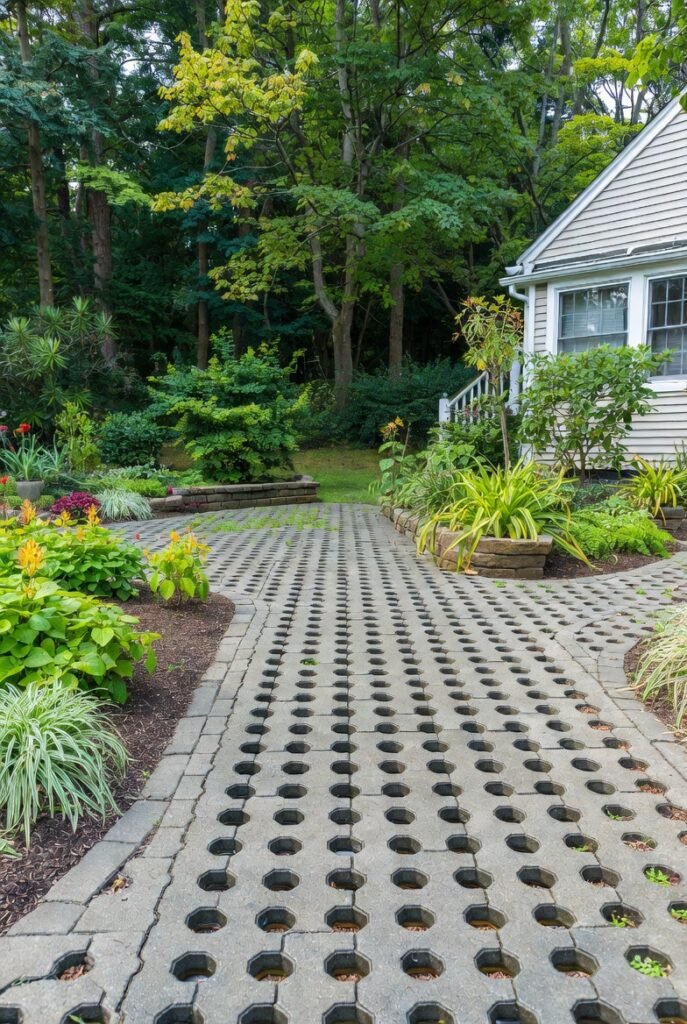
I always advise against solid concrete driveways in coastal areas. Instead, choose permeable pavers. The EPA notes that these systems can reduce stormwater runoff by 25% to 100%.
Permeable pavement allows rain to soak into the ground rather than running off into the ocean. It also requires less deicing in winter because it drains melting snow faster, preventing black ice.
4. Create a “Cape Cod Lawn”
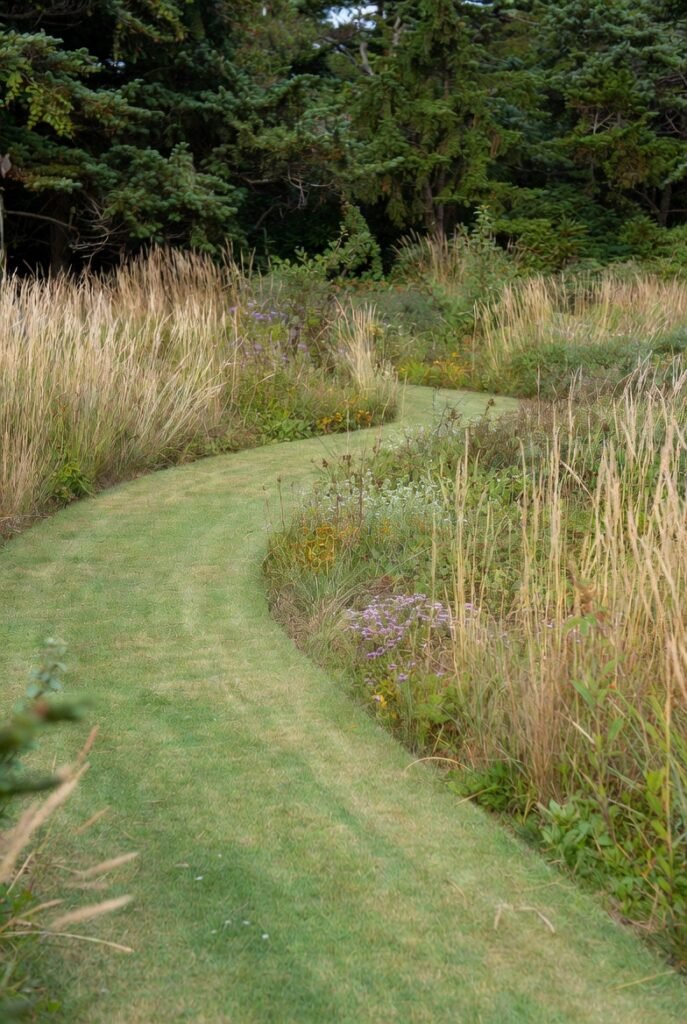
Forget the perfectly manicured, chemical-heavy green carpet. I prefer the “Cape Cod lawn,” which the APCC describes as a diverse, unfertilized open area.
This type of lawn mixes native grasses with wildflowers and requires no irrigation. You only need to mow it occasionally to keep walkways clear, saving you time and protecting the local water table.
5. Use Salt-Tolerant Shrubs
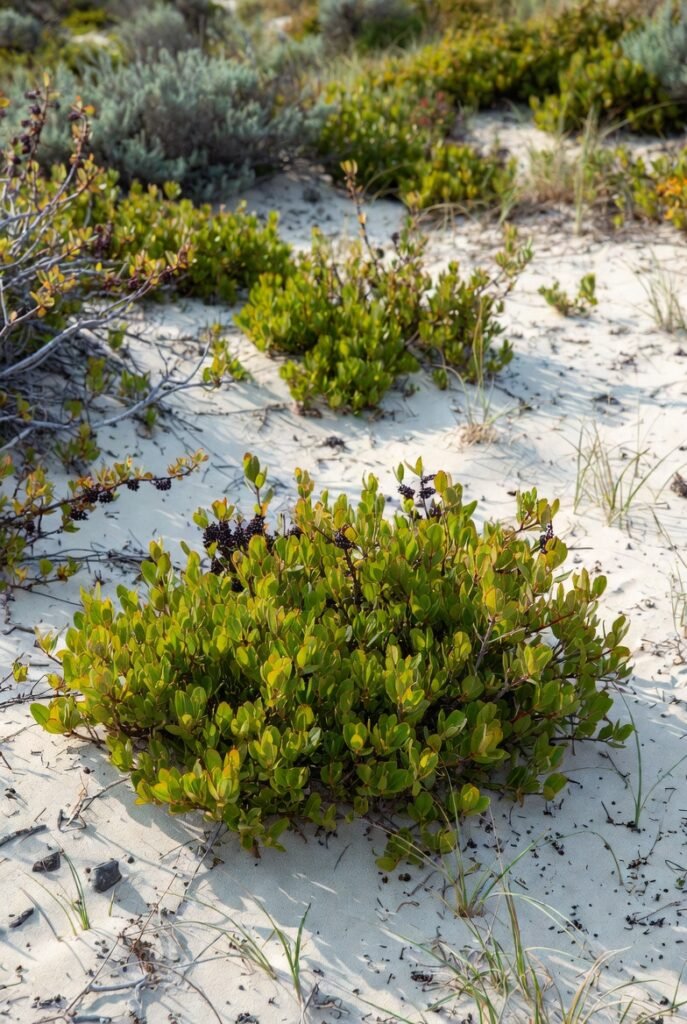
If you live near the ocean, salt spray can kill delicate plants. I rely on tough native shrubs like Northern Bayberry (Morella pensylvanica) and Beach Plum (Prunus maritima).
These species naturally thrive on dunes and sandy banks. They provide excellent erosion control and offer berries that birds love during the colder months.
6. Stabilize Slopes with Bearberry
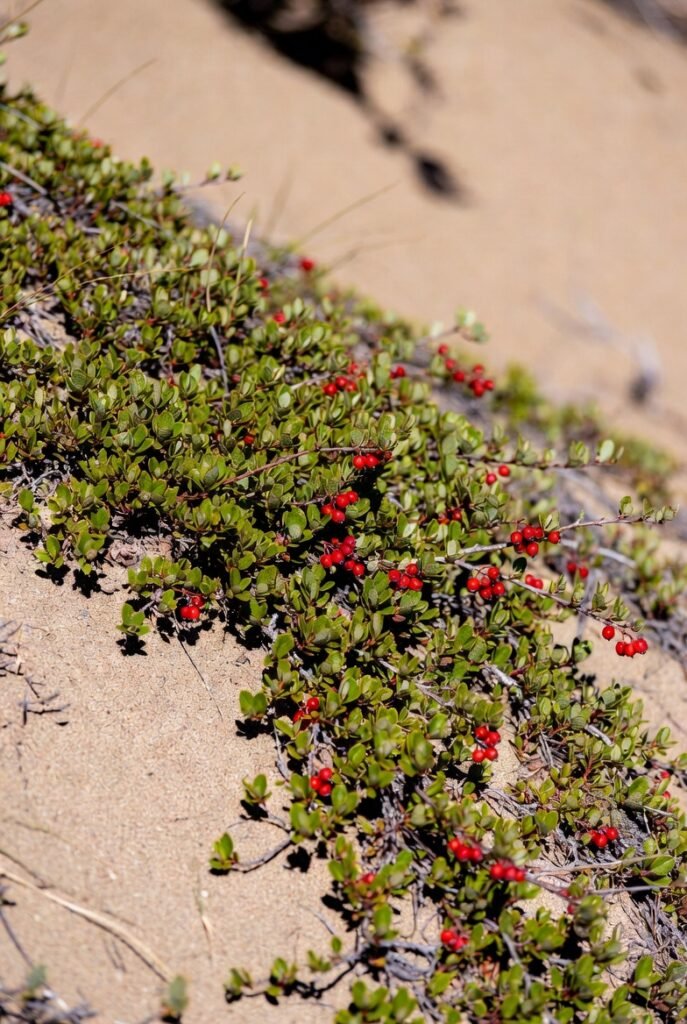
Steep, sandy slopes are hard to maintain, but I have found a solution. Bearberry (Arctostaphylos uva-ursi) is a low-growing native groundcover that loves poor soil and full sun.
It forms a thick mat that holds the soil in place, preventing erosion. Plus, it stays green year-round and produces bright red berries that look festive in winter.
7. Leave the Leaves
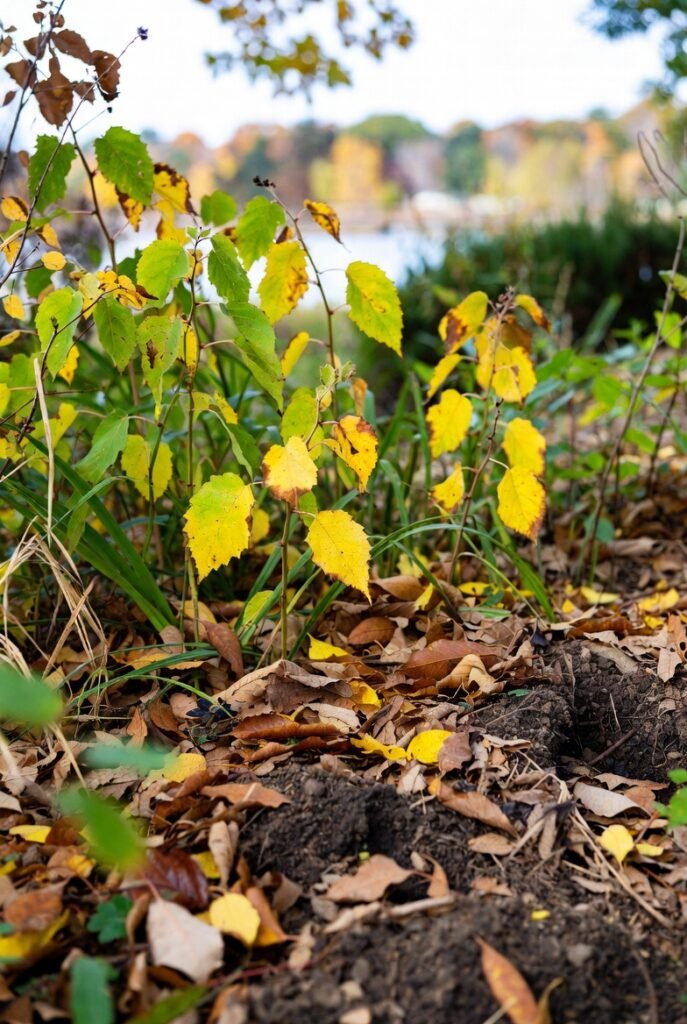
I know it is tempting to rake every leaf in the fall, but I encourage you to stop. Leaving leaves in your garden beds feeds the soil organisms and creates natural mulch.
The APCC advises that fallen leaves also provide winter shelter for butterflies and other beneficial insects. It is a free, easy way to improve your soil health naturally.
8. Plant in Layers
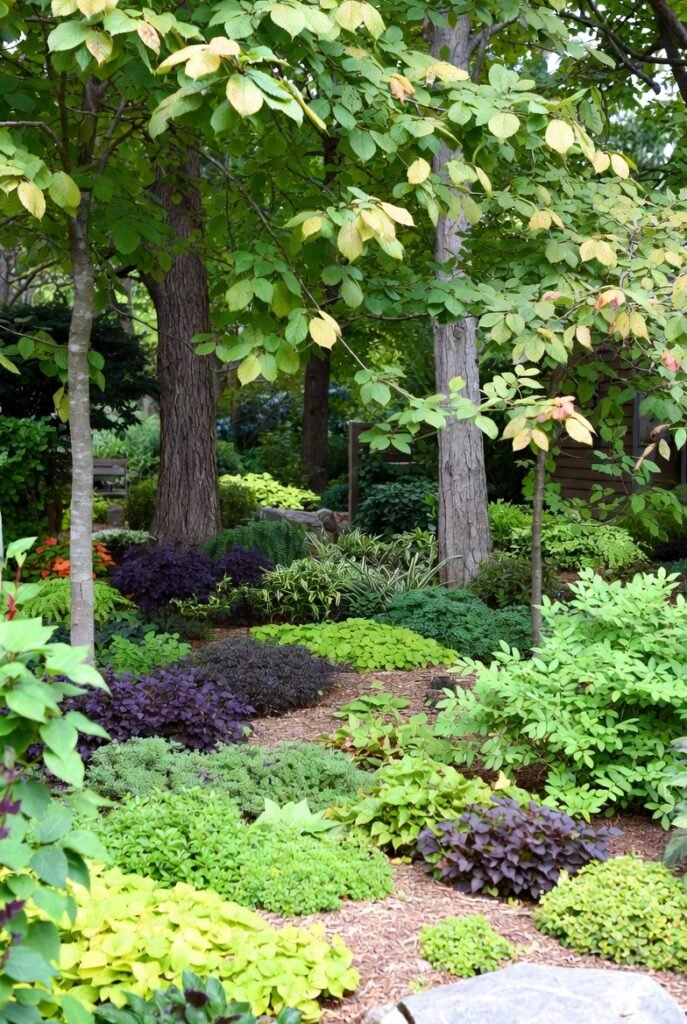
I try to mimic natural woodlands by planting in vertical layers. This means placing tall trees, shrubs, and groundcovers together in the same bed.
Planting densely suppresses weeds because the plants cover the bare ground. This method also creates diverse habitats for wildlife, supporting everything from ground-nesting birds to canopy dwellers.
9. Choose Native Viburnums
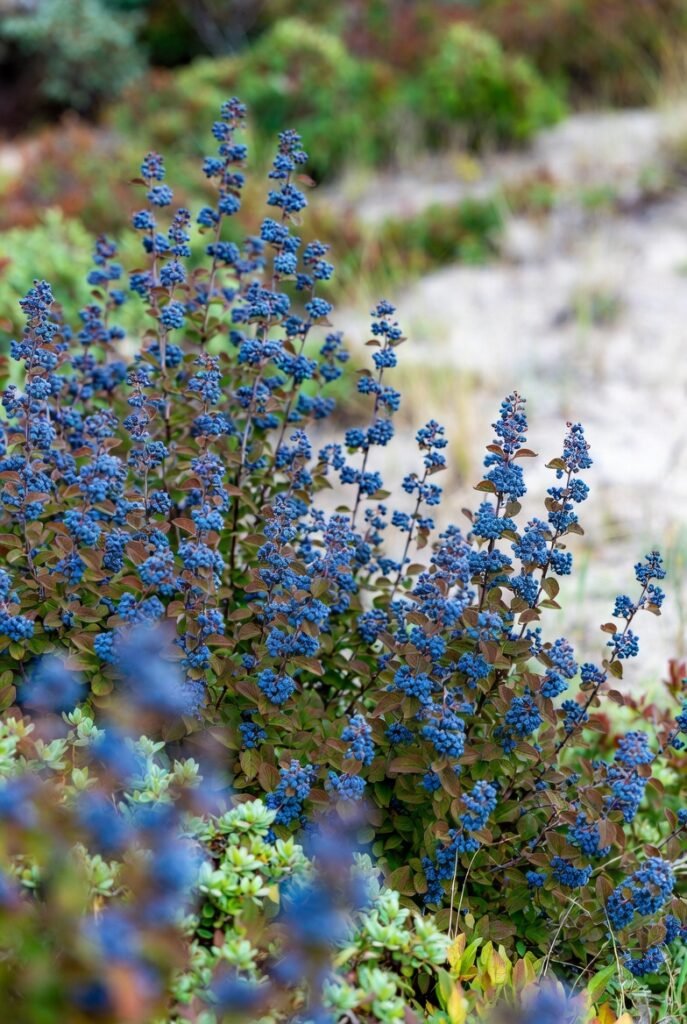
For seasonal interest and wildlife support, I love planting Arrowwood Viburnum (Viburnum dentatum). It is somewhat salt-tolerant and tough enough for difficult sites.
In the fall, it produces blue-black berries. These fruits are rich in fats and antioxidants, which migrating birds desperately need to fuel their long flights south.
10. Reduce Your Lawn Area
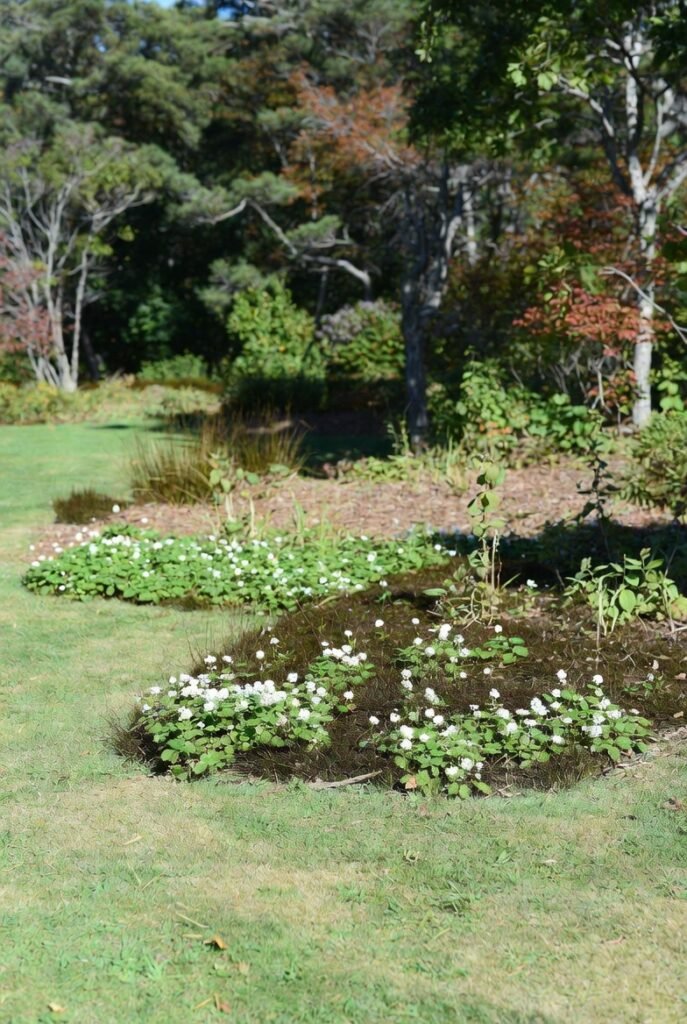
I suggest shrinking your grassy lawn and replacing it with native groundcovers. Plants like Pennsylvania Sedge (Carex pensylvanica) or Wild Strawberry (Fragaria virginiana) make excellent alternatives.
Research shows that neighborhoods with less than 70% native plants see a drastic drop in chickadee breeding success. By reducing your lawn, you make room for plants that actually support nature.
11. Add Winter Interest with Hollies
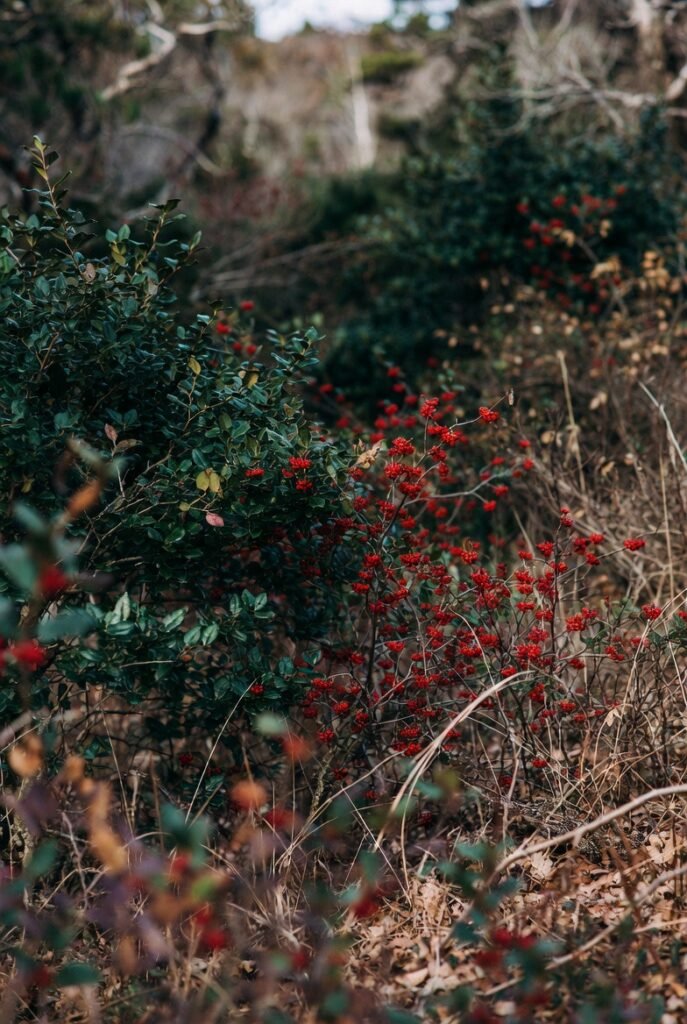
Cape Cod landscapes can look barren in winter, but they don’t have to. I use native hollies like Inkberry (Ilex glabra) and Winterberry (Ilex verticillata) to add color.
Inkberry keeps its leaves all year, while Winterberry drops its leaves to reveal striking red fruit. Both provide crucial food for birds when other sources are scarce.
12. Go Chemical-Free
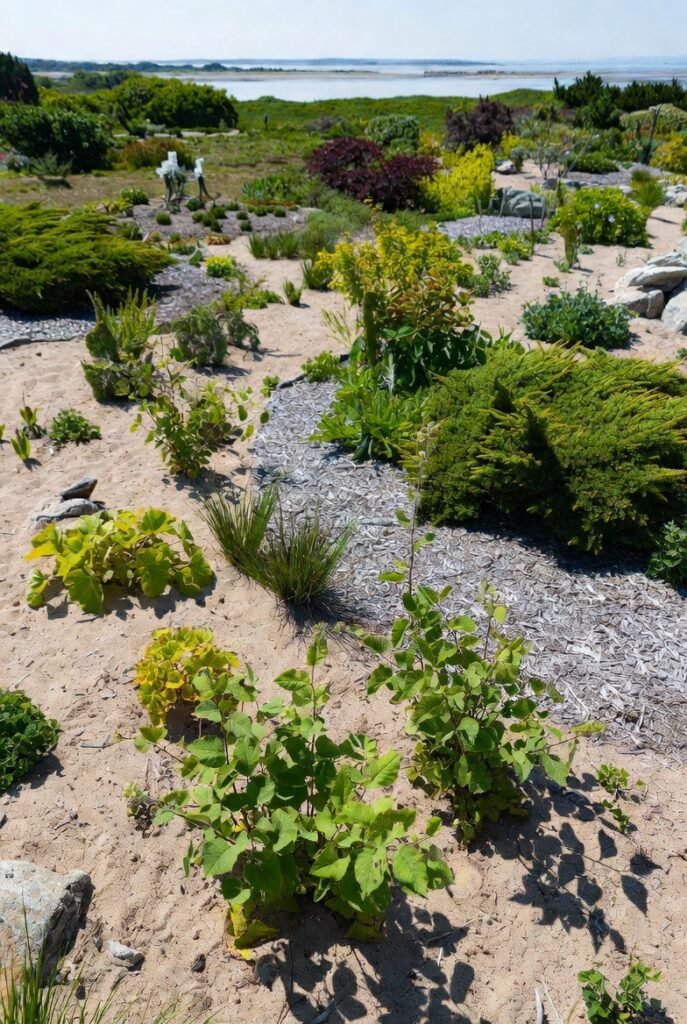
I avoid fertilizers and pesticides to protect the Cape’s fragile ecosystem. Chemicals can leach into the sandy soil and contaminate the groundwater and bays.
Instead, I feed the soil with compost. Healthy soil creates strong plants that can resist pests and diseases without the need for harmful synthetic treatments.
13. Restore Dunes with Beach Grass
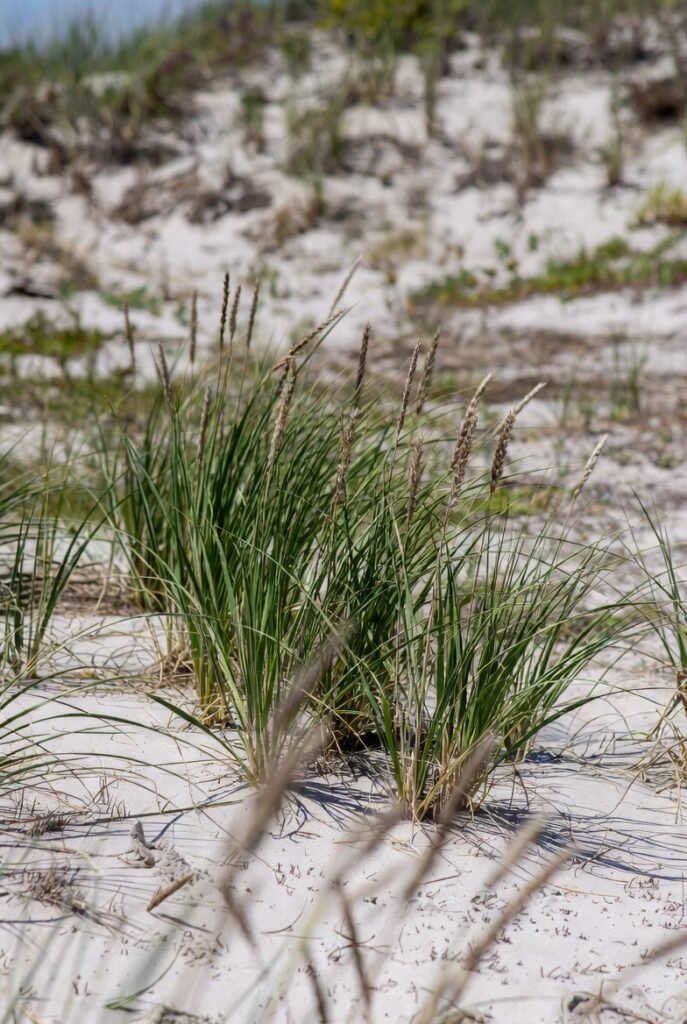
If you have a dune on your property, American Beach Grass (Ammophila breviligulata) is your best friend. UMass experts recommend planting culms 8 inches deep to stabilize blowing sand.
You should space them about 12 to 18 inches apart. Once established, this grass traps sand and builds the dune, protecting your property from storm surges.
14. Use Weathered Hardscaping
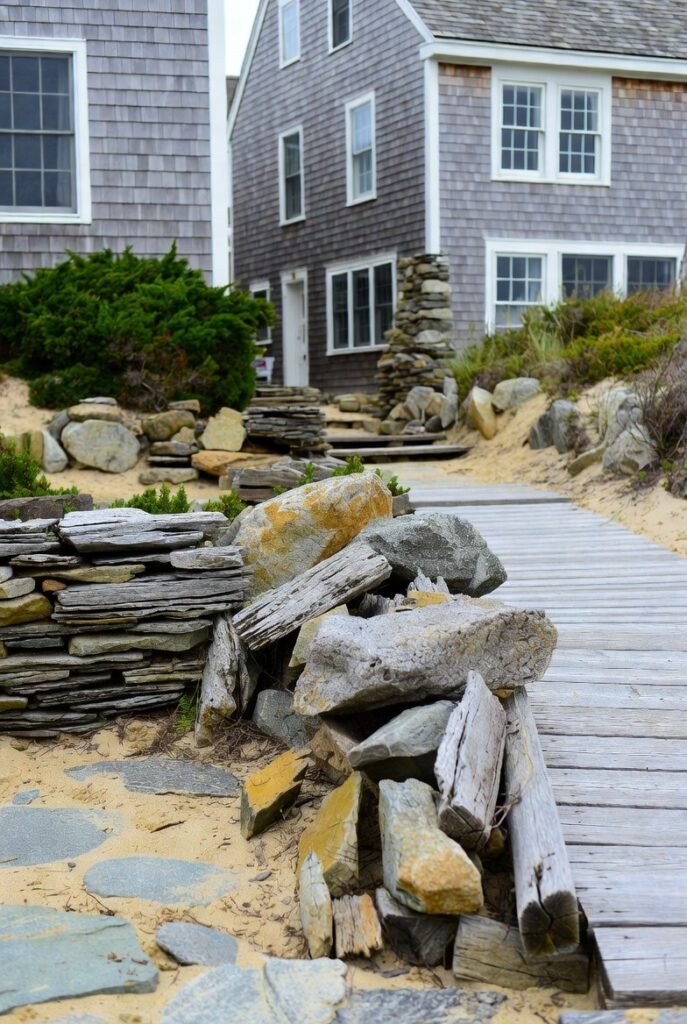
I love using natural stone or weathered wood for paths and walls. These materials blend seamlessly with the gray shingles and sandy surroundings typical of Cape Cod architecture.
Consider a boardwalk made of untreated cedar to cross sensitive areas. It protects the dunes from foot traffic while adding a charming, nautical element to your landscape.
15. Leave Stems for Bees
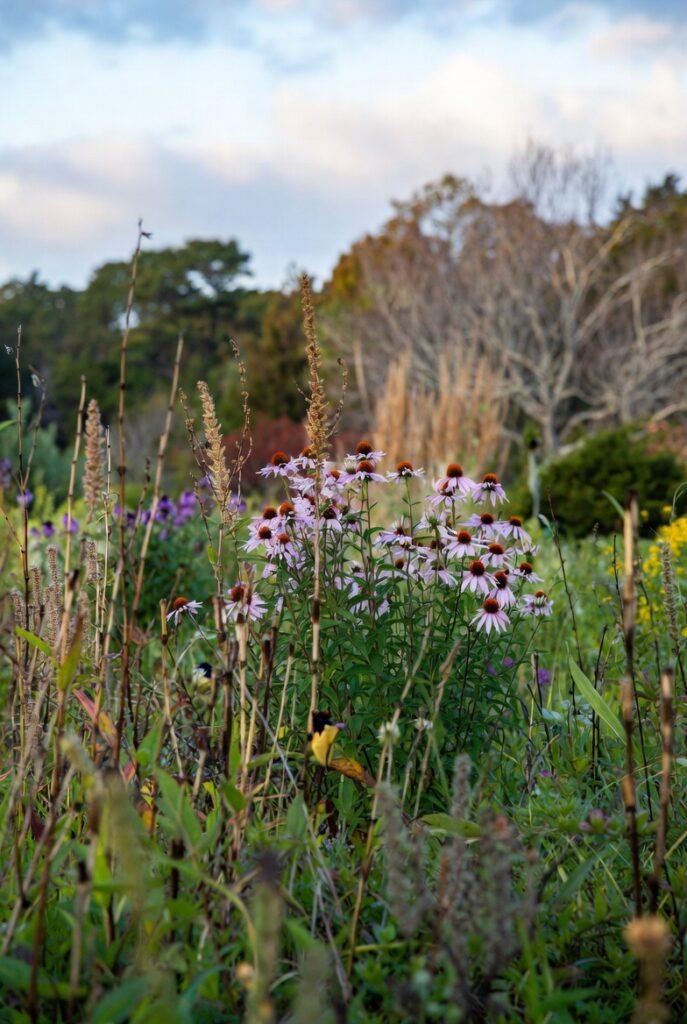
I wait until late spring to cut back my perennials. Hollow stems from plants like Goldenrod serve as nesting sites for tiny native bees during the winter.
Leaving seed heads on purple coneflowers also feeds goldfinches. It is a messy look, but I find it beautiful knowing it sustains life through the cold season.
16. Replace Invasive Rugosa Rose
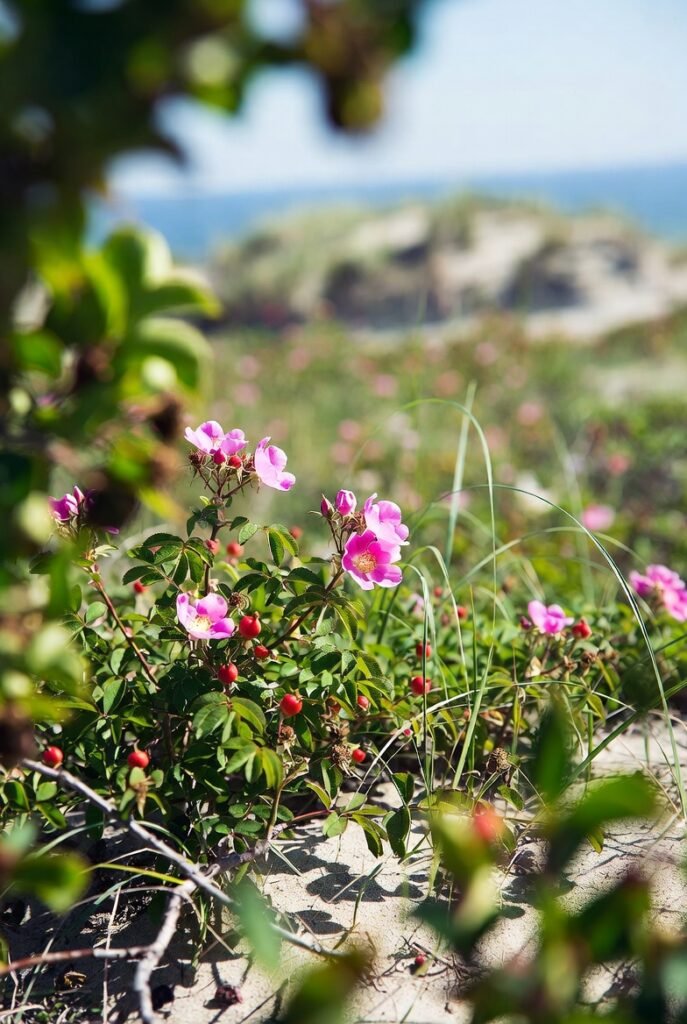
While many associate the Rugosa Rose with the Cape, it is actually an invasive species from Asia. I recommend planting natives like Virginia Rose (Rosa virginiana) instead.
The Virginia Rose offers beautiful pink flowers and red hips without threatening local ecosystems. It provides the same coastal aesthetic while keeping the habitat healthy.
Conclusion
Transforming your landscape into a sustainable sanctuary doesn’t have to happen overnight. By choosing just one area of your yard to focus on today, you can begin implementing these native, eco-friendly principles and watch your coastal garden thrive.
Whether you start by leaving stems for the bees or swapping out an invasive shrub, every small change contributes to a healthier, more vibrant ecosystem for the Cape. Happy planting