17 Cinder Block Wall Painting Ideas to Transform Your Space
Cinder block walls often feel cold, gray, and unfinished. They tend to remind me of unfinished basements or industrial warehouses rather than a cozy home. But I see these walls as a blank canvas waiting for a creative touch.
By applying the right paint and design, you can turn that dull concrete into a stunning feature. Painting masonry requires specific preparation, but the results are incredibly rewarding.
In this guide, I will share 17 exciting ideas to upgrade your cinder block walls. I have also included practical tips to ensure your paint job lasts for years.
1. The Classic Solid Coat
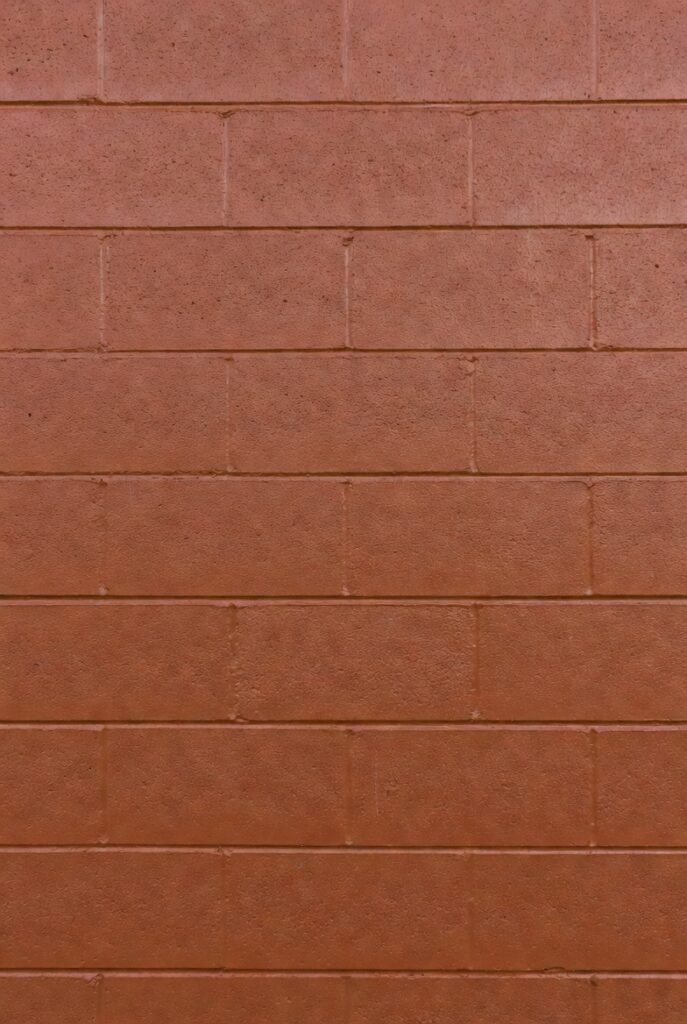
Sometimes, simplicity wins. Painting the entire wall a single, solid color instantly warms up the space and covers the drab gray cement. I love using a high-quality acrylic latex paint for this.
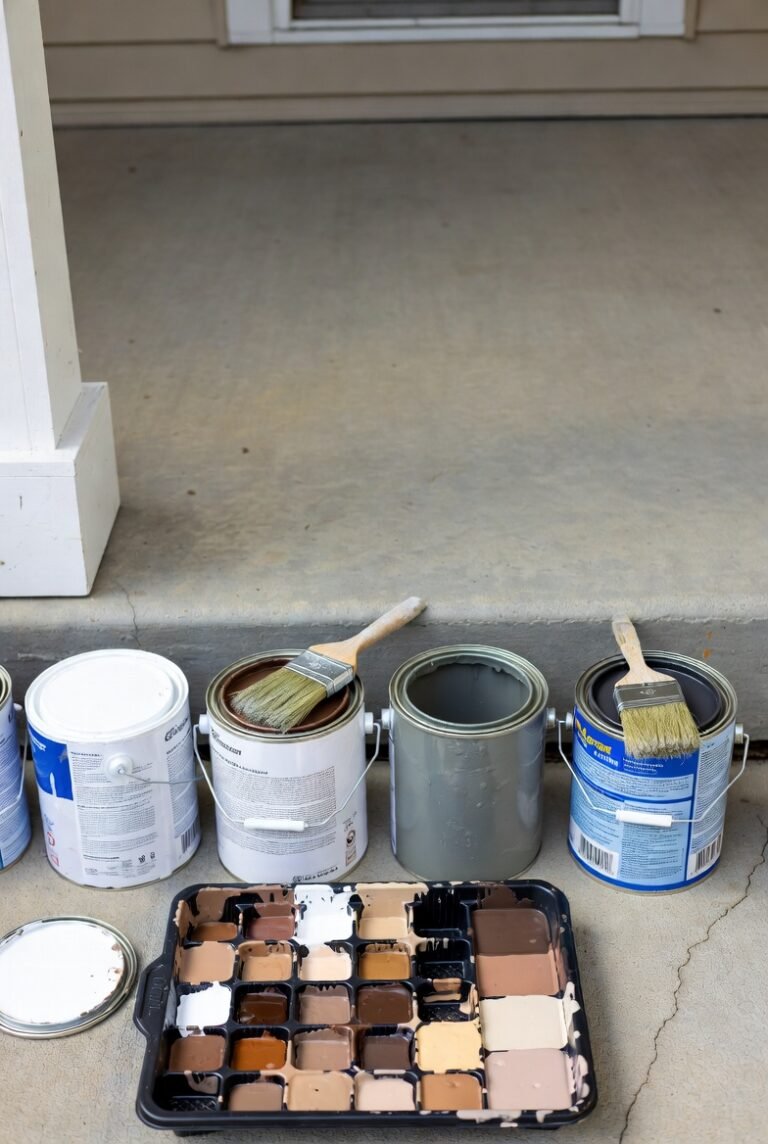
Before you start, you must clean the wall thoroughly. I recommend using a wire brush to remove loose debris, followed by a scrub with TSP (trisodium phosphate) and warm water.
2. Modern Color Blocking
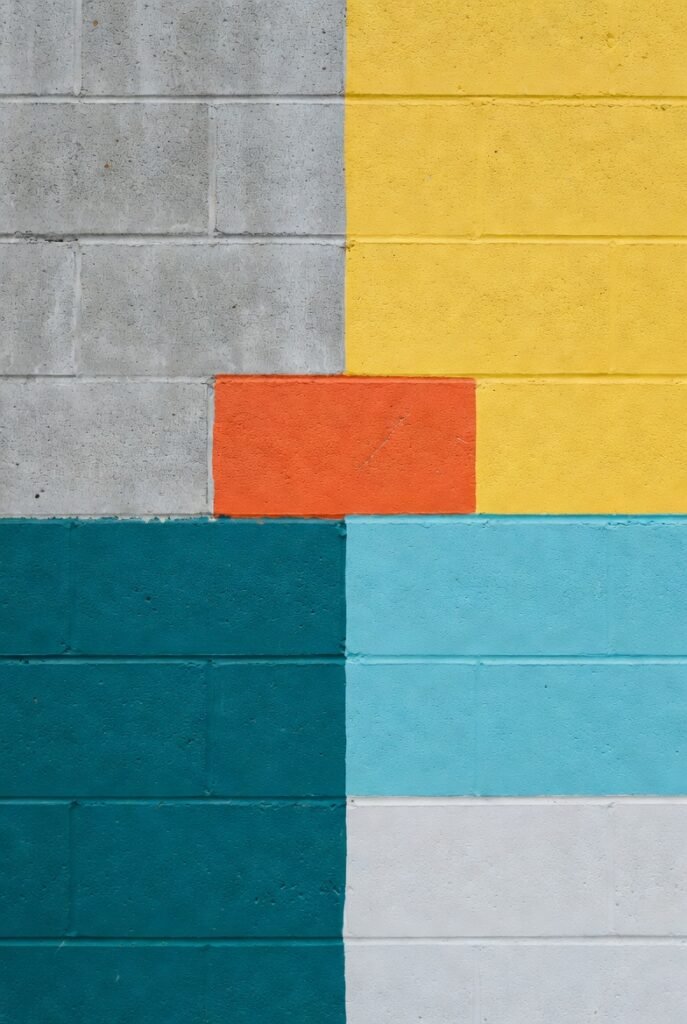
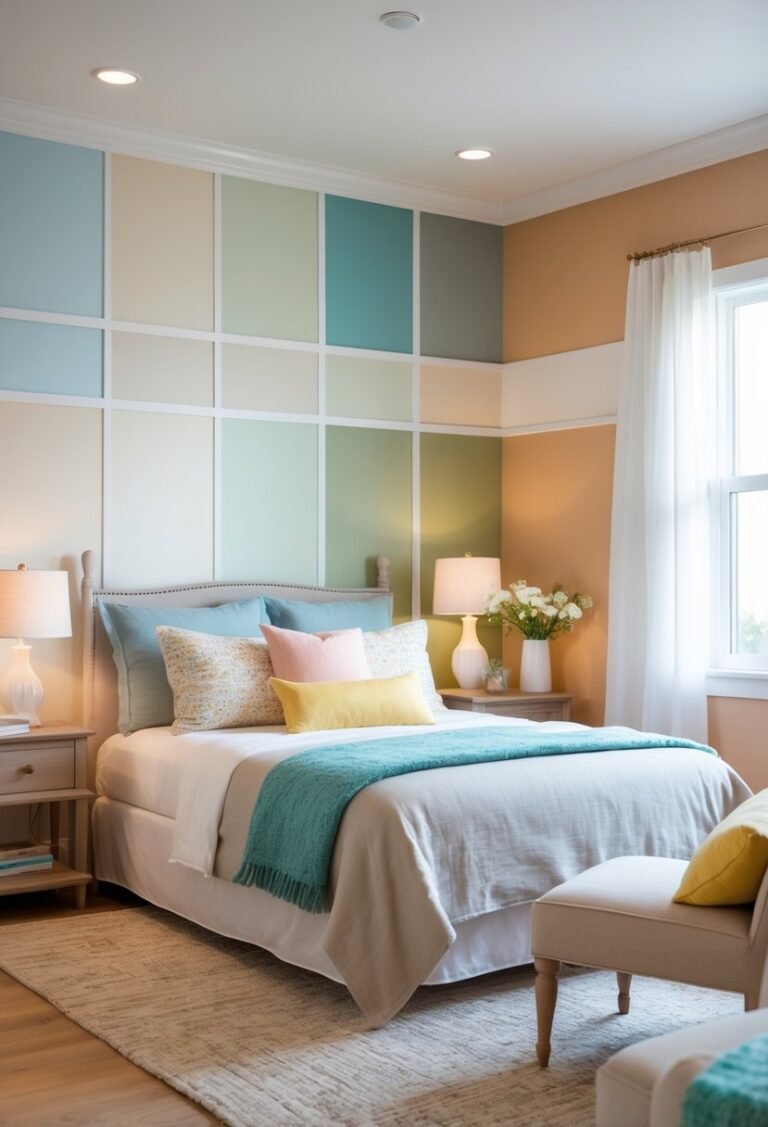
Color blocking is a fantastic way to add energy to a room without painting a complex mural. I select two or three contrasting colors and paint distinct rectangular or square sections.
You can use the natural lines of the grout to guide your shapes. This method works well in home offices or creative studios where you want to stimulate energy.
3. Geometric Triangles
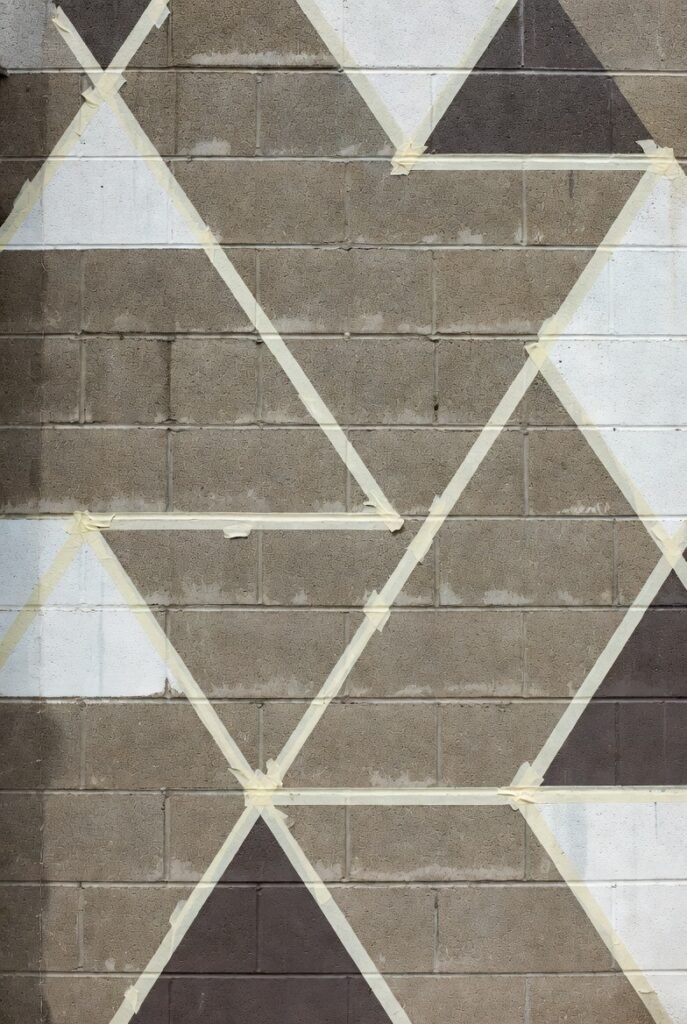
If you want something sharper than squares, try geometric triangles. I use painter’s tape to map out random or uniform triangle patterns across the wall.
This design hides the blocky texture of the wall effectively. It draws the eye to the shapes rather than the industrial material underneath.
4. The Faux Brick Look
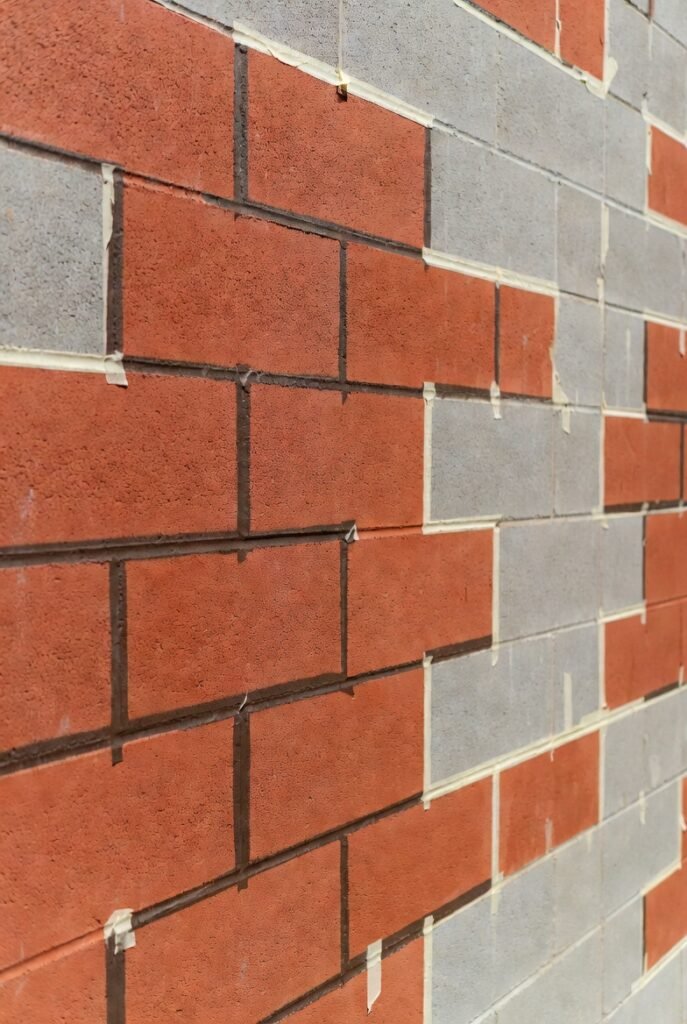
I love this trick for making cinder blocks look like traditional brick. You apply thin strips of painter’s tape over the grout lines and even create new “fake” grout lines across the blocks.
Paint over the entire wall with a brick-red or terracotta color. When you peel back the tape, you reveal the gray “mortar” underneath, creating a convincing brick effect.
5. Soft Ombré Fade

An ombré wall creates a soothing transition from dark to light. I start with a dark color at the bottom and gradually blend it into a lighter shade as I move up.
This technique requires working quickly while the paint is wet to blend the edges. It adds a soft, dreamy quality that counters the hardness of the concrete.
6. Industrial Whitewash
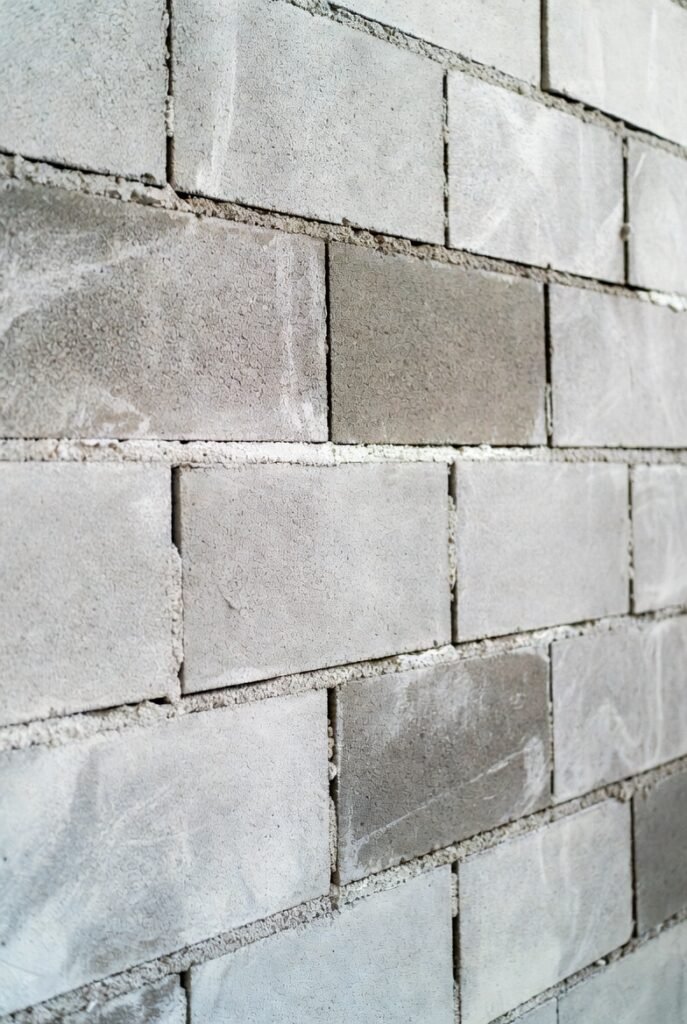
For a rustic or industrial vibe, I prefer a whitewash technique. You dilute white paint with water (usually a 1:1 ratio) and brush it on unevenly.
This allows some of the natural gray stone to peek through. It brightens the room while maintaining the wall’s authentic, textured character.
7. Vertical Stripes
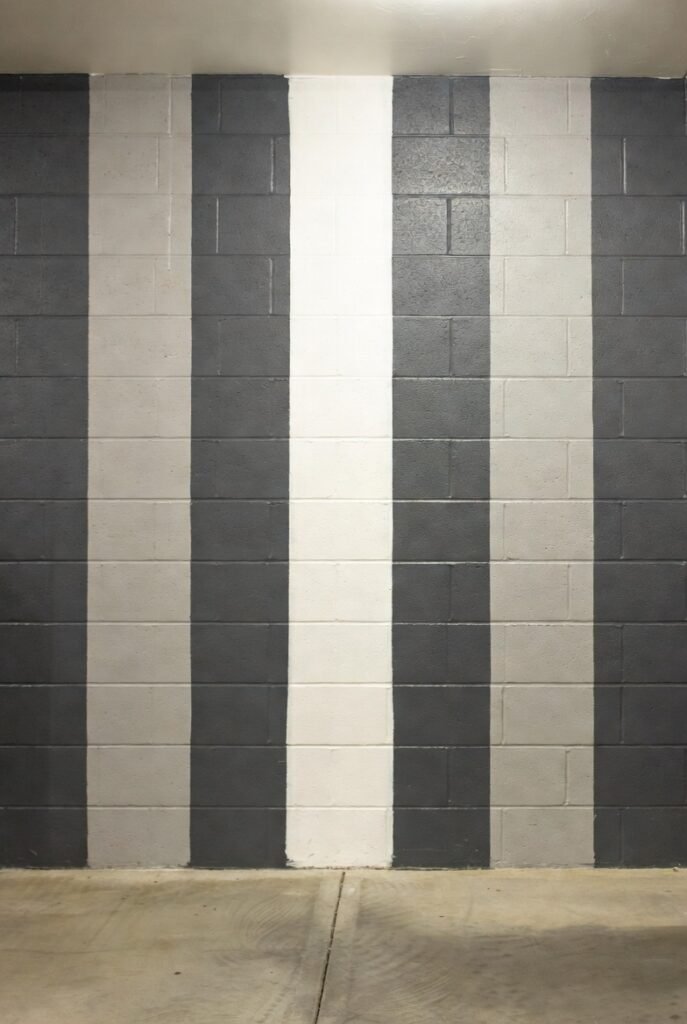
If your basement ceiling feels low, vertical stripes can help. I paint alternating stripes of two colors running from floor to ceiling.
This visual trick draws the eye upward, making the room feel taller. Use a laser level to ensure your tape lines are perfectly straight.
8. Horizontal Bands

Horizontal stripes have the opposite effect; they make a narrow room feel wider. I like using thick bands of color to break up the monotony of a large wall.
You can follow the horizontal grout lines to make taping easier. This is a simple way to add structure and width to a cramped space.
9. Chalkboard Functionality
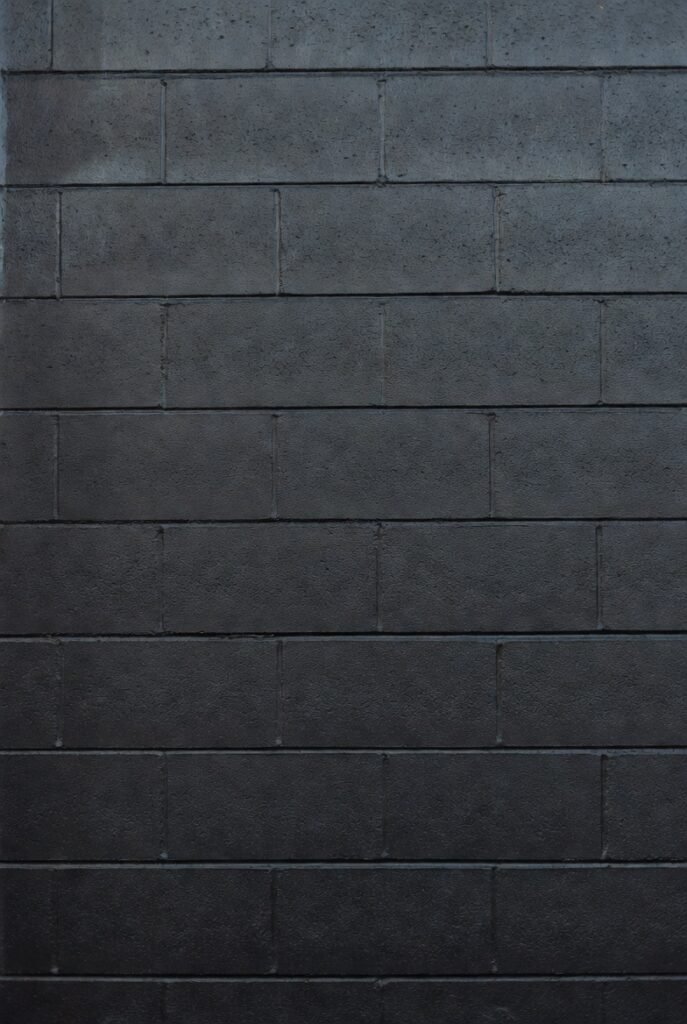
Transforming a cinder block wall into a chalkboard is brilliant for playrooms or workshops. I apply specialized chalkboard paint directly to the surface.
Because cinder blocks are porous, you might need an extra coat of primer first. This creates a fun, interactive surface for kids or for jotting down project notes.
10. Stenciled Elegance
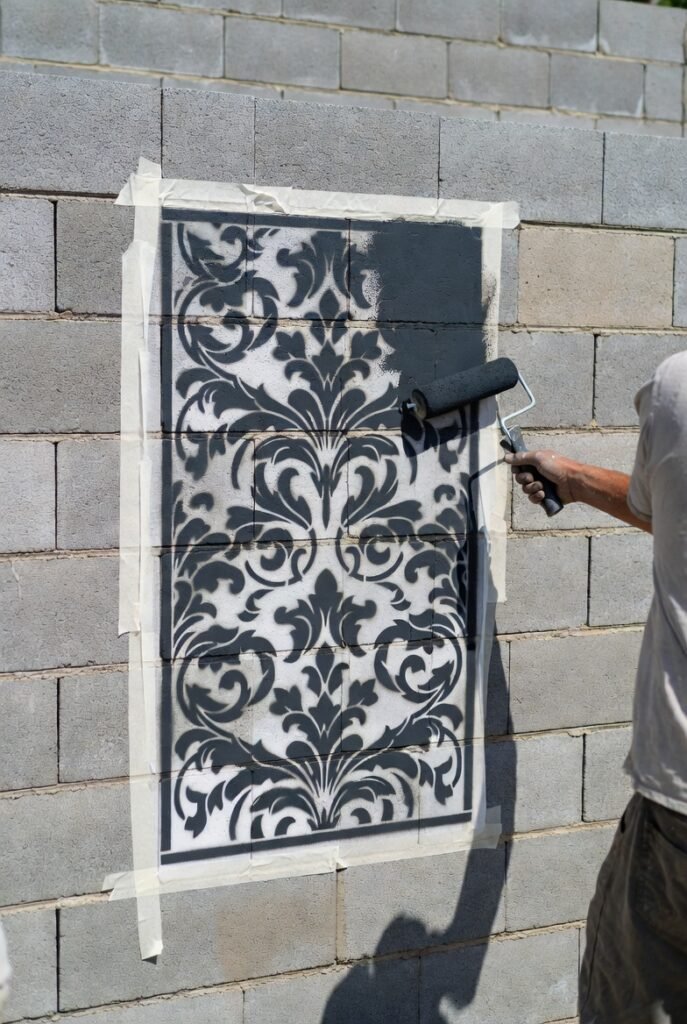
Stencils allow you to add intricate patterns without needing advanced artistic skills. I tape a large wall stencil in place and use a foam roller to apply a contrasting color.
This can mimic the look of expensive wallpaper. Just be sure to use a “dry brush” technique to prevent paint from bleeding under the stencil edges.
11. Metallic Accents

For a touch of glamour, I use metallic paint. Gold, silver, or copper accents can catch the light and make the wall look surprisingly chic.
You don’t have to paint the whole wall metallic. I find that painting just a few random blocks or a specific stripe adds enough sparkle without being overwhelming.
12. Nature-Inspired Murals
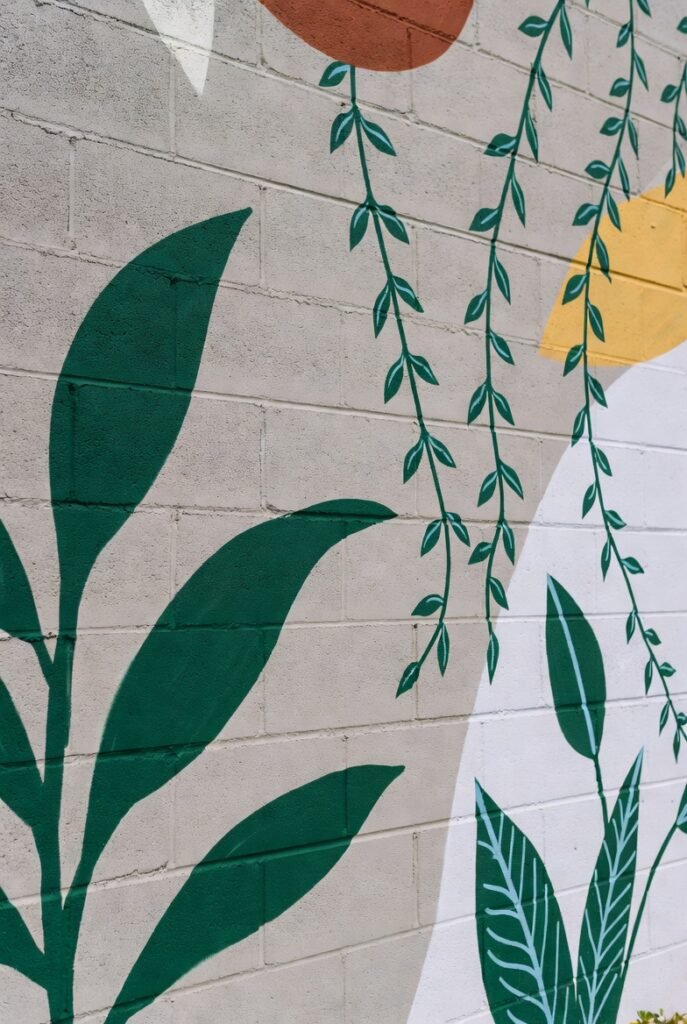
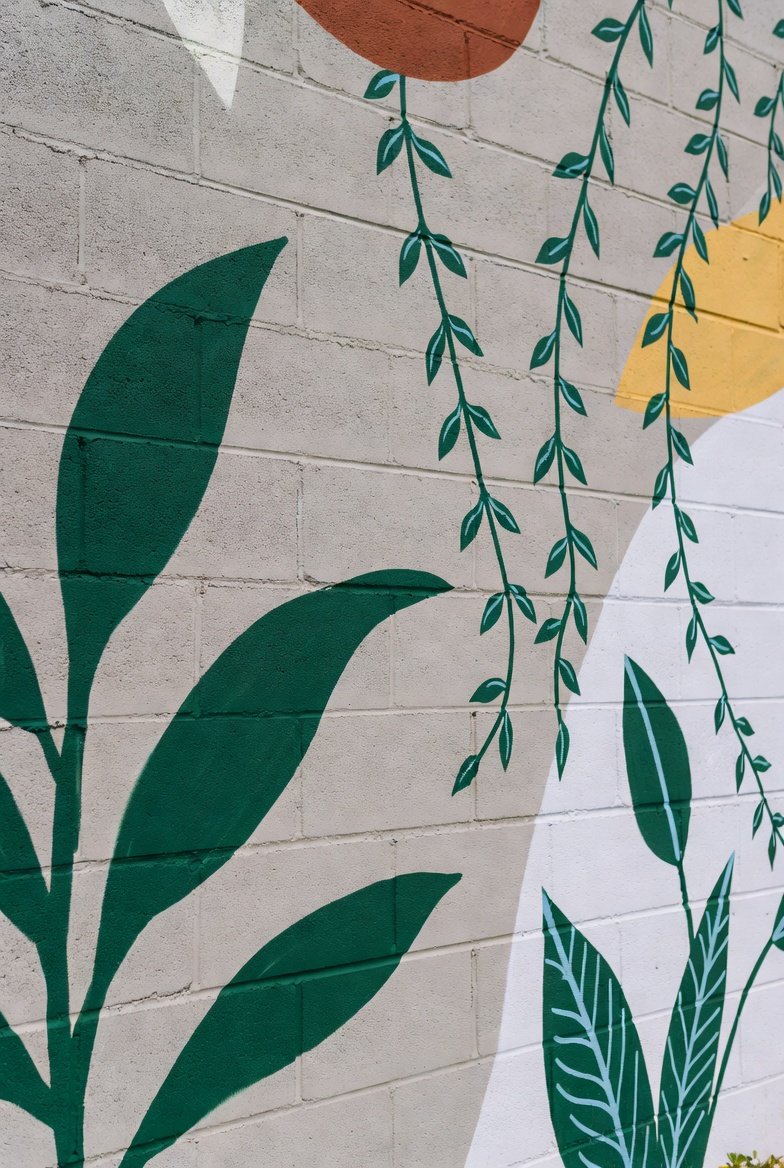
Bringing the outdoors in softens the harshness of concrete. I enjoy painting simple botanical shapes like large palm leaves or vines trailing down the wall.
You don’t need to be a professional artist. Organic shapes are forgiving, and the texture of the block adds an interesting dimension to the artwork.
13. Abstract Splatter
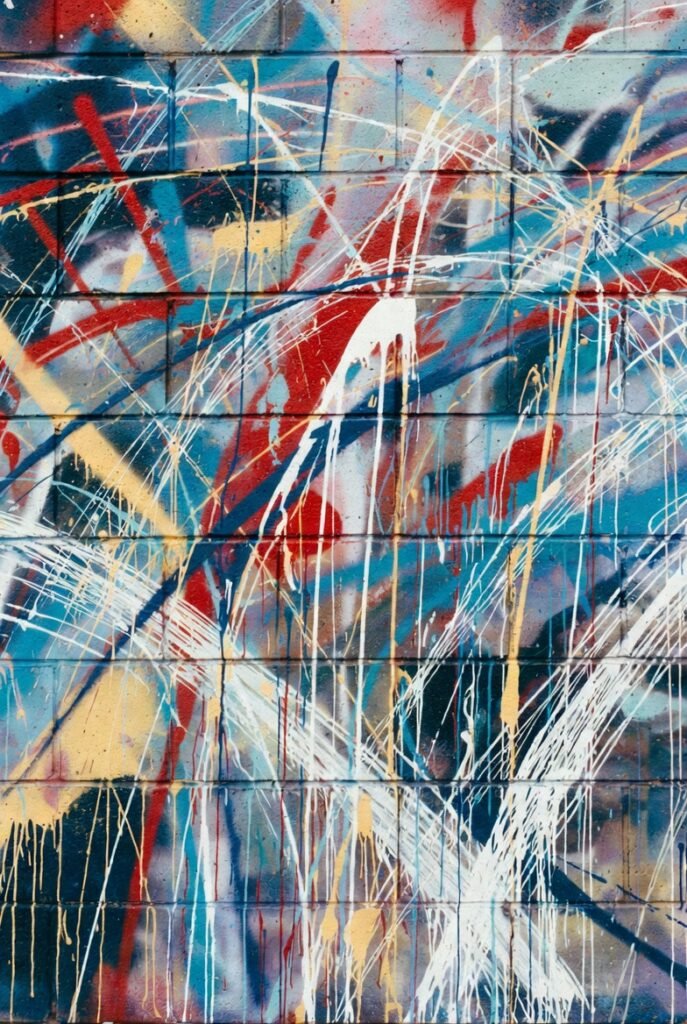
If you want to have fun and make a mess, try the splatter technique. I paint the base wall a solid color, then flick different colors of paint onto it using a stiff brush.
Cover your floors and furniture completely before doing this. It creates a high-energy, modern art look that is completely unique to your space.
14. Two-Tone Minimalist
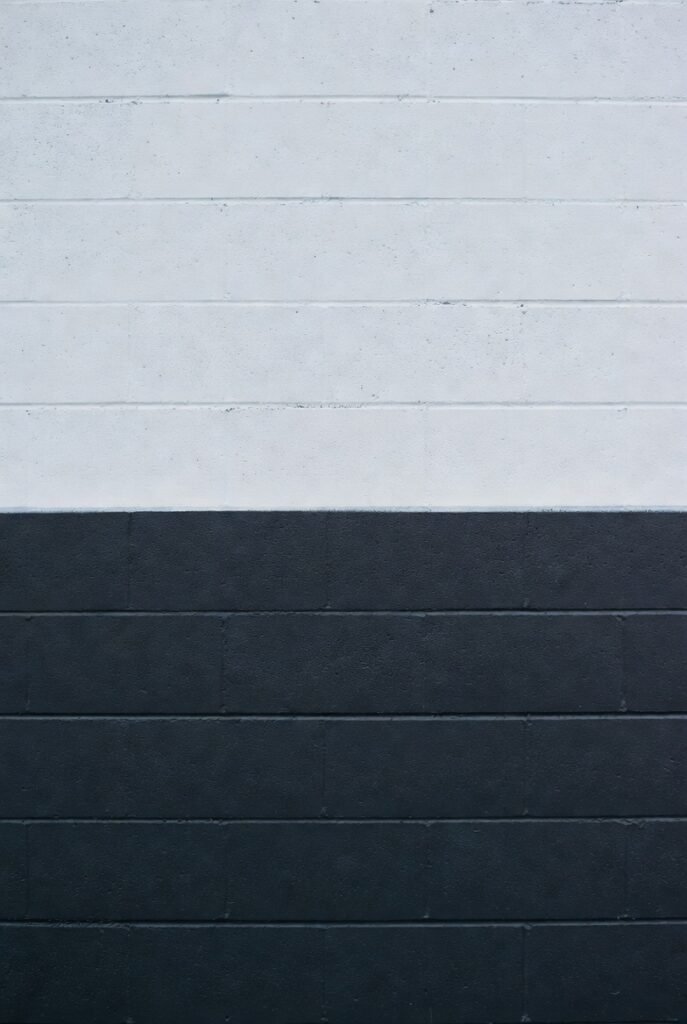
A half-painted wall is very trendy right now. I paint the bottom half of the wall a dark, grounding color and leave the top half white or light gray.
This grounds the space and protects the lower wall from scuffs. It also creates a clean, modern aesthetic that looks very intentional.
15. Sponge Texture
Sponge painting adds depth and interest. I dip a natural sea sponge into a glaze or secondary paint color and dab it onto the wall.
This camouflages the rough texture of the cinder blocks. It creates a clouded, stone-like appearance that feels more expensive than plain concrete.
16. Dark and Moody
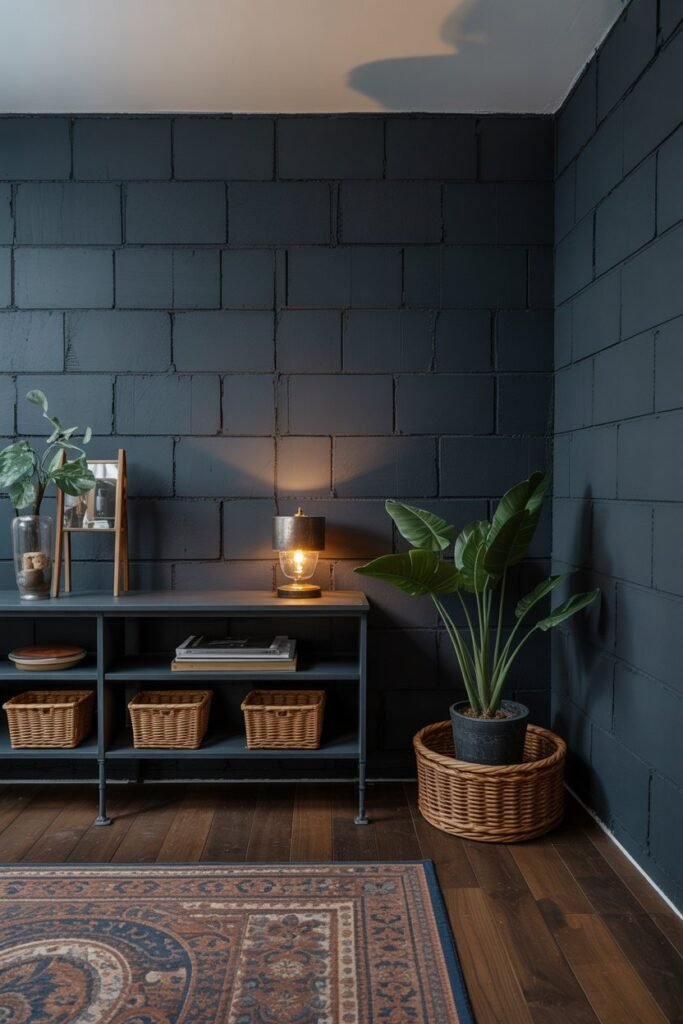
Don’t be afraid of the dark. I love painting basement walls in deep charcoal, navy, or forest green to create a cozy, theater-like atmosphere.
Dark colors can make the walls recede, making the space feel larger. Just ensure you have good lighting to keep the room from feeling like a cave.
17. The Mosaic Tile Effect

You can use the individual blocks as tiles in a mosaic. I paint each block a different color from a specific palette to create a pixelated image or pattern.
This takes time but yields an incredible result. It turns the structural limitation of the blocks into a deliberate design feature.
Conclusion
Updating your cinder block walls is one of the most effective ways to change the feel of a room. Whether you choose a simple solid coat or an elaborate mural, the key is preparation.
Always clean your walls and use a high-quality masonry primer to ensure adhesion. I encourage you to pick up a brush and start transforming your space today.
Ready to get started on your project? Browse our full range of masonry paints and tools to find everything you need.