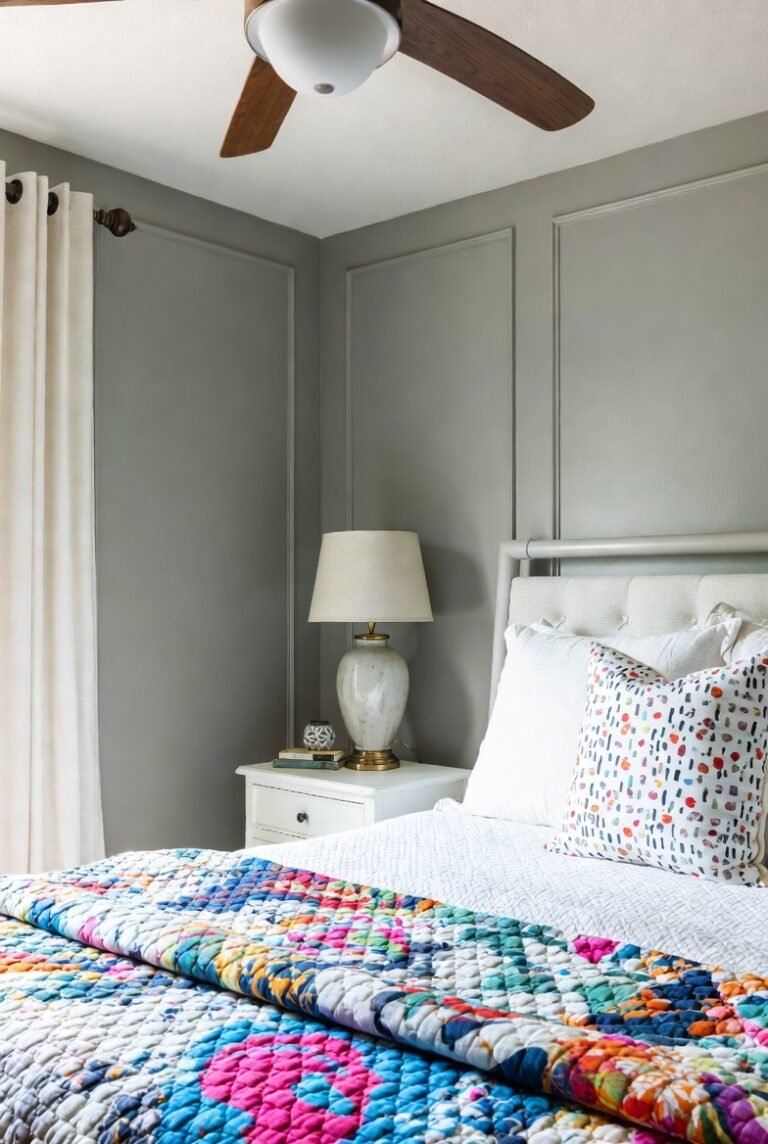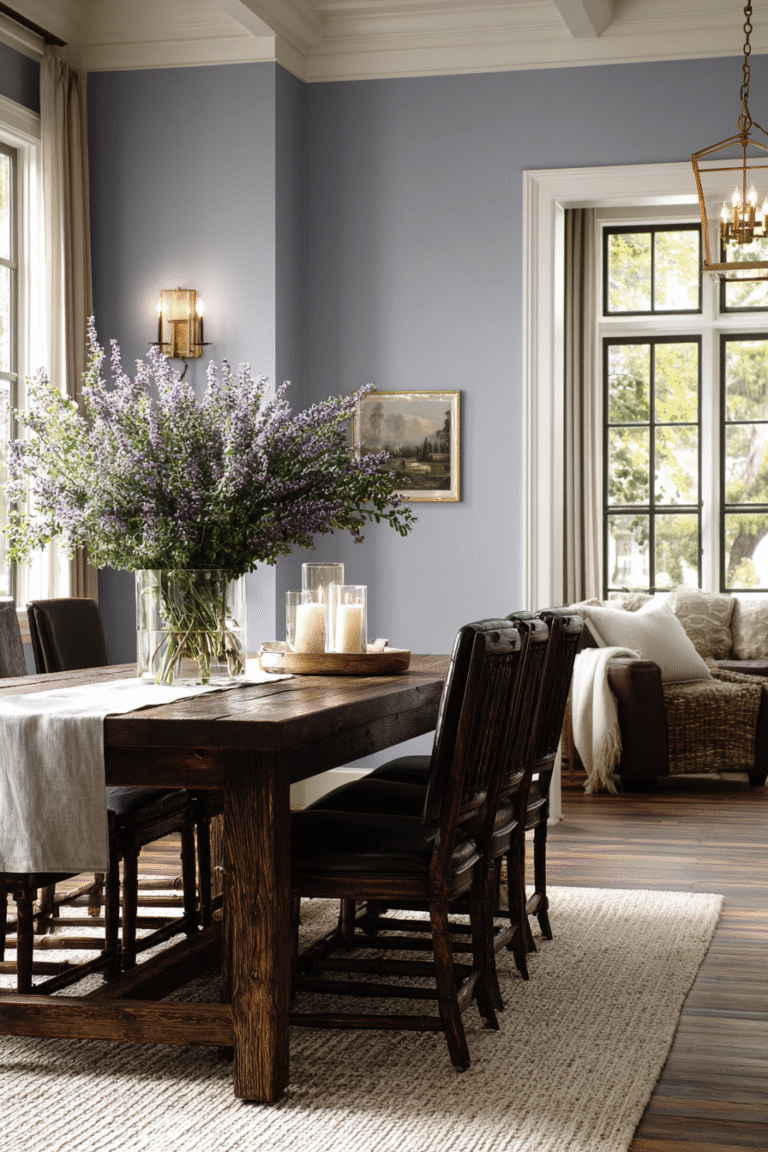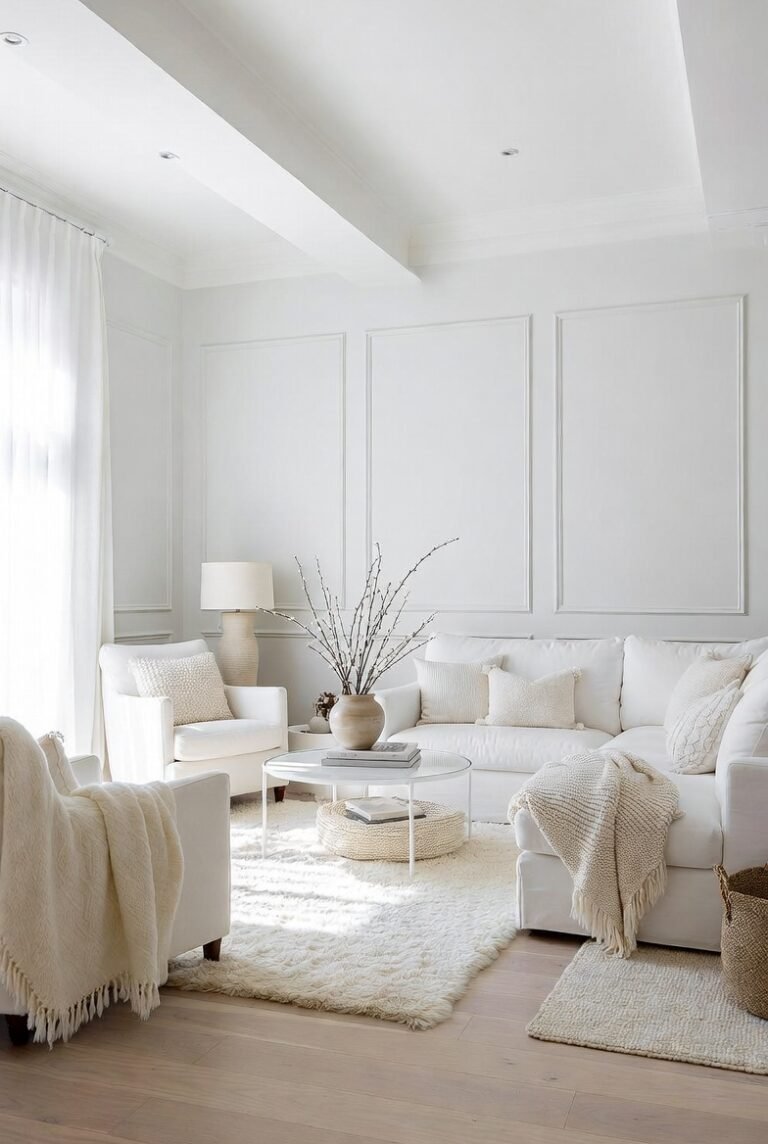
15 Powder Room Paint Ideas to Transform Your Small Space
I love powder rooms because they are the perfect place to take a design risk. Since it’s a small, enclosed space that you don’t spend hours in, you can afford to be bold, dramatic, or experimental without overwhelming your entire home.
Whether you want a calm, spa-like retreat or a moody, jewel-box effect, the right paint makes all the difference. In this list, I’ll share my top 15 ideas and tips for painting your powder room, backed by expert advice to ensure your results last.
1. Go for the Gloss
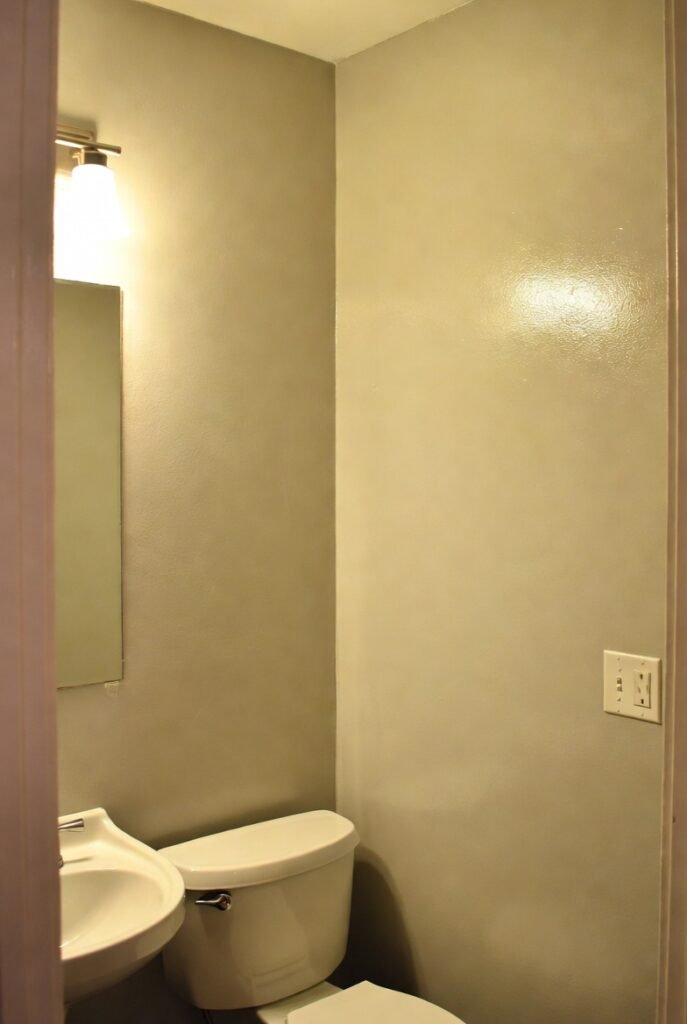
When I choose paint for a bathroom, I always prioritize durability. Powder rooms might not have showers, but they still face humidity and splashes.
According to Southern Living, semi-gloss is a top choice because it virtually repels moisture. I find that its shiny finish makes cleaning easy and helps reflect light in tight spaces.
2. Try Satin for a Softer Look
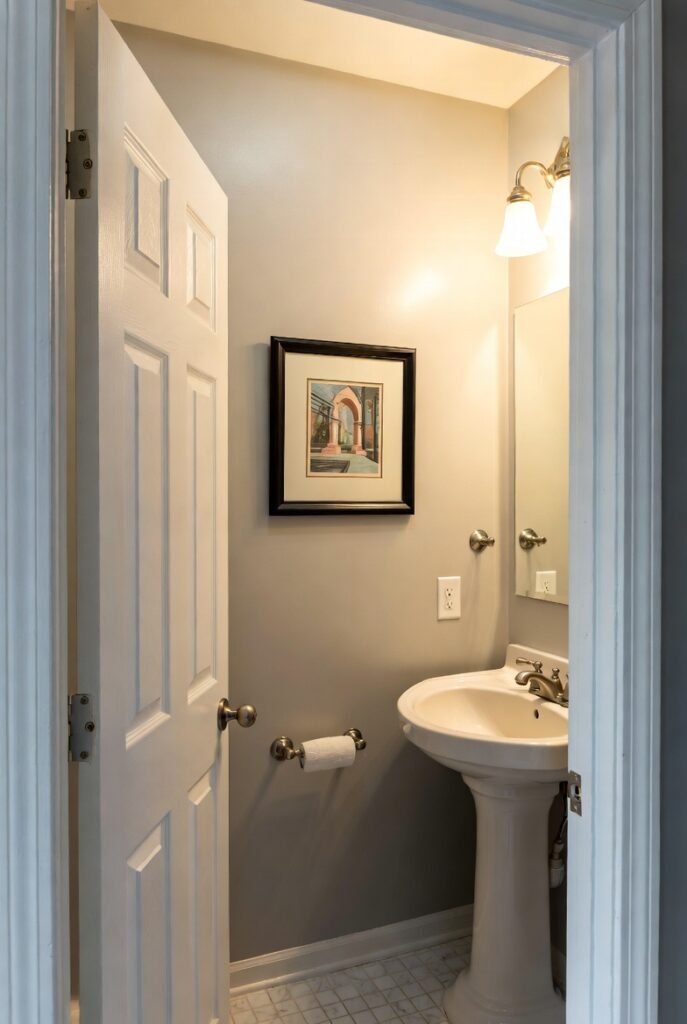
If high shine isn’t your style, I recommend a satin finish. It sits perfectly between eggshell and semi-gloss, offering a subtle glow without highlighting every imperfection on your walls.
Sherwin-Williams notes that satin is ideal for high-traffic areas. It balances elegance with the washability you need in a bathroom setting.
3. Skip the Flat Paint
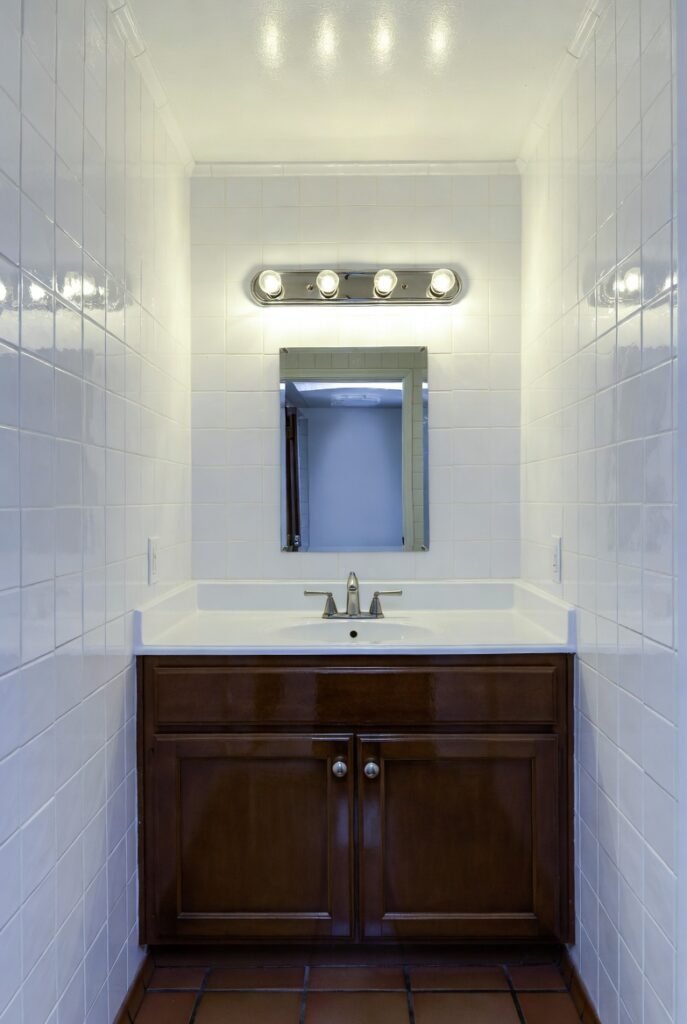
I generally advise against using flat or matte finishes in bathrooms. These porous finishes tend to absorb moisture rather than repel it, which can lead to mold issues down the line.
The experts at This Old House warn that flat paints are harder to clean and more susceptible to water marks. Unless you find a specific mold-resistant matte formula, stick to sheens with a bit more gloss.
4. Drench the Room in Color
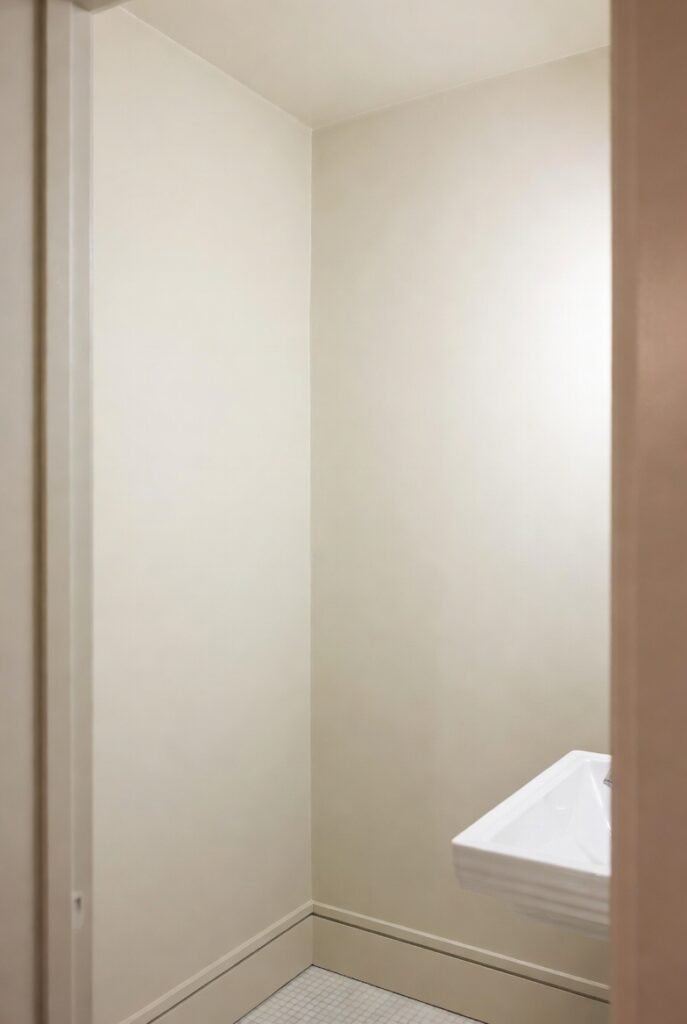
“Color drenching” is one of my favorite trends right now. This involves painting the walls, trim, baseboards, and even the ceiling in the same color.
HGTV describes this as a way to give a space an instant glow-up. I love how it makes intricate or outdated trim blend in seamlessly, creating a modern and cohesive look.
5. Embrace Dark and Moody Vibes
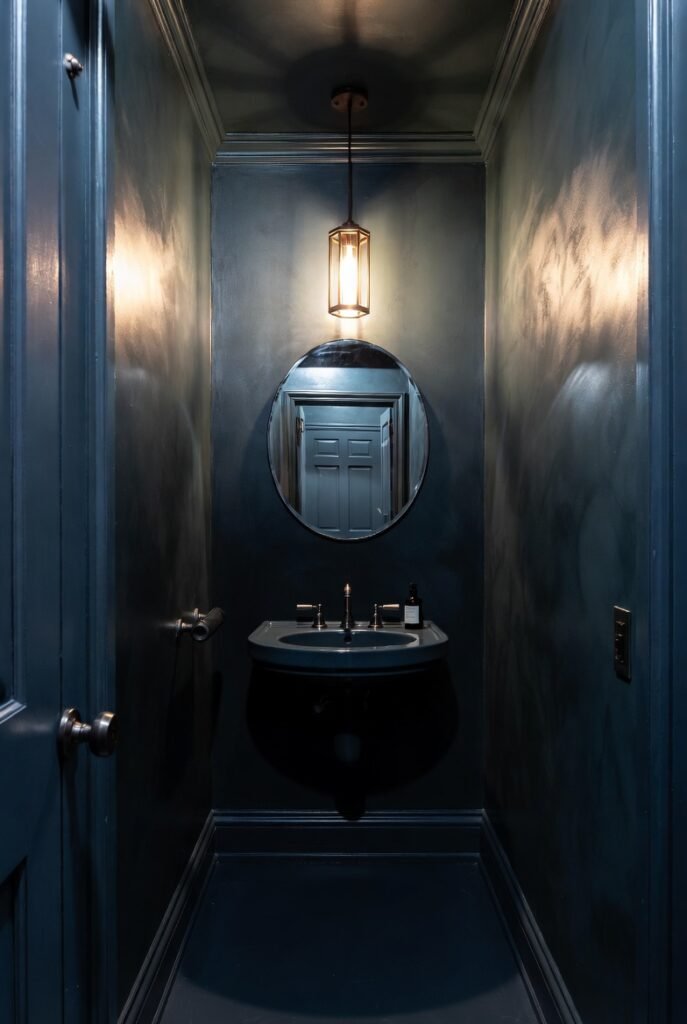
Don’t be afraid of the dark! I find that deep colors like navy, charcoal, or forest green can create a cozy, spa-like atmosphere in a powder room.
While some worry that dark colors make a room feel small, they actually blur the corners of the room, adding depth and drama.
6. Keep It Light and Airy
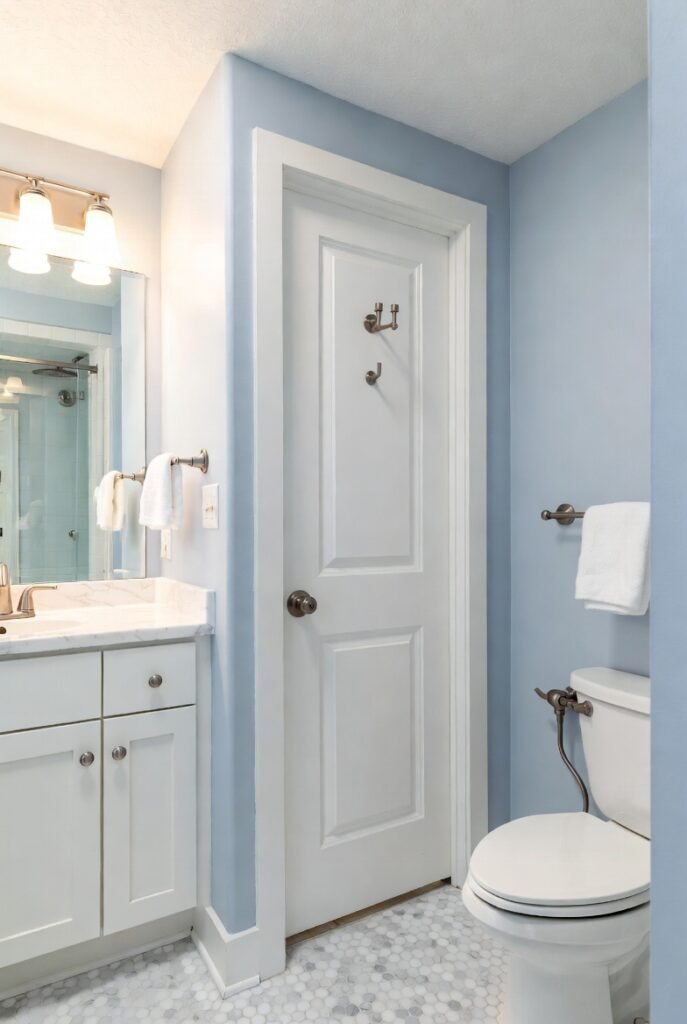
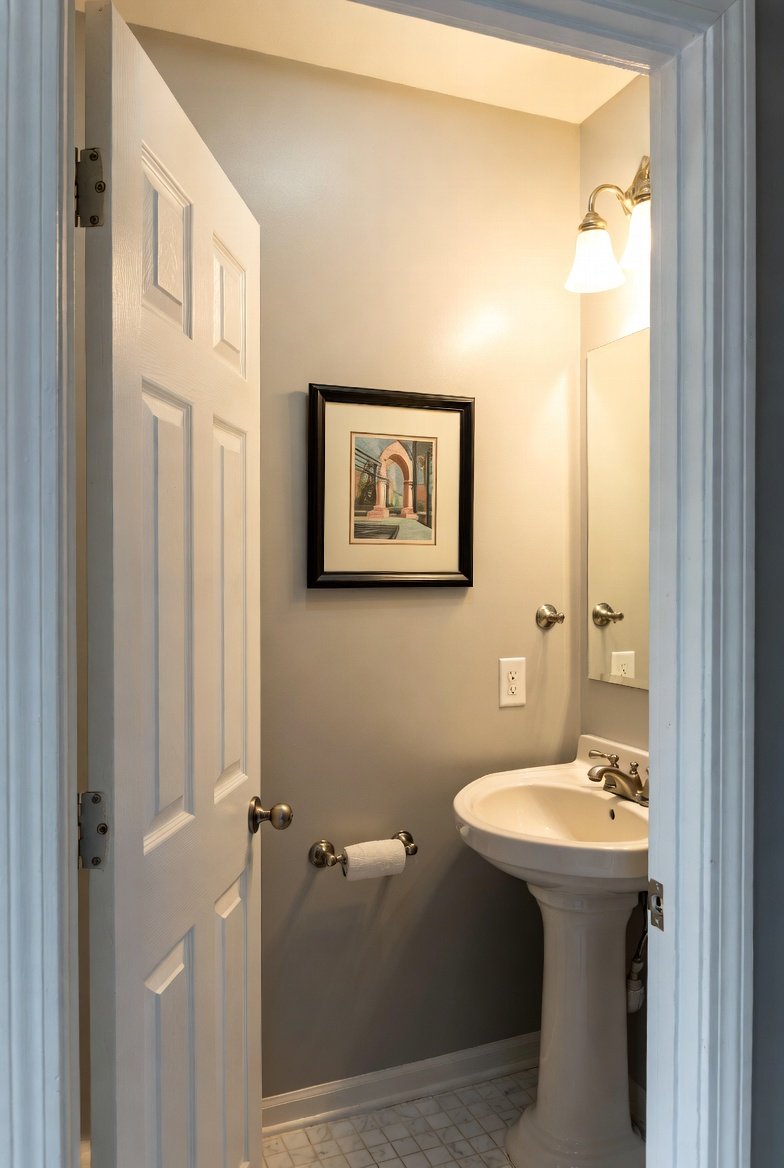
If you prefer a classic look, light colors are a safe bet. Shades like white, off-white, or pale blue reflect light, which tricks the eye into thinking the space is larger than it is.
This Old House suggests light hues for creating an open, airy atmosphere. I think this works particularly well if your powder room lacks natural light.
7. Don’t Forget the Ceiling
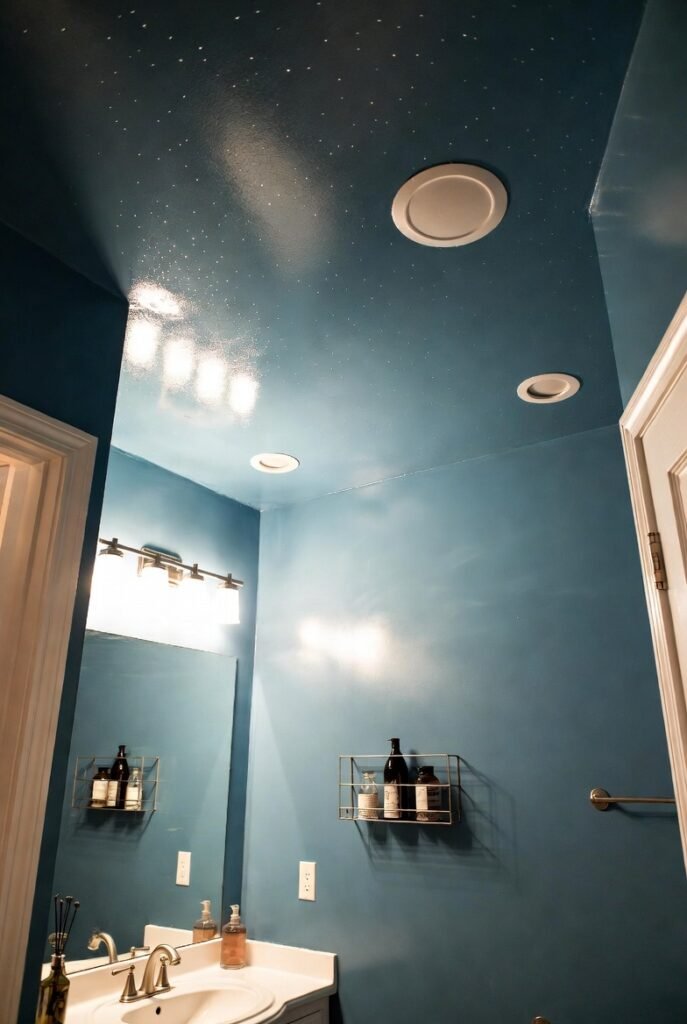
I treat the ceiling as the “fifth wall.” Instead of leaving it plain white, try painting it a complementary color or even a high-gloss version of your wall color.
According to HGTV, a high-gloss ceiling can make flush-mount light fixtures “twinkle like stars.” It adds a layer of surprise that guests always notice.
8. Play with Sheen, Not Just Color
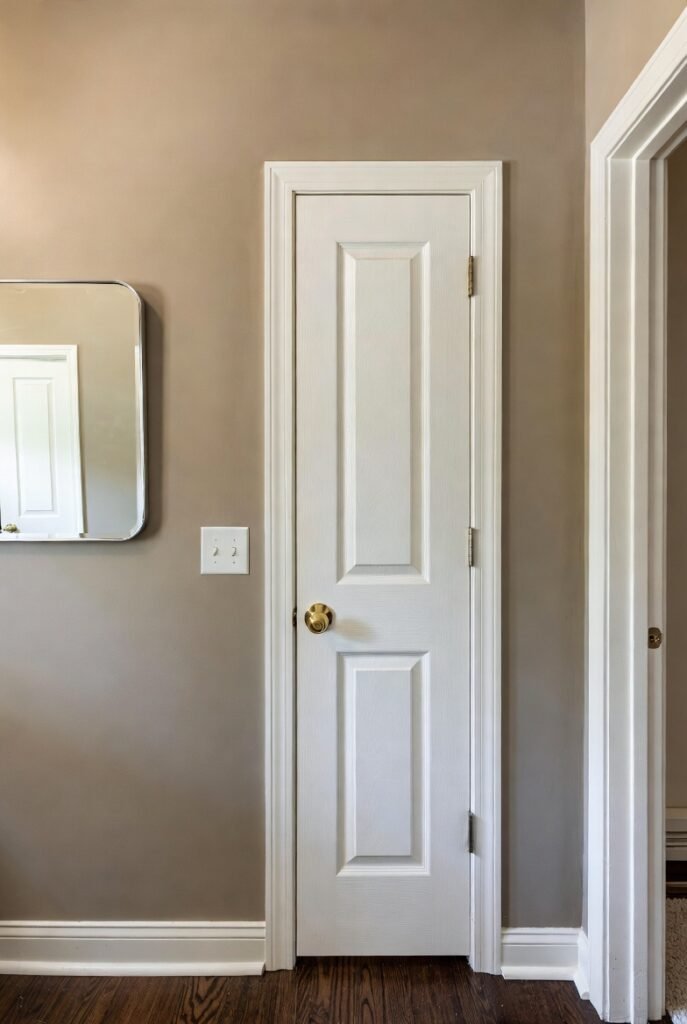
You can create subtle interest by using the same color in different finishes. For example, I like painting the walls in satin and the trim in semi-gloss.
This monochromatic approach adds texture and depth without needing a second color. It’s a sophisticated way to elevate a simple paint job.
9. Prioritize Ventilation
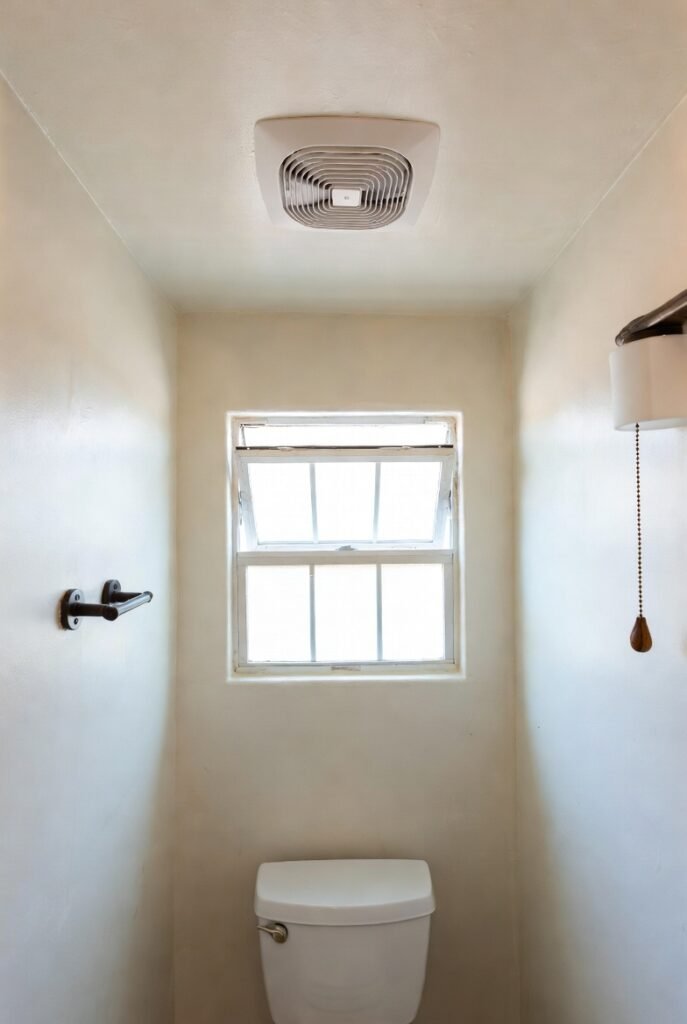
Before I start painting, I always check the ventilation. High humidity can ruin a perfect paint job by causing peeling or bubbling.
The EPA suggests using exhaust fans or opening windows to reduce moisture buildup. Proper airflow ensures your paint cures correctly and lasts longer.
10. Pick Low-VOC Paints
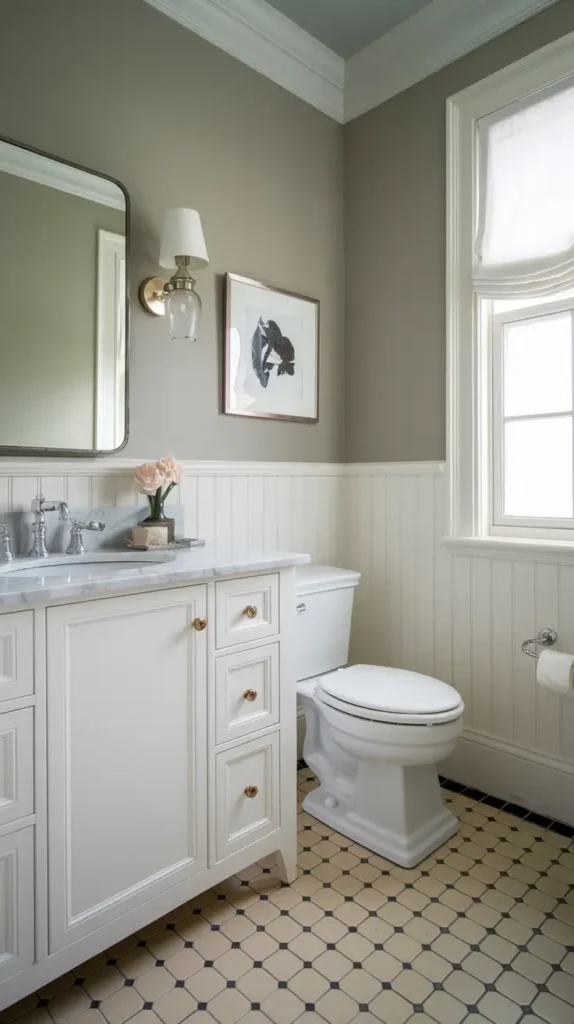
I always look for low-VOC (Volatile Organic Compounds) paints, especially for small, enclosed rooms like a powder room.
The EPA reports that indoor concentrations of certain organic pollutants can be 2 to 5 times higher than outdoors. Choosing safer paint formulas keeps your home’s air quality healthier.
11. Prep Your Walls Properly
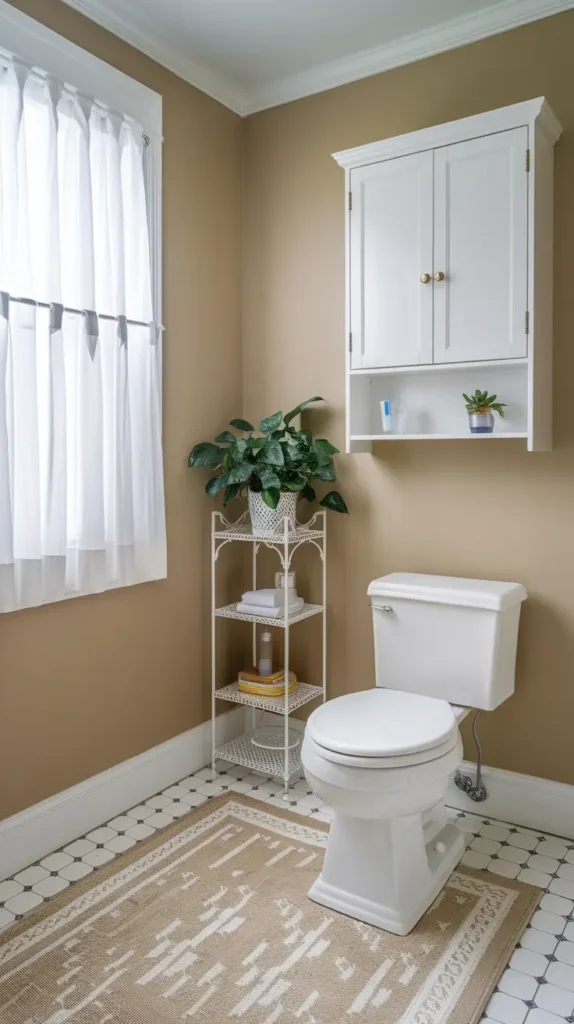
I cannot stress this enough: preparation is key. Bathrooms often have invisible layers of soap scum or hairspray residue that prevent paint from sticking.
Southern Living recommends cleaning walls with a water and bleach solution to remove mildew before you prime. I find that this step prevents future peeling and creates a smooth canvas.
12. Create an Accent Wall
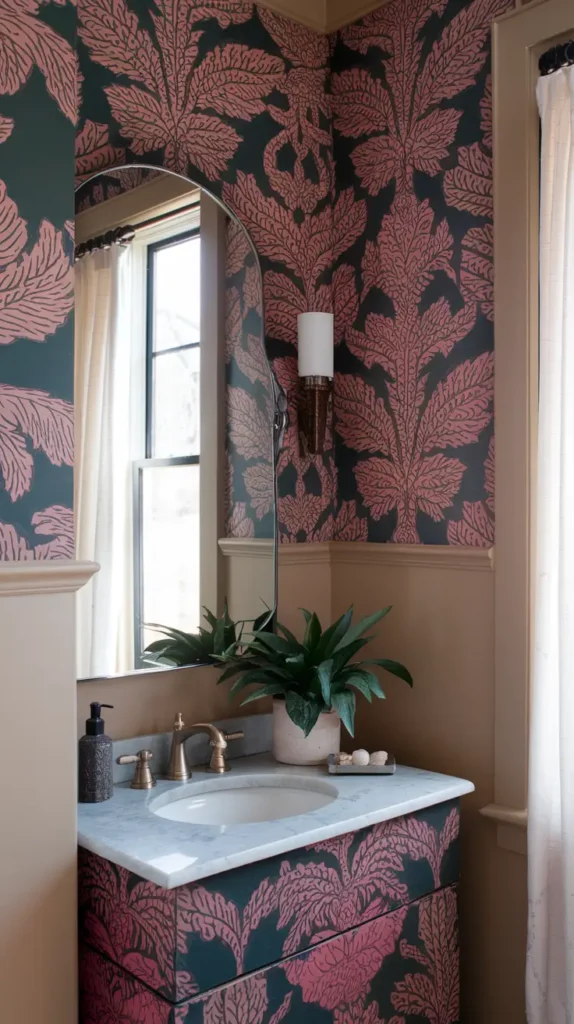
If painting the whole room feels too risky, I recommend starting with an accent wall. Choose the wall behind the mirror or vanity for the most impact.
This allows you to introduce a bold pattern or dark color without darkening the entire room. It’s a great middle ground between safe and daring.
13. Use Warm Tones for Coziness
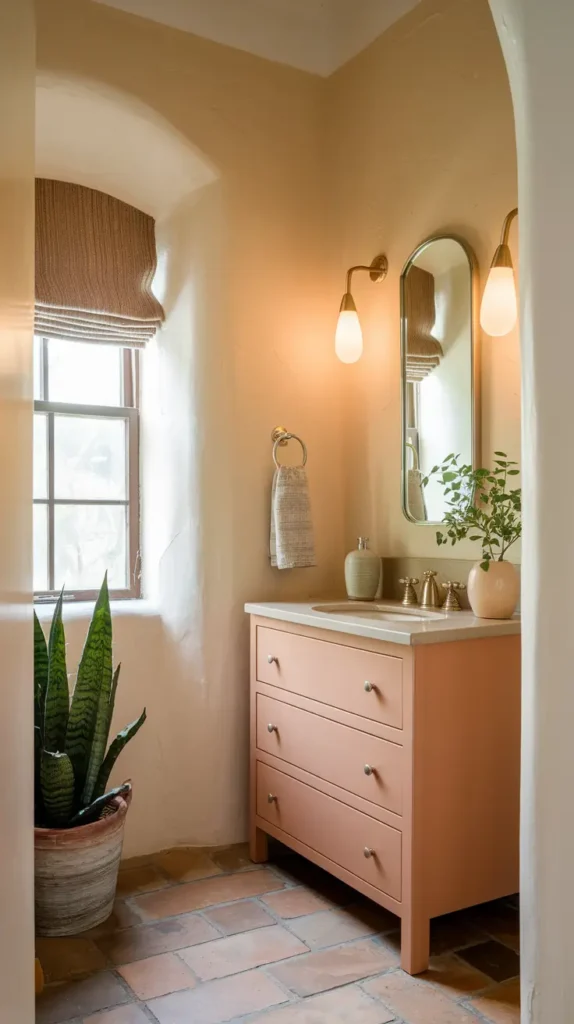
If your powder room feels cold or sterile, I suggest using warm tones like beige, soft peach, or terracotta.
These colors can affect how you perceive the temperature of the room. Warm hues make a small space feel inviting and comfortable for guests.
14. Cool Down with Blue and Green
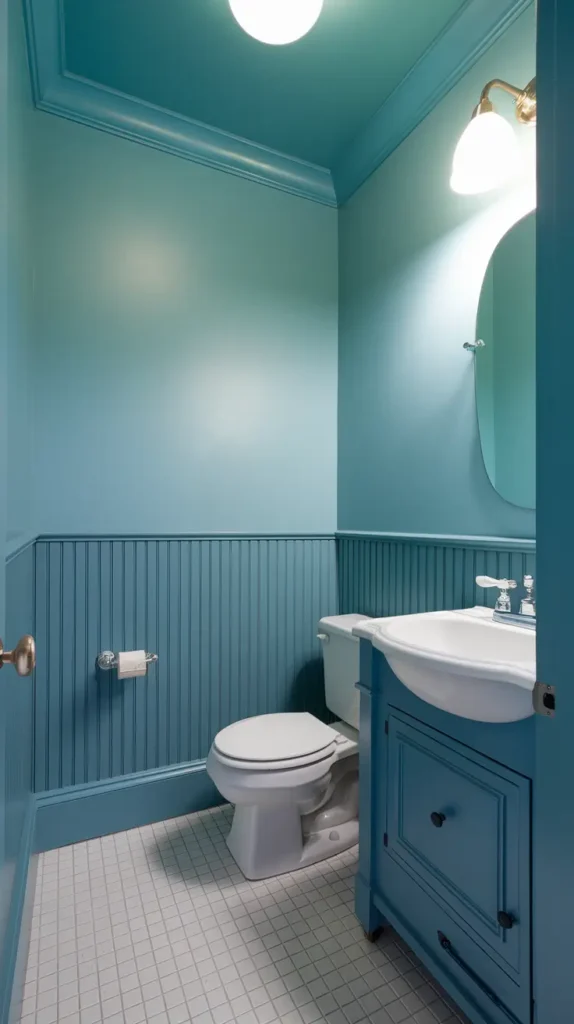
On the flip side, cool colors like blue and green create a refreshing, clean vibe. I love these shades for bathrooms because they feel naturally hygienic and calming.
These colors work well with bright white trim and chrome fixtures, creating a crisp and timeless look.
15. Make Trim Stand Out
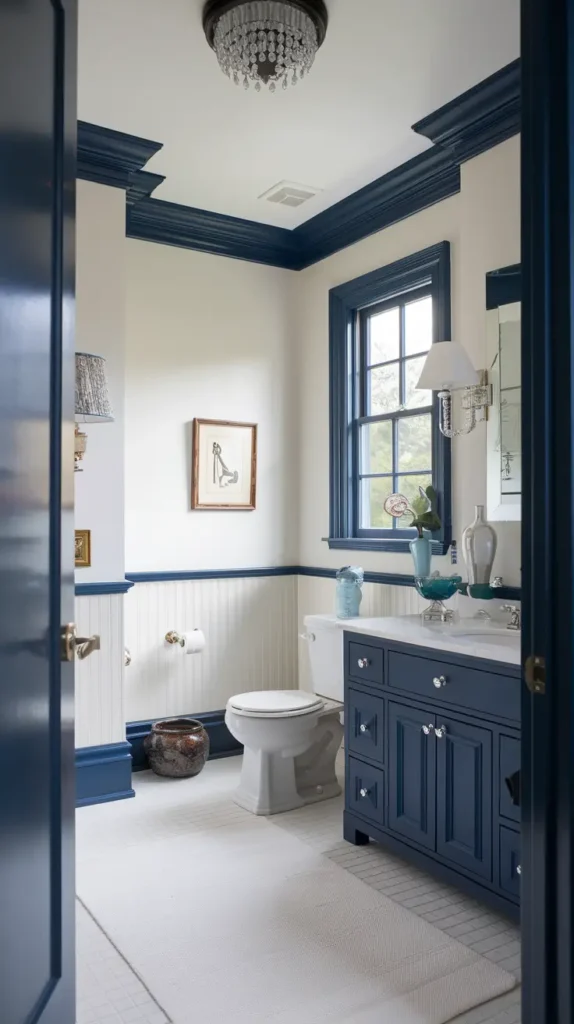
If you have beautiful molding, I say show it off! Painting trim in a contrasting color or a high-gloss finish draws attention to the architectural details.
Sherwin-Williams recommends semi-gloss or high-gloss for trim because it stands out against satin walls and withstands scuffs from foot traffic.
Final Thoughts
Your powder room is the best place to express your personality. Whether you choose a moody dark hue or a fresh, light palette, the right paint and preparation will make your space shine.
Grab some samples, test them out, and get ready to transform your home’s smallest room into its biggest statement.