15 Creative Children’s room paint ideas
Designing a child’s bedroom is one of the most fun home improvement projects you can tackle. It is the perfect opportunity to let your imagination run wild and create a space that reflects your little one’s personality.
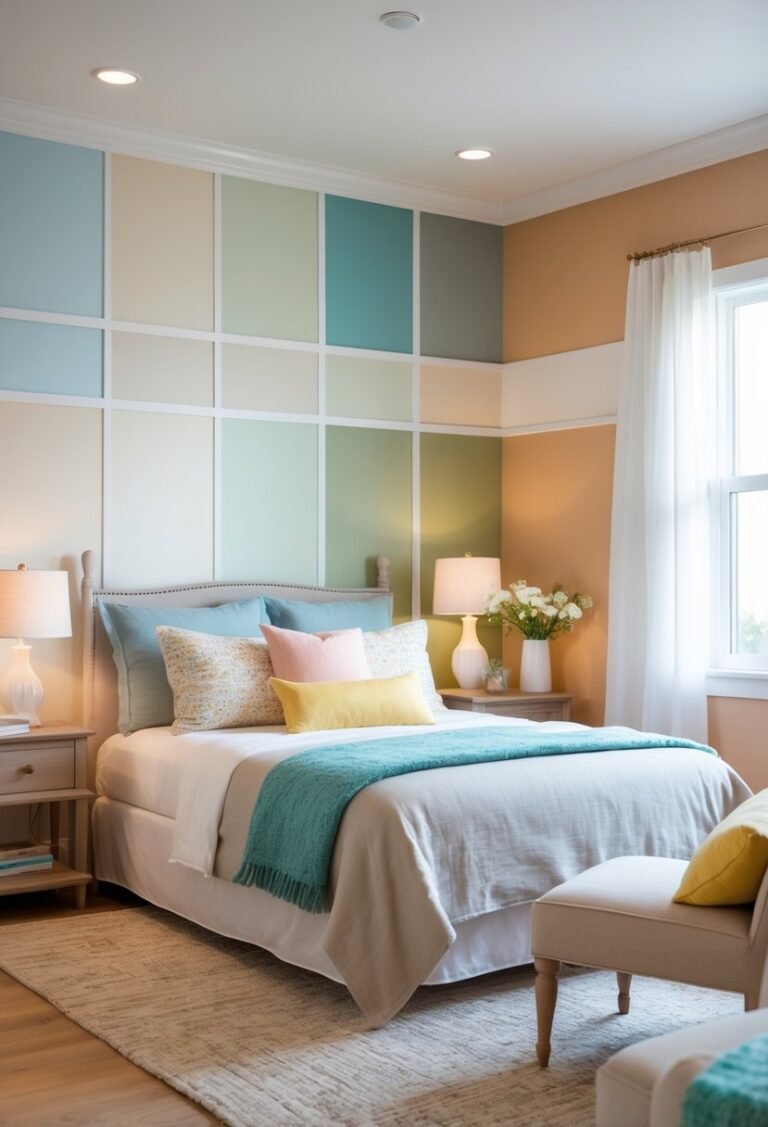
Whether you are looking for something calming for a nursery or a vibrant theme for a toddler, paint is the easiest way to make a big impact.
From whimsical murals to clever color blocking, the right paint job can turn a boring box into a magical retreat. This guide covers 15 inspiring ideas to help you create a room your child will love for years to come.
1. Energetic Orange Accents
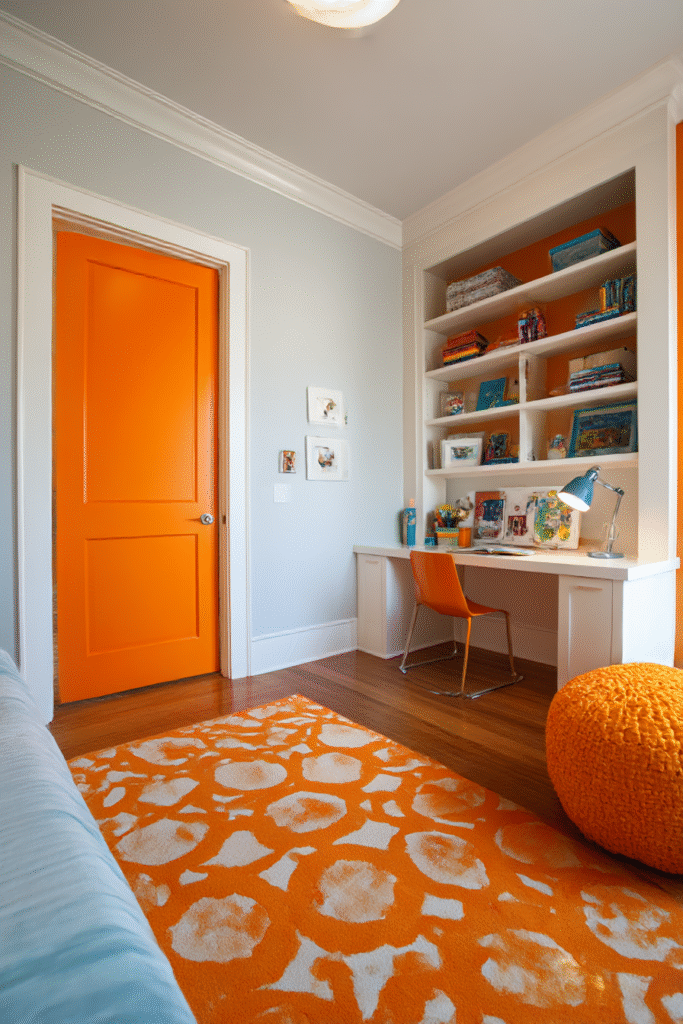
Orange is a color of creativity and social interaction. It is very stimulating, so it is perfect for a playroom or a creative corner.
Because it is so bold, it works best as an accent. Try painting the inside of bookshelves orange or just the door frame.
Tip: Pair orange with cool blues or grays to balance out the warmth and intensity.
2. Soft Pastels for a Calming Vibe
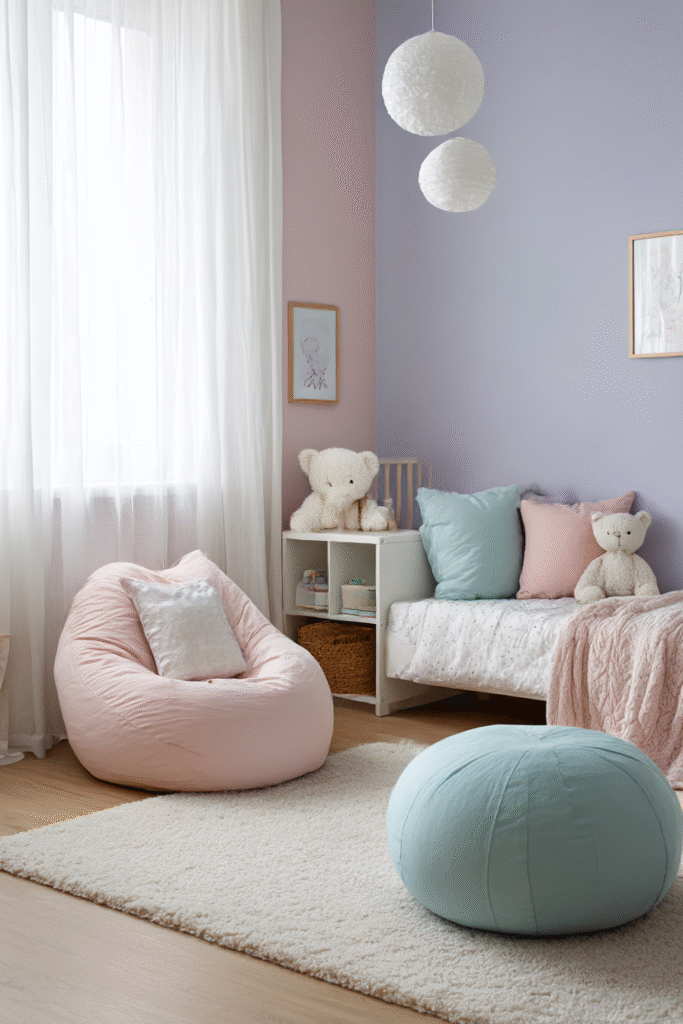
If you want to create a peaceful environment, stick to soft pastels. Think pale pinks, baby blues, mint greens, and lavender.
These colors are perfect for nurseries or for children who get overstimulated easily. They reflect light well, making the room feel larger and airier.
3. Bold Geometric Shapes
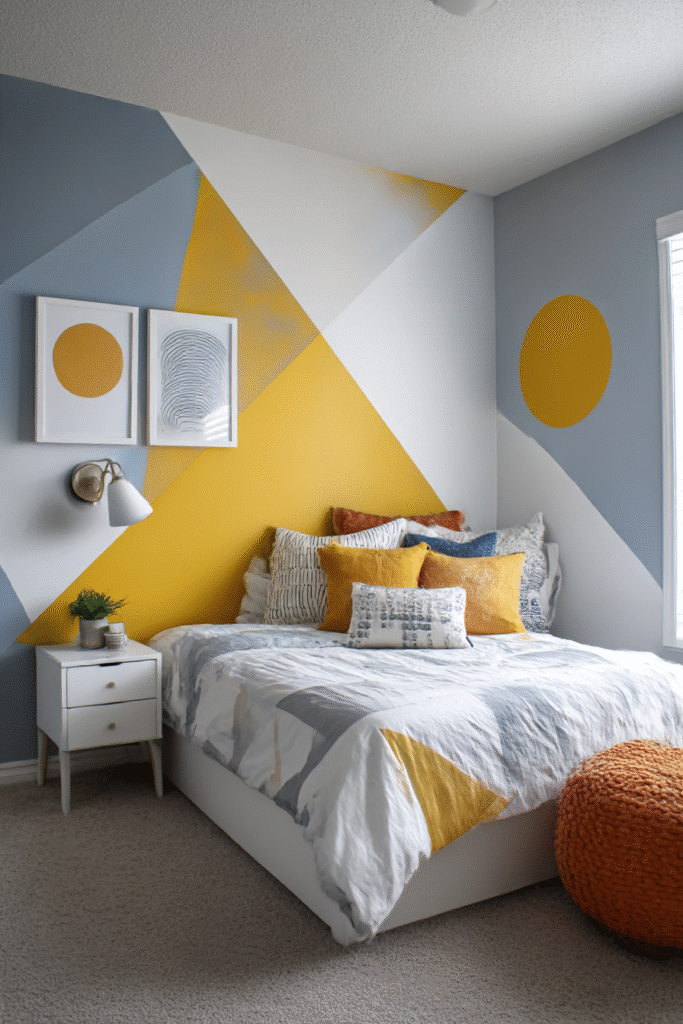
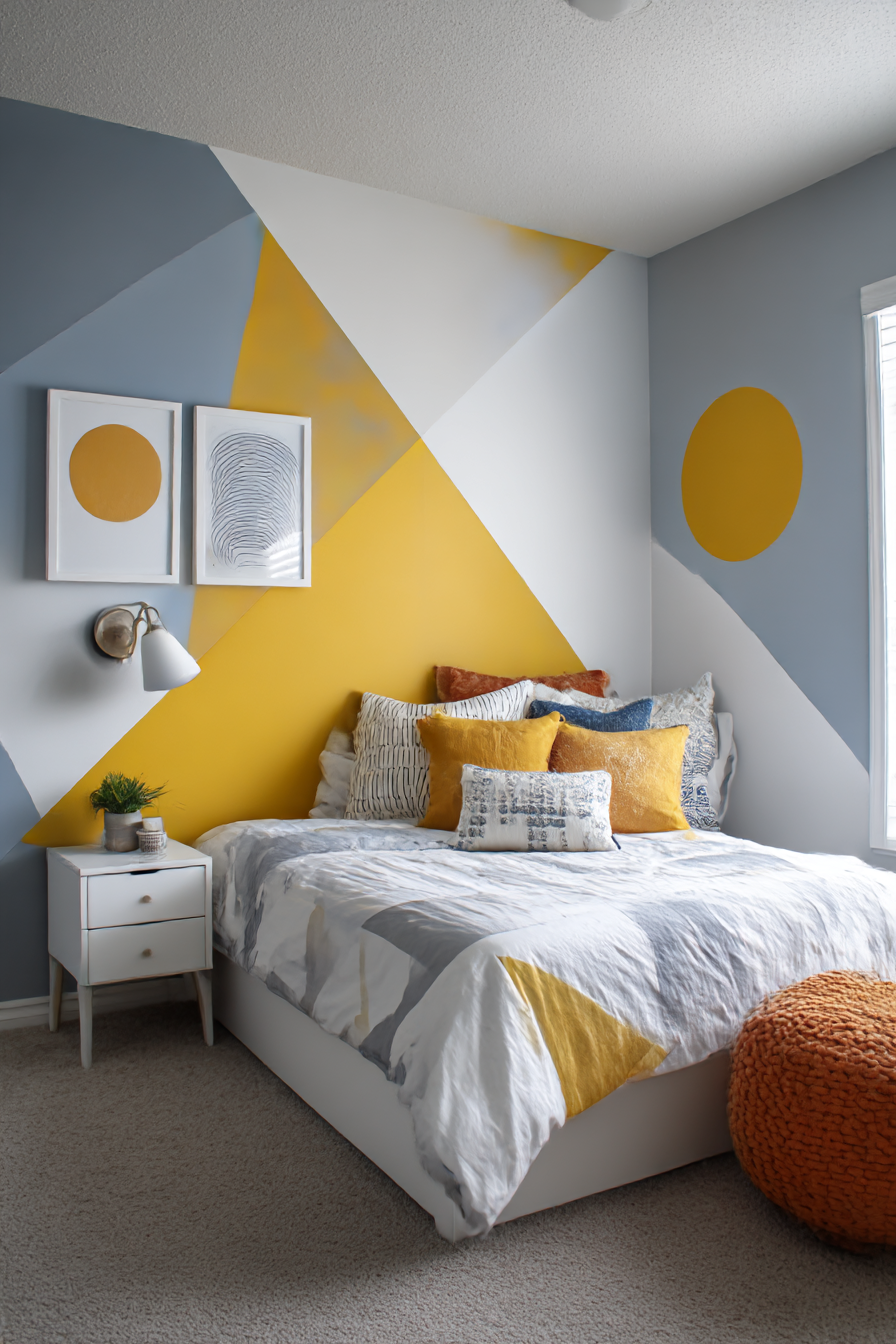
For a modern look, try painting large geometric shapes on the walls. Triangles, circles, and squares in contrasting colors add instant energy to the space.
You can use painter’s tape to create sharp lines and distinct sections. This style works well for older kids and teenagers who want a cooler, more mature look.
4. The Night Sky Ceiling
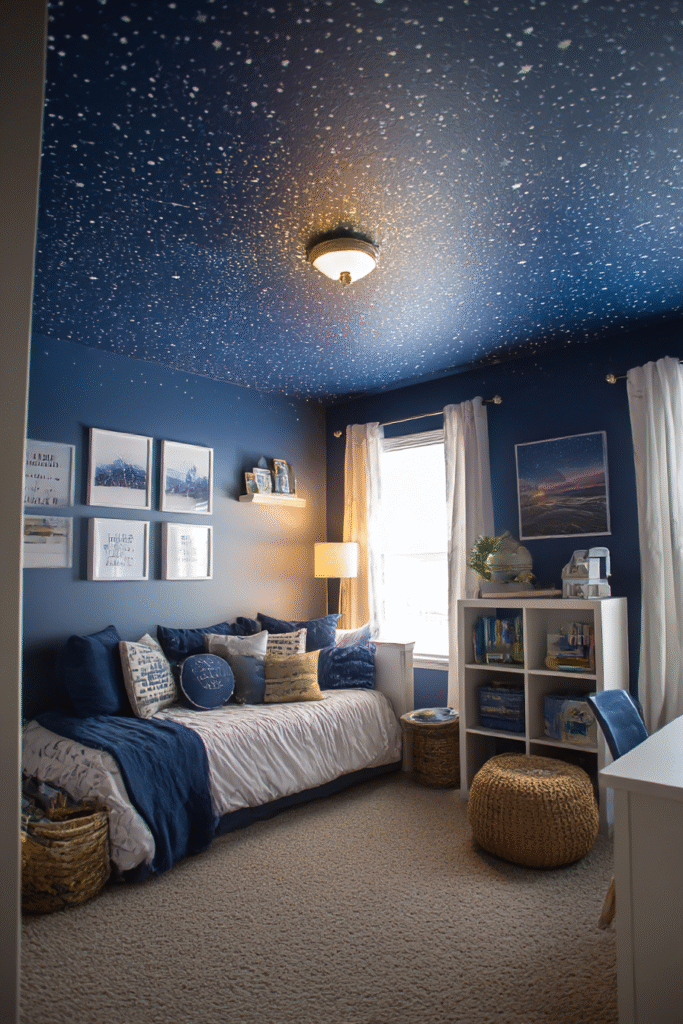
Don’t forget the “fifth wall”—the ceiling! Painting the ceiling a deep midnight blue creates a cozy atmosphere perfect for sleeping.
Add glow-in-the-dark stars or paint small white dots to mimic a galaxy. It turns bedtime into an adventure under the stars.
5. Two-Tone Color Blocking
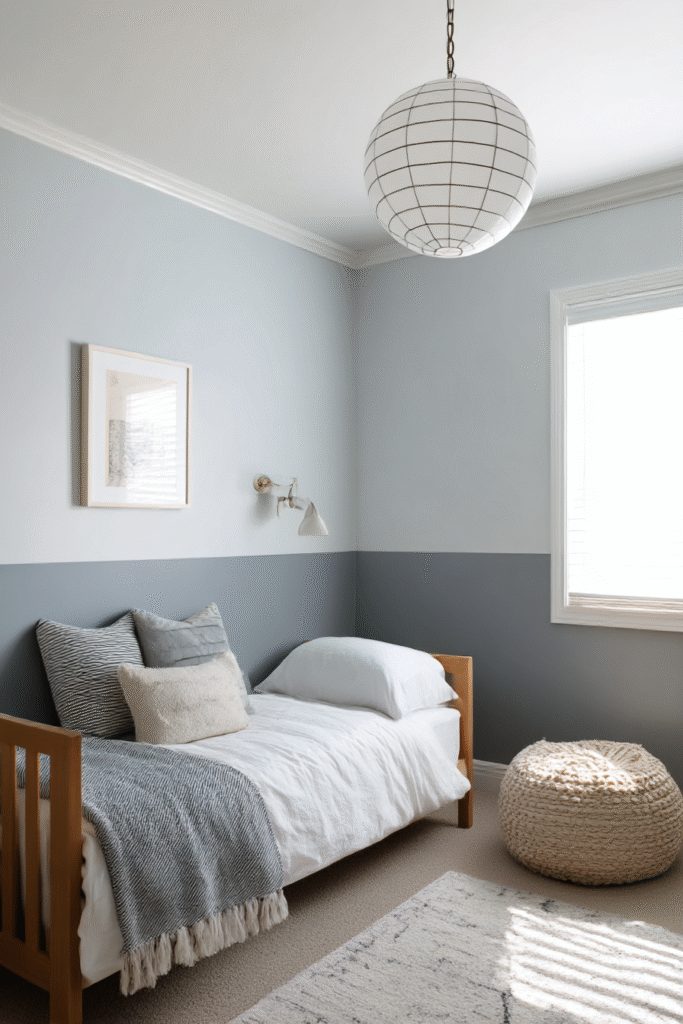
Can’t decide on just one color? Split the wall in half horizontally. Paint the bottom half a darker shade and the top half a lighter one.
This trick makes the ceilings look higher and adds visual interest without overwhelming the room. It is also a practical choice, as darker colors on the bottom hide scuff marks better.
6. A Mountain Range Mural
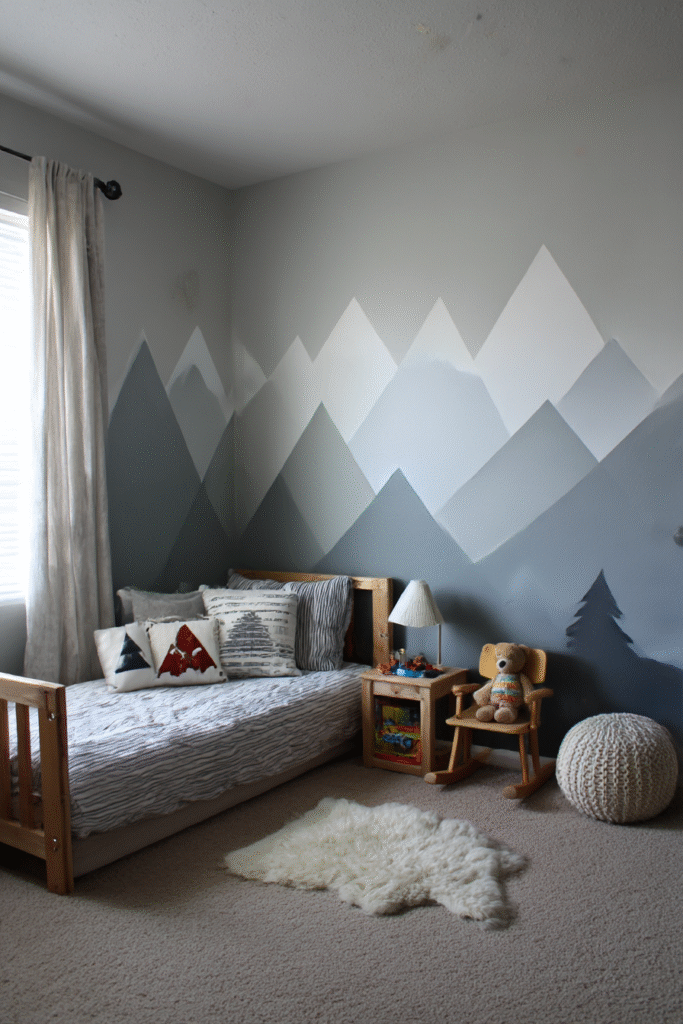
Bring the outdoors in with a simple mountain mural. You don’t need to be an artist to pull this off; just use tape to create jagged peaks.
Use three or four shades of the same color (like gray or green) to create depth. It adds a sense of adventure and looks great behind a bed frame.
7. Sunny Yellow Accents
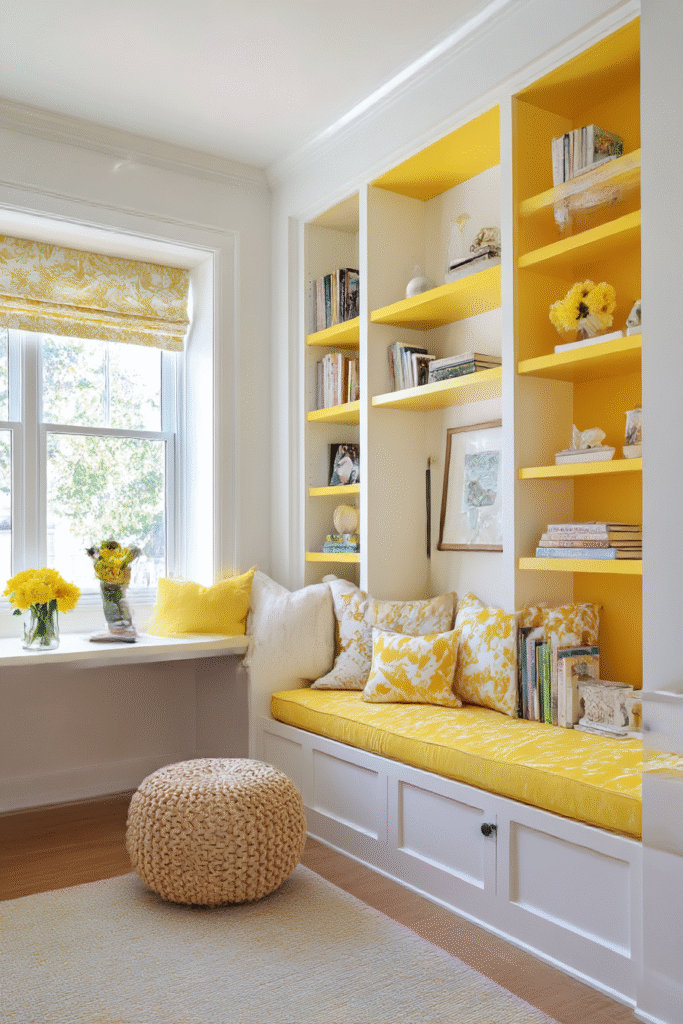
Yellow is the color of happiness and energy. While an all-yellow room might be too bright, yellow accents are perfect.
Paint the window frames, the back of a bookshelf, or the inside of the closet door in a sunny yellow. It adds a cheerful pop that brightens up the space instantly.
8. Neutral Beige and Warm Earth Tones
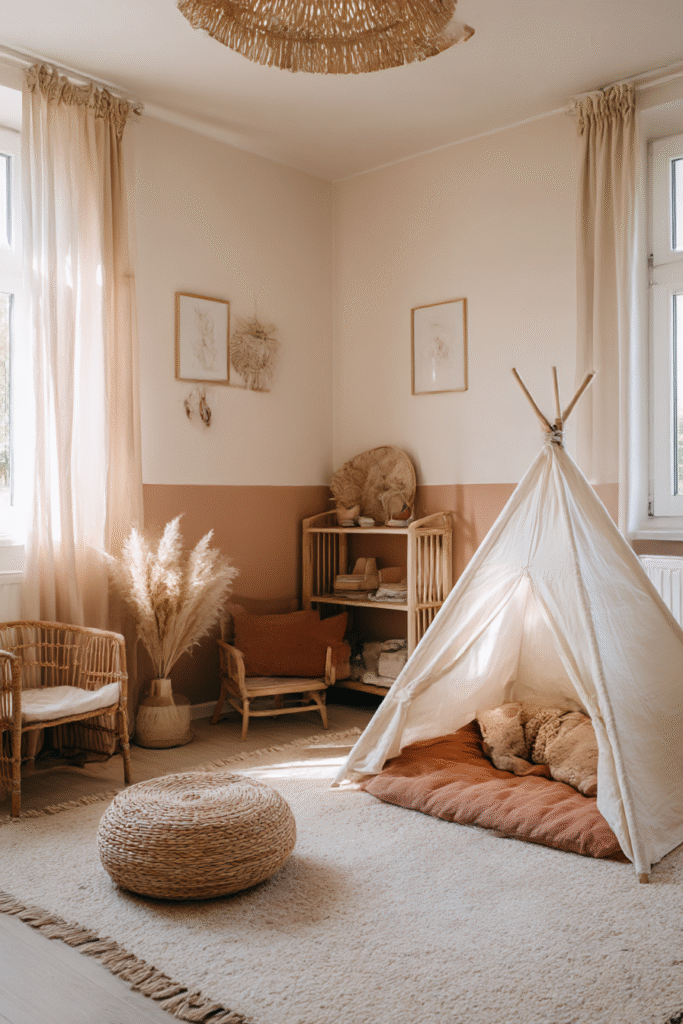
Boho-style rooms are very trendy right now. Use warm neutrals like beige, terracotta, and soft brown to create a grounded, cozy feel.
These colors are gender-neutral and grow with the child. You can easily change the theme of the room by swapping out accessories rather than repainting.
9. Stripes for Height and Width
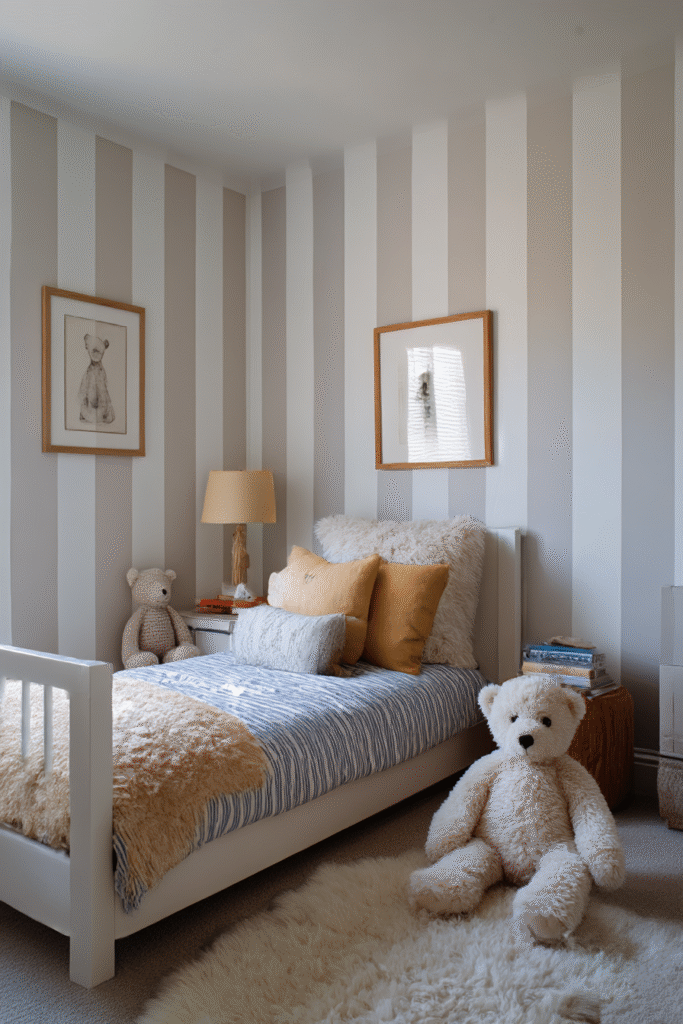
Stripes are a classic design element that can manipulate how a room feels. Vertical stripes make a low ceiling feel higher, while horizontal stripes make a small room feel wider.
You can go bold with thick, contrasting stripes or keep it subtle with two shades of the same color.
10. The Gender-Neutral Green
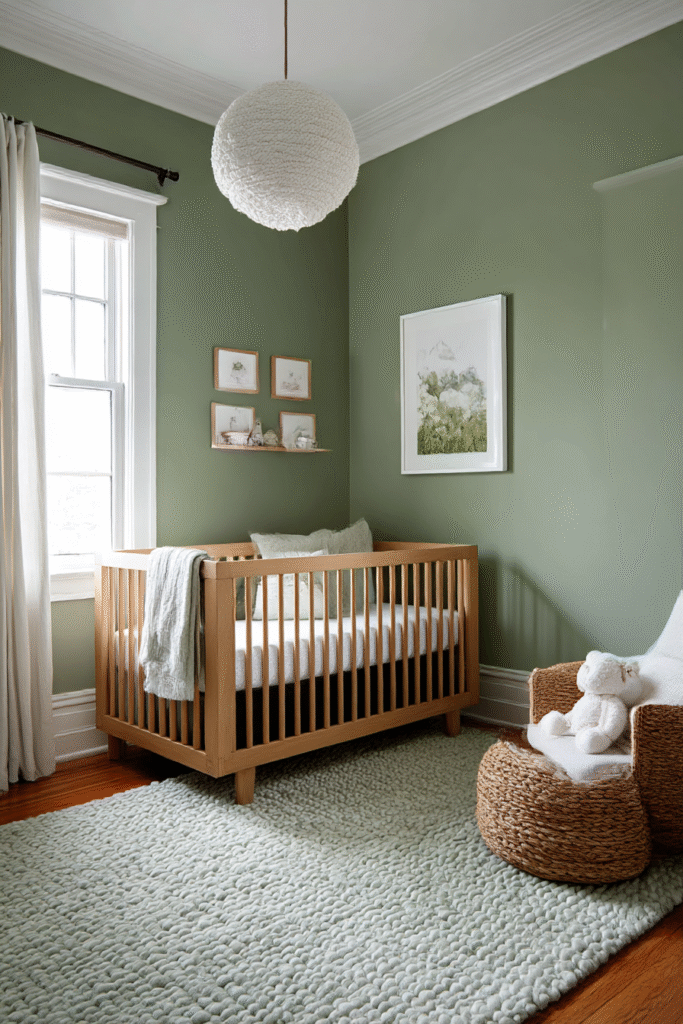
Green is a fantastic choice for any child’s room. From sage to forest green, it brings a touch of nature indoors and promotes relaxation.
It pairs beautifully with wood furniture and white trim. It is a timeless color that works for babies, toddlers, and teens alike.
11. A Rainbow Corner
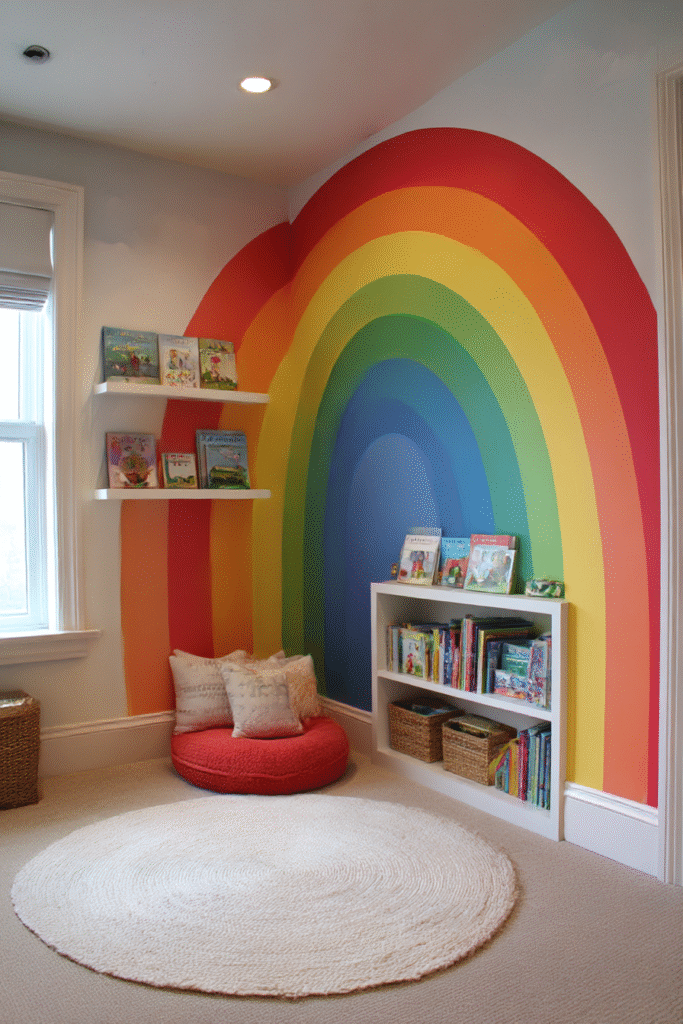
Instead of painting the whole room, create a dedicated rainbow corner. Paint an arch in the corner of the room using rainbow colors.
This creates a perfect little nook for reading or playing. It adds a massive splash of color without dominating the entire four walls.
12. Navy Blue for Drama
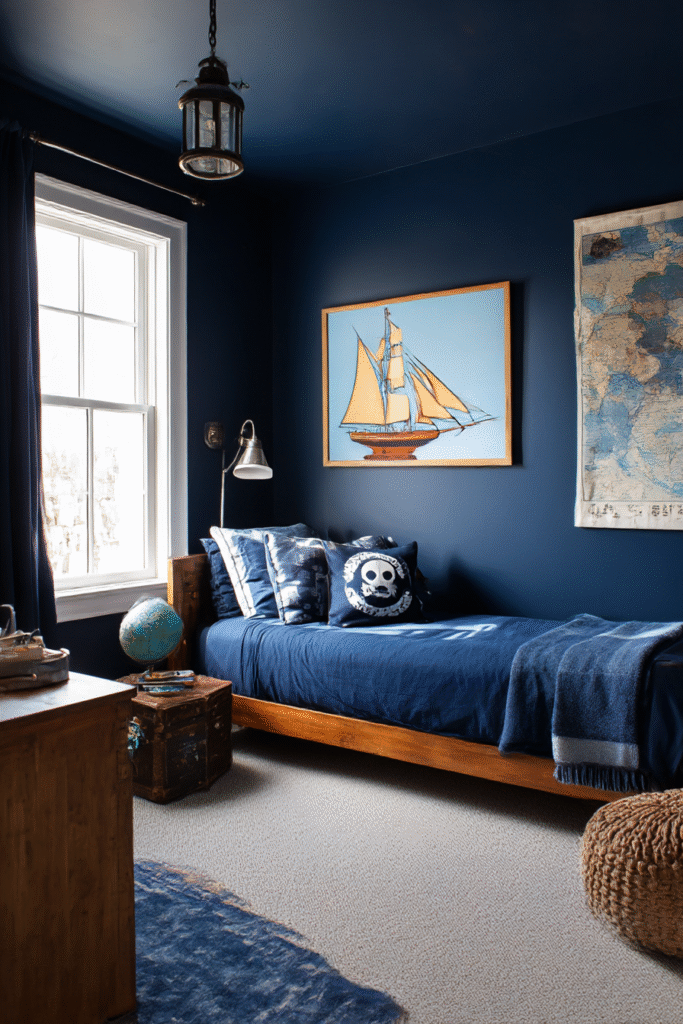
Navy blue is a sophisticated choice that works surprisingly well in kid’s rooms. It provides a dark, dramatic backdrop that makes bright toys and artwork pop.
It pairs well with space themes, nautical themes, or sports themes. Just make sure the room has good lighting so it doesn’t feel too like a cave.
13. Sponge Painting for Texture
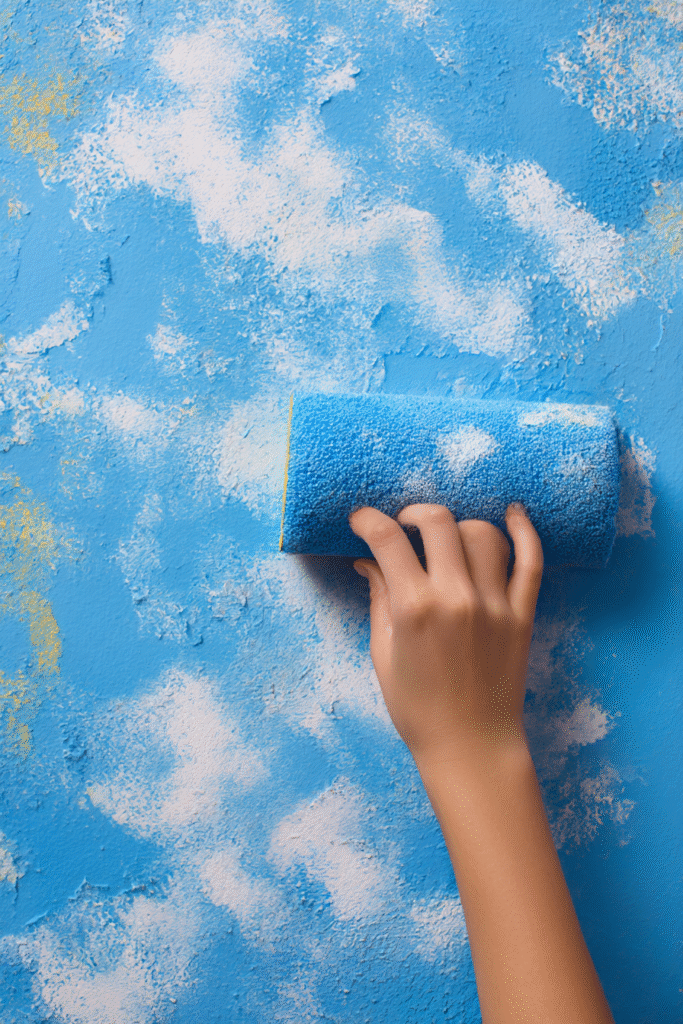
Want to add some texture? Try sponge painting. By dabbing a sponge with a second paint color over a base coat, you create a cloud-like effect.
This technique hides imperfections in the wall beautifully. It is an easy DIY project that even the kids can help with.
14. Polka Dot Whimsy
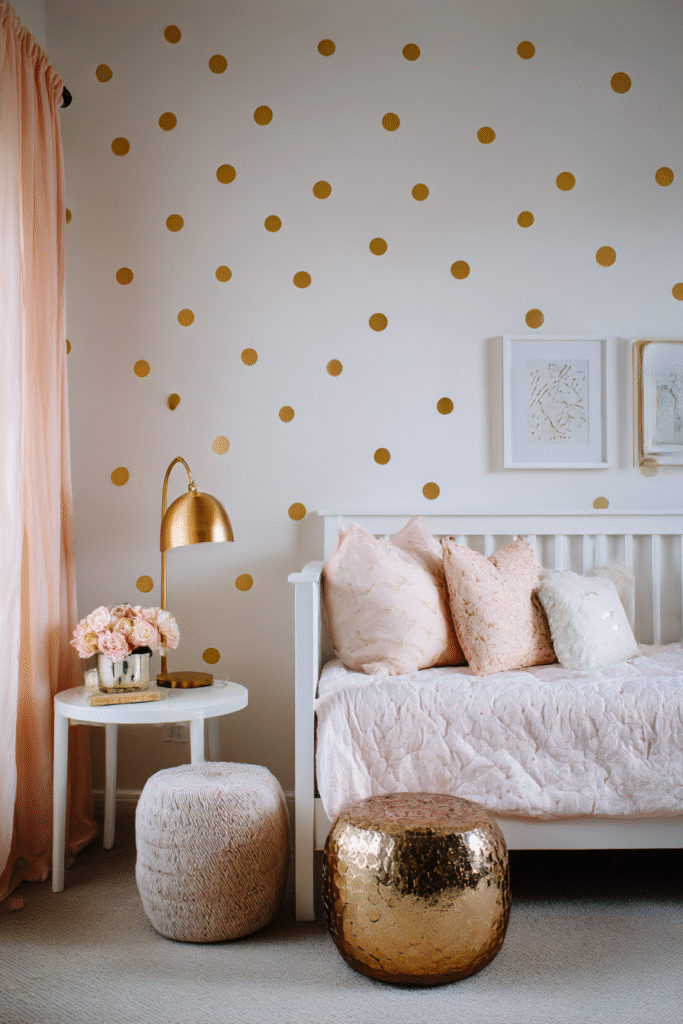
Polka dots are fun, playful, and easy to do. You can use stencils or circular sponges to stamp dots onto the wall.
Space them out evenly for a uniform look, or scatter them randomly like confetti. Gold dots on a white wall look especially chic and magical.
15. The “Teepee” Corner Accent
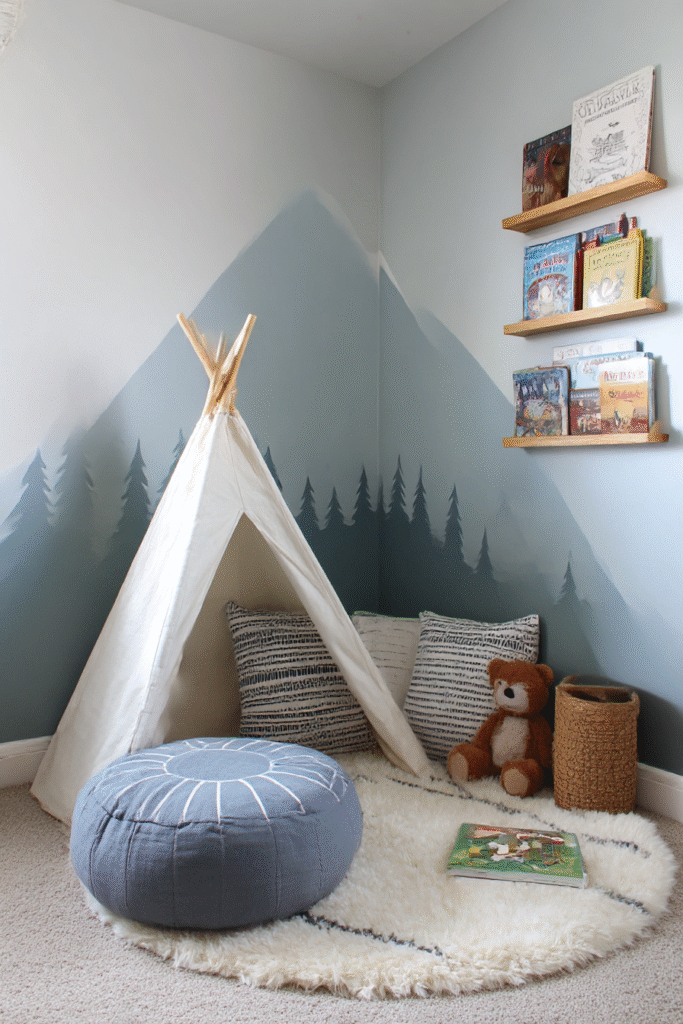
If you don’t want to paint a whole mural, try painting a simple triangle “teepee” shape in a corner.
This creates a visual zone for play. Place a floor cushion or a few stuffed animals in front of it to complete the look.
FAQs
What kind of paint finish is best for a child’s room?
Satin or semi-gloss finishes are usually best for kids’ rooms. They are more durable than flat paint and are much easier to wipe down when sticky fingers or crayons touch the walls.
How do I choose a color that my child won’t outgrow quickly?
Stick to neutral bases like soft grays, warm whites, or earth tones for the main walls. Use bold colors for accents, furniture, or easily repaintable shapes. This allows you to update the room’s style as they age without a complete overhaul.
Is it safe to paint a nursery while pregnant?
It is generally recommended to avoid painting while pregnant due to fumes. If you must help, ensure the room is very well-ventilated, wear a mask, and use Low-VOC or Zero-VOC (Volatile Organic Compounds) paints, which are much safer.
How can I test a paint color before committing?
Never rely on just the swatch card. Buy a small sample pot and paint a large square on the wall. Look at it at different times of the day—morning light and evening lamp light can make the color look completely different.
Ready to get started? Grab your brushes, pick your favorite idea, and create a space where your child’s imagination can soar